Aviation pictures - Back in business, the 1940s

-
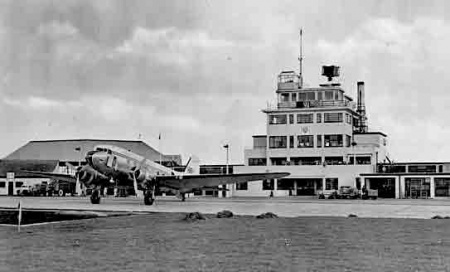 Back in business after the Occupation ...
 -
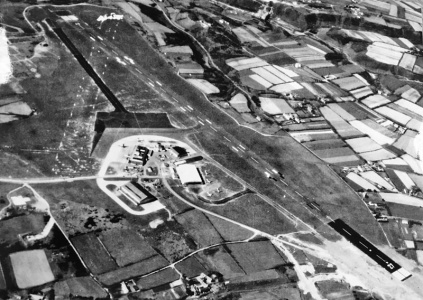 ... and the short grass landing strips used before the war have now given way to a longer runway aligned due east and west
 -
 Jersey Airways aircraft return


Late beach landing
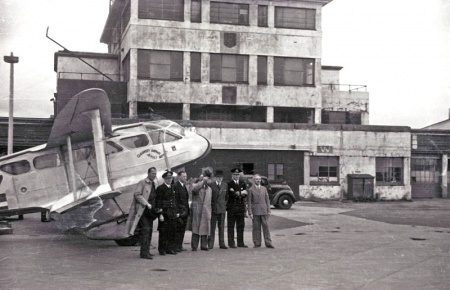
Even though the West Park end of St Aubin's Bay ceased to be used for aircraft operations on a daily basis following the opening of the new Airport in 1937, that was not the end of beach landings. In February 1947, ten years later, and nearly two years after normal flying operations resumed after the Liberation, this Channel Islands Airways DH89 Rapide landed on the beach at West Park.


Why it landed there is not clear but probably there was a problem at the airport because of what was described at the time as heavy snow and frost, particularly as the airport did not have a hard runway at this time. The Rapide was carrying passengers, and it is being refuelled ready for its return flight. A Commer van appears to be collecting or delivering some light cargo or luggage.
The police are in attendance, but on such a cold day there do not appear to be any curious onlookers to keep at bay, although there are some people on the promenade watching what was one time commonplace. In the first picture the chocks have been pulled away, the aircraft is running up its engines to go, and the unusual event was clearly something to photograph and report.
At the time of these pictures, February 1947, all airline services in the UK became part of BEA, having been under its control since it was established in August 1946. The Channel Islands’ governments resisted this on the basis that the UK government did not have jurisdiction over the islands, and Channel Islands Airways was registered in Jersey.
Channel Islands Airways was flying its routes at this time under contract to BEA, but it was not a situation that would be allowed to last. It was made clear that Channel Islands Airways’ flights would not be given permission to land in England, so on 1 April 1947 the staff, the eight aircraft and the routes all became part of BEA. It was not all bad news, as members of staff were given better pay and conditions, and some enjoyed promotion within the new organisation.
The particular aircraft in the pictures, G-AGSK, left the Channel Islands and flew for BEA in the Scottish islands. It undertook air ambulance operations in the Outer Hebrides, shortly before it was sold to Gibraltar Airways. It was obviously an aircraft that did its fair share of beach landings and take-offs in its life.
-
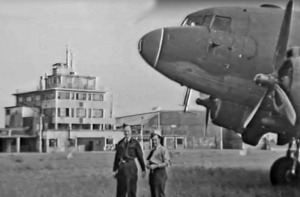 RAF personnel in front of a Dakota after the Liberation
 -
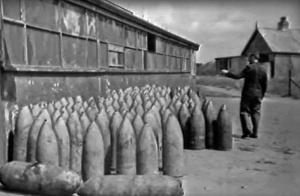 Shells left behind by the Germans
 -
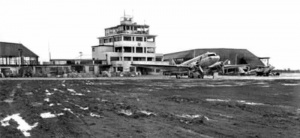 The Airport in the 1940s
 -
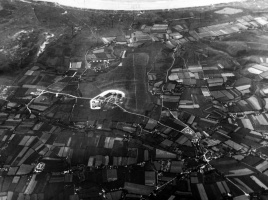 1940s
1940s -
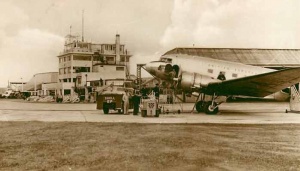 A Dakota on the apron in the late 1940s
 -
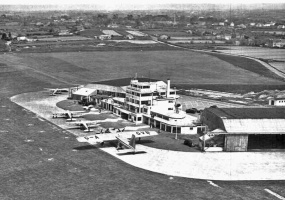 Aircraft on the apron in 1945
 -
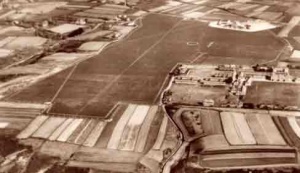 An aerial view of the airport in 1946
 -
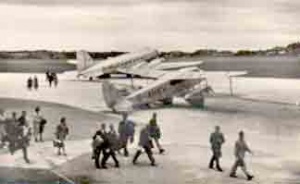 Passengers used to walk some distance across the apron to their aircraft
 -
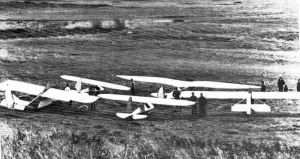 A thriving gliding club operated over the sand dunes
 -
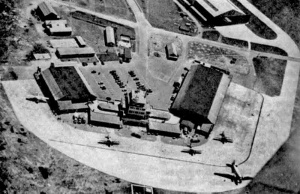 An aerial view in 1947
 -
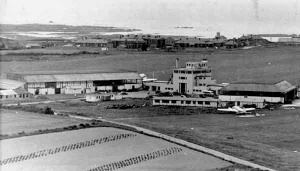 An aerial view of the Airport in 1948, with St Peter's Barracks in the background
 -
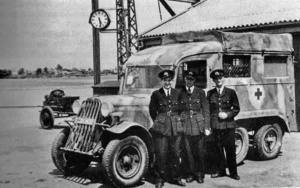 A post-war ambulance crew
 -
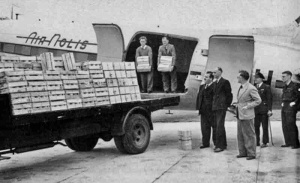 French cheeses flown in in 1949
 -
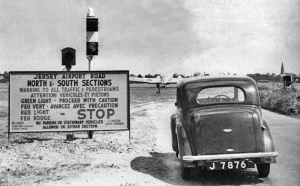 Traffic lights controlled traffic on a road which crossed the airfield
 -
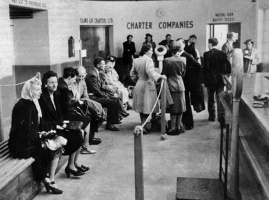 Passengers wait for their flight
 -
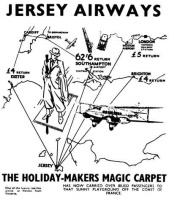 Back in business after the War


-
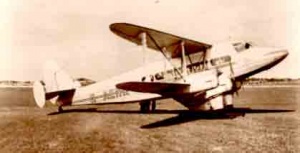 A DH86b operated jointly by Jersey Airways and Guernsey Airways
 -
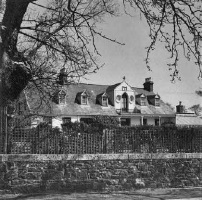 Nonpareil, a house which had to be demolished as the airport expanded
 -
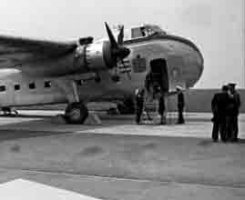 Wayfarer in 1946
 -
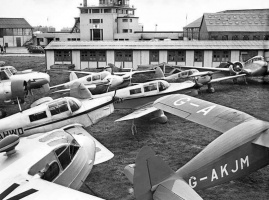 The Airport was busy with light aircraft during International Road Race meetings in the 1940s
 -
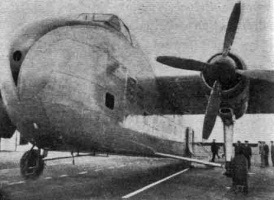 Bristol Wayfarer
 -
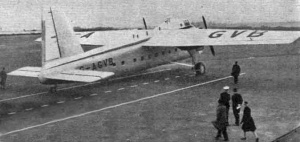 Bristol Wayfarer
 -
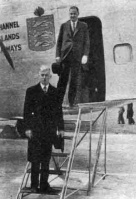 Home Secretary Chuter Ede leaves the Wayfarer
 -
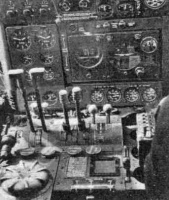 The controls and instruments of the Wayfarer
 -
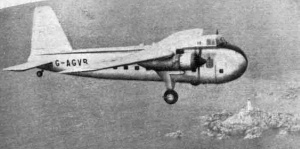 The Wayfarer flies over Corbiere
 -
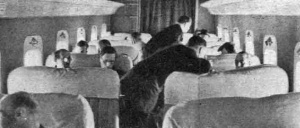 The spacious passenger cabin in the Wayfarer
 -
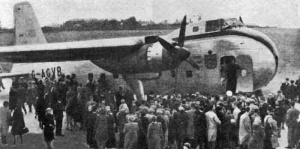 Crowds flock to see the new aircraft
 -
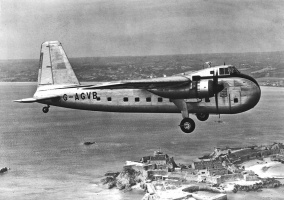 Wayfarer over Elizabeth Castle


-
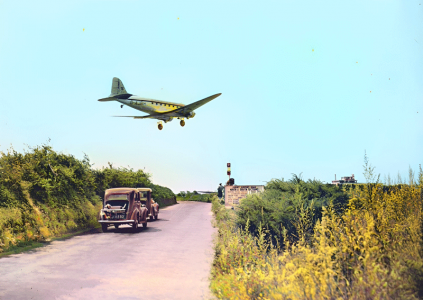
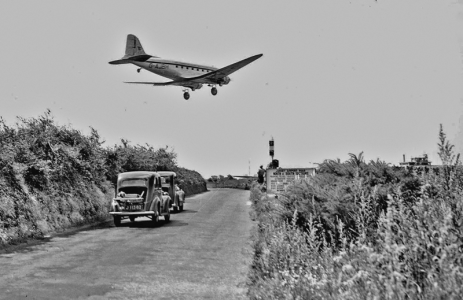 A Dakota landing in 1948 - Picture Evening Post
 -
 A colourised version of the same photograph


-
 This Airspeed Consul operated by Westminster Airways on charters from Blackbushe and Gatwick crashed in Jersey in June 1947
 -
 Airspeed Consul crash
 -
 Airspeed Consul crash
 -
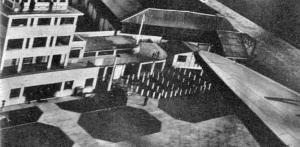 An aerial view of the terminal in 1947
 -
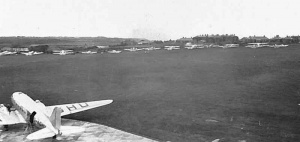 St Peter's Barracks in the distance
 -
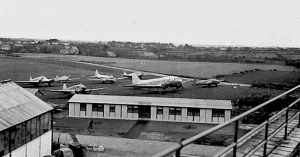 Aircraft parked on the grass in front of St Peter's Barracks
 -
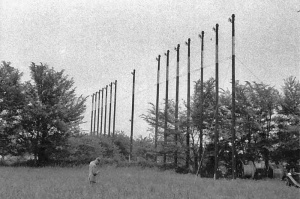 Approach lights at the eastern end of the runway
 -
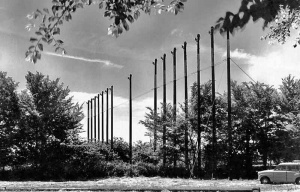 Approach lights
 -
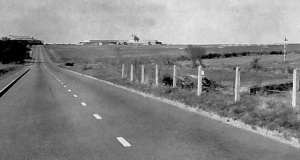 The Airport approach road
 -
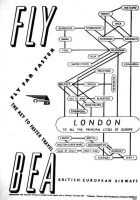 A BEA route advertisement
 -
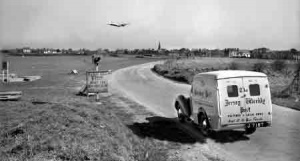 A main road still crossed the Airport in 1948
 -
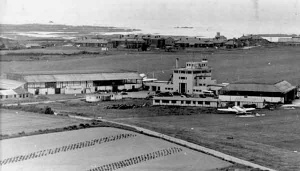 An aerial view of the airport from the northeast in 1948


-
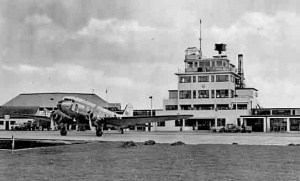 A dakota in front of the original airport building
 -
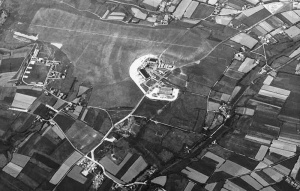 An aerial view in 1949
 -
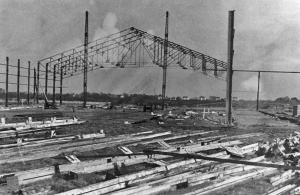 Work starts on No3 hangar
 -
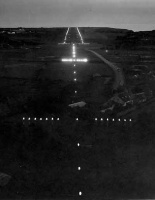 The landing lights viewed from an aircraft approaching the Airport from the east
 -
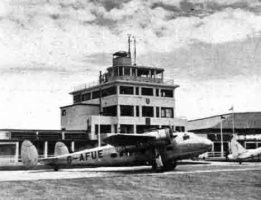 DH89 Flamingo G-AFUE on the apron
 -
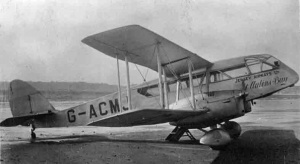 Jersey Airways DH84
 -
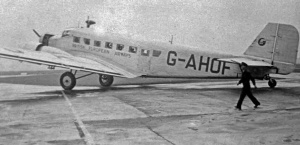 Bringing a German Junkers aircraft to Jersey in the early 1950s was not clever thinking by BEA
 -
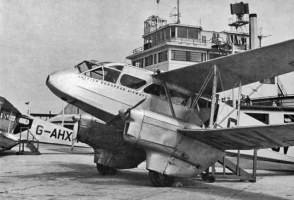 BEA Rapides in 1947
 -
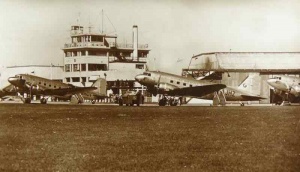 Dakotas on the apron in the late 1940s or early 1950s
 -
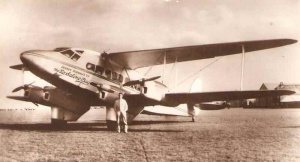 DH-86 La Saline Bay
 -
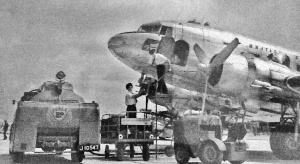 Loading a Dakota in 1948
 -
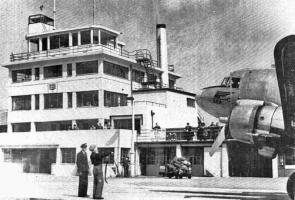 BEA Dakota in 1947


-
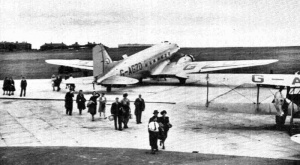 BEA Dakota in 1947
 -
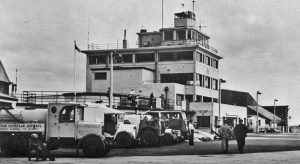 The Airport in the late 1940s
 -
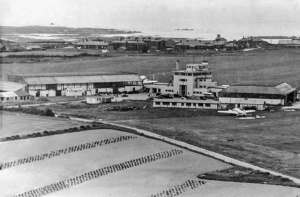 An aerial view of the Airport with St Peter's Barracks in the background
 -
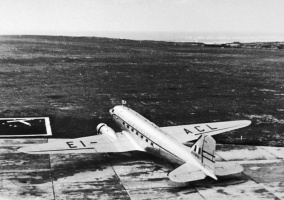 An Aer Lingus Dakota at Jersey Airport in 1946, parked on grass
 -
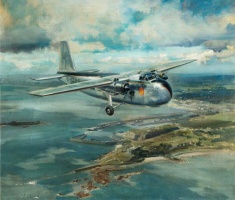 A promotional picture of a Bristol Wayfarer overflying St Helier
 -
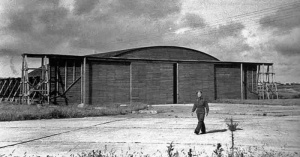 A surviving German blister hangar from the Occupation years
 -
 The last of the blister hangars from the war is redeveloped for civilian use
 -
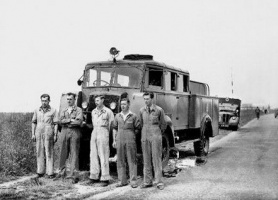 A new 'crash tender' acquired in 1947
 -
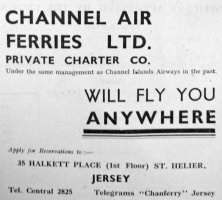 1948 advert
 -
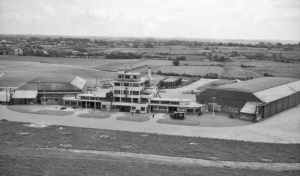 A RAF aerial view of the Airport in 1945, either just before or just after the Liberation
 -
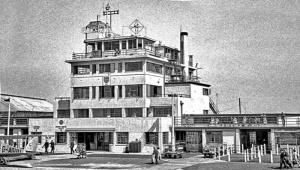
-
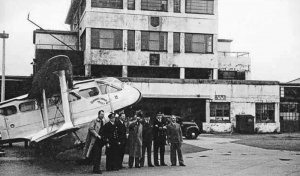 The Airport building was in a sorry state after the end of the Occupation
 -
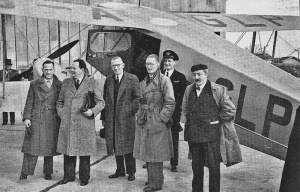 Inaugural flight to St Brieuc in 1949
 -
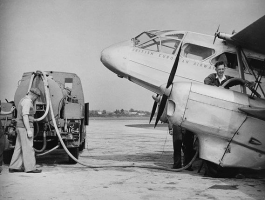 Refuelling a DH89 in the late 1940s


- Aviation picture gallery: Back to index