Elizabeth Castle
On the coast
|
 Elizabeth Castle
 16th century Orders to Elizabeth Castle and Mont Orgueil stating the numbers of soldiers to defend the main gates and canons, the payments of the soldiers, the re-establishment of the Governors guard, which was disbanded by Sir Waltre Raughley (Sir Walter Raleigh), and that the main gates and cannon of both castles are manned
|


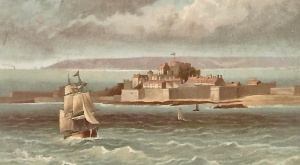
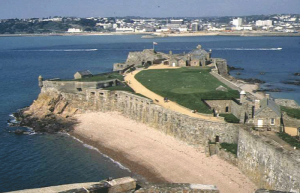
Elizabeth Castle was built on a tidal island off the coast of Saint Helier in the 16th and 17th centuries when the power of cannons meant that the existing stronghold at Mont Orgueil was insufficient to defend the Island and the port of St Helier was vulnerable to attack by ships.
History
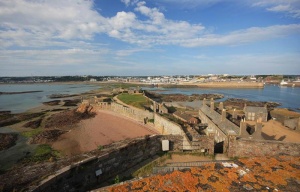
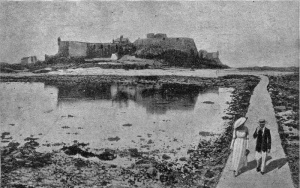
Elizabeth Castle. About half a mile out to sea from St Helier lies an islet 60 yards broad and about 500 yards long, which can be reached at low tide by a causeway of shingle across the sands. For 400 years this contained a priory, and for the last 350 years a castle.
The island called L'Islet at the eastern end of St Aubin's Bay became the site of the Abbey (later Priory) of Saint Helier. The monastic buildings were finally taken over by the Crown at the Reformation. Surviving buildings were used for military purposes.
Construction of the castle began in 1594, and continued in the first years of the 17th century under the then governor of Jersey, Sir Walter Raleigh, who named it "Fort Isabella Bellissima" (the most beautiful Elizabeth) after Elizabeth I.
Governors of Jersey moved their official residence from Mont Orgueil to Elizabeth Castle, which was first used in a military context during the English Civil War in the 17th century. Charles II visited the castle in 1646 and 1649, staying in the Governor's House, and was proclaimed King on the death of his father, Charles I, by governor Sir George de Carteret despite the abolition of the monarchy in England.
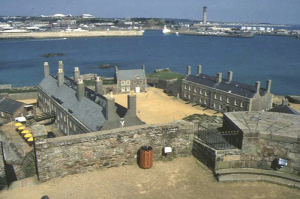
In 1651, Parliamentary forces landed in Jersey and bombarded the castle with mortars. The destruction of the mediaeval Abbey church in the heart of the castle complex which had been used as the storehouse for ammunition and provisions forced Carteret to surrender, and Jersey was held by Parliamentarians for nine years. The parade ground and surrounding buildings were constructed on the site of the destroyed Abbey church.
The castle was next involved in conflict in the late 18th century, this time it was with the French. Troops under Baron Phillipe de Rullecourt landed in St Helier on 6 January 1781, and the castle garrison was marooned. The governor, Moise Corbet, was tricked into surrendering to the French, but the castle garrison under Captain Mulcaster refused to surrender. The French were eventually defeated by troops under Major Francis Peirson at the Battle of Jersey. Both Peirson and de Rullecourt were killed during the battle.
The perceived vulnerability of the Island led to the construction of Fort Regent on Le Mont de la Ville, overlooking the Town. Fort Regent became the site of the main British garrison.
An ambitious harbour project which would have linked the castle to the mainland was abandoned in the 19th century. A breakwater linking L'Islet to the Hermitage Rock on which the Hermitage of Saint Helier is built remains, and is used by anglers.
The British government withdrew the garrison and relinquished the castle in 1923 to the States of Jersey which opened it to the public as a museum. During the Second World War the Germans modernised the castle with guns, bunkers and battlements. After the Liberation, the castle was repaired and was eventually reopened to the public.
Historic monument
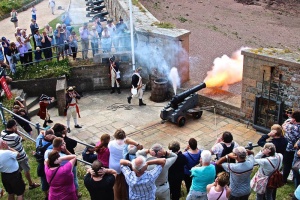
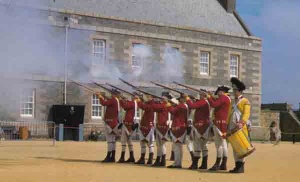
Today, the castle is administered by the Jersey Heritage Trust as a museum site: among the historical displays are the Jersey Royal Militia Museum holding several centuries of military memorabilia. Every Sunday through the season when the castle is open, a team of historical interpreters recreate the garrison of 1781, at the time of the battle of Jersey. Displays are given of musket firing, cannon firing and civilian life.
Jersey Heritage 2025 statement
Jersey Heritage are restoring Elizabeth Castle ‘to ensure it is protected for generations to come’.
The castle sits on an islet about half a mile off Jersey’s south coast by St Helier Harbour and has watched over the Island for more than 400 years. Built across 24 acres and 15 centuries, it is steeped in history. The castle is the biggest heritage site we look after and our most popular site during the summer season.
We have begun an exciting new, long-term restoration project at Elizabeth Castle, which is one of the most iconic landmarks in Jersey and a symbol of the Island’s incredibly rich history.
The castle has many chapters to its story, including residents such as Sir Walter Raleigh, King Charles II and German occupying forces, but its history dates back as far as the 6th century to St Helier, who Jersey’s capital is named after. A hermit called Helibert lived in the hermitage on the islet where the castle is built. He was murdered and later made into a saint called St Helier. Islanders make an annual pilgrimage to the hermitage and it is a fascinating part of the castle grounds for visitors to explore.
The first building on the islet was an abbey, named after Helibert and founded in 1155. It was soon downgraded to a priory and later abandoned. Fast forward to the late 16th century and a fortress was being built, taking over the main defence of Jersey once gunpowder and cannon were introduced and the medieval castle of Mont Orgueil on the east coast was no longer up to the job. Raleigh, who was Governor of Jersey from 1600-1603, later named the new castle after his Queen; Fort Isabella Bellissima, or Elizabeth Castle.
The Castle protected St Helier and offered a safe anchorage for merchant vessels, and also gave refuge to Charles II – the Prince of Wales at the time – in 1645 during the English Civil War. It was extended throughout the 17th and 18th centuries and continued to be a military garrison until 1923, when it was sold by the British Government to the States of Jersey. Most recently, the Castle was refortified by German forces during the Second World War.
Today, Jersey Heritage looks after Elizabeth Castle on behalf of the people of Jersey and the Island’s government has provided us with vital funding to invest in a major, long-term restoration project, which is the latest chapter in the fortress’ history.

There are more than 30 historic buildings in the grounds of the Castle and, although general conservation work to maintain the site as a whole is ongoing, some of the key buildings need more help – this is where the restoration project comes in.
Phase One focuses on the Georgian military hospital and coal store, and the 18th century officers’ quarters. Planning permission has been granted for both of these projects and preliminary work has begun, including the gathering of essential conservation information for the restoration process.
Built in 1735, the Officers’ Quarters was previously used by Jersey Heritage as an exhibition space. As part of the project, the building, which faces into the Parade Ground at the heart of the Castle’s grounds, will be restored and developed and returned to its original use as accommodation. At the moment, it is closed to the public but when it reopens, it will provide opportunities for the Castle to be used in different ways, including by groups during the winter months when the Castle is currently closed to visitors.
The Georgian military hospital dates from the early 19th century and is one of the first buildings that visitors see when they enter the Castle. Our knowledgeable Tour Guides stop here to share some of its fascinating history but the building is currently too dangerous to allow visitors access.
The large 19th century coal store by the hospital is also currently unused. It will be refurbished to create a multi-purpose function and meeting room, with toilet and kitchen facilities. This will provide a location for meetings and events, adding another facet to the Castle.
The guardhouse at the entrance to Elizabeth Castle houses an exhibition to explain the restoration project to visitors and soon they’ll be able to see the progress for themselves as the project gets fully underway. Exciting times lie ahead for this iconic Castle, which remains an integral part of the Island’s story.
Balleine
- A detailed history of the castle, taken from The Bailiwick of Jersey by George Balleine
- The Hermitage from ''The Bailiwick of Jersey''
Rybot
A booklet written by Norman Rybot in 1934 covered various aspects of the history of Elizabeth Castle, and included a translation of a French history of Saint Helier. Here are links to the chapters of the booklet:
- The coming of Christianity
- The coming of the Norsemen
- The second ecclesiastical occupation
- The raid of 1406
- Declaration of Rights
- The Life of St Helier

Other articles
- Sir Philippe de Carteret and Elizabeth Castle
- A history of Elizabeth Castle, a 1939 article
- Murder at Elizabeth Castle, an event recorded in a 1721 witness statement
- Restoration reports and plans
- 1922 v 1984 - photographic comparison
-
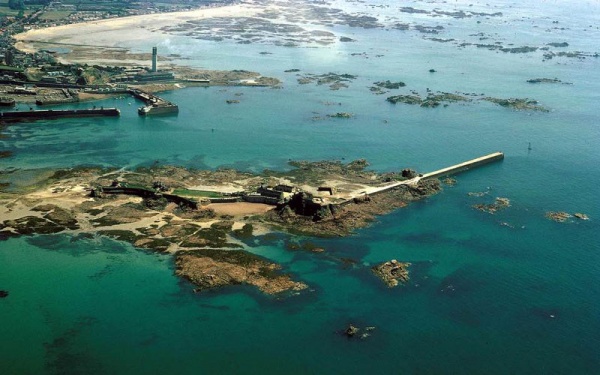 1970s ...
 -
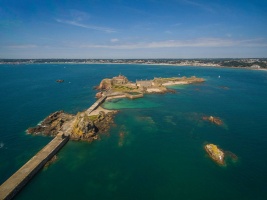
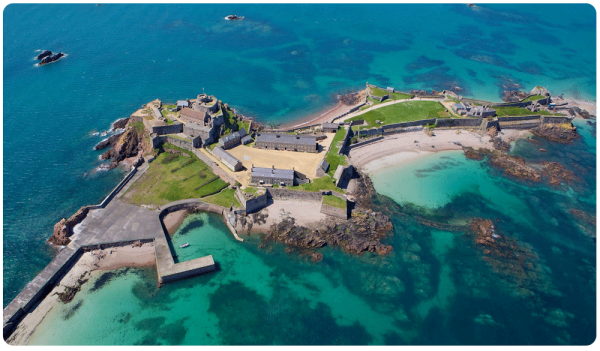 ... and a 2023 view from a drone


Panoramic views from Google
Google's Street View car did not make it out to the castle when it visited in 2010, but there are a number of panoramic views by local photographers
- David Hirst 2019
- The approach: Entropy Endeavor, 2018
- View from the main gate: Simon Hartshorne, 2016
- Looking down: David Hirst, 2019
- Parade ground: Gary Belot, 2017
- View from the Hermitage: Gary Palmer 2022
- All-round view: David Hirst, 2019
- Inside: Simon Hartshorne, 2016
- All round: Justin Clapham, 2021
Art collection
The castle is home to a small selection of paintings from the Jersey Heritage collection, featured in the Your Paintings project.
Click on any image to see a full-size version
-
 Lt-Col J K Pipon; John Breden
 -
 Militia officer, 1840
 -
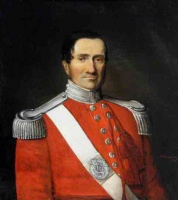 Militia officer, 1840
 -
 Catherine de Rullecourt, 1779; Momier
 -
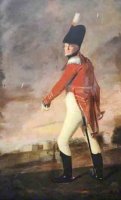 General Don; George Watson


Picture gallery

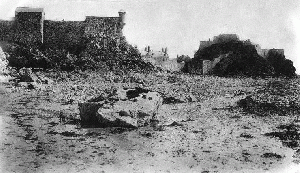
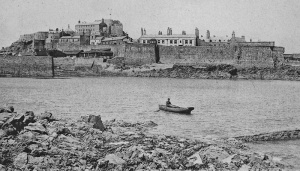
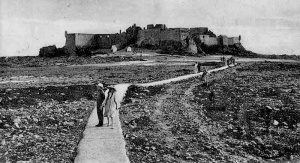
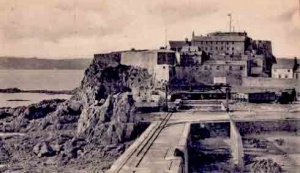
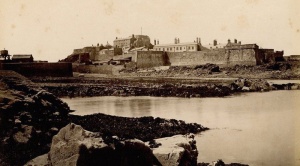
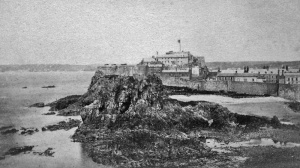
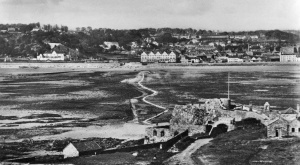
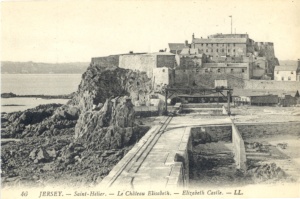
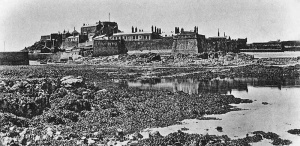
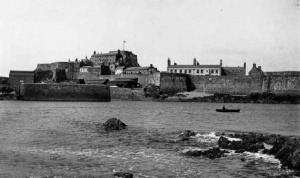
These two photographs were taken around 1872, when work was under way to construct a new and massive harbour for St Helier. One arm was built out from Elizabeth Castle, bridging the gap to the Hermitage Rock and then heading out to sea. That was completed. The other arm, from La Collette, was repeatedly damaged by winter storms before much progress could be made and the whole project was abandoned. These picture were taken while work was under way outside the castle and show temporary buildings which were part of the construction site. In the foreground on the left is a large basin which was probably the inner section of the castle's harbour, little of which now remains. It appears that a retaining wall was built to keep the tide out and the whole area was soon filled in, as shown on the right, to create an open space where the giant blocks which would be used to build the breakwater could be constructed and stored


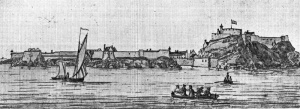
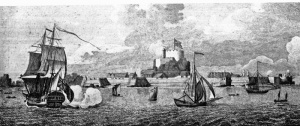
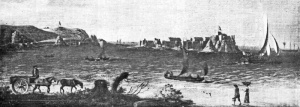
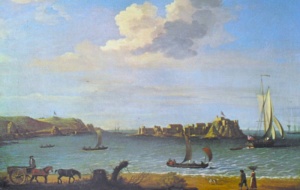
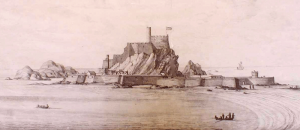
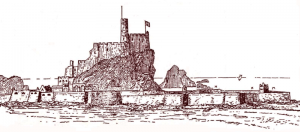
And a collection of artists' impressions from previous centuries
-
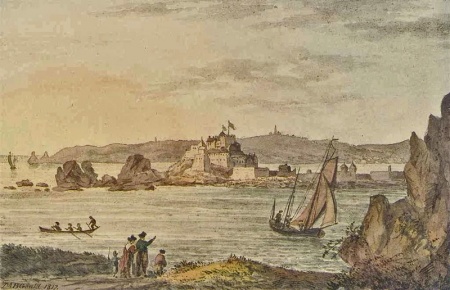 1817, D A B Gould
 -
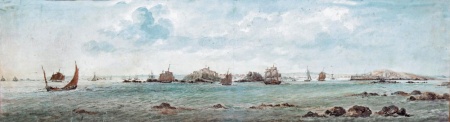 Charles Gore
 -
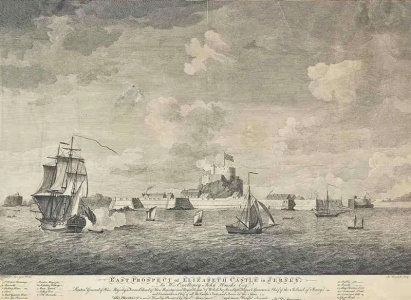 John Boydell
 -
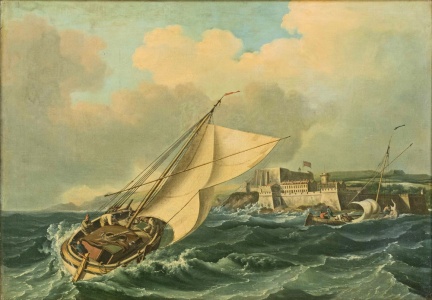 John Thomas Serres
 -
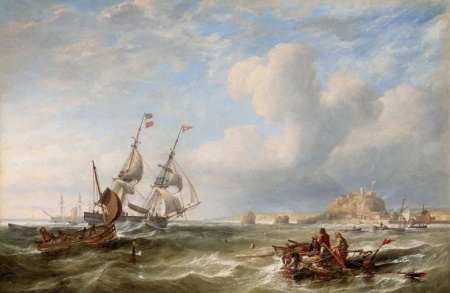 John Wilson Carmichael
 -
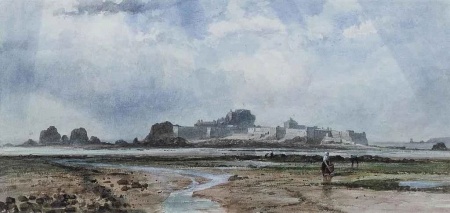 Richard Beavis


Click on any image to see a larger version Three official drawings from 1755 showing sections across the castle


-
-
-
-
-
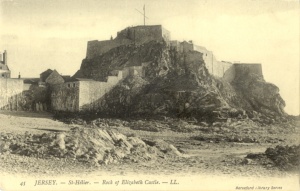
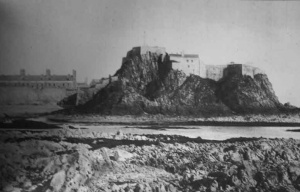 The back of the castle
 -
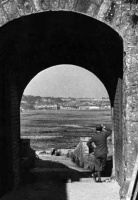 View from the castle towards West Park
 -
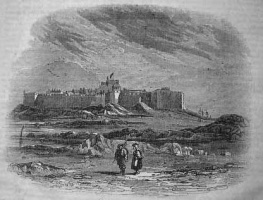 An etching of the castle from the Penny Magazine in 1836
 -
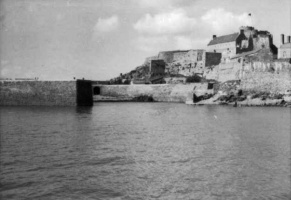 The castle's small harbour from the sea
 -
-
-
-
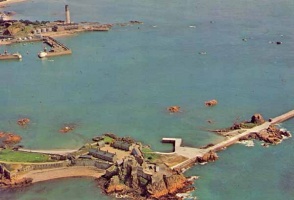
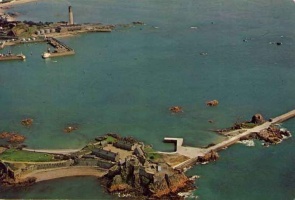 The castle's small jetty, one of the island's earliest, shows clearly in this aerial picture
 -
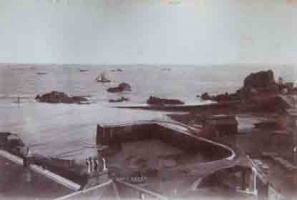 19th century
 -
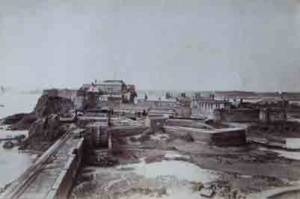 19th century
 -
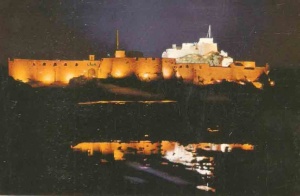 The castle floodlit
 -
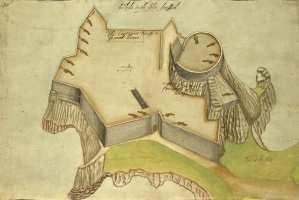 1594 plan


-
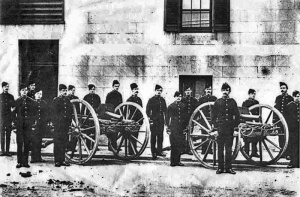 The castle garrison in the 1890s
 -
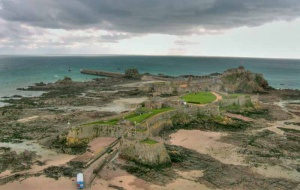 A recent picture taken from a kite
 -
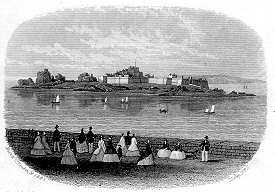 The castle in 1865
 -
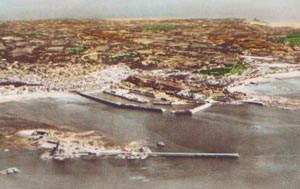 The castle from the air
 -
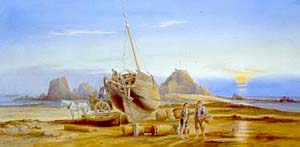 An 1863 painting of the castle by Draper
 -
 Laying the foundation stone for the breakwater in 1872
 -
 The castle viewed from Westmount
 -
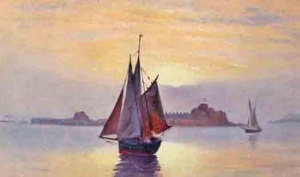 The castle in 1905
 -
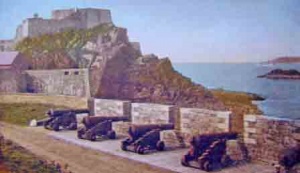 Inside the castle
 -
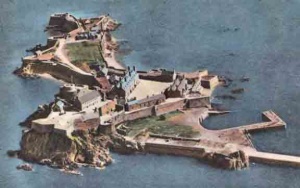 The castle from the air
 -
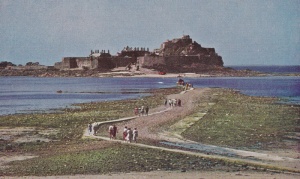
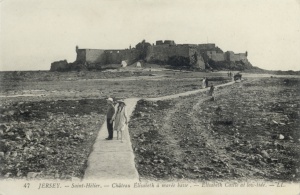
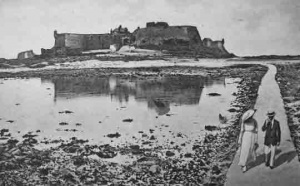 The causeway connects the castle to the St Helier shore at low tide
 -
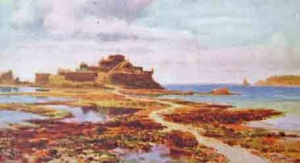 A painting of the castle by Wimbush
 -
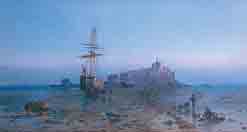 An oil painting of the castle
 -
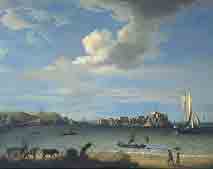 A painting by an unknown artist
 -
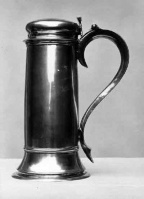 A flagon once used at the castle
 -
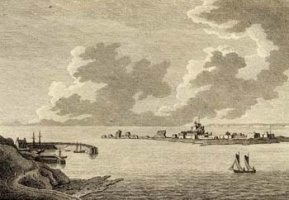 The castle in 1778
 -
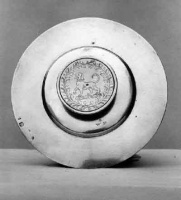 A communion plate given to the castle by Sir Thomas Jermyn in 1641
 -
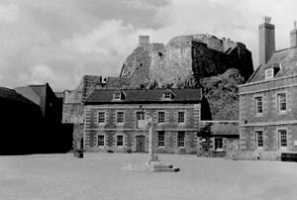 A photograph by Emile Guiton
 -
-


-
-
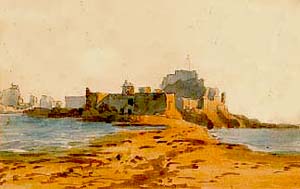 A painting by Philip Ouless
 -
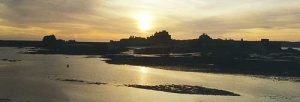 The castle at sunset
 -
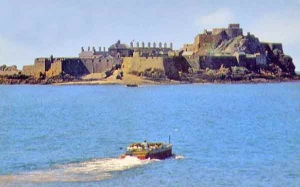
 A DUKW amphibious vehicle provides access to the castle at high tide
 -
-
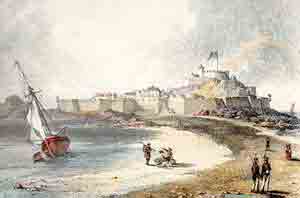 Another painting of the castle
 -
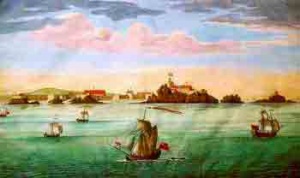 The castle in 1731
 -
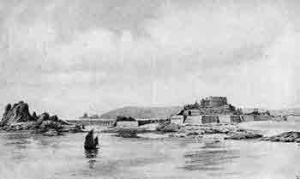
-
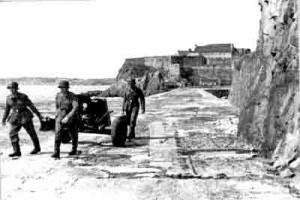 Germans manoeuvre a gun on the castle during the Occupation
 -
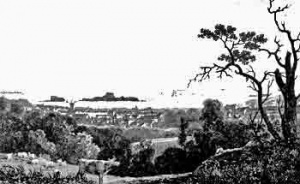 The castle viewed from the shore
 -
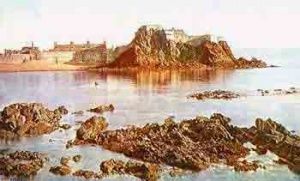
-
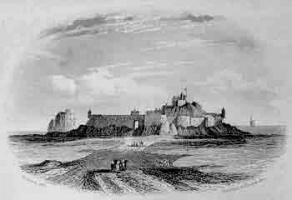 An 1852 Ouless drawing
 -
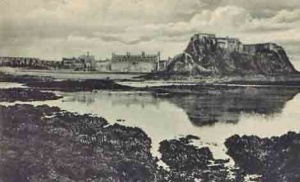
-
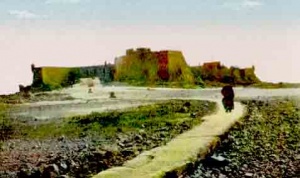 The causeway
 -
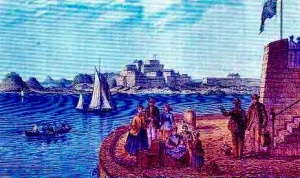 A view of the castle from the pierheads
 -
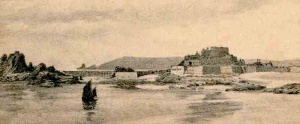 A drawing of the castle
 -
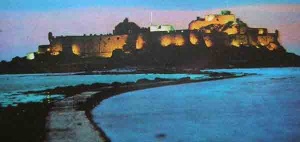 The castle floodlit
 -
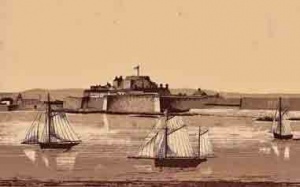 Sailing vessels pass the castle after leaving St Helier Harbour
 -
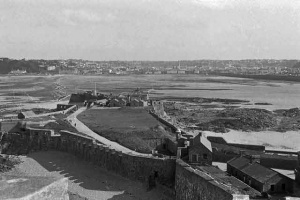
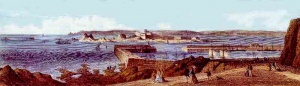 The castle viewed from Fort Regent with St Helier Harbour in the foreground
 -
-
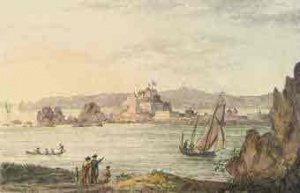 An early 19th century painting by D A B Gould
 -
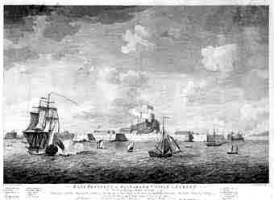 The castle by Boydell
 -
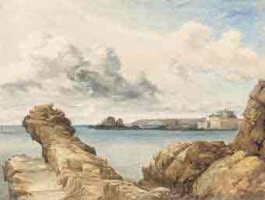 By James Bridges
 -
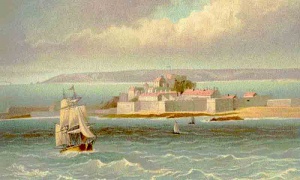
-
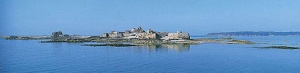
-
-
-
-
-
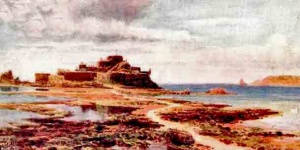 A 1906 picture
 -
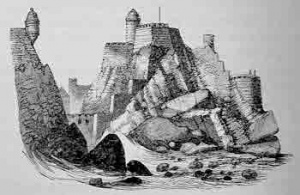 An 1858 impression of the castle by C Walter Cooper
 -
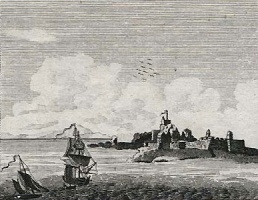 1800
1800


-
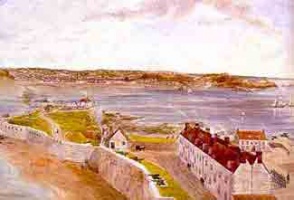 The castle in 1844
 -
-
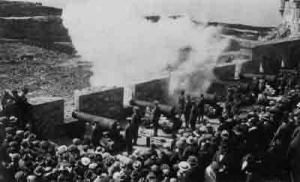
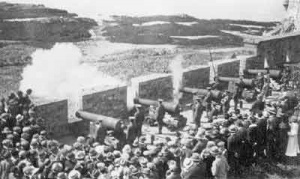 Cannons fire to celebrate the transfer of ownership to the States in 1923
 -
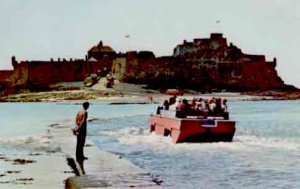 A DUKW amphibious craft in 1978
 -
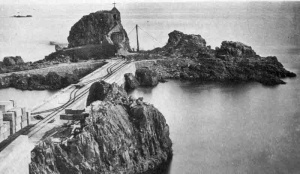 The Hermitage in 1872
 -
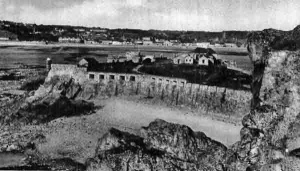
-
-
-
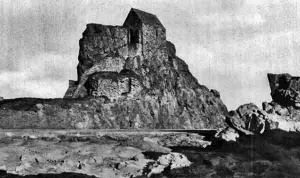
-
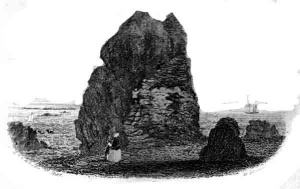
-
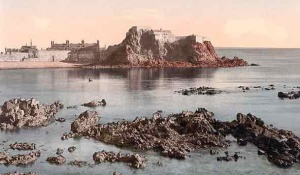
-
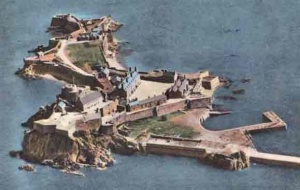
-
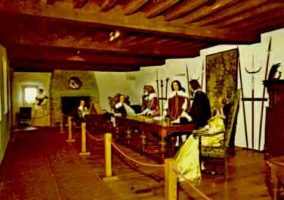 A tableau inside the castle
 -
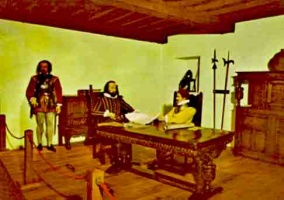 A second tableau
 -
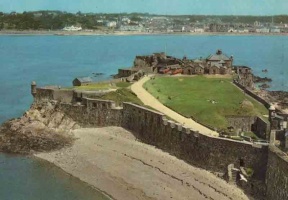 Looking from the castle towards St Helier's Esplanade
 -
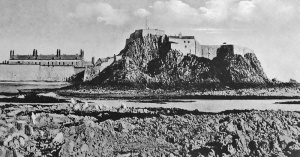
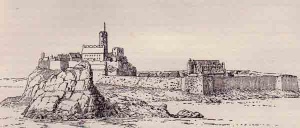 The castle from the east
 -
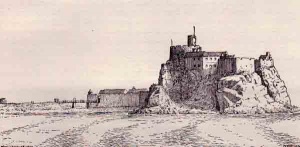 The castle from the west
 -
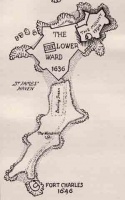 A plan of the castle in 1650
 -
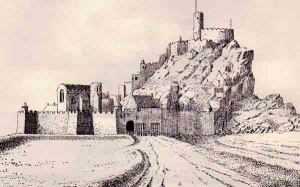 The Hermitage from the north
 -
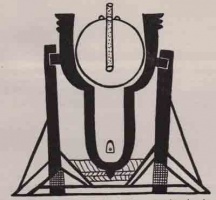 An early mortar weapon
 -
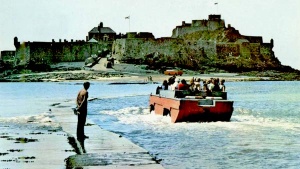 An amphibious DUKW carrying passengers to the castle as the tide floods the causeway
 -
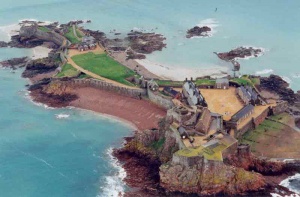 A recent view from the air
 -
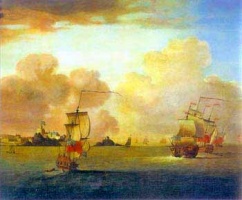 The castle in 1735
 -
-
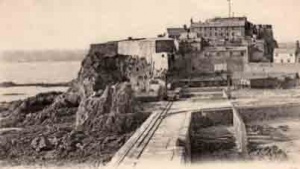 The jetty attached to the castle rocks which was to have been one arm of a giant St Helier harbour
 -
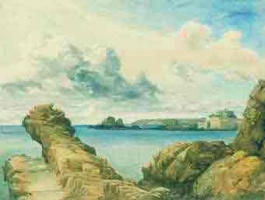 A painting by James Bridges
 -
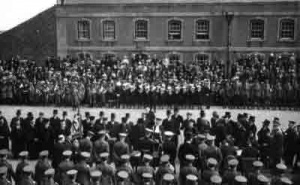 The handing of the castle keys to the States in 1923
 -
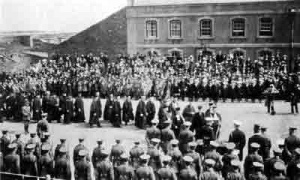 The handing of the castle keys to the States in 1923
 -
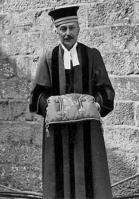 The Viscount, Edmund Nicolle, with the Castle keys
 -
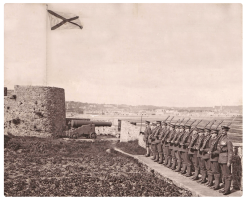 The handing of the castle keys to the States in 1923
 -
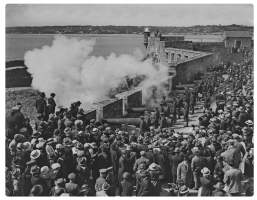 The handing of the castle keys to the States in 1923
 -
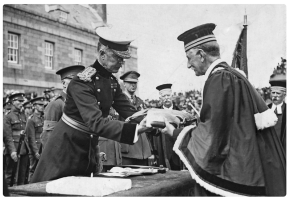 The handing of the castle keys to the States in 1923
 -
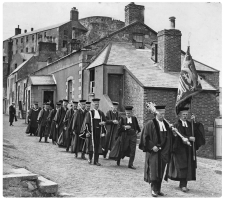 The handing of the castle keys to the States in 1923
 -
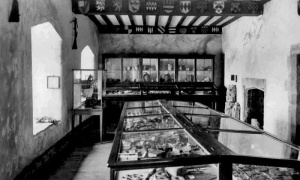 The castle museum
 -
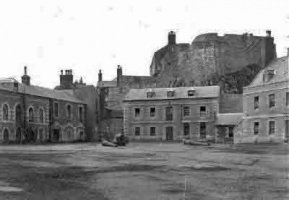 1922
1922 -
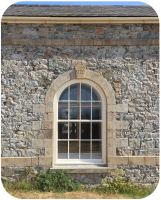 Royal Militia Island of Jersey museum


-
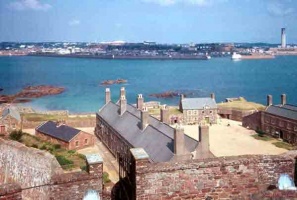 1973
1973 -
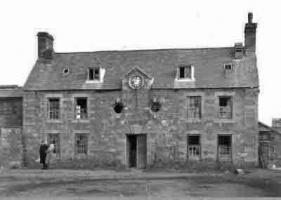 The Canteen in 1922
 -
-
-
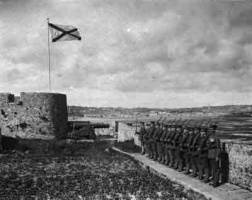 The castle is transferred to the States of Jersey in 1923
 -
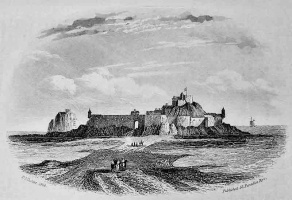 An Ouless etching from 1852
 -
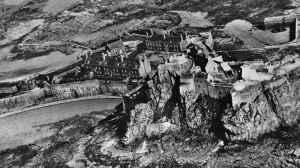
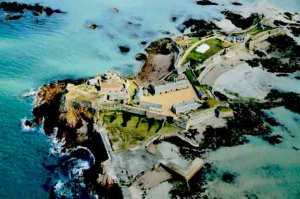 Aerial view
 -
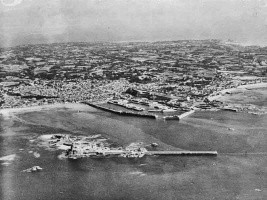 1933 aerial photograph
 -
Another aerial view
-
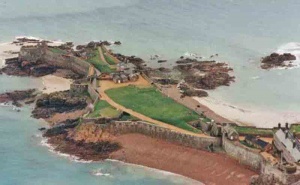 Another aerial view
 -
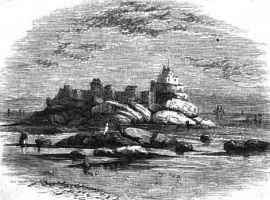 An 1856 etching
 -
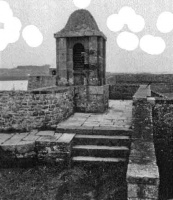 Details of castle buildings in 1922, the year before the UK Government transferred it to the States of Jersey
 -
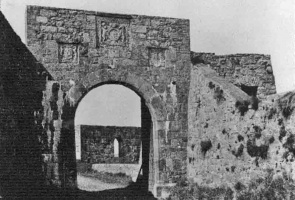 1922 details
 -
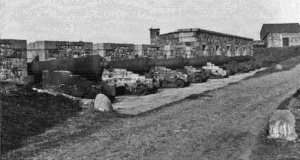 1922 details
 -
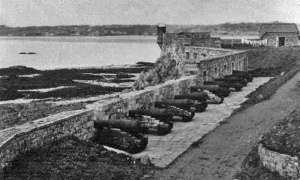 1922 details
 -
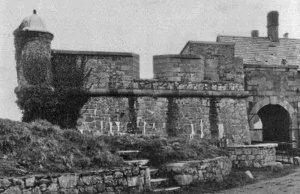 1922 details
 -
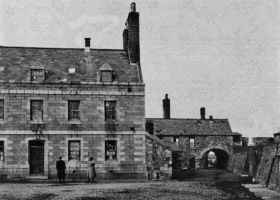 1922 details
 -
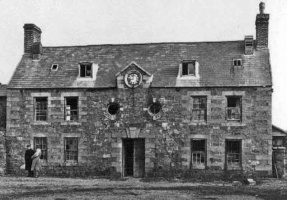 1922 details
 -
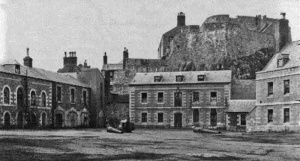 1922 details
 -
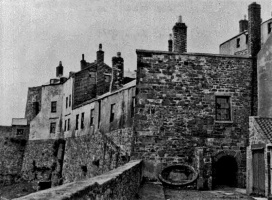 1922 details
 -
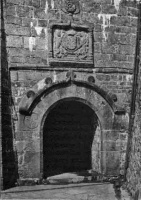 1922 details
 -
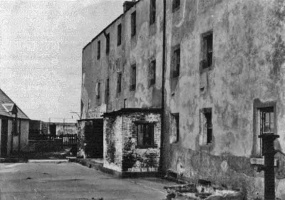 1922 details
 -
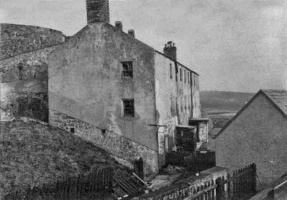 1922 details
 -
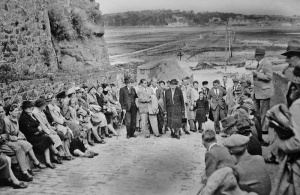 Norman Rybot addresses an outing to the castle by members of La Société Jersiaise in 1946


-
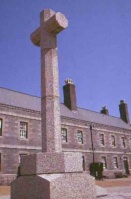 The Castle's cross
 -
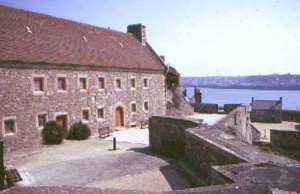 The Governor's House
 -
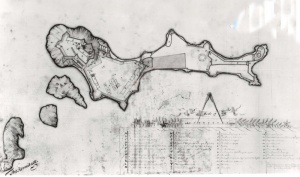
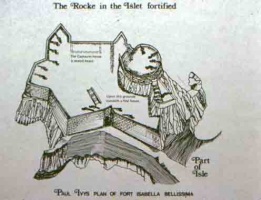 A 1594 plan by the castle's original designer Paul Ivy
 -
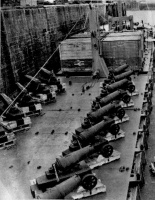 A shipment of cannons arrives for the Castle
 -
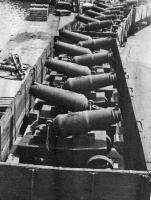 A shipment of cannons arrives for the Castle
 -
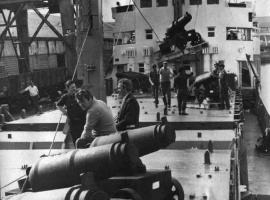 A shipment of cannons arrives for the Castle
 -
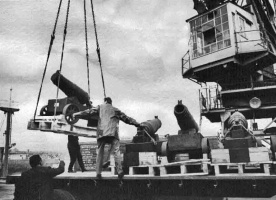 A shipment of cannons arrives for the Castle
 -
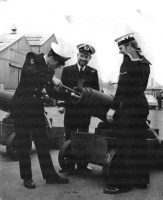 A cannon is loaded ...
 -
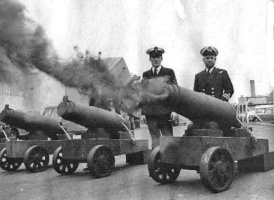 ... and the test firing succeeds
 -
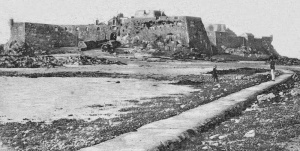 1903
1903 -
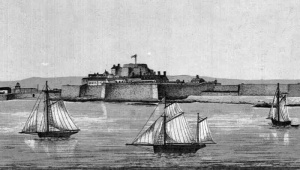 19th century drawing
 -
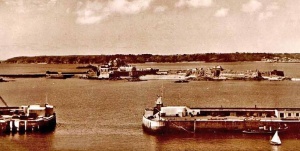
-
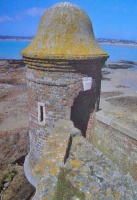 Sentry box
 -
-
-
-
-
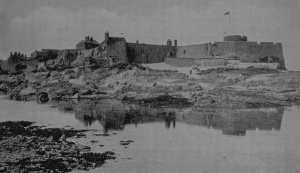
-
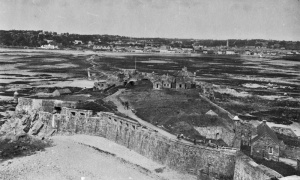
-
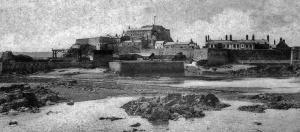
-
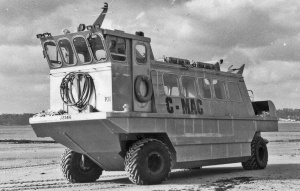 Amphibious vehicle at West Park
 -
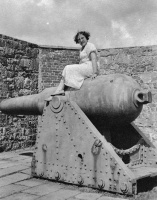 Castle cannon in 1934


-
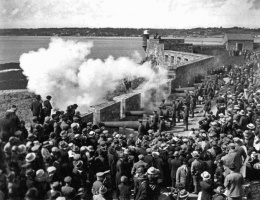 1923
1923 -
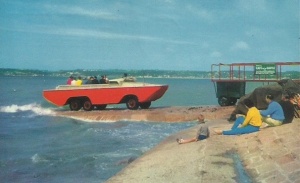 A DUKW operating between West Park and Elizabeth Castle
 -
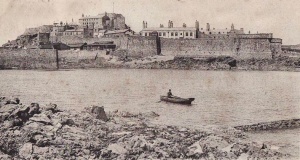 1907
1907 -
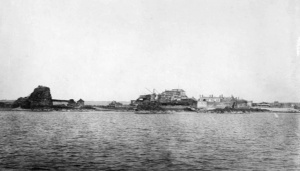
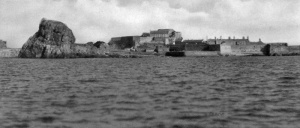 The castle from the sea
 -
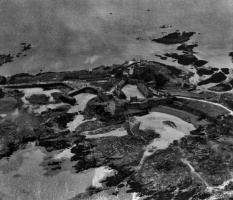 1951 aerial photograph by Aerofilms
 -
-
-
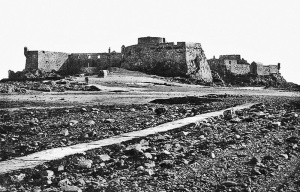
-
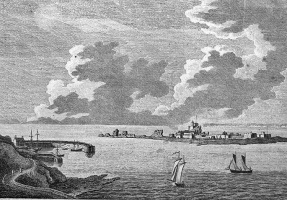 1786
1786 -
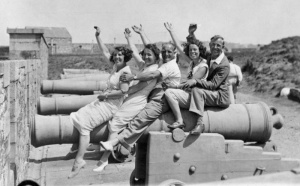 1930s
1930s -
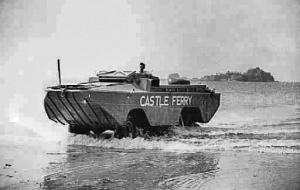
-
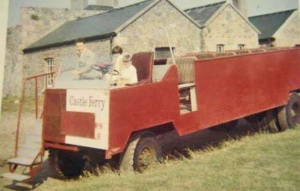 1968
1968 -
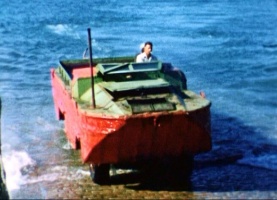 1955
1955 -
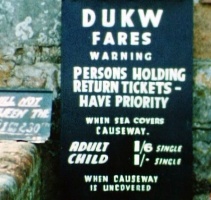 1955
1955 -
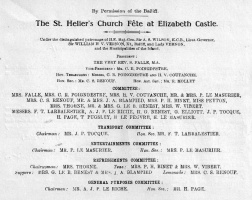
-
-
-
 1870
1870 -
-
-
-
-
-
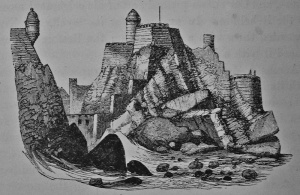 1858 drawing by Walter Dendy
 -
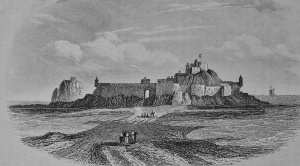 1852 by Philip Ouless
 -
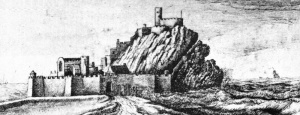 A 1651 drawing by Hollar
 -
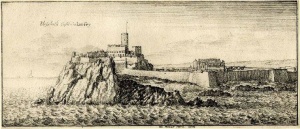 A 1651 drawing by Hollar
 -
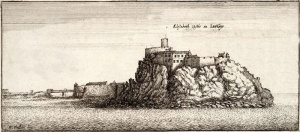 A 1651 drawing by Hollar
 -
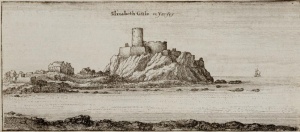 A 1651 drawing by Hollar
 -
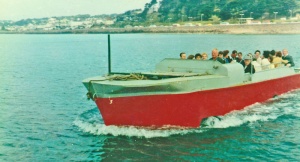 DUKW in 1969


-
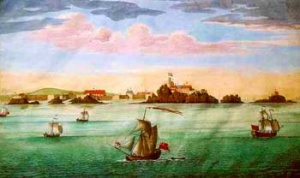 A 1731 painting of Elizabeth Castle
 -
A photograph of the courtyard at Elizabeth Castle by Emile Guiton
-
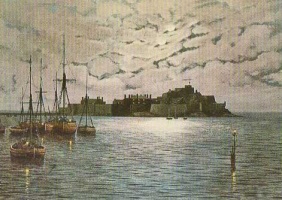 The castle by moonlight
 -
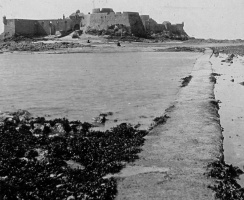 The causeway in 1910
 -
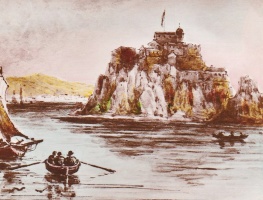 A Chings cigarette card view of the castle
 -
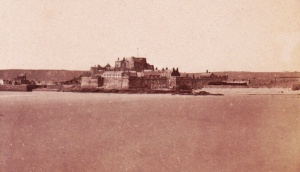
-
-
 1931
1931 -
-
 Philip Godfray photograph
 -
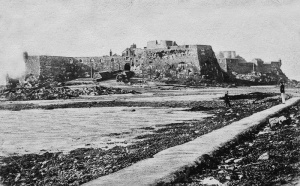 1903
1903 -
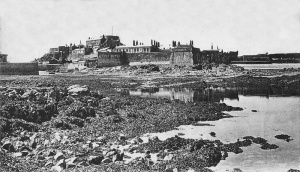 1905
1905 -
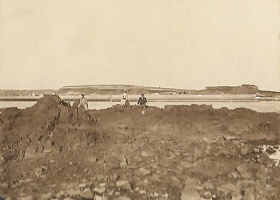 The Harbour and Fort Regent viewed from rocks below the castle
 -
-
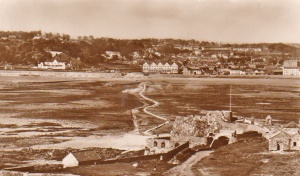 Looking down on the causeway to West Park
 -
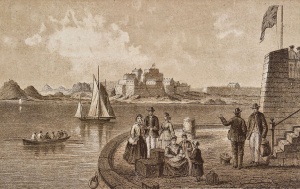 An 1875 print of a view of the Castle from St Helier Harbour ...
 -
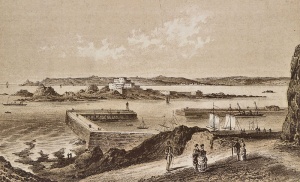 ... and another from the same publication
 -
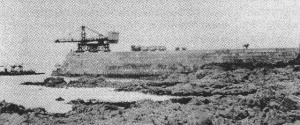 Construction of the breakwater using the crane Goliath
 -
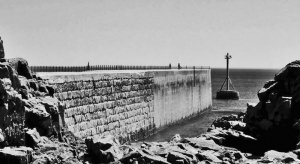 The breakwater from an unusual angle
 -
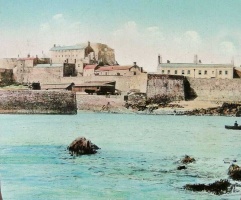 A tinted 19th century slide


-
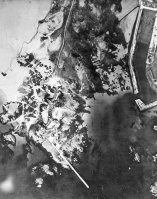 1944 aerial picture
 -
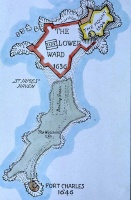 An early plan
 -
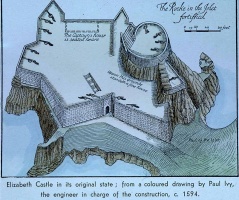 A drawing by Paul Ivy, the engineer in charge of the castle's construction
 -
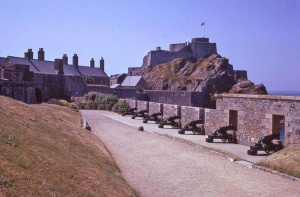 Cannons
 -
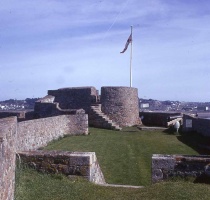 Fort Charles
 -
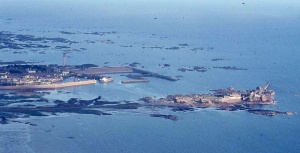 1977
1977 -
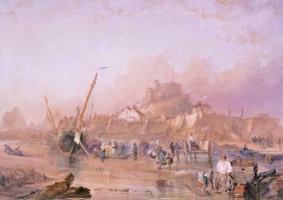 1834 painting by Samuel Austin
 -
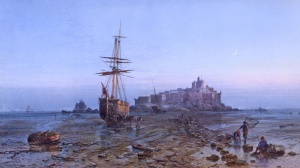 1878, by Samuel Philips Jackson
 -
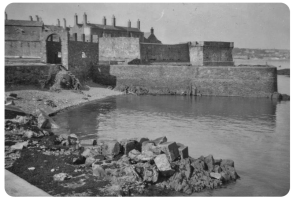 The little harbour in 1931
 -
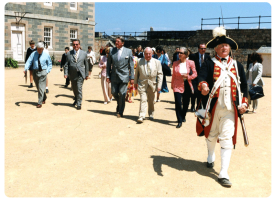 A Jersey Heritage official visit in 2000
 -
-
-
-
-
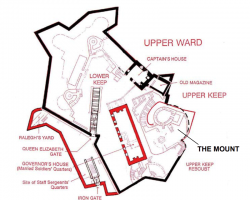
-
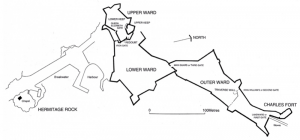
-
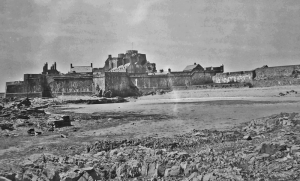 1950 holiday snap
 -
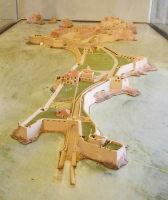 A 19th century model
 -
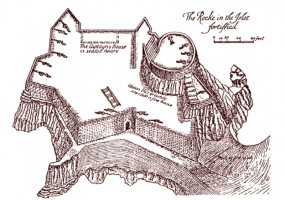 1594
1594


-
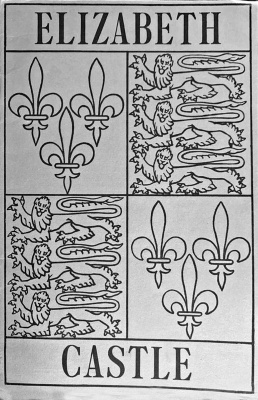 The cover and frontispiece of a guidebook first published in 1935 ...
 -
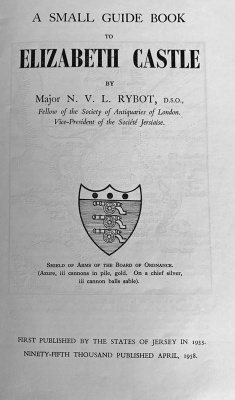 written by Major Norman Rybot it indicates the large numbers of visitors to the castle over the years


Handed back to the States in 1946
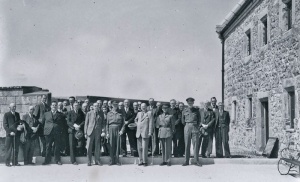
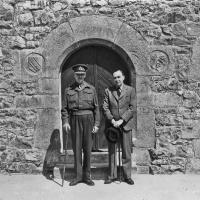
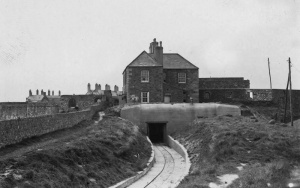
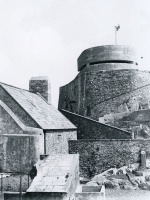
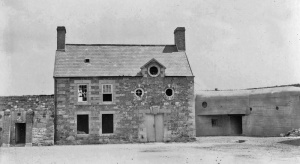
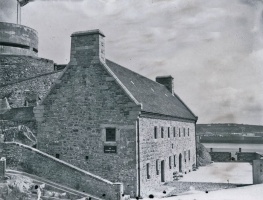
After the German Occupation and Liberation the castle was formally returned to the people of Jersey in a ceremony held in 1946, when the structures added by the occupying force also became apparent for the first time, as shown in these Evening Post photographs
-
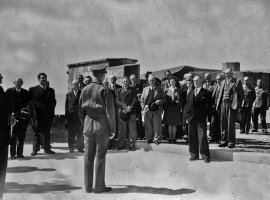
-
-
-
-
-
-
-
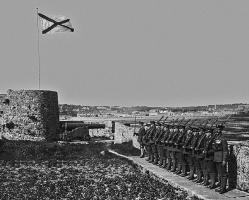 We are not sure if this photograph is associated with the handover


Early 1800s
Three sketches by artist Henry Irwin, dating, it is believed, to the first decade of the 19th century