Jersey Western Railway

Jersey Western Railway

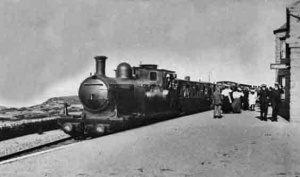
This picture, from an iconic postcard, shows a train arriving at St Aubin
An Act passed by the States in 1869 paved the way for the introduction of Jersey's first railway the following year, running a distance of approximately four miles from the Weighbridge terminus at St Helier to St Aubin


Standard gauge

The line was owned by the Jersey Railway Company and was standard gauge - 4ft 8½in. The first trial run was on 28 September 1870 and after Board of Trade approval had been received (although nominally self-governing, Jersey was still very much subject to English controls) the first passenger service operated on 25 October. The line was built on the shore line for its full length. There was no sea wall along the length of the bay at that time and the line was subject to erosion of the sandy soil beneath it during stormy weather. The last section of track from La Haule to St Aubin was carried on trestling at the top of the beach.
The company initially operated two 2-4-0 locomotives built by Sharp Stewart of Manchester and named 'Haro-Haro' and 'Duke of Normandy'. They were followed by another similar engine, 'General Don', and a smaller train, 'North Western', which was eventually sold to the Jersey Eastern Railway.
Public holiday
The official opening of the line was an occasion for great celebration and a public holiday was declared in St Helier and St Aubin to allow the people to view the ceremonies. In town a guard of honour was provided by the Town Battalion of the Militia, with the Queen's Colour and the town band, to welcome the Lieut-Governor, General Philip Guy, the Bailiff, Jean Hammond, the Dean, William Corbet Le Breton, and other dignitaries and invited guests, who left the terminus on the first four-carriage train, pulled by 'Haro-Haro' and 'Duke of Normandy' at 1 o'clock, accompanied by the band of the 15th Regiment.
The Royal Jersey Militia Artillery fired a 13-gun salute as the train pulled out of the station and it took 20 minutes for the 200 passengers to reach St Aubin with no stops en route. At the destination the Dean said prayers and extolled the virtues of steam power. The South West Regiment of the Militia was on parade to receive the distinguished passengers who were taken by horse and cart to Noirmont Manor for a grand lunch.
Meantime, large numbers of people travelled backwards and forwards between St Helier and St Aubin to view the wonderful decorations and triumphal arches erected to mark the occasion and enjoy the fireworks display at the end of a momentous day in Jersey's history.

Daily service
The railway then settled down to operate 15 return journeys on weekdays and ten on Sundays between the single-platform terminus at St Helier and the two-platform station, built to a similar design, at St Aubin.
Unfortunately the service was not a commercial success and was purchased from the debenture holders in 1883 by T Heyward Budd, for £23,500, who then sold it on at a profit to a new company, of which he remained chairman. It undertook to build an extension of the line to La Moye, but in 1884 there were concerns about the safety of sections of the existing track and the States of Jersey gave the company ten days to undertake repairs, under threat of closure. The States kept a tight rein on the railway's activities, controlling fares and resisting a merger with the Jersey Eastern Railway.
La Moye extension
The extension of the line to La Moye was built to narrow gauge (3ft 6in) and in due course the track between St Helier and St Aubin was re-laid to the same gauge. Two new locomotives, 'St Aubin' and 'St Helier' were purchased from Manning Wardle of Leeds in 1884, followed in 1893 and 1894 by 'Corbière' and 'St Brelade'. At the end of the century 'La Moye', a larger engine weighing 36½ tons to the 26 tons of the other four, was bought from Andrew Barclay. This locomotive is still working to this day in South Africa.
Failure to secure a merger with the Jersey Eastern or to obtain consent for an increase in fares (the limit on the original St Helier-St Aubin sector was 65% lower than that agreed for the La Moye service) led to further financial problems and the railway was only rescued from bankruptcy when it was purchased by a syndicate. On 18 January 1896 Jersey Railways and Tramways was registered, and under its general manager, W H Dickson, business began to improve.
St Aubin tunnel
A tunnel was created at St Aubin to improve the through route to La Moye and in 1898 an extension of the line to Corbière was completed. Trains running on this section carried thousands of tons of granite from La Moye quarries to St Aubin for export to England, where it was used for the construction of the Thames Embankment and Portland Breakwater. The contract was to supply over 75,000 tons of granite a year for three years.
By the early years of the 20th century the St Helier terminus had been extended to house four tracks covered by a double-span roof. Stations were in operation along the route to St Aubin at West Park, Bellozanne, First Tower, Millbrook, Bel Royal, Beaumont and La Haule, and at Pont Marquet, Don Bridge (serving golf courses at La Moye and Les Quennevais), Blanches Banques and La Moye on the way to Corbière. There was only a single track for the whole length of the line, but crossing loops were created at Millbrook, St Aubin and Don Bridge.


St Aubin also had a fine station, with four tracks, and a Station Hotel and carriage shed attached. The train followed one of the most scenic routes imaginable, passing along the coast of St Aubin's bay before meandering through unspoilt countryside in St Brelade. Many people in Jersey today regret that this service could not have survived but the arrival of motor buses in the early 'twenties brought about a decline in traffic from which the railways could not hope to survive.
Railcars introduced
To cut costs, traditional locomotives drawing open carriages were replaced with railcars, as many as four in service at one time. These were called 'Pioneer', 'Portelet', 'La Moye' and 'Normandie'. The company had intended to build a street tramway in St Helier, but this never got started and by 1922 Jersey Railways and Tramways introduced their own buses to connect with the railway line. Competition from Jersey Motor Transport, which began operations in 1923 led to its acquisition by the railway company five years later. Rail traffic had declined so dramatically that the line was closed from October to April, but before the company had the chance to settle down with the new pattern of services, fire swept through the St Aubin station and carriage shed on 18 October 1936, destroying all the rolling stock stored there over the winter.
The company decided to close down, the States agreed to purchase its properties, and the track was all removed. Today a beautifully maintained walk runs from St Aubin to Corbière where the trains once operated, and there is a wide pedestrian promenade from St Aubin to St Helier.
Histories
- A history published in Jersey Topic magazine in 1966
- A history of the railway from www.disused-stations.org.uk
The stations


Profiles of Jersey Western Railway stations from www.disused-stations.org.uk
- St Helier terminus
- West Park
- People's Park
- Bellozanne halt
- First Tower
- Millbrook halt
- Millbrook first location
- Millbrook moved seawards to make way for road widening
- Bel Royal first location
- Bel Royal moved to make way for road widening
- Bel Royal halt
- Beaumont
- Beaumont halt]
- La Haule
- St Aubin terminus
- St Aubin temporary terminus
- Greenville
- Pont Marquet
- Don Bridge
- Blanches Banques
- La Moye
- Quarries
- Corbiere
Gallery of Jersey Western Railway pictures

(click on thumbnail to view larger image)
-
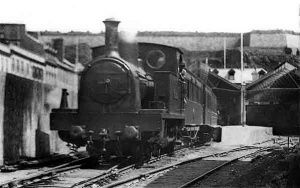 St Helier's leaves the terminus
 -
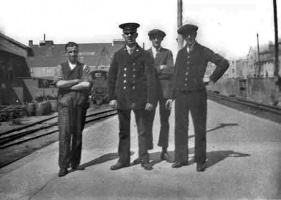 Staff at St Helier terminus
 -
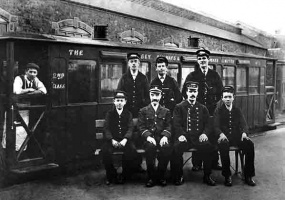 Staff at St Helier in the 1900s
 -
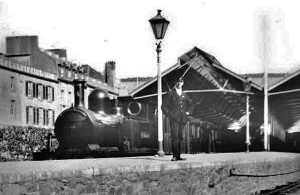 St Helier station
 -
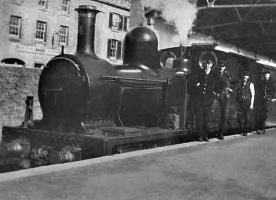 Staff at St Helier station
 -
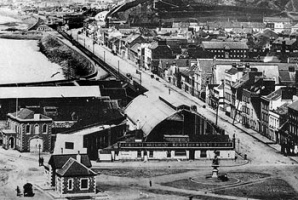 St Helier terminus station
 -
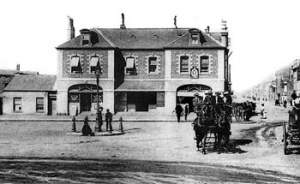 St Helier terminus in 1901
 -
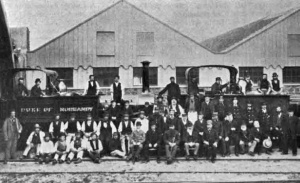 Two engines at the Weighbridge in 1883
 -
 'St Brelade' at the Weighbridge terminus
 -
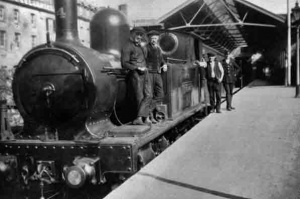 St Helier terminus
 -
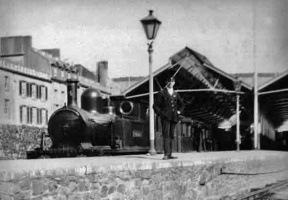 St Helier terminus
 -
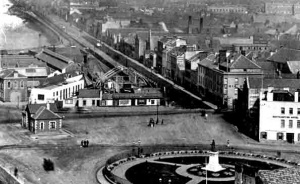 The roof of the St Helier terminus under construction
 -
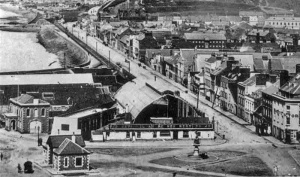 The finished terminus roof
 -
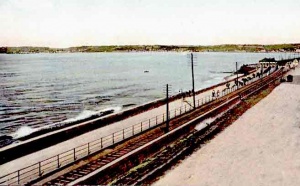 Pedestrian promenade, railway track and road share the Esplanade seafront
 -
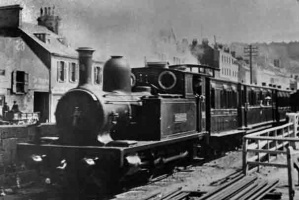 The Esplanade
 -
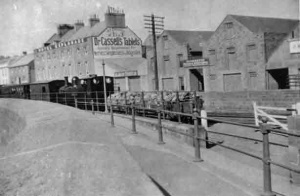 The Esplanade
 -
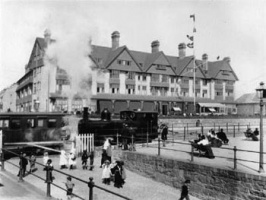 A train passes in front of the Grand Hotel at West Park
 -
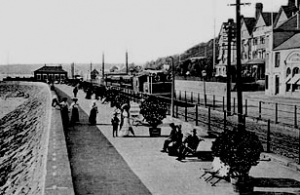 West Park
 -
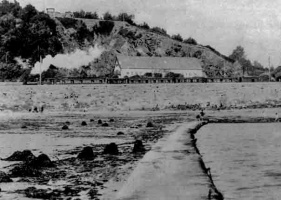 A train passes West Park Pavilion, the 'Tin Hut'
 -
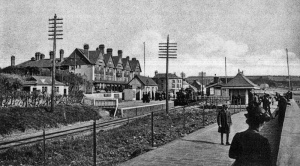 West Park station
 -
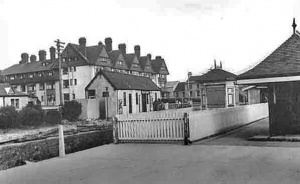 West Park station, the track removed
 -
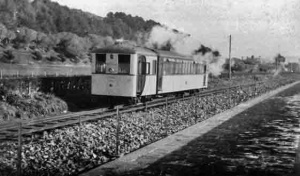 A railcar alongside Victoria Avenue
 -
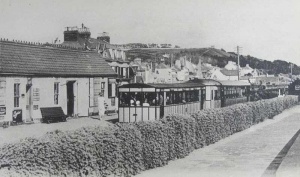 First Tower Station in the 1930s
 -
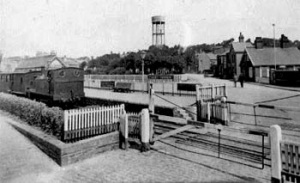 First Tower Station
 -
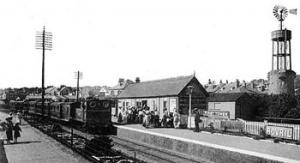 First Tower
 -
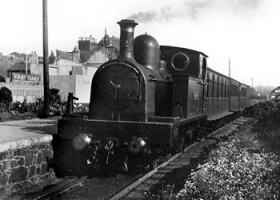 First Tower
 -
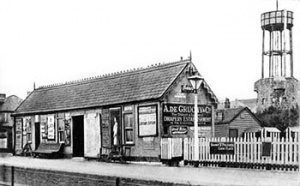 First Tower
 -
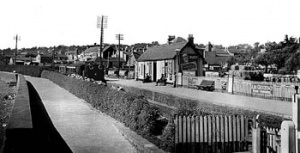 First Tower
 -
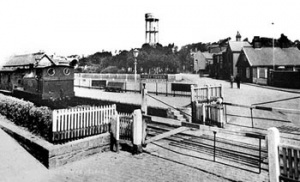 First Tower
 -
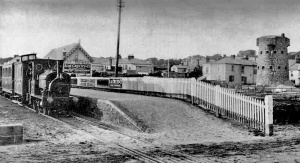 First Tower Station
 -
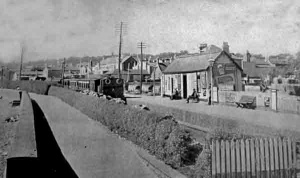 First Tower Station
 -
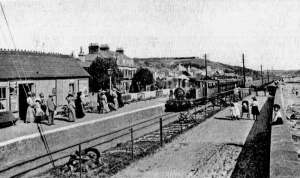 First Tower Station in about 1905
 -
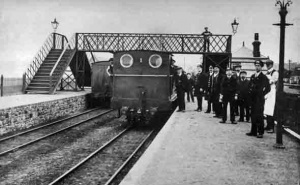 First Tower station
 -
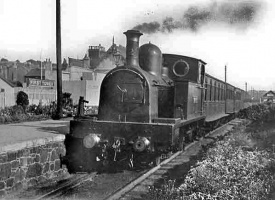 First Tower station in 1928
 -
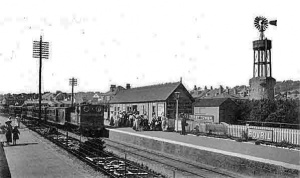 Flowers alongside the track show that this is First Tower
 -
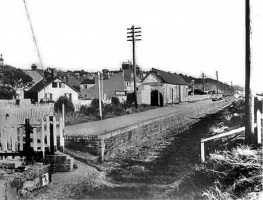 The track has gone at First Tower
 -
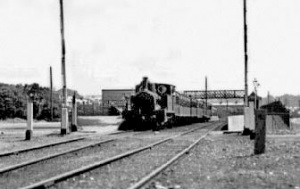 Millbrook Station
 -
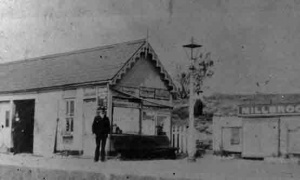 Millbrook Station
 -
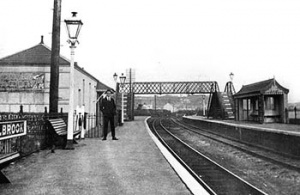 The second Millbrook station
 -
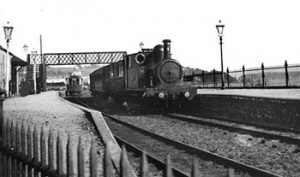 The second Millbrook station
 -
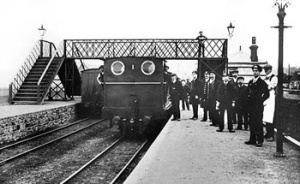 The second Millbrook station
 -
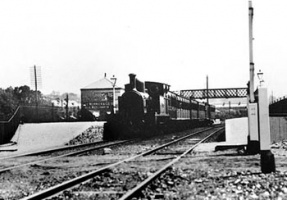 The second Millbrook station
 -
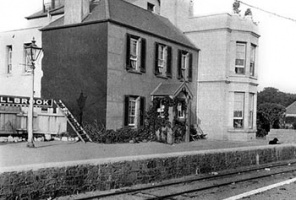 The first Millbrook station
 -
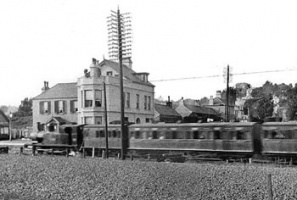 The first Millbrook station
 -
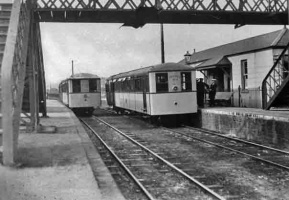 Railcars pass at Millbrook
 -
Millbrook station
-
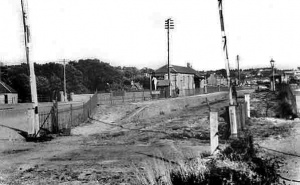 The track has gone from Millbrook
 -
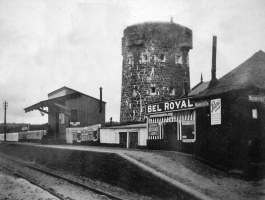 Bel Royal station. The coastal round tower was demolished by the Germans
 -
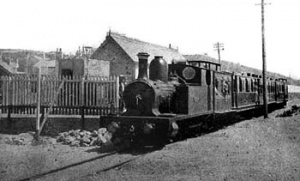 The first Bel Royal station
 -
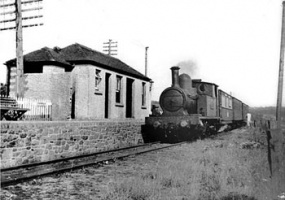 The second Bel Royal station
 -
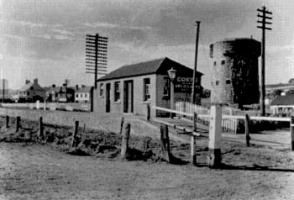 Bel Royal Station
 -
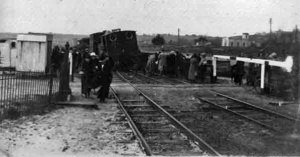 A derailment close to Bel Royal
 -
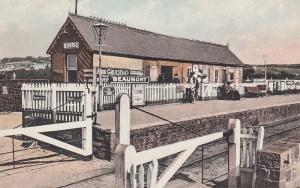 Beaumont Station
 -
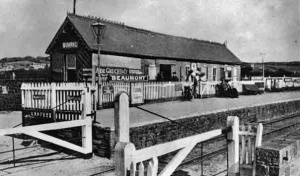 Beaumont station
 -
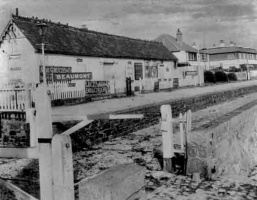 The disused Beaumont station after the line closed
 -
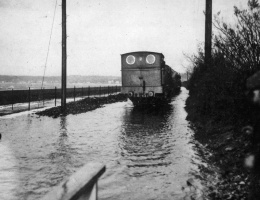 The south coast line flooded during stormy weather and high tides
 -
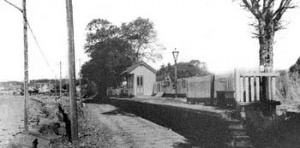 La Haule
 -
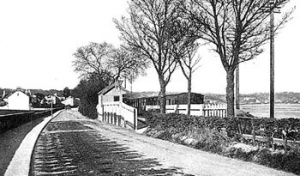 La Haule
 -
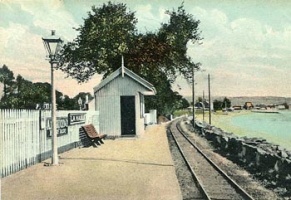 La Haule
 -
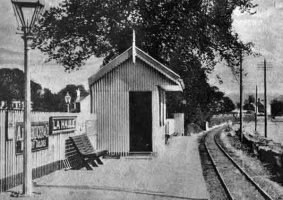 La Haule Station
 -
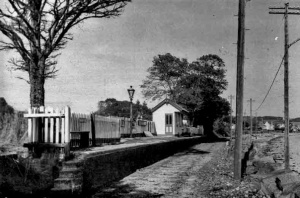 La Haule Station
 -
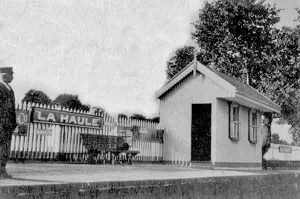 Another view of La Haule Station
 -
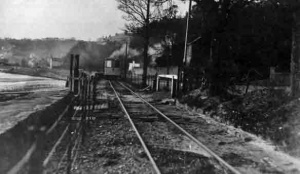 A railcar at La Haule
 -
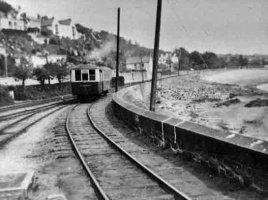 A railcar at La Haule
 -
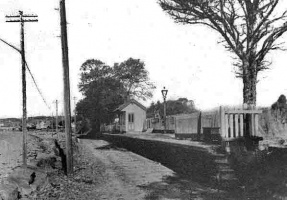 La Haule
 -
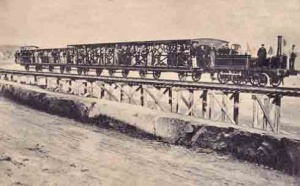 The first train on the St Aubin route crossing the La Haule sands on rails laid on trestles
 -
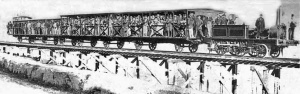 A trial run train pauses on the La Haule trestles for an official photograph
 -
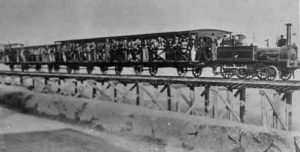 The track crossed the beach at La Haule on trestles
 -
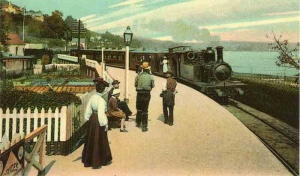 A train approaching St Aubin
 -
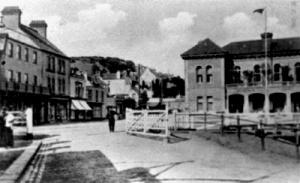 The level crossing at St Aubin
 -
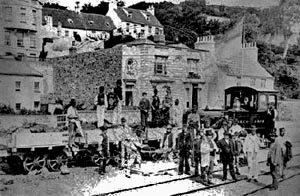 Converting the track to narrow gauge at St Aubin
 -
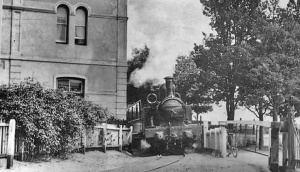 A train rounds the St Aubin terminus heading for Corbiere
 -
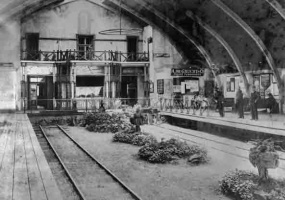 St Aubin Terminus
 -
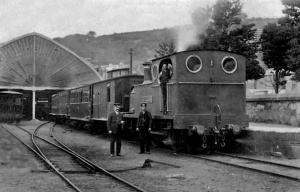 St Aubin Terminus
 -
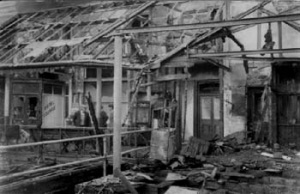 The aftermath of the St Aubin fire
 -
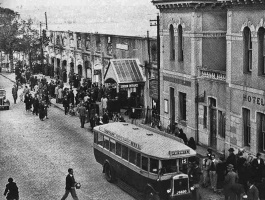 After the fire
 -
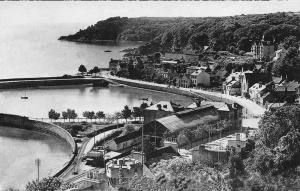 St Aubin in 1905
 -
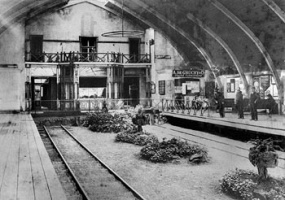 St Aubin
 -
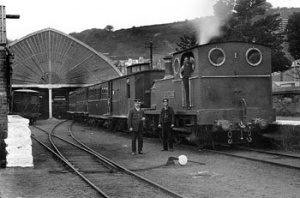 St Aubin
 -
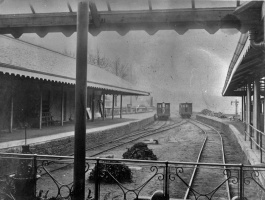 St Aubin
 -
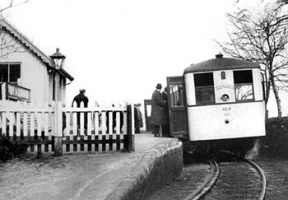 St Aubin
 -
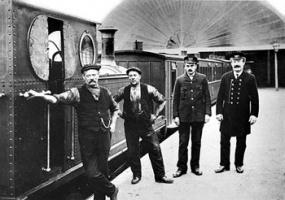 St Aubin
 -
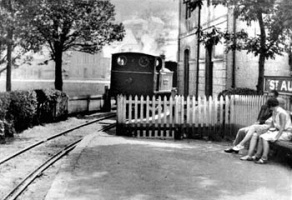 St Aubin
 -
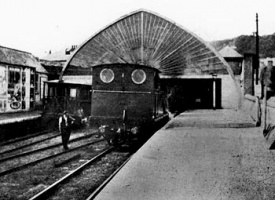 St Aubin
 -
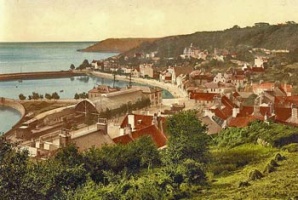 St Aubin
 -
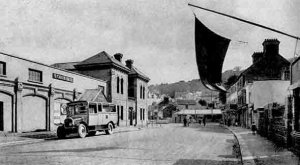 A bus outside the St Aubin terminus, competing for business
 -
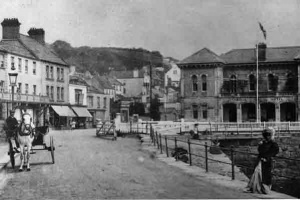 A carriage at St Aubin
 -
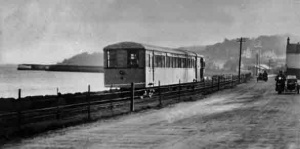 A railcar at St Aubin
 -
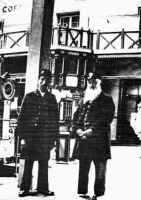 Staff at St Aubin Station
 -
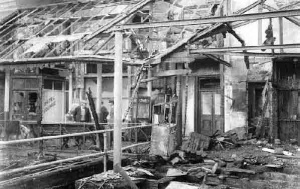 After the fire at St Aubin
 -
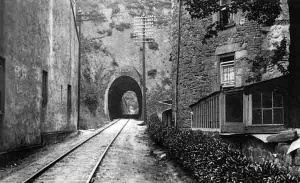 The tunnel on the line from St Aubin to Corbiere
 -
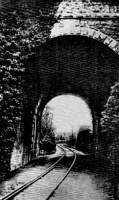 The bridge at Mont les Vaux
 -
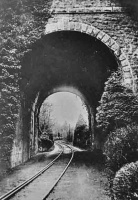 The bridge at Mont les Vaux
 -
 At Pont Marquet
 -
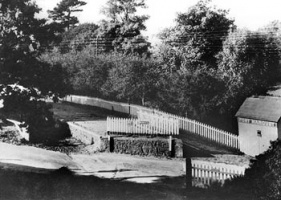 Pont Marquet
 -
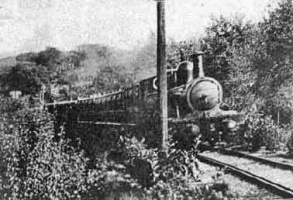 The engine Corbiere at Pont Marquet
 -
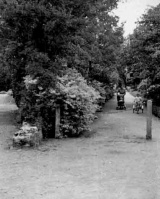 The track has been removed
 -
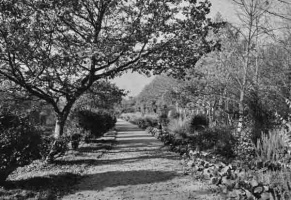 The track has gone and a lovely railway walk remains
 -
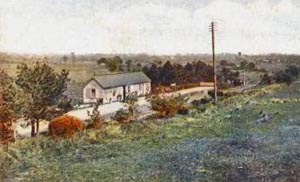 Don Bridge Station
 -
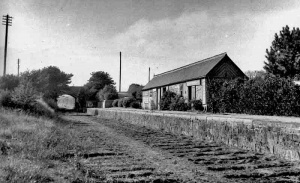 Don Bridge Station
 -
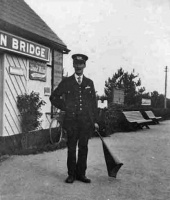 The station master at Don Bridge
 -
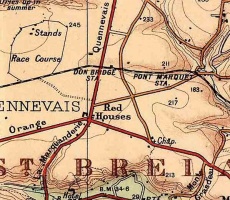 Don Bridge on the Ordnance Survey map
 -
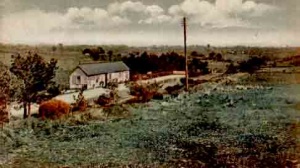 Don Bridge
 -
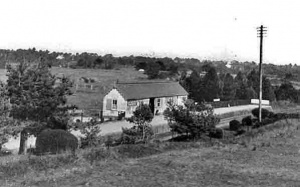 Don Bridge
 -
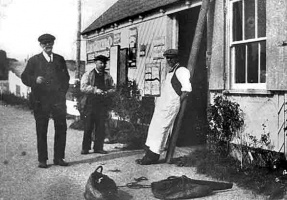 Don Bridge
 -
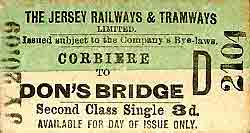 A Jersey Western Railway ticket
 -
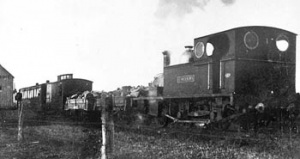 La Moye Station
 -
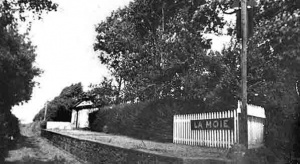 Track removed at La Moye
 -
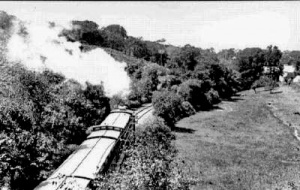 Passing through lovely countryside on the Corbière line
 -
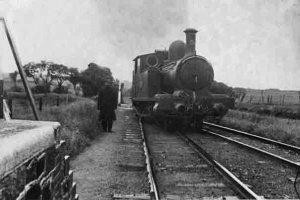 Approaching Corbiere
 -
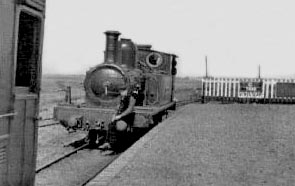 'St Brelade' at Corbière
 -
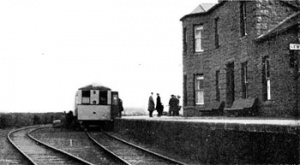 Corbiere
 -
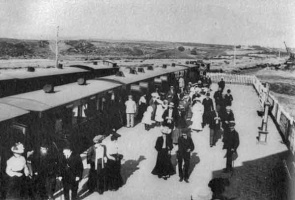 Corbiere Station
 -
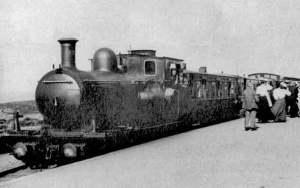 The engine La Moye at Corbiere
 -
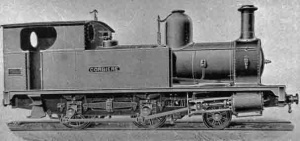 Corbiere station
 -
 Corbiere station
 -
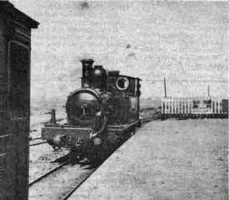
-
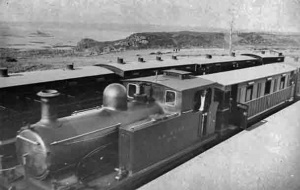 Locomotive La Moye at Corbiere
 -
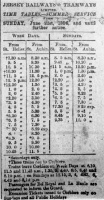 A summer timetable from 1896
 -
 Duke of Normandy
 -
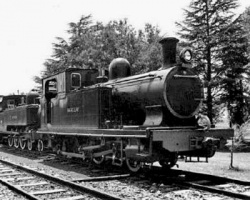 The largest engine used on the line, 'La Moye'
 -
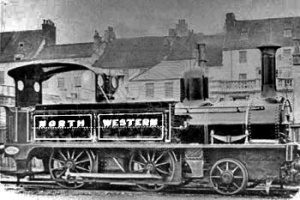 'North Western', used by the Jersey Eastern Railway as well
 -
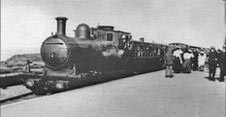 'La Moye'
 -
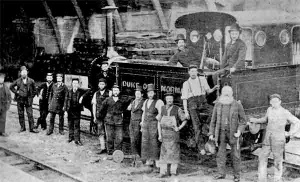 Duke of Normandy
 -
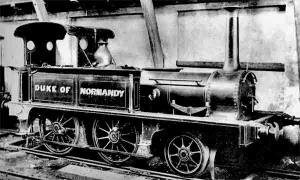 Duke of Normandy
 -
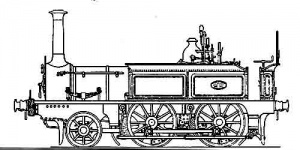 Haro Haro
 -
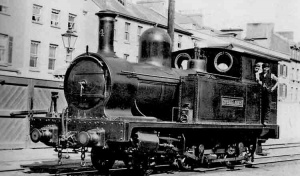 St Brelade's
 -
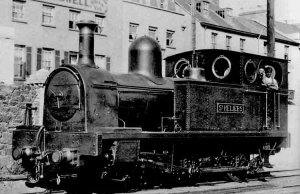 St Helier's
 -
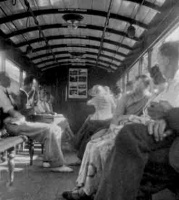 Inside a carriage
 -
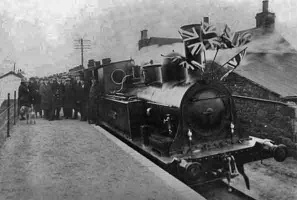 A day for celebration
 -
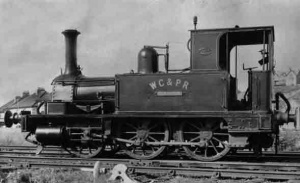 Clevedon before its name changed
 -
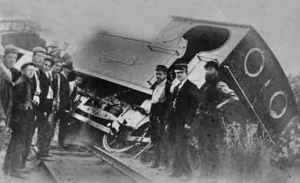 Another derailment
 -
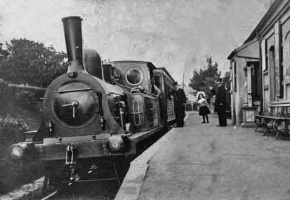 Passing through a station
 -
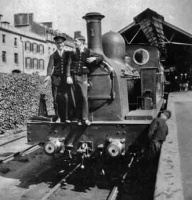 Posing on the 'footplate'
 -
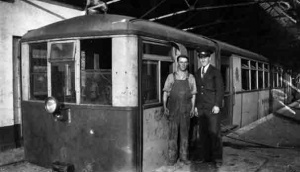 A Jersey Western Railway railcar
 -
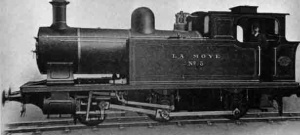 La Moye
 -
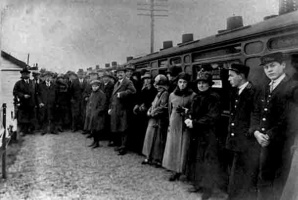 Passengers had to wrap up in warm clothing because the carriages were not heated
 -
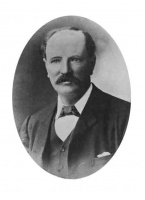 W H Dickson
 -
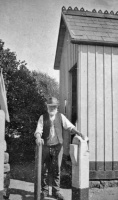 Edouard Hamon, who was Bel Royal Stationmaster and then crossing keeper on the La Pulente road when he was semi-retired
 -
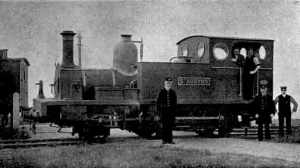 Locomotive St Aubyns
 -
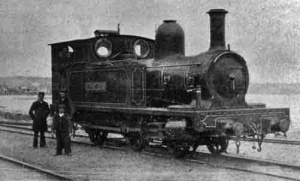 Locomotive St Brelades
 -
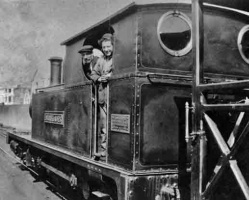 Locomotive St Brelades
 -
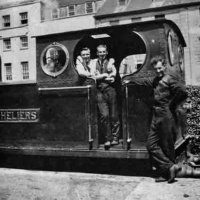 Locomotive St Heliers


.jpg)


.jpg)


.jpg)