Rozel
On the coast
|
 Rozel
  to view the location in Google Street View
|


Origin of name
Rozel Bay was named after Rosel Manor, not the other way round. Rosel is the old French form of roseau, a reed. As George Balleine recorded in his Bailiwick of Jersey, the reeds in question grew in France, not Jersey.
- "In Normandy, almost opposite Jersey, stands the Castle of Rosel, whose seigneurs had three reeds as their arms. One of them invaded England with the Conqueror and founded the famous family of Russell. In early Norman days these seigneurs held three fiefs in the islands, two in Guernsey, both called Rosel, and Rozel in Jersey. But the first seigneur of Rozel whose name has come down to us was Ingram de Fourneaux, who, like most of the Norman Barons, when John was expelled from Normandy, sided with the French King and so lost his Jersey estates."
Balleine did not adhere to the convention which is still observed today (although not universally) of spelling the fief and manor Rosel, and the bay and surrounding area Rozel. A postcard exists on which the bay is described as 'Royal Bay' but this is a typographical error and the area has never had this name.
Early records
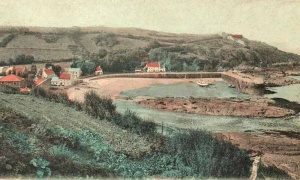
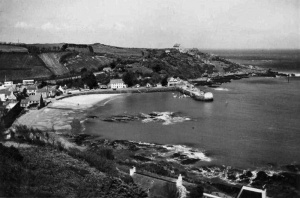
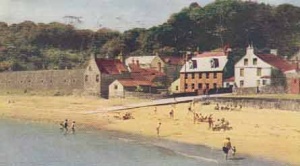
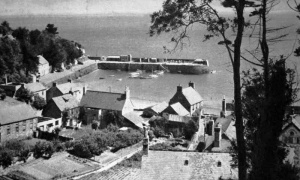
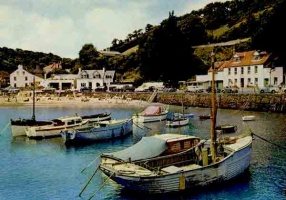
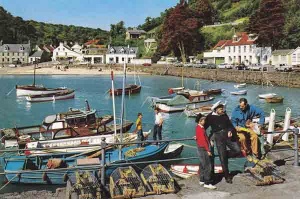
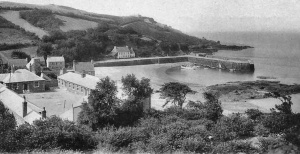
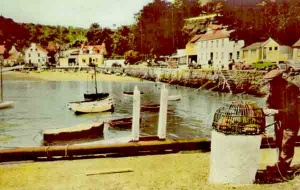
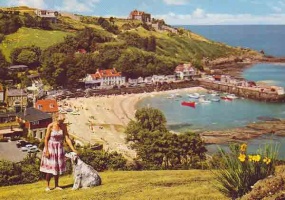
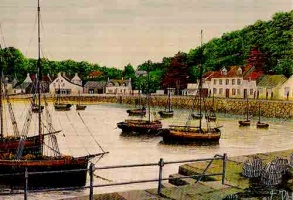
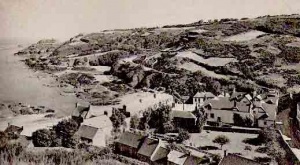
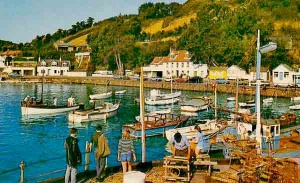
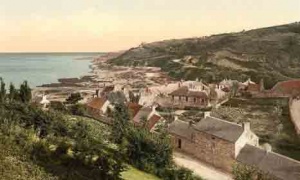
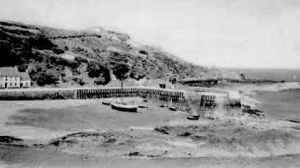
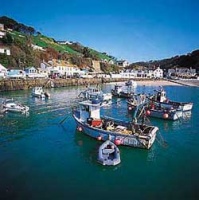
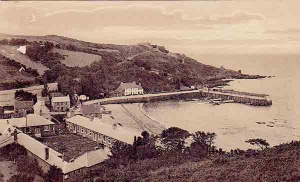
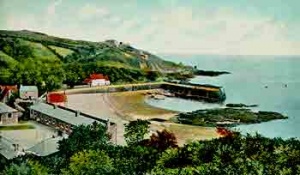
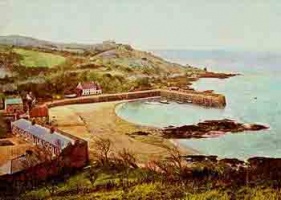
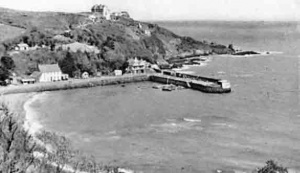
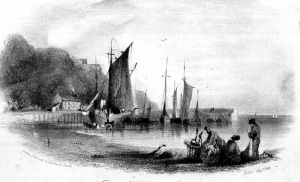
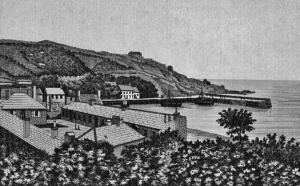
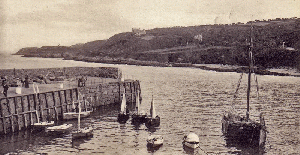
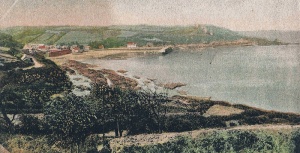
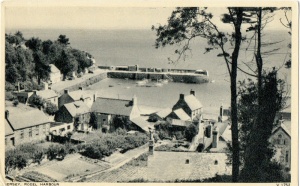
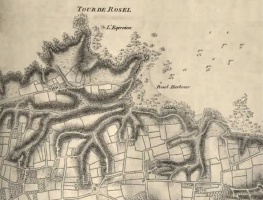
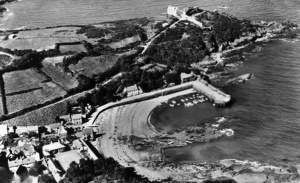
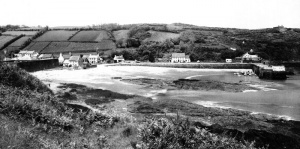
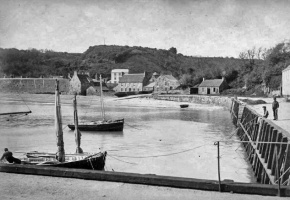
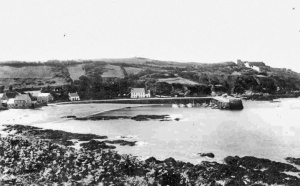
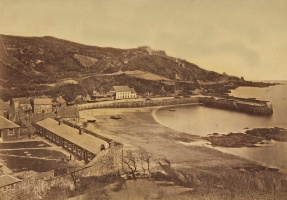
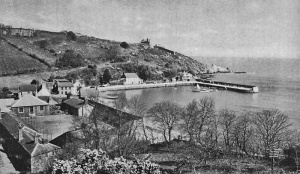
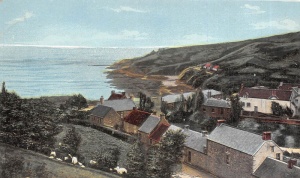
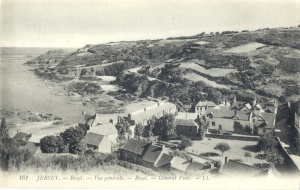
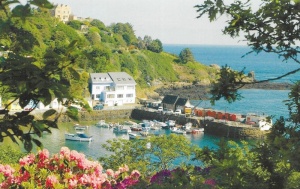
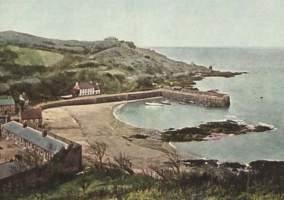
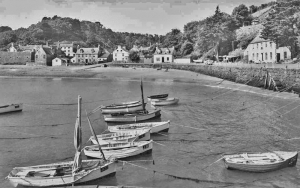
Rozel is a picturesque cove on the north coast of Jersey whose pier today provides facilities and protection for a variety of leisure craft and small fishing boats.
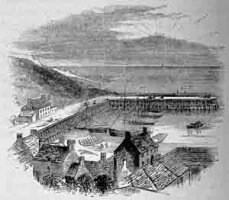
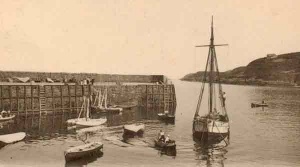
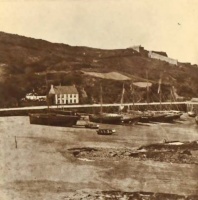
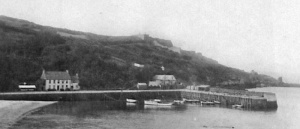
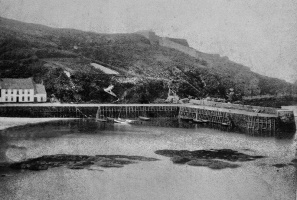
Although the jetty was not built until 1829, Rozel was a harbour as early as the 13th century, providing a natural and safe anchorage from all but severe northerly storms.
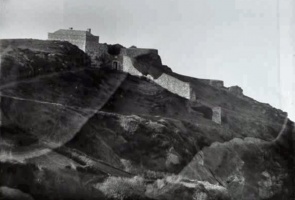
George Balleine is very dismissive of the importance of Rozel, preferring to concentrate on the historical sites of Le Couperon and Castel de Rozel on either side.
- "When we have said that the barracks were built in 1810 as part of the precautions against Napoleon, and the pier in 1829 to provide accommodation for oyster boats, nothing remains to tell."
The port
The port is mentioned in the Extente of 1274, and appears again in a 1 August 1620 record of the appointment of Nicholas Richardson to coillect the King's dues as supervisor of the havre.
Not only was Rozel a convenient landing place for vessels travelling to and from the south coast of England, but it was also close to the French coast. It was not mentioned as one of the island's safe anchorages in Col Legge's Accompt of 1680, but five years later Philippe Dumaresq mentions it in his Survey of the island:
- "About half a league to the north west of St Catherine there is a small creek called Rozel, where Islanders keep several boats, both for fishing and going to Ecreho, thereto to fetch seaweed as they burn and manure their land with."
He might also have mentioned one of the other reasons for travelling to the Les Ecréhous, which was to exchange contraband goods with French sailors coming out of the ports of Carteret and Portbail.

Invasion threat
Because it provided a good anchorage and landing place for islanders, Rozel was also viewed as a likely invasion point and the States began to fear that the French would attack from this direction in the 18th century. They first installed a cannon, followed by a guardhouse at Le Houguillon. From 1739 to 1780 there are references in the Acts of the States to improving the fortifications, and finally the barracks were built.
The harbour became very busy in the 1790s and after complaints from the Constables of St Martin and Trinity, whose parishes meet at Rozel, the States agreed to their placing a long chain to which boats could be secured. Some 30 years later the harbour was even busier with the overspill of oyster fishing boats which could not get into Gorey Harbour. Over the decade from 1810 to 1820 the number of boats using Rozel as their home port grew from six to 30.
Their owners were concerned about the dangers posed by rocks in the bay and in 1824 the States agreed to provide £1,000 for their removal.
This was still not enough for the boat owners who petitioned the States through the two parishes on 18 March 1826, to improve facilities further. Here was the first mention of an existing jetty of some description, but in need of repair and with dangerous rocks at its base. The Harbours Committee considered the petition six months later and agreed to spend £2,000 on improvements, but to wait until work on piers at Bouley Bay and La Rocque had been completed.
Acting with the lack of urgency which was typical of the times (and has been a feature of the States in more recent years) the committee did not report back to the States until 1829, when it was agreed to go ahead with the construction of a proper harbour. The contract was given to Philip Godfray, son of Edmund.
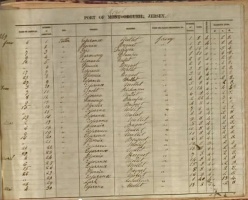
Although most of the work was completed quickly, improvements and adjustments were still being made in 1832, but by 1845 Rozel had become a busy port, and would remain so until the oyster fishery went into decline. The amount of activity at the port prompted the States to appoint a Harbourmaster for a three-year term, to collect dues and ensure that port regulations were adhered to. The first holder of the post was George Noel. It is not known how long he served but the only other record of the appointment of a Harbourmaster as that of Thomas Philippe Renouf in 1893.
- A history of Rozel
- Coast: Rozel, one of the stops on our coastal tour of Jersey Added 2019


Click on thumbnail images to see larger picture

-
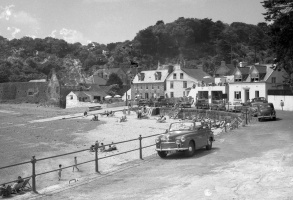 1950s
1950s -
-
-
-
-
-
-
-
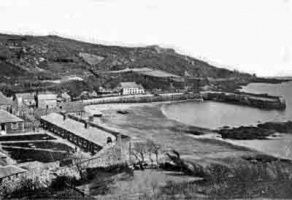 1870s
1870s -
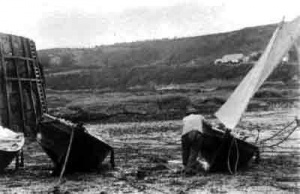 1893 from the Victoria and Albert gallery collection
 -
-
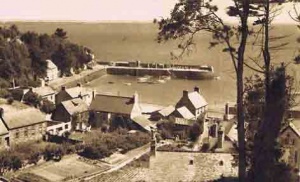 Rozel in 1951


-
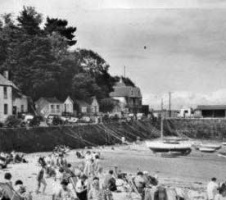 1950s
1950s -
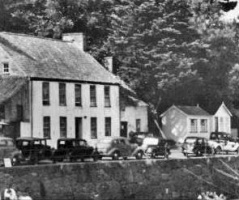 1950s
1950s -
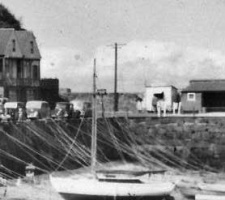 1950s
1950s -
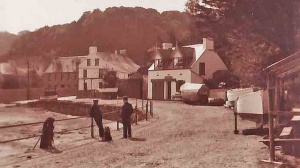 Rozel Harbour
 -
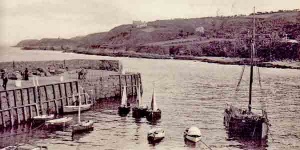
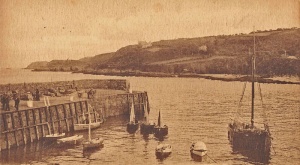 The harbour in the early 20th century
 -
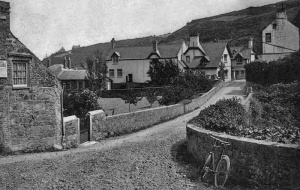 Rozel village
 -
-
-
-
-
-
-
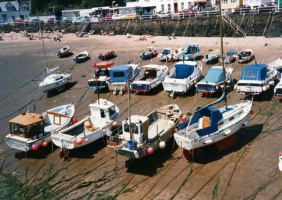 1985
1985 -
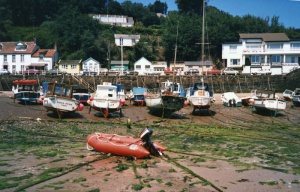 1985
1985 -
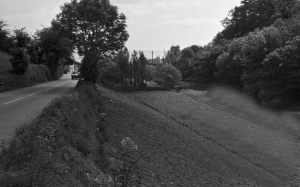 1980 Jersey Evening Post photograph
 -
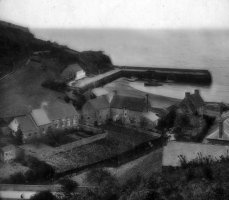


-
-
-
-
-
-
-
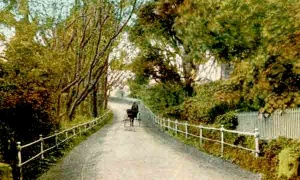 A quiet lane near Rozel
 -
-
-
-
-


-
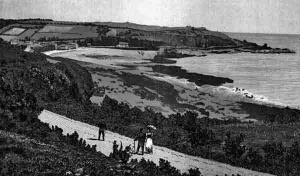
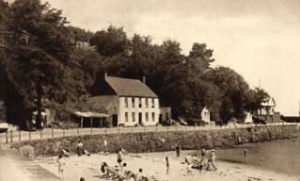
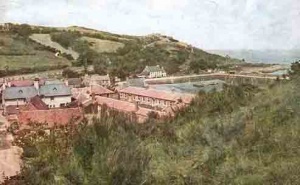
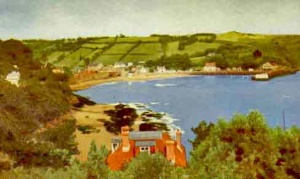 Rozel in the 1930s
 -
-
-
-
-
-
-
-
-
-
-
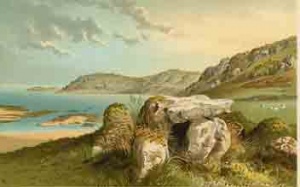 A painting of Rozel in 1890


-
-
-
-
-
-
-
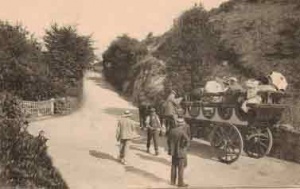 An excursion car visits Rozel
 -
-
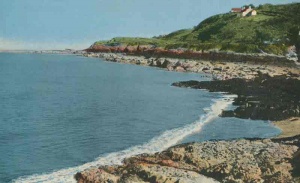 Looking east from Rozel Harbour
 -
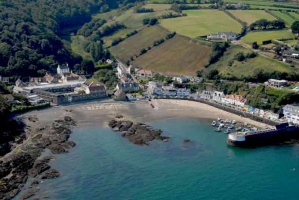
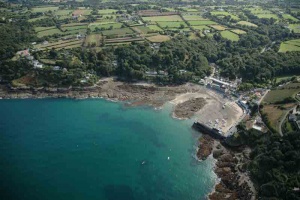
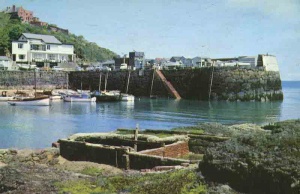
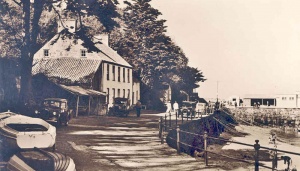 Rozel Harbour
 -
-


-
-
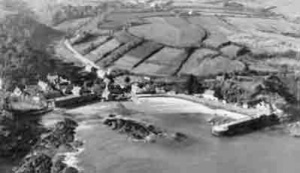
-
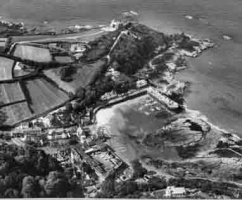 1950 aerial photograph
 -
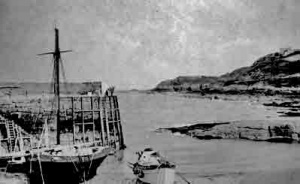 Rozel in 1900
 -
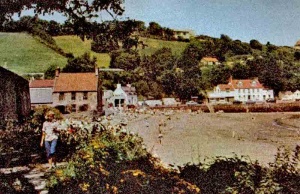 From the official 1960 Jersey calendar
 -
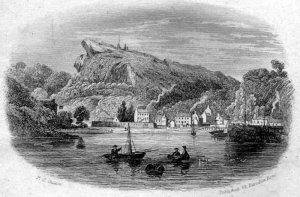 Rozel from the sea by Ouless
 -
-
-
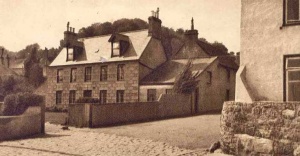 Moorings, 1900
 -
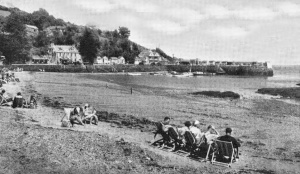 On the beach in 1955
 -
-
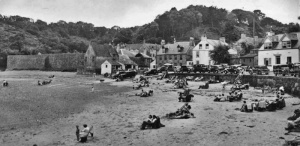 1930s
1930s


-
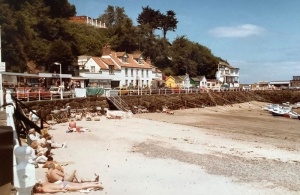 1981
1981 -
-
-
-
-
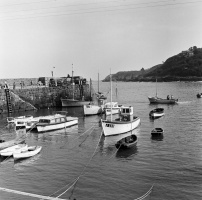 1965
1965 -
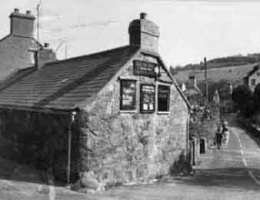 1966
1966 -
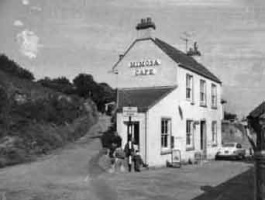 1966
1966 -
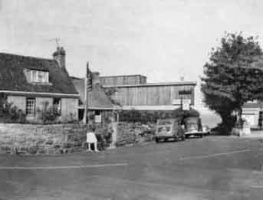 1966
1966 -
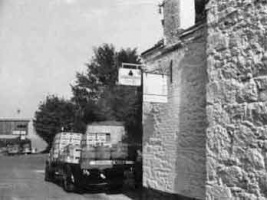 1966
1966 -
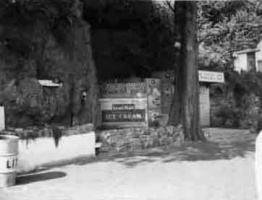 1966
1966 -
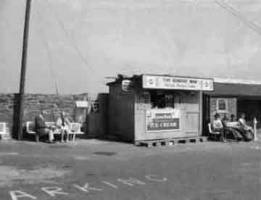 1966
1966 -
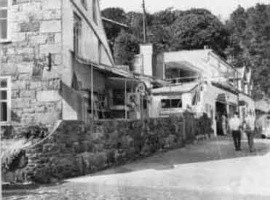 1966
1966 -
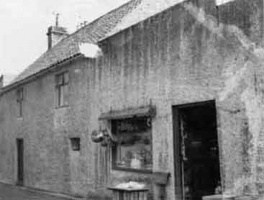 1966
1966 -
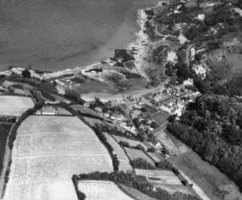
-
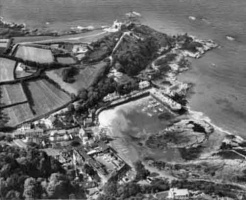
-
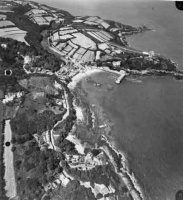
-
-
-
-
-
-
-
 Photocrom postcard


-
-
-
-
-
-
1930s
-
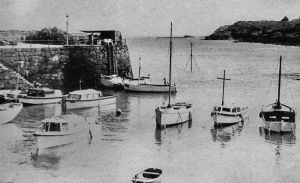 1958
1958 -
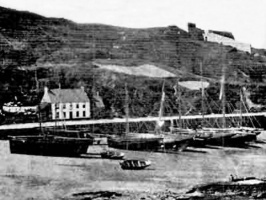 The oyster fishing fleet at Rozel in the 1860s
 -
-
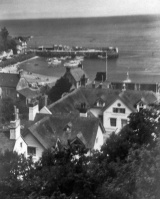 Rozel from Chateau La Chaire
 -
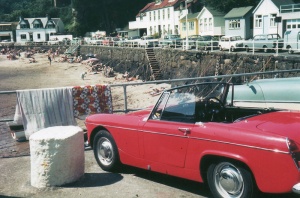 Rozel in 1967
 -
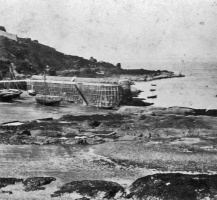 An 1868 photograph by Henry Mullins. The jetty appears to be shorter than shown in photographs from later years, but this is probably an optical illusion


.png)
-
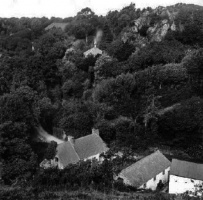 Rozel Valley photographed by Ernest Baudoux
 -
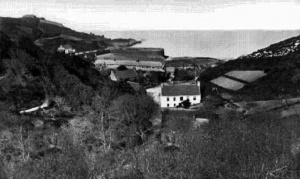 Rozel Bay photographed by Ernest Baudoux
 -
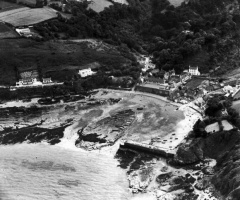 1951 aerial photograph
 -
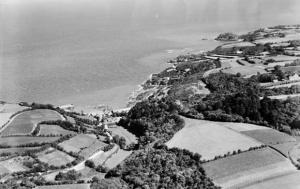 1933 aerial photograph by Aerofilms
 -
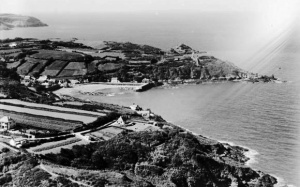 1933 aerial photograph by Aerofilms
 -
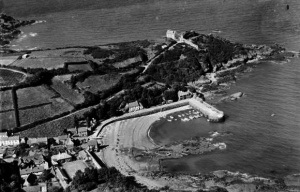 1933 aerial photograph by Aerofilms
 -
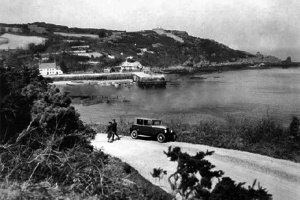
-
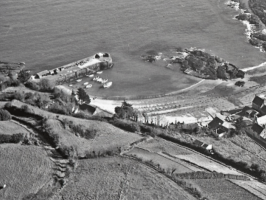 1946 aerial photograph by Evening Post photographer Ronnie Le Sueur
 -
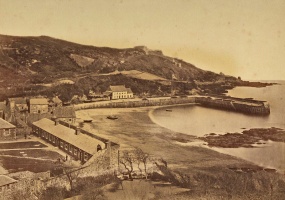 1870s
1870s -
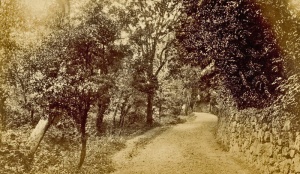 Rozel Valley
 -
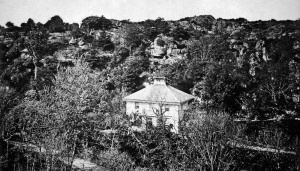 Le Chaire
 -


-
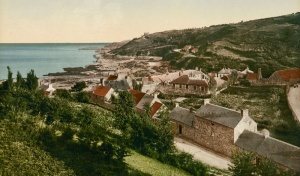 A Photochrom picture of Rozel
 -
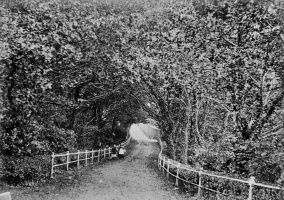 Albumen print of Rozel lane
 -
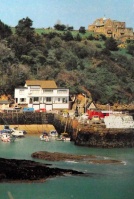 Rozel Pier
 -
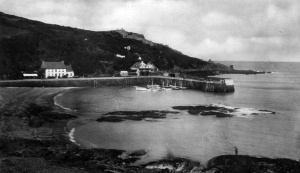 The bay
 -
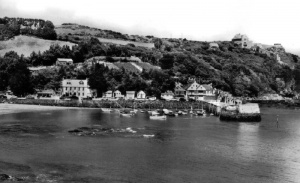 Rozel in 1956
 -
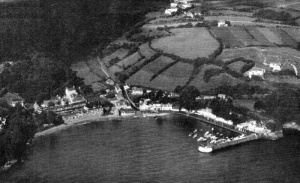 An aerial view from 1965
 -
 A photograph taken in 1919
 -
 1875
1875 -
 1972
1972 -
 Spraying against a colorado beetle invasion in 1949
 -
-
 1910s
1910s


-
 Rozel Valley in 1890
 -
 1928
1928 -
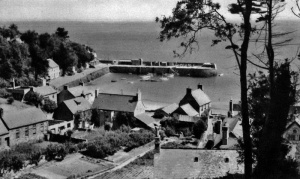 1954
1954 -
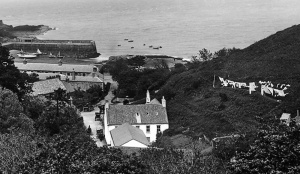
-
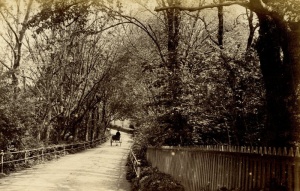 1880s
1880s -
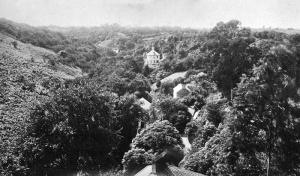 1895
1895 -
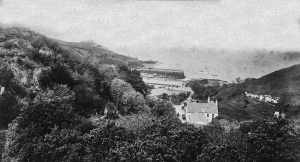 1895
1895 -
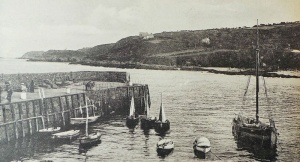 1905
1905 -
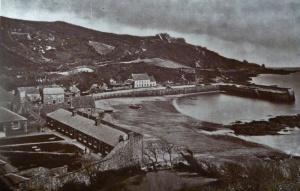 Stroud
 -
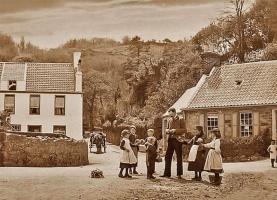
-
 1870s
1870s -
 1943
1943


-
-
 LL postcard
 -
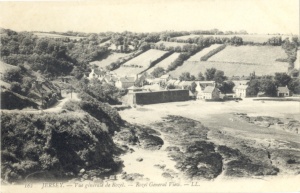 LL postcard
 -
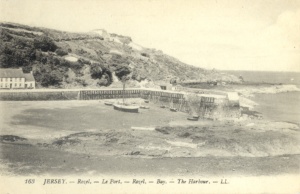 LL postcard
 -
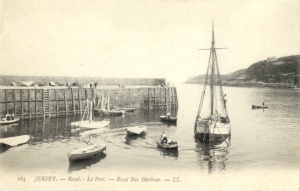 LL postcard
 -
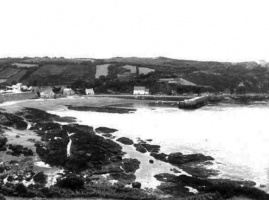 Rozel in the 1880s, photographed by Philip Godfray
 -
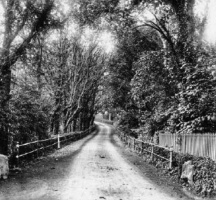 A Rozel lane: 1880s photograph by Philip Godfray
 -
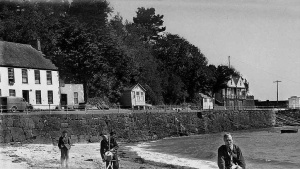
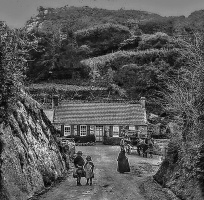 A cottage in the bay
 -
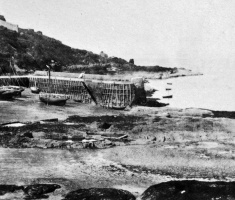 1860s view by Henry Mullins
 -
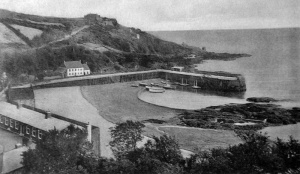 1920s
1920s -
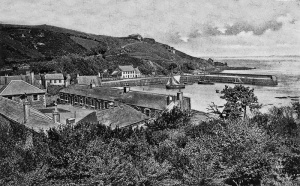 1906
1906 -
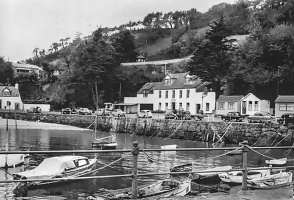 1950s
1950s -
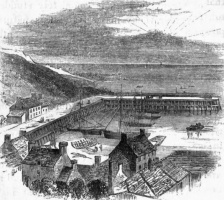 An 1855 etching
 -
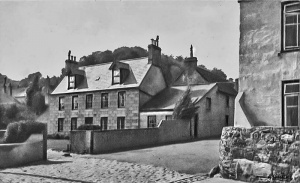 Moorings in 1900
 -
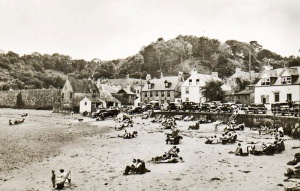 1930s
1930s -
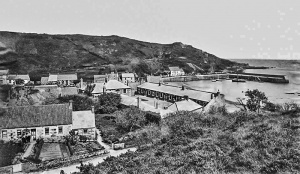 1880
1880 -
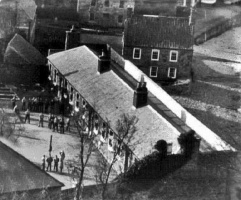 Looking down on the barracks
 -
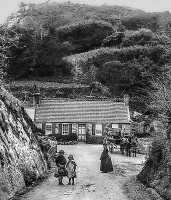 Cottage in the bay
 -
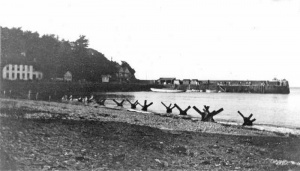 Defences on the beach in the Occupation
 -
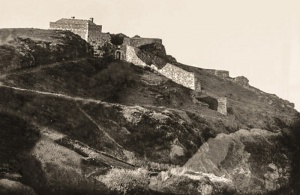 Rozel Fort
 -
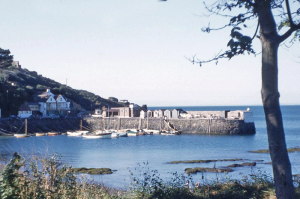 1957
1957 -
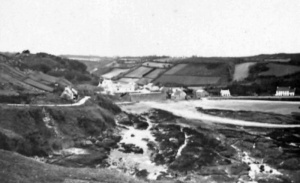 1910 photograph from amateur photographer G W McDougal's album held by Jersey Heritage
 -
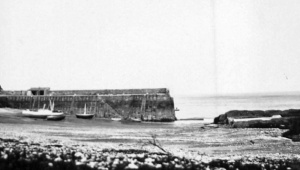 Another photograph from the 1910 album
 -


-
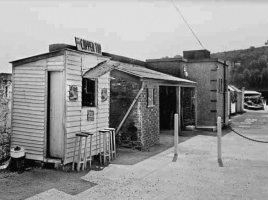 Harbour kiosk
 -
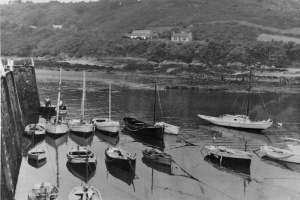 1935
1935 -
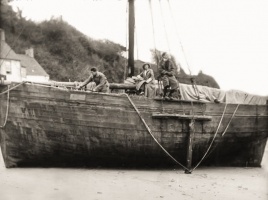 Working on a large fishing vessel, possibly part of the oyster fleet, in the harbour
 -
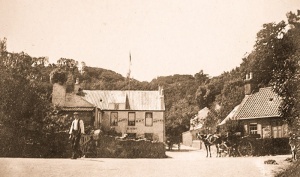 1890s
1890s -
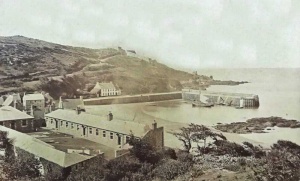 Photograph by Baudoux
 -
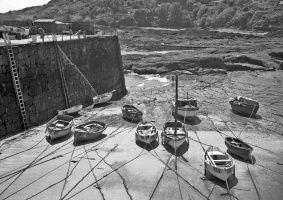 1950s
1950s -
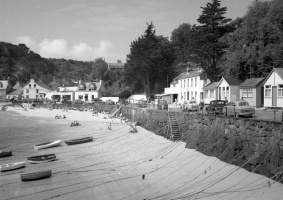 1950s
1950s -
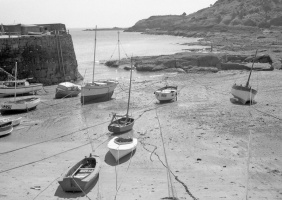 1950s
1950s -
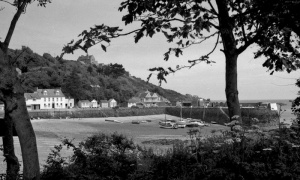 1950s
1950s -
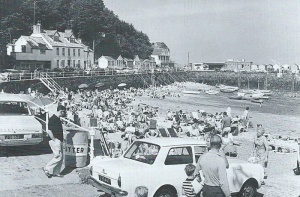 1967
1967 -
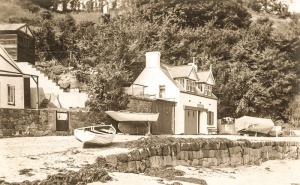
-
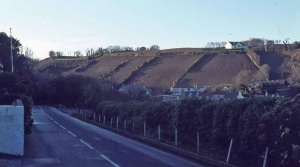 Freshly planted cotils at Rozel
 -
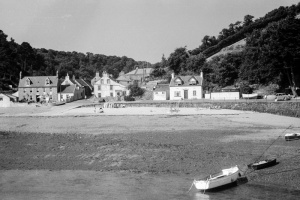 1955
1955 -
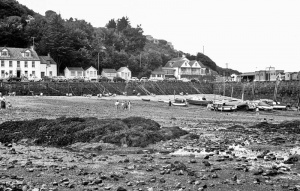 1955
1955 -
-
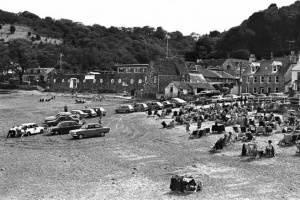
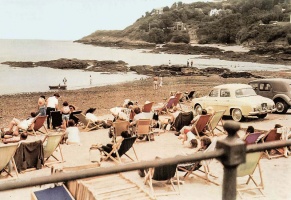 A busy day for deckchair hire in the late 1950s or early '60s
 -
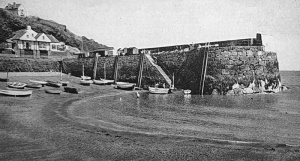 1948
1948 -
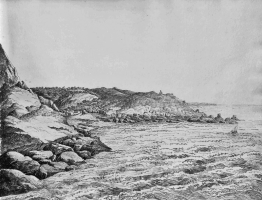 Early 19th century sketch by Henry Irwin
 -
-
 Dinghies in the harbour