Springfield Stadium
Springfield Stadium

Springfield island cattle show
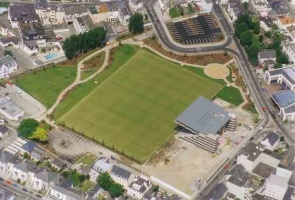
Springfield Stadium, in the centre of St Helier inside the
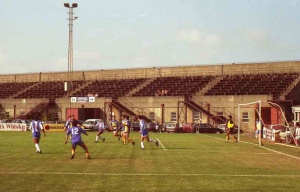
ring road, is the island's main football venue

Outdoor events
Over the the years Springfield stadium and the former hall have been the venue for island cattle shows - its original purpose - the Battle of Flowers, Muratti Vase football finals, the opening of the Island Games, Beatles concerts and many other activities.
When islanders evacuated before the German Occupation, many of them left their cars at Springfield, believing that they would be safe.
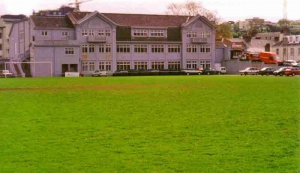
The site is now owned by the States, and was completely redeveloped in 1996, with the demolition of the old grandstands and Springfield Hall, which has been the venue over the years for entertainment, exhibitions and all manner of indoor activities.
Springfield was bought by the States on 9 December 1994 for £4,200,000 from the Royal Jersey Agricultural and Horticultural Society, who originally acquired it as a central venue for their important island cattle shows. The original Springfield Hall, named the Agricultural Hall, was built in 1924, and demolished 72 years later in 1996. One of its main purposes was to stage the horticultural competitions of the RJA&HS.
In 1967 the society decided to move its offices from Mulcaster Street to a new building in the grounds of Springfield.
The first trades exhibition was held at Springfield in November 1950 and these became regular events until Fort Regent was developed to provide much larger accommodation for them.
Battle of Flowers
When the Jersey Chamber of Commerce took over the organisation of the Jersey Battle of Flowers in 1928 they moved the event from Victoria Avenue to Springfield and it was held there until 1939, when war intervened. When the event resumed in 1951 it returned to the Avenue.
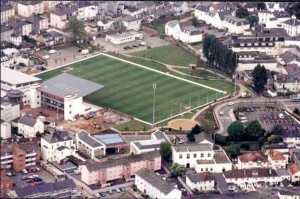
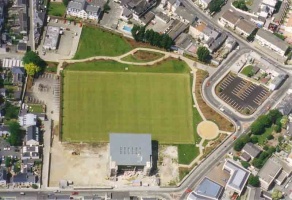
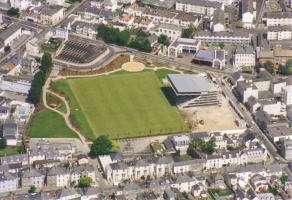
When the States took over the site they built a modern grandstand, realigned the football pitch and landscaped the grounds with new parking areas, at the same time as creating a gyratory traffic system to the north of the complex.

-
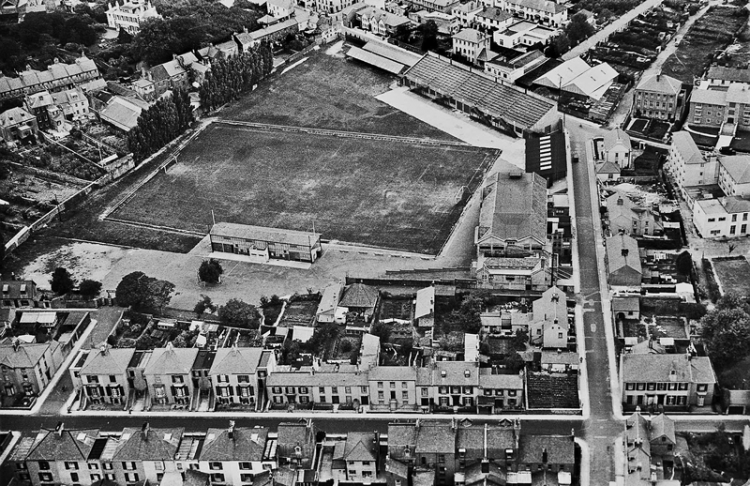 Evening Post aerial photograph in 1952
 -
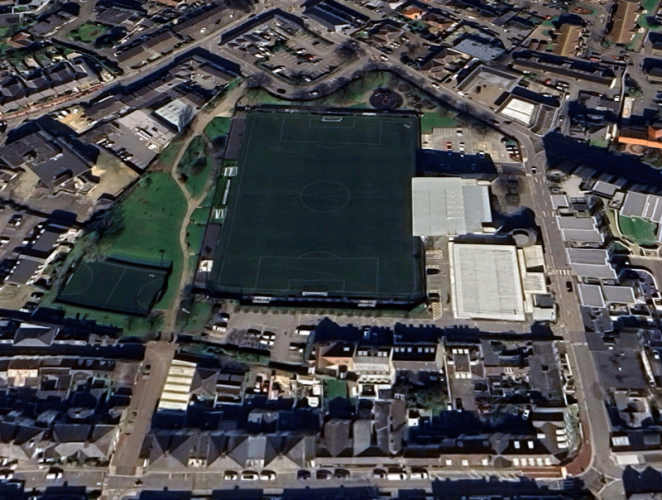 Google Maps view in 2024


-
 Springfield
 -
 Springfield in 1952
 -
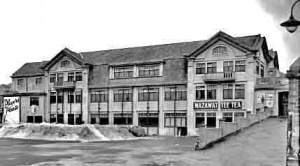 Springfield Hall in 1939
 -
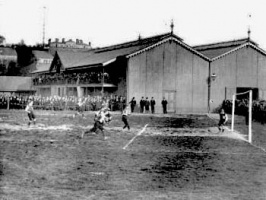 Springfield photographed by Albert Smith
 -
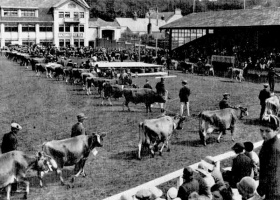 Springfield cattle show in 1931
 -
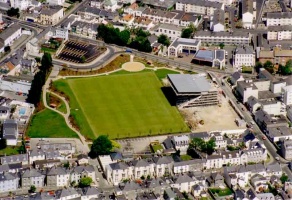 Springfield Stadium from the air today
 -
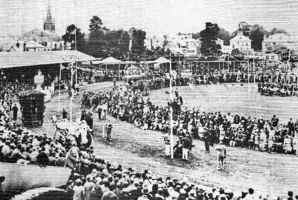 A 1930s Battle of Flowers
 -
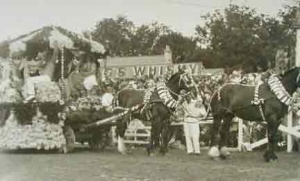 A Battle of Flowers float at Springfield
 -
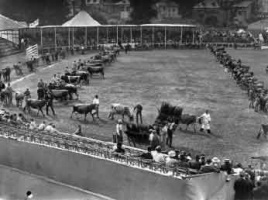 Springfield Cattle show in 1937
 -
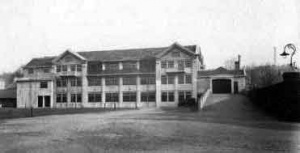 Springfield Hall
 -
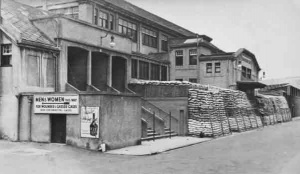 Springfield Hall in the war
 -
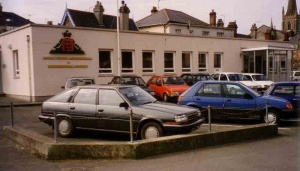 The former headquarters of the RJA&HS in the 1990s
 -
-
-
-
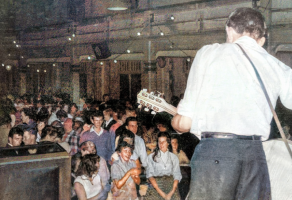 A concert in the hall in the 1960s


-
-
-
-
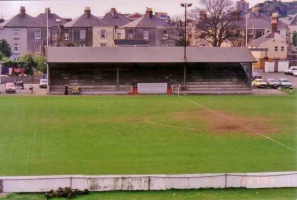 The old grandstand, filled for many a Muratti final
 -
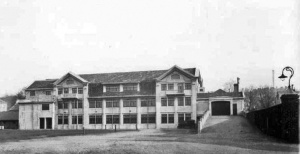 Springfield Hall in 1928
 -
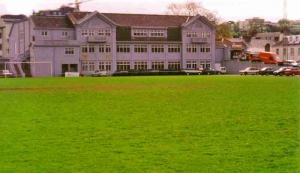 The old football pitch
 -
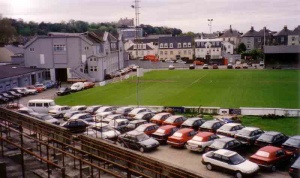 Before redevelopment
 -
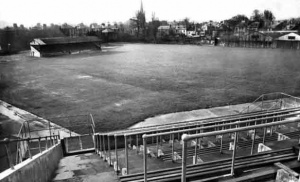 Springfield in the late 1940s
 -
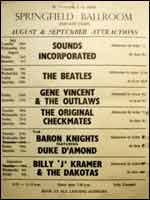 A 1960s poster for pop concerts
 -
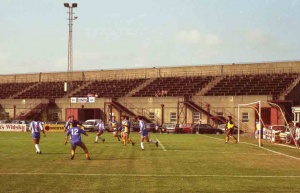 Springfield in 1989
 -
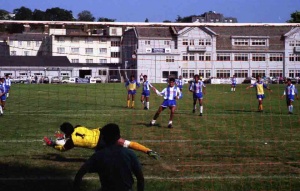 1989
1989 -
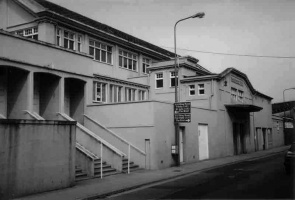 Springfield Hall
 -
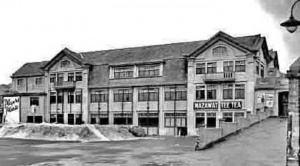 Springfield Hall
 -
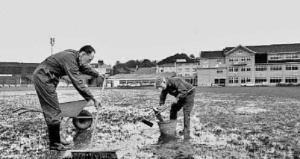 Alf Moignard and Jack Bertram working on a waterlogged pitch in 1980
 -
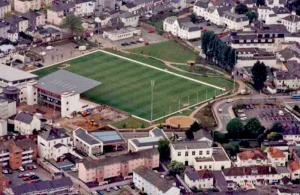 Springfield from the air
 -
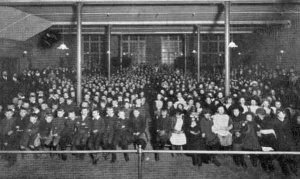 An audience of children in the hall in 1908
 -
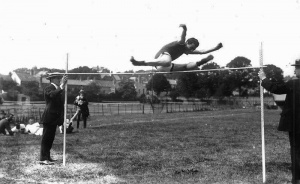 A high jump competition at Springfield in 1913
 -
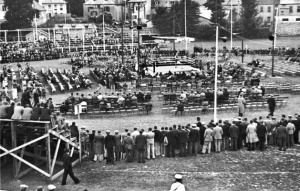 Springfield Hall used to be the main island venue for boxing, but this was an outdoor contest in 1937
 -
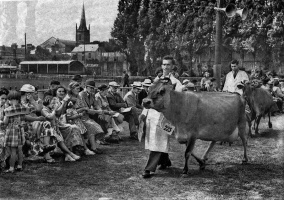 A cattle show
 -
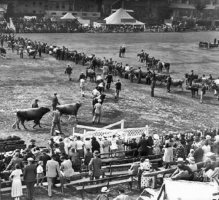 A 1937 cattle show
 -
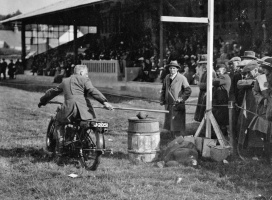 A motor cycle gymkhana at Springfield
 -
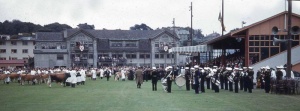 A cattle show
 -
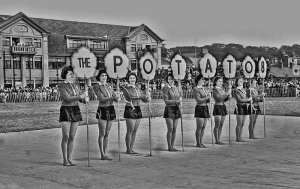 A display during a 1939 cattle show - picture Evening Post
 -
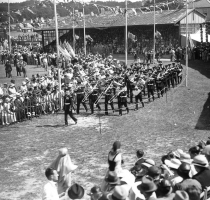 1930s Battle of Flowers
 -
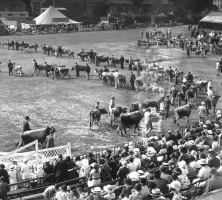 1937 cattle show
 -
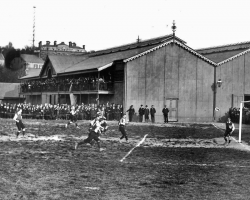 1920s Muratti final


-
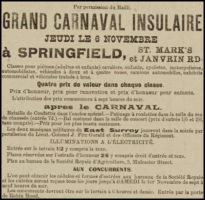 A grand island carnival was advertised in Chronique de Jersey in 1924
 -
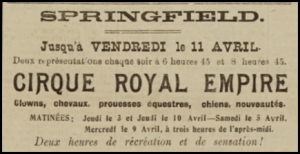 The Royal Empire Circus were here in 1930
 -
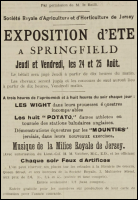 1939 summr show


Entertainment centre in 1930s
These posters and promotional material are a selection of over 100 added to the Jersey Heritage website in 2024, illustrating just how important an entertainment complex Springfield Stadium and Hall were in the 1930s
-
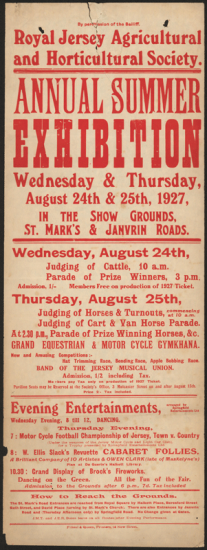 Royal Jersey Agricultural and Horticultural Society summer show in 1927
 -
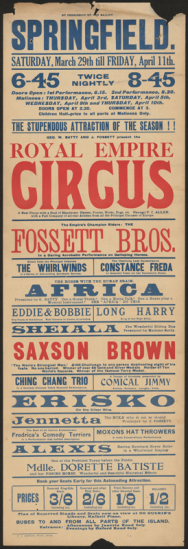 Circus, 1930
 -
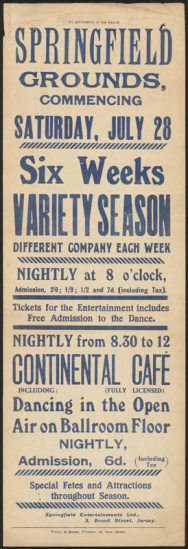 1934 variety season
 -
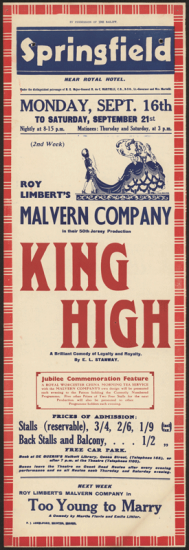 1935
1935 -
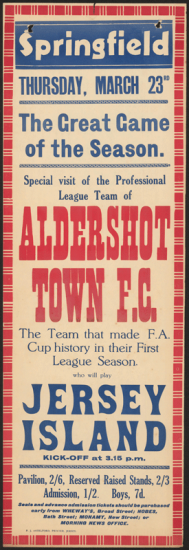 Football match against major English side
 -
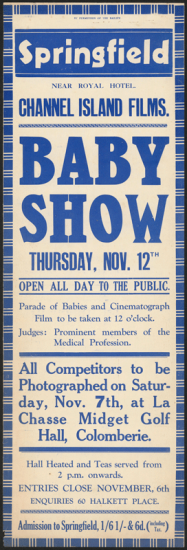 Baby show
 -
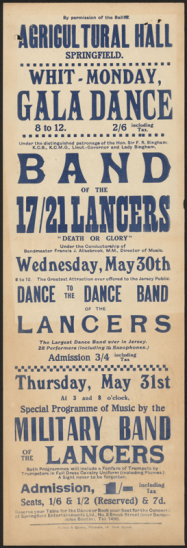 The Lancers
 -
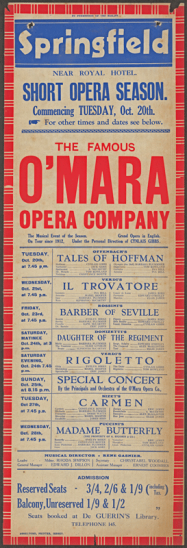 Opera in the 1930s
 -
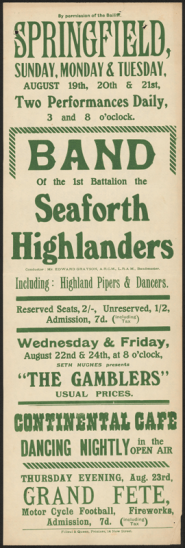 Seaforth Highlanders entertain
 -
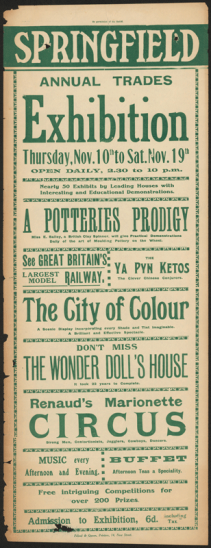 Trades Exhibition


Drama in the hall
Springfield Hall was the venue for many different forms of entertainment before and after World War 2, including the staging of Victoria Regina in 1953