St Helier and St Julien

St Helier and St Julian

St Julian
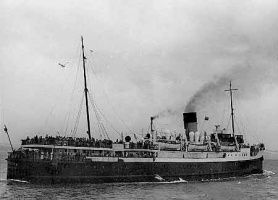
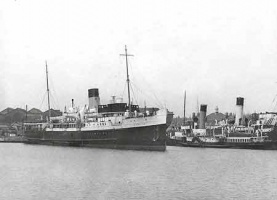
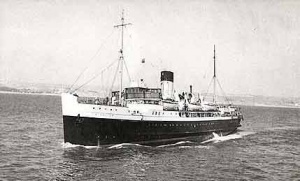
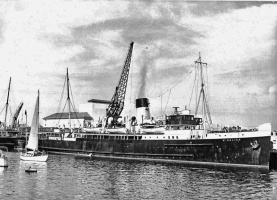
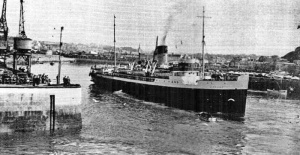
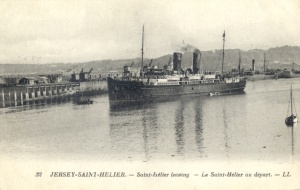
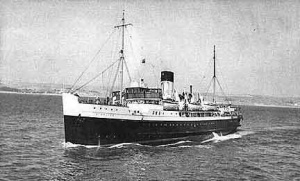
St Helier and St Julien were built in 1925 for the Great Western Railway Company and became very popular vessels on the Channel Islands routes over the following 35 years, interrupted only by the war years

The sister ships were built by John Brown and Company of Clydebank. They were of 1,952 gross tons, twin screw steam turbines, with a speed of 18 knots. They were 291 feet long by 40 feet beam.
St Helier
Named after Jersey's capital town, St Helier was launched on 26 March 1925, and came to the island on 17 June. She was altered in 1928, including the removal of one funnel.
She was withdrawn from service on Channel Island routes in September 1939 and operated on government business between the coasts of England and France, including the Calais and Dunkirk evacuations the following year, evacuating 10,200 troops and 1,500 refugees, and her guns shot down a German aircraft that attempted to bomb her. Her Captain, R R Pitman, was awarded the DSC. She joined the Royal Navy in November 1940 and was converted to a landing ship in 1942, taking part in the D-Day operations in 1944, landing Canadian troops on the Normandy beaches on 6 June.
It was highly appropriate that the ship should be used in May the following year to bring command personnel to Guernsey following the Liberation. Later in 1945 she collided with the collier Lightfoot off the Nore and on August 14, after she had been repaired, she was handed back to Great Western Railway, who operated her for a time as a troopship, before she returned to Channel Islands operations as a mailboat in 1946.
She became part of the British Railways fleet after nationalisation in 1948, as part of the Southern Region, and made further appearances in Channel Island waters until she was sold to be broken up in 1960, after her final trip from Jersey via Guernsey to Weymouth on 12 September.
St Julien
St Julien first came to Jersey on 24 May 1925 with two funnels, but by 1928 one had been removed to improve her handling. She was on Channel Island routes until September 1939, after which she was converted to a hospital carrier, evacuating troops from Dunkirk, Boulogne and Cherbourg. She then operated at Scapa Flow, before being sent to the Mediterranean.
She returned to Channel Island service in 1946 and transferred to the Southern Region of British Railways in 1948. St Julien was sold in 1960, after her last voyage from Jersey on 27 September. She was broken up at Ghent, Belgium, in 1961.
-
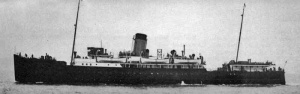 St Julien
 -
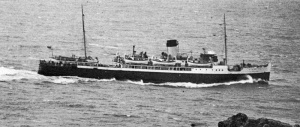 St Julien
 -
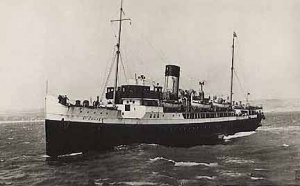 St Julien
 -
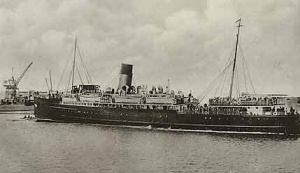 St Julien
 -
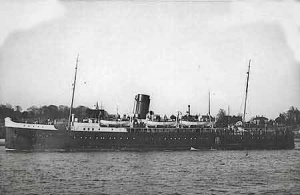 St Julien
 -
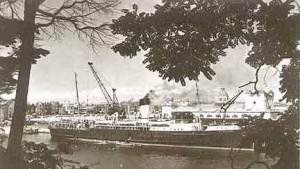 St Julien
 -
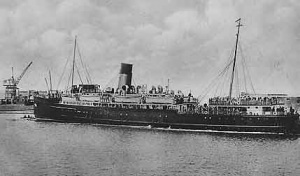 St Julien
 -
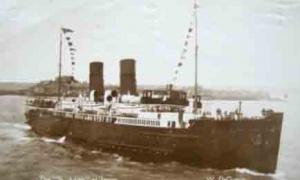 St Julien
 -
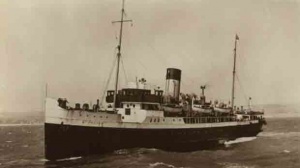 St Julien
 -
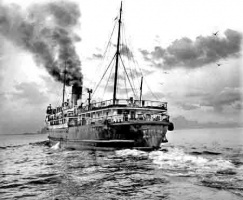 The St Julien in 1957
 -
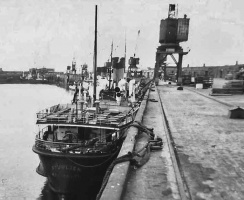 St Julien
 -
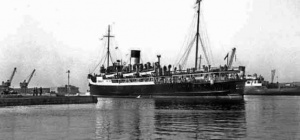 St Julien, 1949


.png)
-
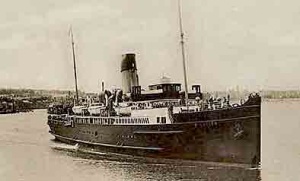 St Julien
 -
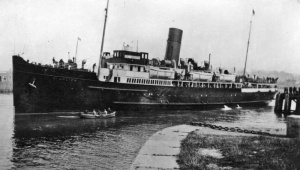 St Julien with the dummy funnel removed
 -
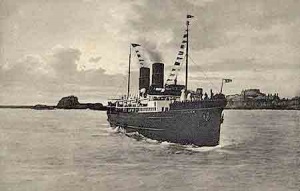 St Julien with two funnels
 -
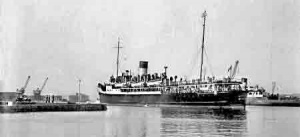 The St Julien in 1949
 -
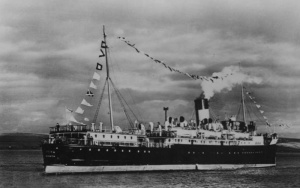 St Julien at Weymouth
 -
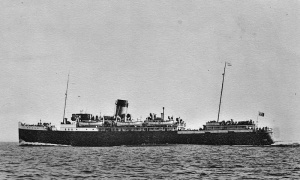 St Julien
 -
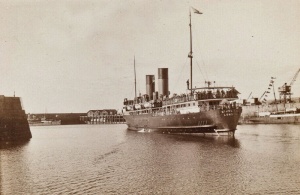 St Julien was registered in London when this photograph was taken in 1926, but the picture at the top of the page reveals that at another time she was registered in Weymouth
 -
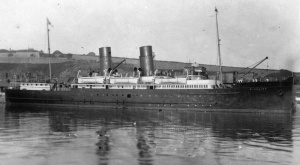 St Julien in 1925
 -
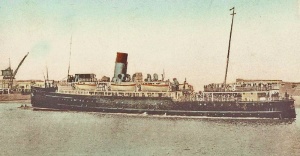 In St Helier Harbour
 -
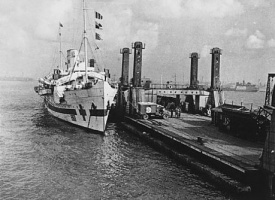 Operating as a hospital ship
 -
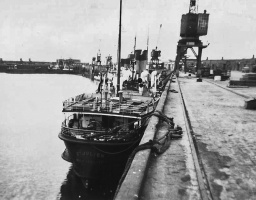 Berthed on the Albert Pier, a picture taken by a passenger
 -
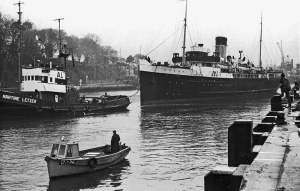 At Weymouth in 1960 after her last voyage
 -
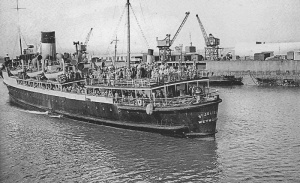
-
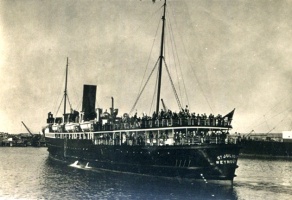


St Helier

-
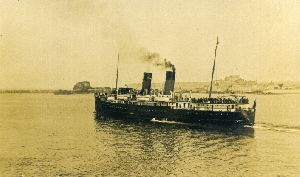 St Helier departs St Helier
 -
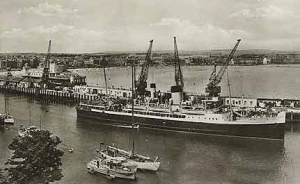 St Helier at Weymouth
 -
-
-
-
-
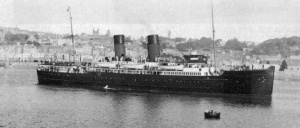 1920s
1920s -
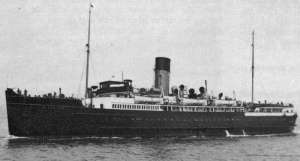 1930s
1930s -
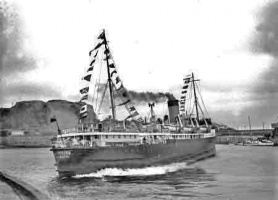 St Helier arrives in Jersey on her maiden voyage on 16 June 1946
 -
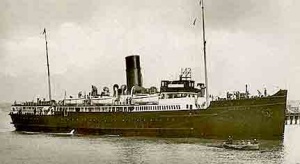 St Helier with the dummy funnel removed
 -
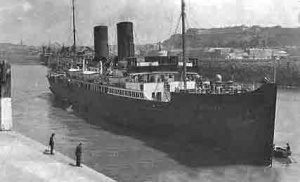 St Helier with two funnels arrives in St Helier on her maiden voyage in June 1926
 -
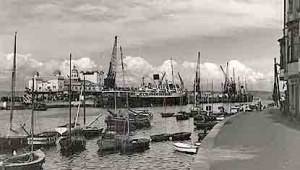 St Helier at Weymouth


-
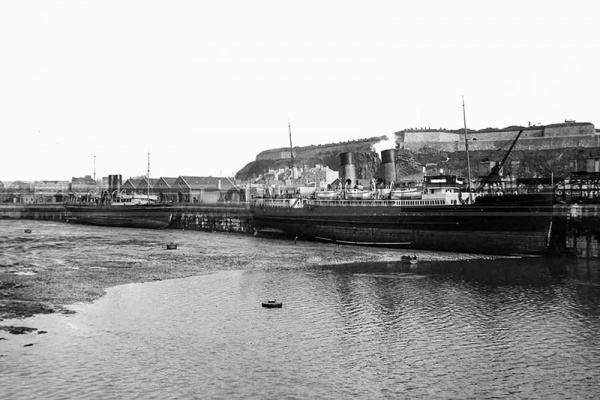 St Helier on the New North Quay with the dummy funnel - picture taken between 1926 and 1928 ...
 -
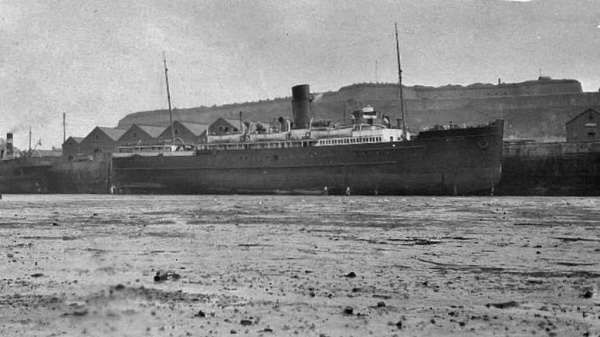 ... and in much the same position after 1928, with a single funnel


-
-
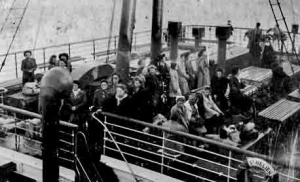 Passengers on the St Helier about to leave the harbour in Jersey
 -
-
-
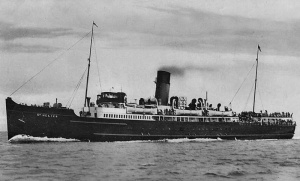 St Helier
 -
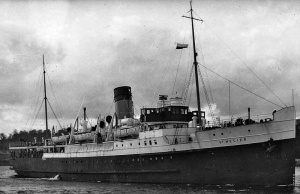 St Helier
 -
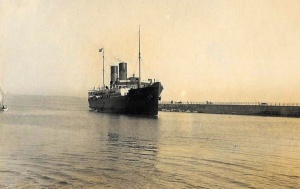 St Helier or St Julien at Weymouth
 -
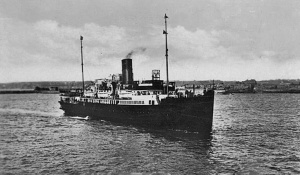 St Helier off Elizabeth Castle
 -
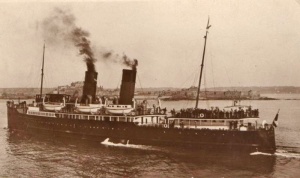 St Helier off Elizabeth Castle
 -
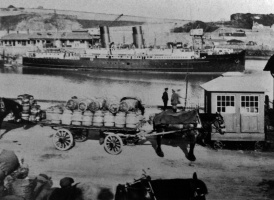 St Helier on the New North Quay
 -
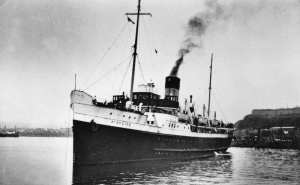 St Helier departs
 -
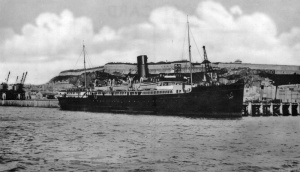 St Helier in St Helier Harbour - picture Mark Pulley