Fire Service

Fire Service

Captain Howard Eady, the first chief officer of the St Helier Fire Brigade. Capt Eady was appointed on a wage of 50 shillings per week and was former Honorary Chief Officer of Bournemouth Fire Brigade and of the Issy les Molineaux (Seine) Brigade, so he had a wealth of firefighting knowledge. He was tasked with setting up the new St Helier Fire Brigade
This history is taken from the Jersey Fire and Rescue Service website, which is no longer acessible through the original URL


St Helier Fire Brigade (1902-1950)
The St Helier Fire Brigade was inaugurated on 1 January 1902 and originally consisted of Chief Officer, Captain Howard Eady, a second officer, foreman and 12 firemen - all volunteers. Up to that time there had been, as far as parish records go, no official firefighting body in the town although for many years a garrison of troops was based in the Island who would assist at civil fires if requested to do so.
Initially, St Helier Fire Brigade was housed at the Town Hall and remained there until after World War I. Captain Eady served as Chief Officer until 1915, when he was succeeded by Adolphus Gale, who remained in charge until 1924, being then succeeded by Joseph Remphrey. Long overdue relocation came about in 1923 when the equipment room at the Town Hall was required for other purposes and the brigade moved to what had been the Town Arsenal in Nelson Street.
After Jersey became occupied by German forces in July 1940, control of the Fire Brigade passed from the Parish of St Helier to the States of Jersey under the Emergency Powers Act, involving the formation of two small sub sections (St Aubin and Gorey) which were disbanded again in 1945.

States of Jersey Fire Service (1950-2000)
After the war, a spate of serious fires led to further reorganisation, and in 1950 a new Chief Officer, Frank Edmonston, was recruited from the Salford Fire Brigade. Under the new name of the States of Jersey Fire Service, many changes ensued, including the moving of the Service to its present location in Rouge Bouillon in 1954.
1961 brought with it a liability to engage in inshore marine rescue and a Zodiac type inflatable rescue craft was purchased. In 1976 a hydraulic platform was bought to replace the ageing turntable ladder, which was itself eventually replaced by the Service's current aerial ladder platform in 1991.
In 1971 a reassessment of manpower resulted in the introduction of control room staff employed to deal with incoming emergency calls. In 1977, after strong recommendations by HM Inspectors of Fire Services and Chief Fire Officer Bill Mahoney, a western sub-station was opened at Route des Quennevais, St Brelade, which not only provided more effective fire cover for the western parishes, but also increased the strength of the firefighting resources of the Island.
1994 saw an expansion of the Service's rescue role with the introduction of a cliff rescue capability.
States of Jersey Fire and Rescue Service (2000-present)
In 2000, the Service's wider rescue role was reflected in a name change to the States of Jersey Fire and Rescue Service.
Further history
Major fires
Gallery


Click on any image to see a larger version
-
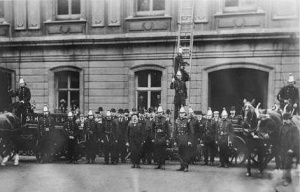 The opening ceremony of the St Helier Brigade in 1902
 -
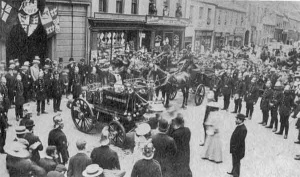 An early steam-powered engine demonstrated outside the Town Hall in 1905
 -
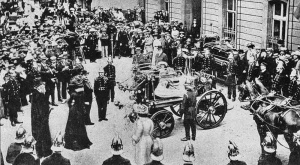 1905 demonstration
 -
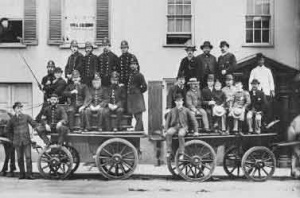 The St Helier Fire Brigade in the early days
 -
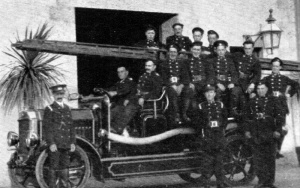 An early fire engine with its crew
 -
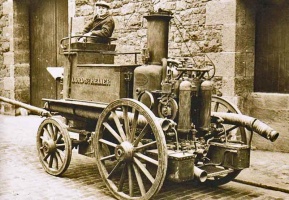 Lord St Helier fire engine
 -
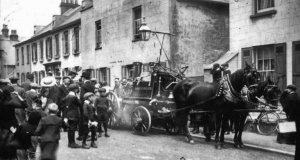 Lord St Helier fire engine, photographed by Percival Dunham
 -
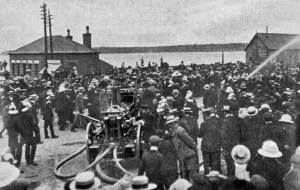 A practice and demonstration at West Park
 -
The St Helier Fire Brigade in the early days. This picture is dated 1885, but it cannot be, because the brigade was not formed until 1902
-
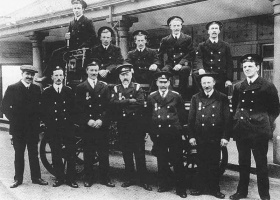 The St Brelade brigade in 1904
 -
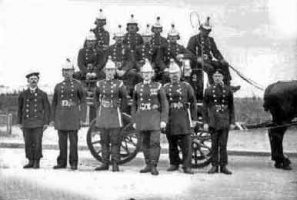
-
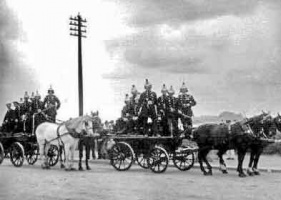
-
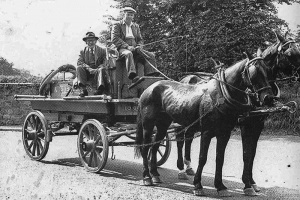 St Brelade fire engine in 1904
 -
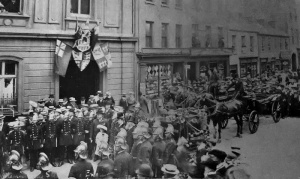 Outside the Town Hall in 1905
 -
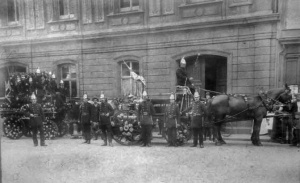 The St Helier and St Brelade fire engines, with their crews, outside the Town Hall on the occasion of an early Battle of Flowers
 -
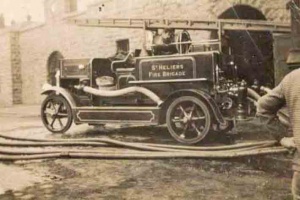 Fire engine in the 1910s
 -
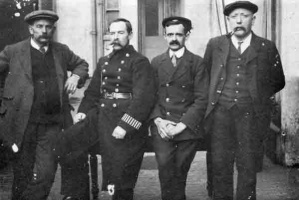 Men of the Fire Brigade in 1913
 -
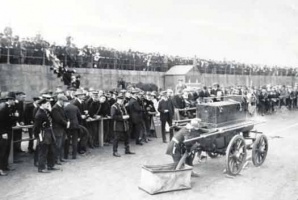 A new fire engine demonstrated on the Albert Pier in 1913
 -
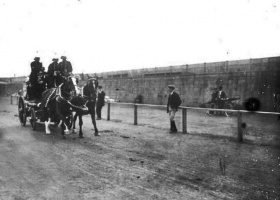 After the demonstration, photograph by Percival Dunham
 -
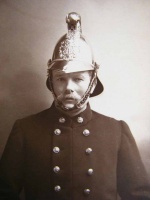 Fireman James Hibbs
 -
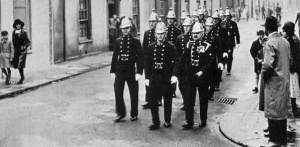 Firemen on church parade
 -
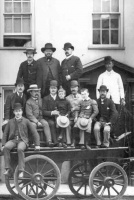 An early Fire Brigade cart
 -
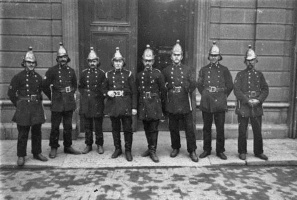 St Helier firemen outside the Town Hall - picture by Percival Dunham


.jpg)


.jpg)


-
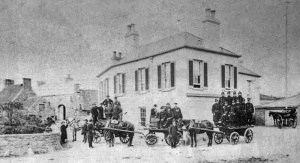 An early Brigade outing to Le Hocq
 -
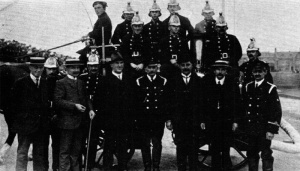
-
-
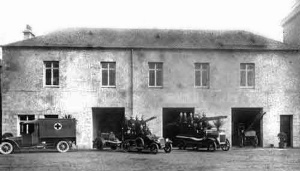 1923
1923 -
-
-
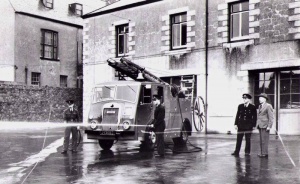 Nelson Street in 1952
 -
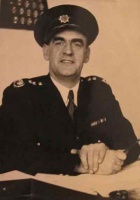 Fire chief Frank Edmonston in 1954
 -
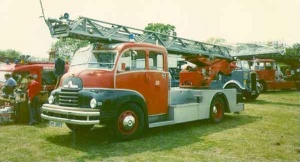 An 85-foot ladder in 1957
 -
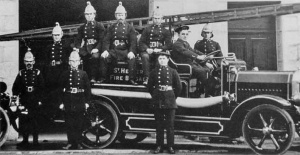
-
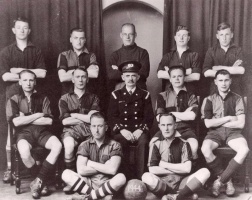 1944 Brigade football eleven
 -
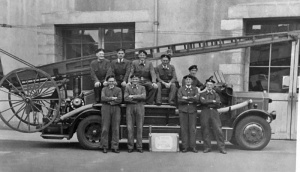 1945
1945 -
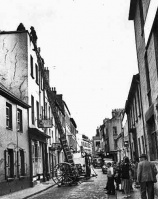 A rooftop rescue in Union Street in the early 1950s
 -
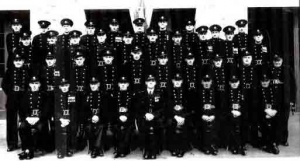 The Fire Service complement in the 1950s
 -
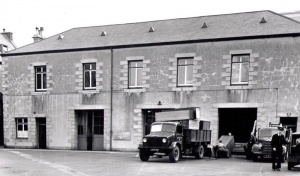 Nelson Street Fire Station in 1954
 -
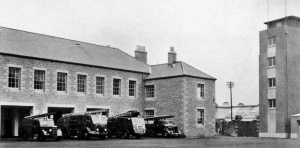 Rouge Bouillon Fire Station in 1955
 -
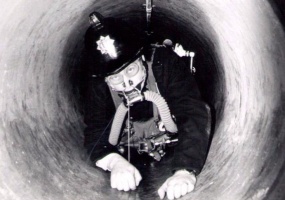 Training with breathing apparatus in a sewer pipe in 1970
 -
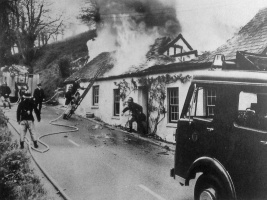 Fire at Les Cotils, Mont Fallu, in 1976
 -
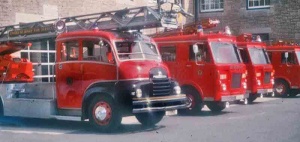 1977 fire engines
 -
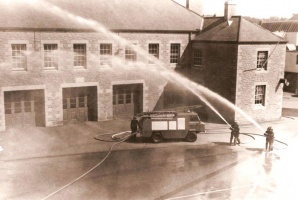 Training in the 1970s
 -
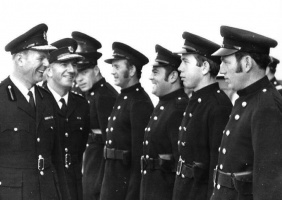 An inspection in 1973
 -
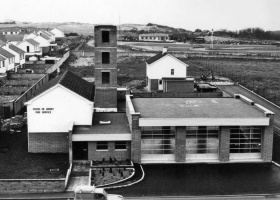 Western Fire Station in 1978
 -
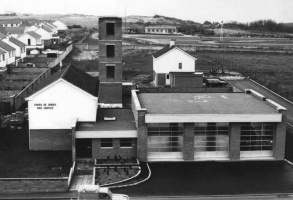 Western Fire Station at Les Quennevais
 -
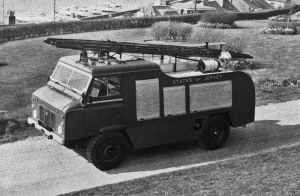 A Merryweather fire engine on a Land Rover chassis
 -
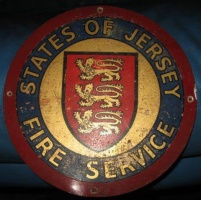 Fire engine door badge
 -
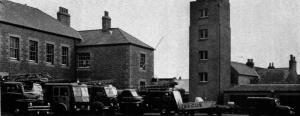
-
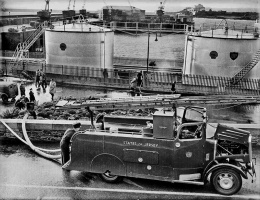 Fire engine at the harbour
 -
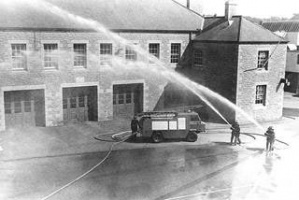 Training with a Land Rover Merryweather fire engine
 -
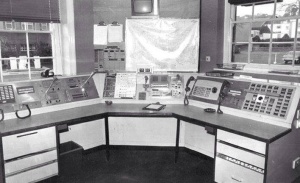 Fire Control in 1980
 -
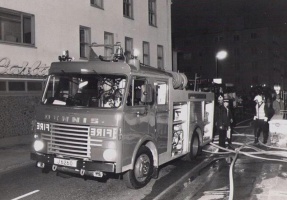 Clarendon Coach Station fire in 1984
 -
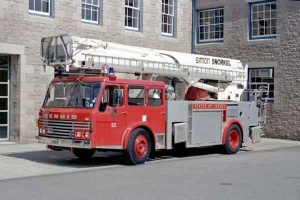 A Dennis fire engine in 1990
 -
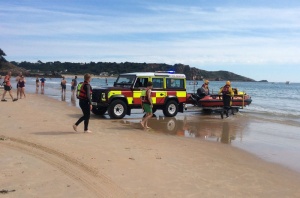 Inshore rescue craft training
 -
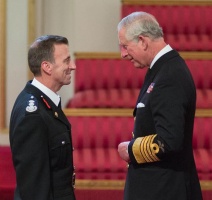 Fire Officer Mark James at a Buckingham Palace investiture with Prince Charles
 -
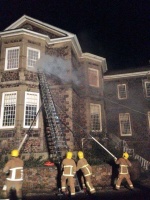 Retained firemen training
 -
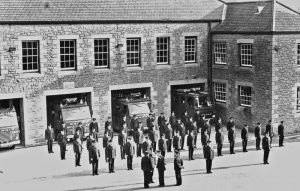 A formal parade
 -
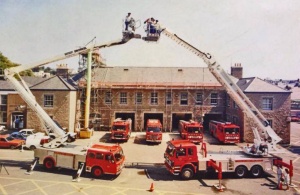 From the Fire Service 2014 calendar
 -
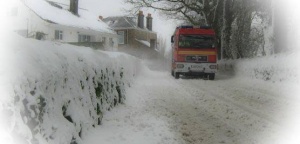 In the snow
 -
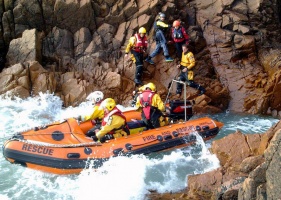 A rescue at Beauport
 -
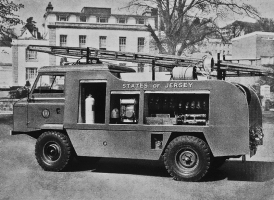 A Merryweather fire engine in the 1970s
 -
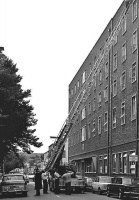 A drill outside the General Hospital in 1970 - Jersey Evening Post photograph


Queen's funeral
Jersey Fire Service Station Commander Ryan Hall, was one of 16 firefighters from across the British Isles chosen to represent the emergency services in the funeral procession for Queen Elizabeth II in 2022


Dennis fire engine
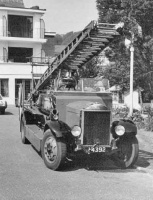
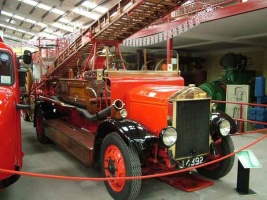
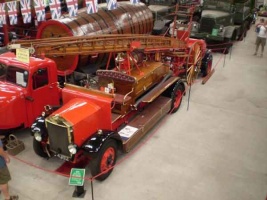
These photographs of a Dennis F8 were posted to Facebook in 2023 by Norman Wood, who previously owned and restored the fire engine
-
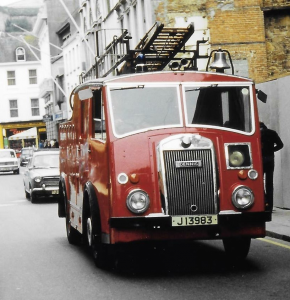 Broad Street
 -
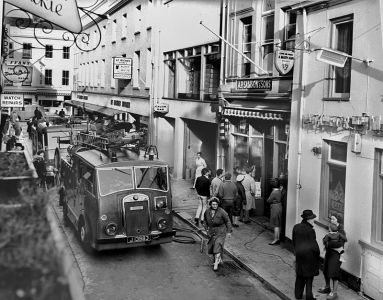 Halkett Street
 -
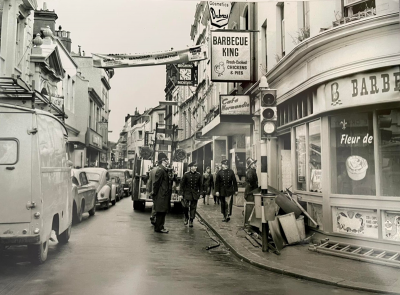 King Street
 -
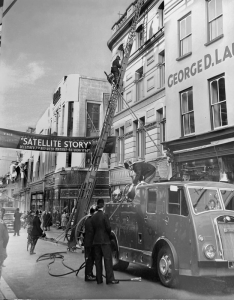 Queen Street
 -
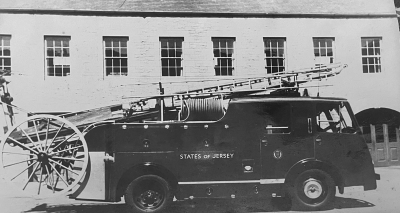 Rouge Bouillon Fire Headquarters
 -
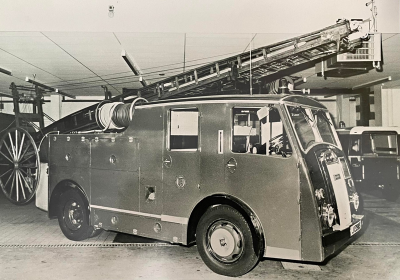 Rouge Bouillon workshop
 -
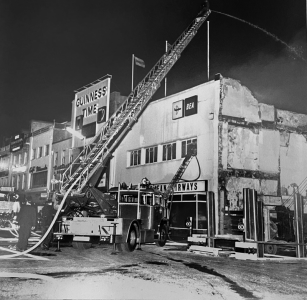 Caledonia Place
 -
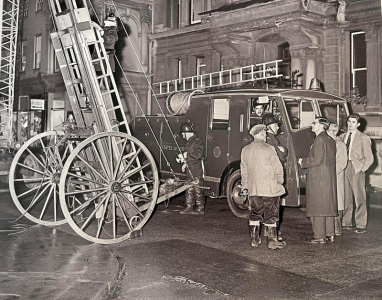 Beresford Street
 -
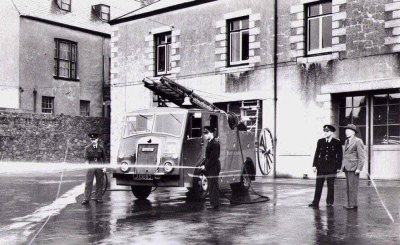 Nelson Street Fire Station