Garrison regiments

Garrison regiments

Among the ceremonial duties of the garrison regiment was to mount a guard at the entrance to Government House, the home of their commander-in-chief during their time in the island
With relatively few interruptions, Jersey has been defended by a garrison regiment since the 17th century. No full list of regiments forming the Jersey garrison is held by the British Army, but by combining local records and those of individual regiments, we have assembled the list on this page
A garrison soldier's album
Four pictures from the private album of an officer in the 66th Regiment who was stationed at Fort Regent as part of the island garrison in the late 1860s. The picture at the top left is the first we have come across of the accommodation inside the barracks, and, taken in 1869, it shows that the officer lived in some comfort in what he described as his 'casemate' with access direct on to the parade ground in the centre of the fort. The other pictures show the 66th Regiment band, a group of officers relaxing outside the 'Ante room' and a rare early view of Bel Royal, with St Matthew's Church, now popularly known as the 'Glass Church, and the Bel Royal windmill and coastal tower in the centre.


In addition to its own Militia Jersey was defended until the 20th century by British Army garrison troops, stationed initially in Elizabeth Castle and then Fort Regent.
With the notable exception of the Battle of Jersey, when it repulsed a French invasion, the garrison never fired a shot in anger, but clearly acted as a significant deterrent against invaders.
The garrison also played a major part in the social life of the island, hosting band concerts and staging military displays: officers and other ranks provided husbands for many local women. The garrison also made a significant contribution to the local economy. It created jobs for local civilians and some estimates put the amount injected into the economy as high as £2 million at today's values.
Football
The garrison regiments were noted for their footballing skills. After the foundation of the Jersey Football League in 1904 all winners prior to World War I were military sides, except in 1906 and 1913 when Jersey Wanderers triumphed.
- 1904/05 - 20th Company Royal Garrison Artillery
- 1905/06 - Jersey Wanderers
- 1906/07 - 1st Battalion East Surrey Regiment
- 1907/08 - 1st Battalion East Surrey Regiment
- 1908/09 - 2nd Battalion Kings Own Regiment
- 1909/10 - 2nd Battalion Kings Own Regiment
- 1910/11 - 2nd Battalion Kings Own Regiment
- 1911/12 - 1st Battalion Devon Regiment
- 1912/13 - Jersey Wanderers
- 1913/14 - 1st Battalion Devon Regiment
Garrison regiments
In some cases the names are those by which the unit was known after 1881. In general a regiment's tour of duty in Jersey lasted only from one to two years, but in earlier years, and again in the early 20th century, a three-year term was standard.
- Main garrison regiments 1695-1916
- Extended list of regiments known to have been posted to Jersey 1811-1904
- King's Own Royal Lancaster Regiment Added 2018
- Army training at St Peter's Barracks - a personal recollection, at the Army Technical School in 1939
- Murder at Elizabeth Castle, an event recorded in a 1721 witness statement
Picture gallery
-
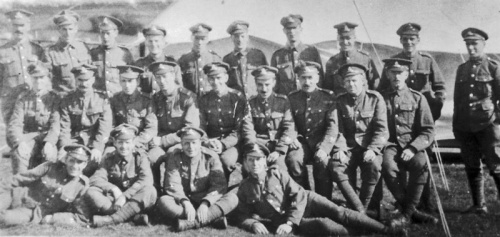 Members of the East Surreys in Jersey ...
 -
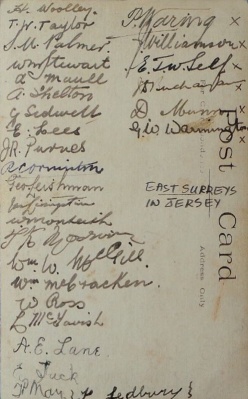 ... and their names on the back of the photograph


Highland dancing
The Highland Light Infantry, the garrison regiment from 1900 to 1904, were remembered for their prowess on the football pitch (using somewhat unusual tactics) and also for their displays of highland dancing, under the command of Pipe Major Wilson


-
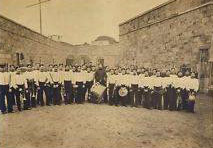 66th Regiment in 1860
 -
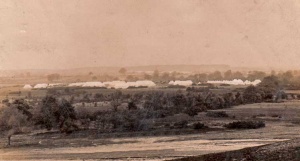 Kent Company's 'Brow Camp' in 1908. It is thought that this camp was at Les Quennevais
 -
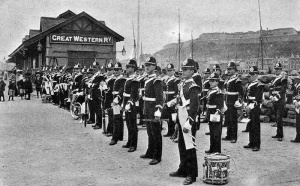 East Surreys band
 -
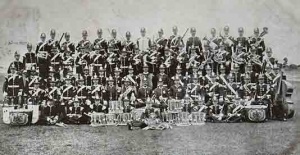 East Surreys combined bands
 -
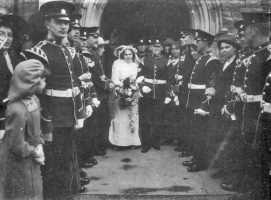 A sergeant in the Devonshire Regiment Band weds a local girl in about 1912
 -
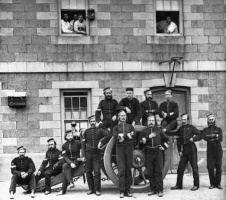 Royal Artillery at Elizabeth Castle
 -
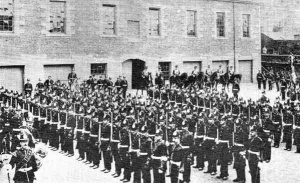 The town arsenal in Nelson Place
 -
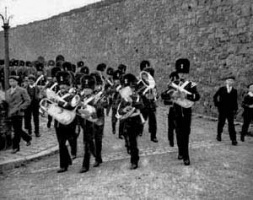 A garrison band marching down from Fort Regent
 -
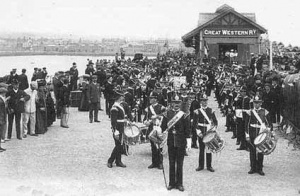 The East Surrey band in 1907
 -
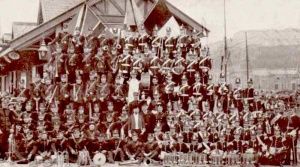 East Surrey bands
 -
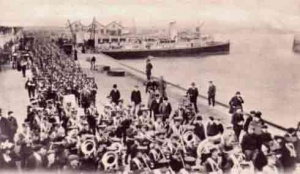 This picture of the East Surreys is dated 1904, but it should be October 1905
 -
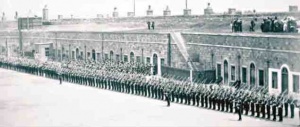 The Royal Lancaster Regiment at Fort Regent
 -
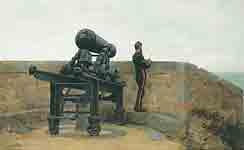 An artillery point
 -
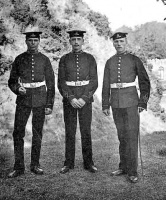 Artillery men
 -
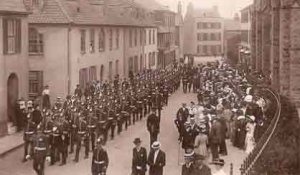 Church parade for the 2nd Battalion Kings Own Regiment
 -
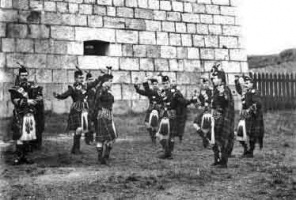 Highland Dancing by the 2nd HLI
 -
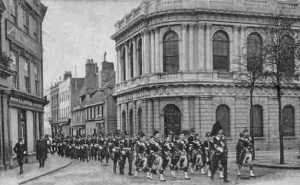 Church parade for the 2nd HLI
 -
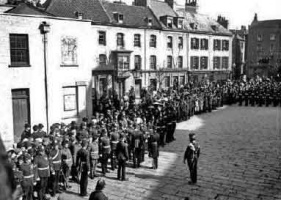 A military parade in the Royal Square in 1903
 -
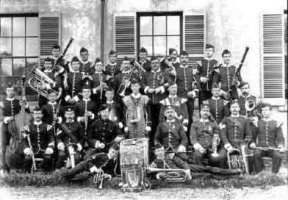 This picture is captioned 'Devonshire Regiment band, 1902', but the regiment did not arrive in Jersey until 1911 so the date is probably 1912
 -
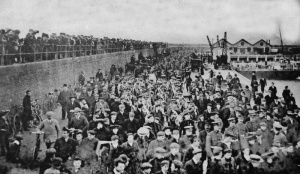
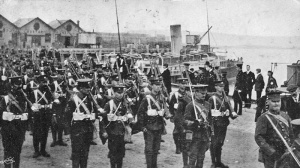
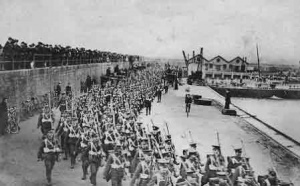 The East Surreys arrive in 1905
 -
-
-
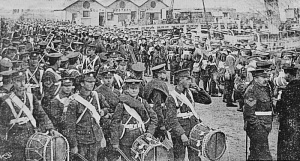 Another picture of the East Surreys disembarking in 1905
 -
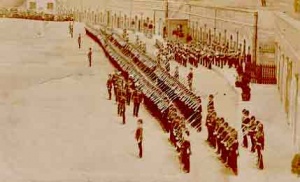 A Fort Regent parade in the 1900s
 -
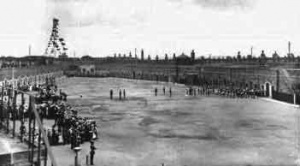 A parade at Fort Regent in 1909
 -
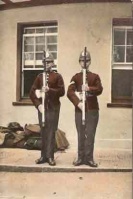 Guard duty at Government House
 -
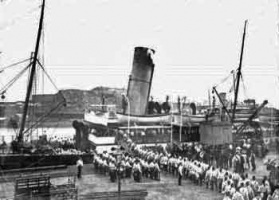 This picture of the Highland Light Infantry departure is dated 1905, but the regiment left the island in 1904
 -
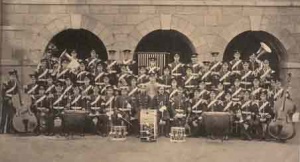 The King's Own band in 1910
 -
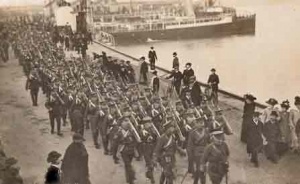 The King's Own Regiment disembarks in 1908
 -
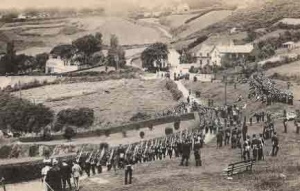 Troops on the march at Gorey in the 1900s
 -
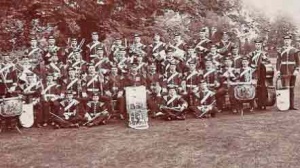 A military band in 1907; probably the East Surreys
 -
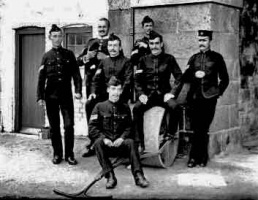 Members of the Northamptonshire Regiment which formed the garrison between 1895 and 1897
 -
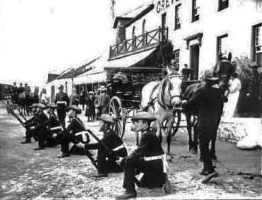 Members of the Royal Welsh Fusiliers returned to the island in 1902 from a tour of duty in South Africa
 -
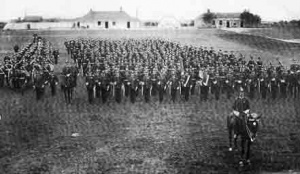 The East Surreys on parade
 -
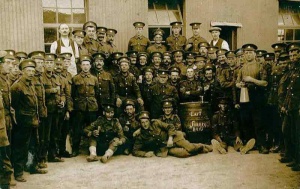 East Surreys
 -
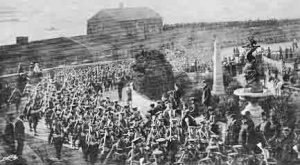 The East Surreys return in 1905
 -
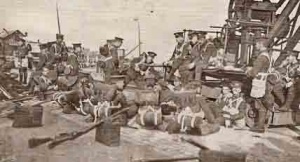 The return of the East Surreys
 -
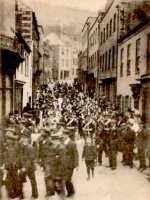 A garrison band marches along Pier Road
 -
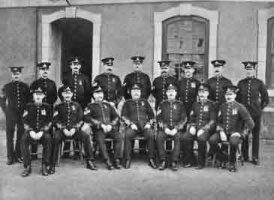 Royal Garrison Artillery sergeants' mess
 -
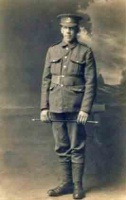 Soldier of the South Staffordshire Regiment
 -
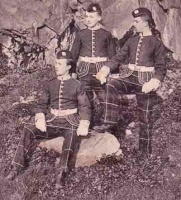 Soldiers, probably of the Highland Light Infantry
 -
-
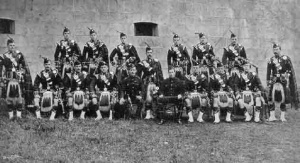
-
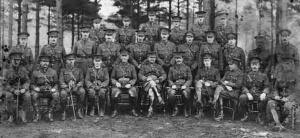 Middlesex Regiment officers
 -
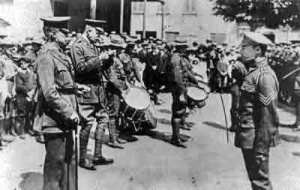 Sgt J R F W Penny of the 2nd Battalion Lancashire Fusiliers receives the Distinguished Conduct Medal from the Lieut-Governor, Maj-General Sir Alexander Nelson Rochfort, in the Royal Square in 1916
 -
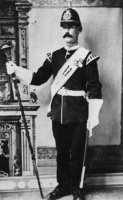 Drum Major Ernest Cole of the Yorkshire Regiment in 1915
 -
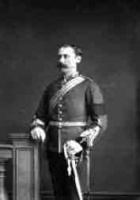 Captain Wortham of the 64th Regiment
 -
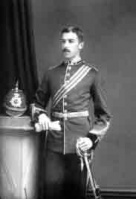 Algernon Peyton of the 70th Regiment in 1879
 -
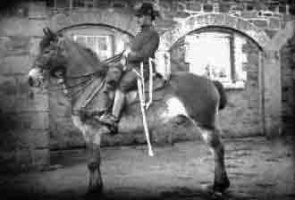 A picture by Albert Smith of a mounted officer at Fort Regent
 -
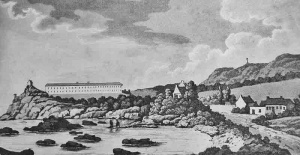 La Collette barracks in 1809
 -
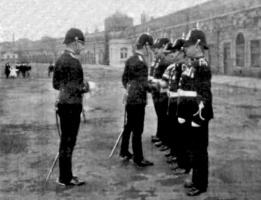 A medal presentation at Fort Regent in 1912 from La Chronique de Jersey
 -
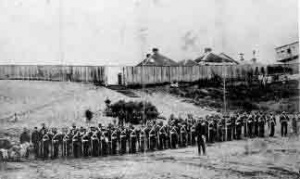 Soldiers exercise on the beach in the 1860s
 -
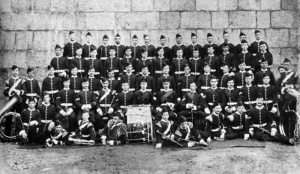 The Northants Regiment band at Fort Regent in 1895
 -
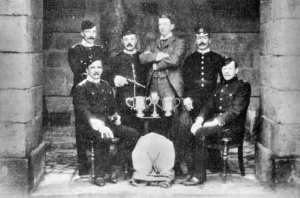 Northants Regiment pistol shooting trophies in 1895
 -
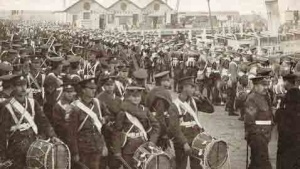 The band of the East Surreys arriving in 1905
 -
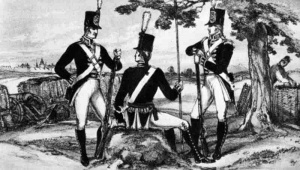 Royal Military Artificers uniform 1802
 -
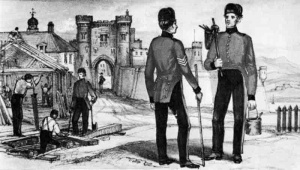 Royal Sappers and Miners uniform 1813
 -
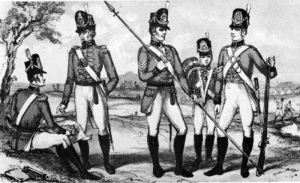 Royal Sappers and Miners 1813
 -
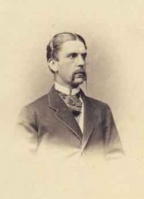 Captain Austin of the 6th Regiment
 -
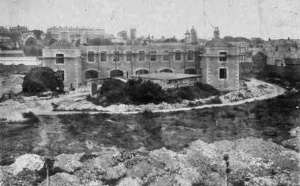 The last Town Arsenal under construction
 -
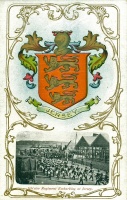 Gloucester Regiment
 -
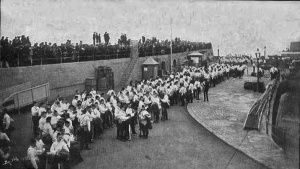 Highland Light Infantry depart in 1904
 -
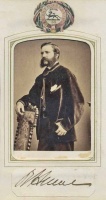 An officer of the Westmorland Regiment, 1865
 -
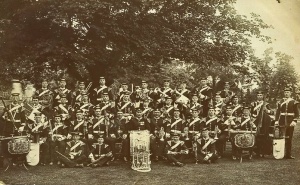 The East Surrey regimental band in 1907
 -
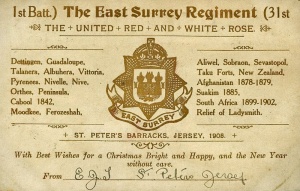 A 1905 Christmas card for the East Surreys
 -
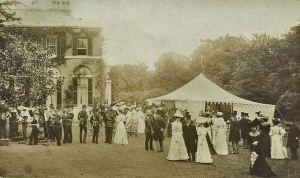 Members of the East Surrey regimental band at a Government House levee in 1907
 -
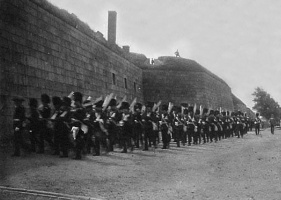 Highland Light Infantry at Fort Regent in 1902
 -
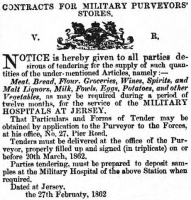 1862 advert for a tender for garrison supplies
 -
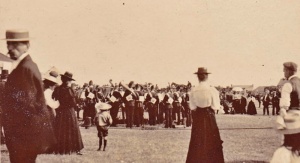 A public performance by a garrison band in 1898
 -
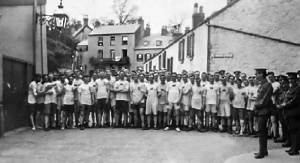 The start of a Garrison marathon race in Green Street
 -
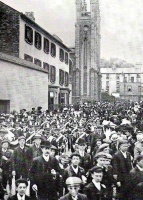 St James' Church parade
 -
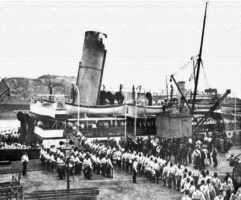 The Highland Light Infantry depart
 -
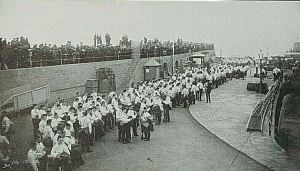 HLI departure
 -
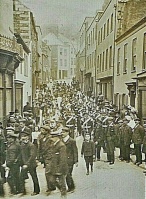 Garrison soldiers march down Pier Road from Fort Regent on their way to church parade
 -
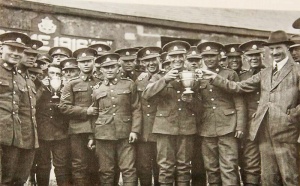 Members of the 2nd Battalion of the East Surrey Regiment
 -
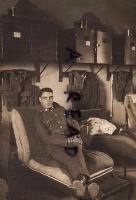 An East Surrey Regiment soldier in barracks
 -
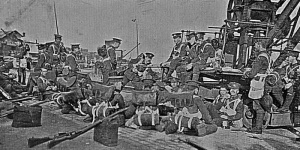 Arrival of the East Surrey Regiment on 24 October 1905
 -
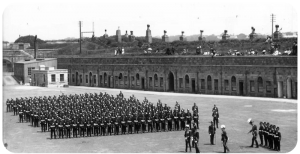 First Battalion Devonshire Regiment in 1913
 -
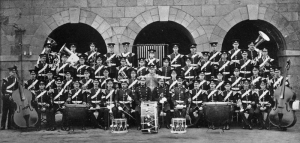 King's Own Regiment Band, 1910, Photograph by Hamilton Toovey
 -
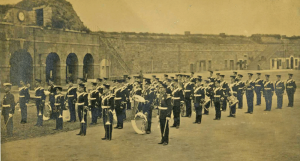 King's Own Regiment Band


.png)
2.png)