La Corbière
On the coast
|
 Corbiere
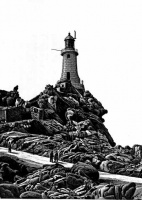
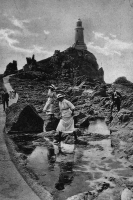
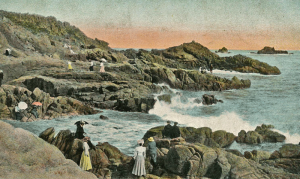
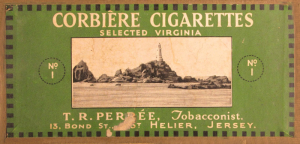
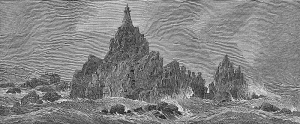
 An Ouless etching of Corbiere Lighthouse on its completion in 1873 Corbiere, is on the south-west corner of Jersey, where a lighthouse has been protecting shipping from grounding on the rocky coastline for 150 years  to view the location in Google Street View 360-degree panoramic view

|


-
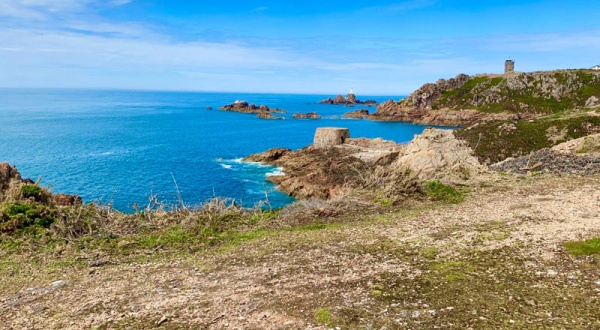 The view from the desalination plant in 2021
 -
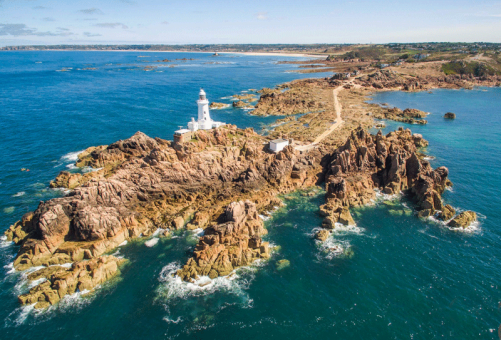
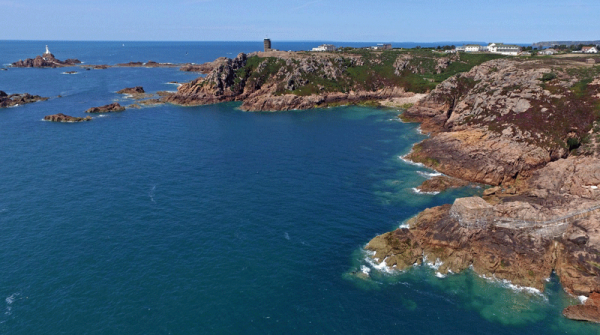 The same stretch of coastline photographed by a drone - picture Chris Brookes


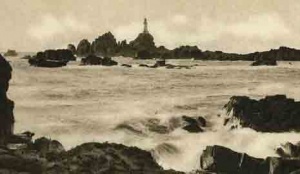
Violent seas have caused many a shipwreck at Corbiere over the years. The name, which is probably derived from corbeau, the French for crow, is commonly found elsewhere in the French-speaking world, notably on the north Brittany coast, in central France and Switzerland.
Jersey's Corbiere is first recorded in the 1309 Assize Roll, after a tub was washed ashore there. It was a regular occurrence for a ship to founder on the rocks when rounding the corner of the Jersey coastline in stormy weather and its cargo to be washed up on the sands of St Ouen's Bay.
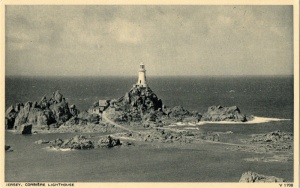
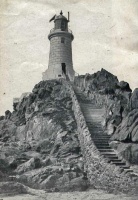
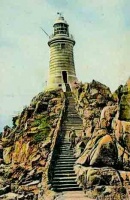
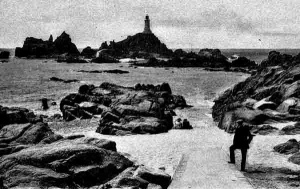
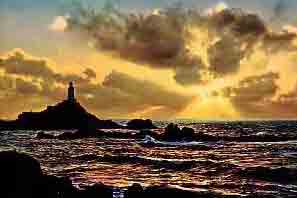
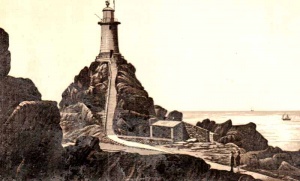
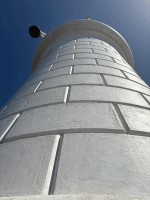
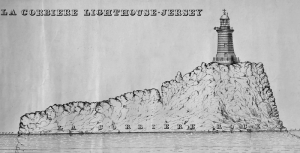
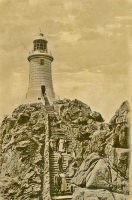
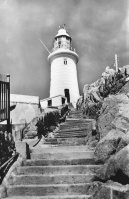
It was not until 1873 that the lighthouse was constructed which now allows ships to plot a safe route. It is 11 metres tall and was the first lighthouse in the British Isles to be constructed of concrete. [1]
The light can be seen from a distance of over 25 kilometres, but this has not stopped smaller vessels from taking a short cut through the rocks off the coastline en route from Jersey to Guernsey and coming to grief after striking a hidden rock.
Victor Hugo
Victor Hugo described the area as the 'herdsman of the waves' and in years gone by mariners knew it as the 'dreaded Corbiere'.
Light
The lighthouse is now automatic, but it was previously manned on a rota basis by four keepers, some of whom lived in cottages nearby and worked a two-day shift. They were also required to signal to St Helier when approaching ships came into view. Among the last before automation was Graeme Robbins Marett.
Balleine
From The Bailiwick of Jersey by George Balleine
- "We are told that the word comes from corbeau, a crow, rook, or raven and, if we ask why our forefathers specially noted the haunts of crows, the most probably answer is that the crow was considcred a bird of ill omen. Certainly Jersey's Corbiere has proved a death-trap to many a ship.
- "The Chroniques tell how in 1414 "a great Spanish ship was lost on the Corbiere, and the sands of St Ouen Bay were strewn with casks of wine", and the hall of the manor, for the seigneur had the right to all wreckage, could hardly contain the puncheons that were stored there.
- "On St Catherine's Day, 1495, five Spanish caravels were driven on these rocks, and the sand-storm which destroyed the fertility of Les Quennevais was attributed by tradition to God's wrath at the cruelty shown to their crews, And so the dismal tale went on throughout the ages. At last, in 1873, a lighthouse was built by the States. Imrie Bell, the engineer, chose an isolated rock 500 yards from the shore. On this he placed a concrete platform 9 feet high, and a tower 35 feet high on the top of that, the first lighthouse in the British Isles to be built of concrete. The light, which is now electric, can be seen for 18 miles.
- "The rush of the tide round these rocks is extremely dangerous. At the entrance to the causeway is a memorial stone to 'Peter Edwin Larbalestier, assistant keeper at the lighthouse, who on 28 May 1946 gave his life in attempting to rescue a visitor cut off by the incoming tide. Take heed, all ye that pass by!'
- "The headland is studded with concrete fortifications that the Germans left behind. Near their tall fire-control tower is a tiny cove known as La Rosiere (tbie may mean a place where reeds grow, from the old French ros a reed, or it may refer to wild roses, of a creeping variety, which grow in the vicinity). There are caves there which, it is firmly believed, used to be used by smugglers.
- "It was here that, in September 1859, the mail steamer Express was wrecked, with some loss oflife. A large area of headland has been generously given to the Island by the Le Quesne family, to be preserved for ever as an open space. A deep quarry, long derelict, is to be used to house a sea-water desalination plant, but it is hoped that this project will be discreetly planned, and not interfere with such a splendid open, unspoilt area.
- "The other object of interest on this wind-swept point is the Table des Marthes (the table on which children played marthes, ie knucklebones). It lies at the spot where in railway days the Corbiere station stood. This great block of red granite, 12 feet long, 6 feet wide, and 2 feet thick, is undoubtedly the capstone ofa prehistoric tomb. As late as 100 years ago contracts signed on this table were regarded as especially binding.:

Account of the lighthouse's construction
- Construction of Corbiere lighthouse, A detailed discussion paper on the construction of the first concrete lighthouse in the British Isles, by Imrie Bell
Histories
- Corbière and Petit Port, a Jersey Archive history Added 2016
- Corbière and the Vingtaine of La Moye in census returns Added 2016
- Coast: Corbiere, one of the stops on our coastal tour of Jersey Added 2019
Notes and references
- ↑ Although there was a strong demand from mariners and shipping companies for the construction of a lighthouse, they did not want to help finance its construction and ongoing maintenance. On 26 March 1872 the manager of the Weymouth and Channel Island Steam Packet Company, Mr John Wimble complained to the States regarding a levy for the new lighthouse. A Levy of 1d per ton on shipping for the maintenance of the lighthouse had been proposed. Mr Wimble said that two-thirds of this would be contributed by the steamers, which already paid high harbour dues. He claimed that a lighthouse would benefit sailing vessels, but not steamers. Although the London and South Western Railway Company fundamentally agreed with Mr Wimble's complaint, they did not at this stage commit to a formal objection.


-
-
-
-
-
-
-
-
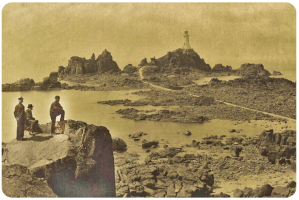 1890
1890 -
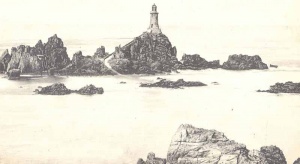 1906
1906 -
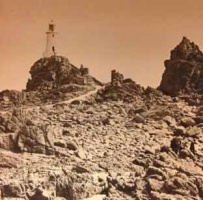 A Victorian lantern slide of La Corbiere
 -
 Before the lighthouse was built
 -
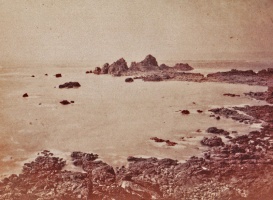 Before the lighthouse was built
 -
 Close inspection of this picture reveals that work has started on the base of the lighthouse
 -
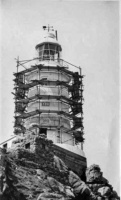 1966 repairs
 -
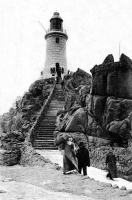
-


-
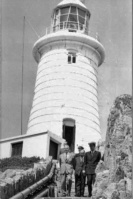
-
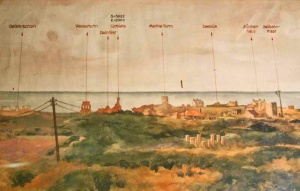 A German view of Corbiere from La Moye
 -
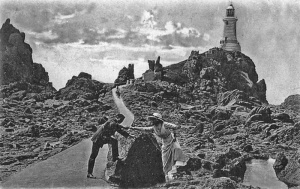
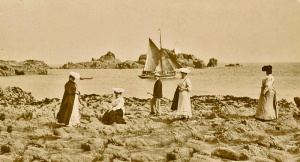
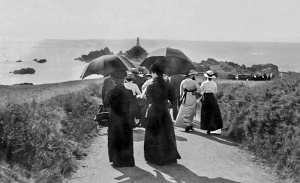
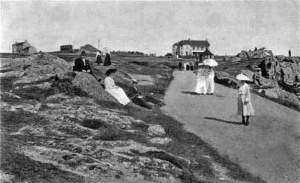 Ladies stroll in the sunshine at Corbiere in the 1900s
 -
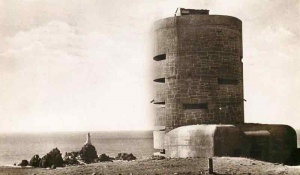 Corbiere observation tower
 -
-
-
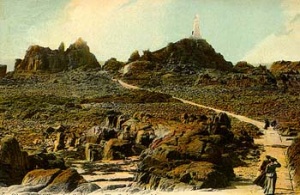
-
 The lighthouse in 1914
 -
 The lighthouse in 1924
 -
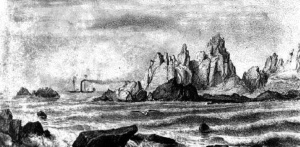
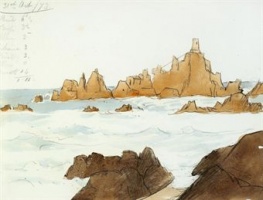
 A drawing of the rocks at La Corbiere dated 1862 - 11 years before the lighthouse was built
 -
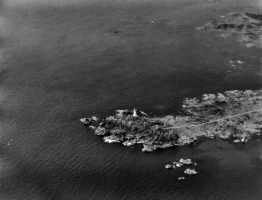 1951 aerial photograph by Aerofilms
 -
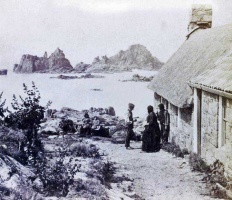
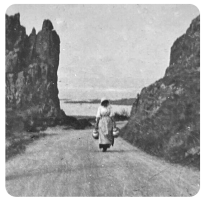 The figure in this 19th ceentury photograph on the road between Corbiere and Petit Port was described as 'a peasant'!


-
 Ouless drawing of the lighthouse under construction
 -
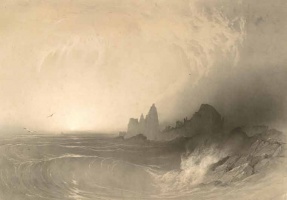 Le Cappelain's view of Corbiere rocks
 -
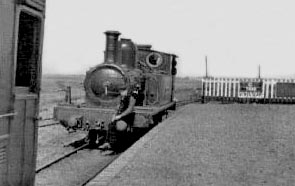 'St Brelade' at Corbière Station
 -
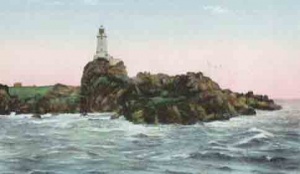
-
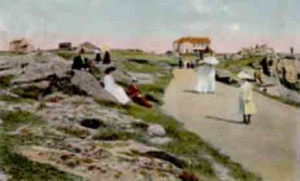 A picture from the first decade of the 20th century
 -
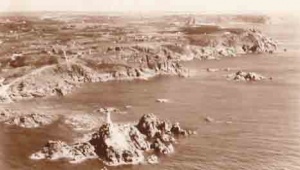 An early aerial photograph
 -
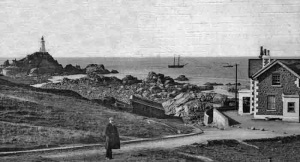
-
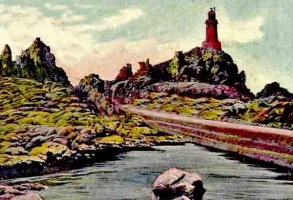
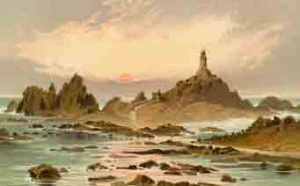 An 1890 painting of Corbiere
 -
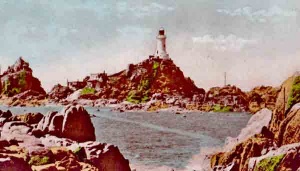
-
-
-


-
-
-
-
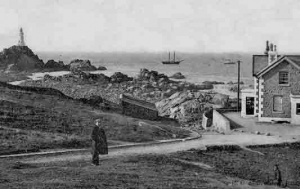 1907
1907 -
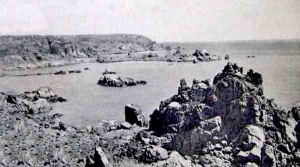 Looking east along the St Brelade coast
 -
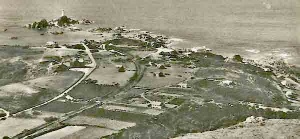 Aerial photograph of Corbiere
 -
-
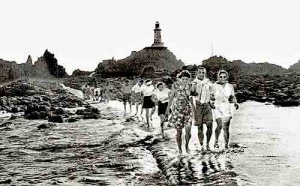 Corbiere in 1939 - a happy time before the Germans arrived
 -
-
-
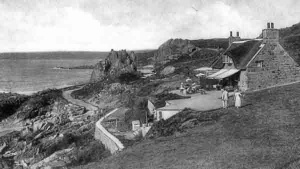 The coast near Corbiere
 -
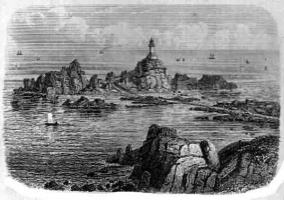 Corbiere in 1870


-
-
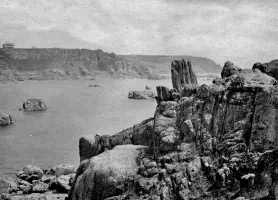 The coast near Corbiere
 -
-
-
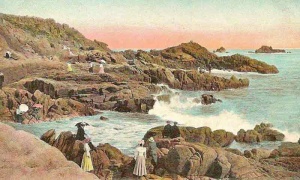 A stormy sea at Corbiere
 -
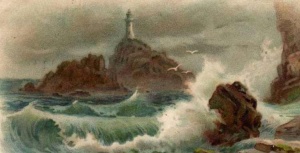 A 1903 postcard view
 -
-
-
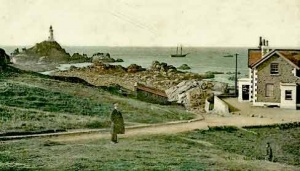 A 1907 photograph
 -
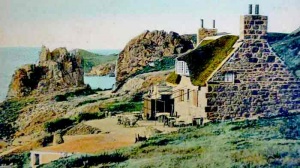 The property known as Bivouac
 -
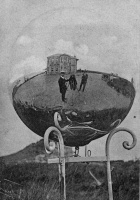
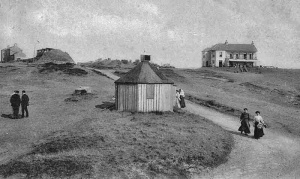 The camera obscura at Corbiere was a major attraction persuading islanders and tourists to take the train there
 -
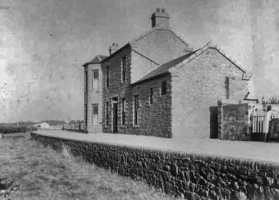 Corbiere Station after the rails were removed


-
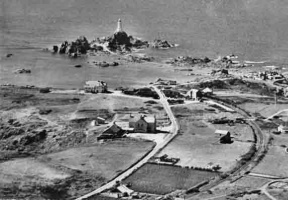
-
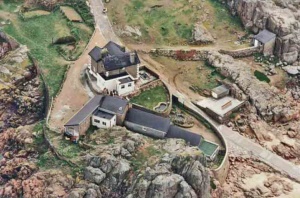 Keepers' cottages at Corbiere
 -
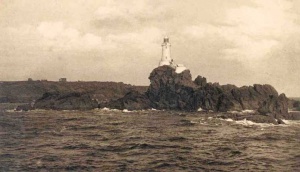 A photograph by Francis Foot
 -
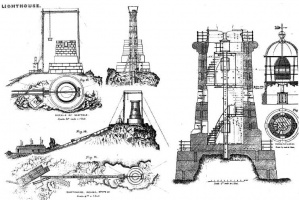 Construction drawings of the lighthouse
 -
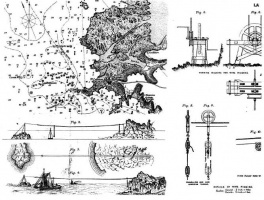 Construction drawings of the lighthouse
 -
-
-
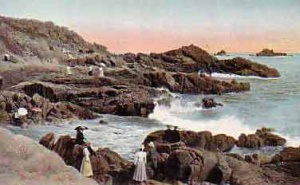 Waves breaking on the rocks at La Corbiere
 -
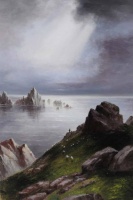 An 1882 painting by Sarah Louisa Kilpack
 -
La Corbière
-
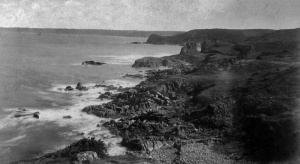 Another view of La Corbière
 -
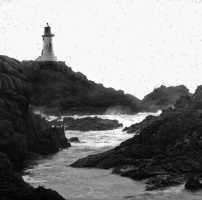 La Corbière in 1890


-
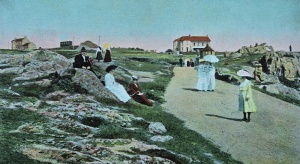 La Corbière in the 1910s
 -
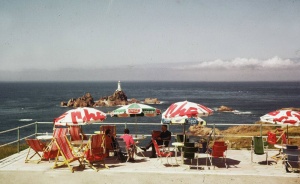 1970s
1970s -
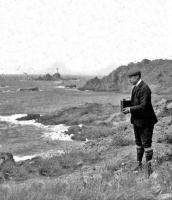 1904
1904 -
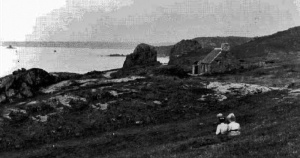 A photograph by Philip Morel-Laurens
 -
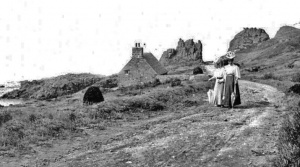 A photograph by Philip Morel-Laurens
 -
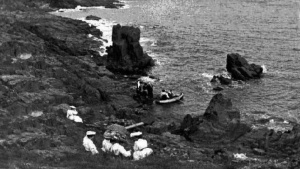 Baie a Sablon
 -
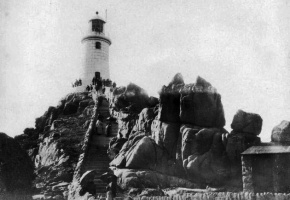 La Corbiere in the 19th century
 -
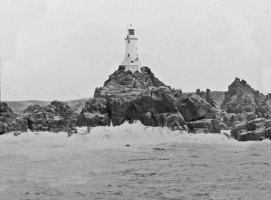 A 1900 slide
 -
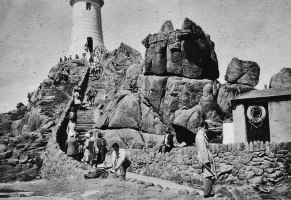 1930s
1930s -
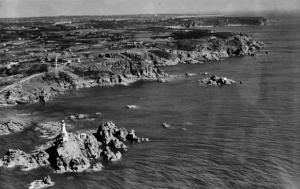 1933 aerial photograph by Aerofilms
 -
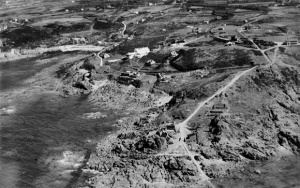 1933 aerial photograph by Aerofilms
 -
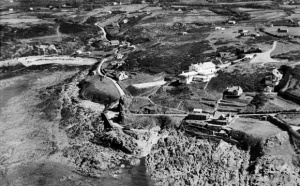 1933 aerial photograph by Aerofilms


-
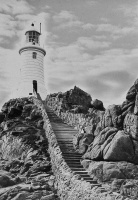 A Victorian lantern slide
 -
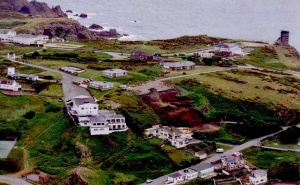 A 1997 aerial picture
 -
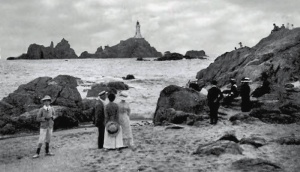 On the rocks in 1906
 -
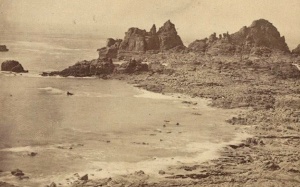 1865
1865 -
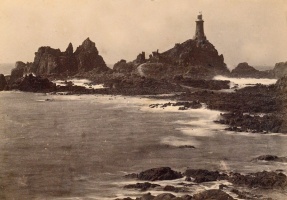 1880
1880 -
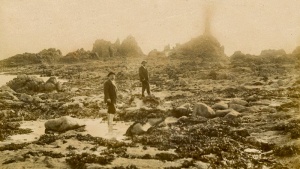 Rocks at Corbiere
 -
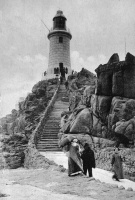
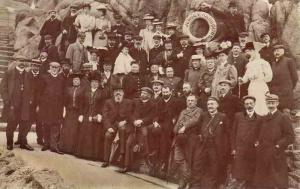 A 'Jersey Harbour' group on the steps of La Corbière Lighthouse
 -
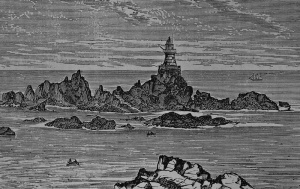 From an 1882 Ward Lock publication
 -
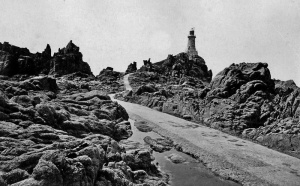 1891
1891 -
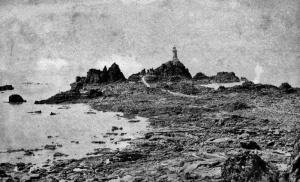 1891
1891 -
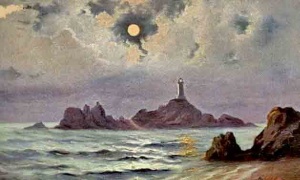 Corbiere Lighthouse painted by Larbalestier
 -
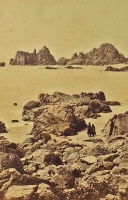 Victorian photographers had a fascination with the rocks on which the lighthouse would be built. It was almost as if they had a premonition that something was to come. This photograph was taken by Asplet and Green between 1868 and 1870
 -
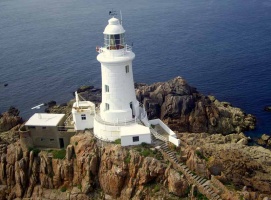 A photograph of the lighthouse today taken from a kite
 -
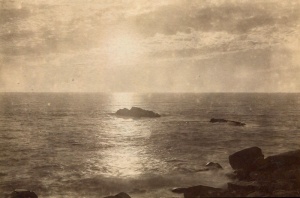 1892
1892 -
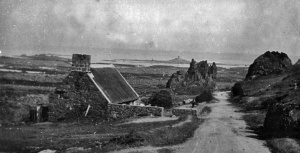
 A coastal cottage
 -
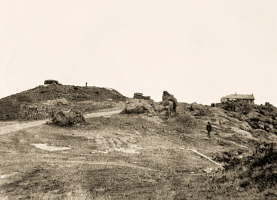
-
 2025
2025 -
 2025
2025 -
 2025
2025


-
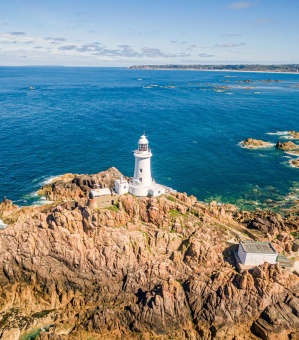 Two drone photographs
 -


-
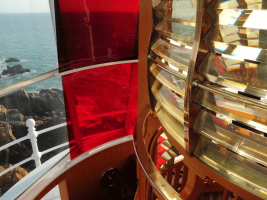
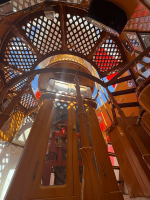
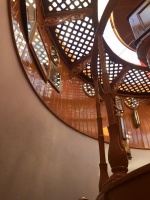 Inside the lighthouse
 -
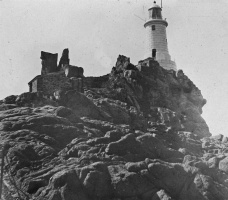 The lighthouse in 1900
 -
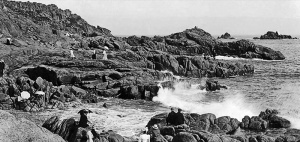 Rocks in 1900
 -
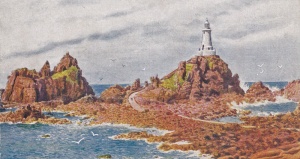 1930s postcard
 -
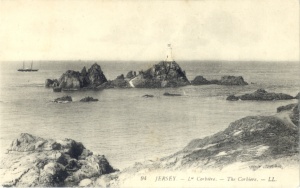 LL postcard
 -
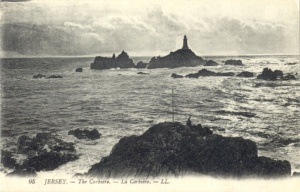 LL postcard
 -
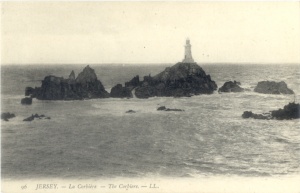 LL postcard
 -
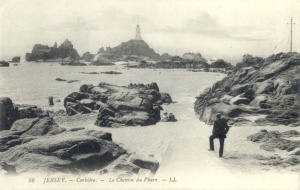 LL postcard
 -
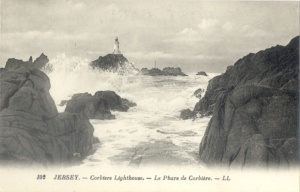 LL postcard
 -
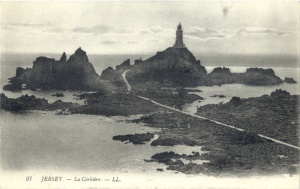 LL postcard
 -
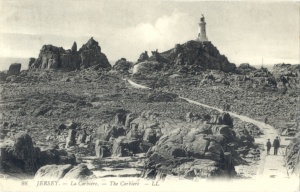 LL postcard
 -
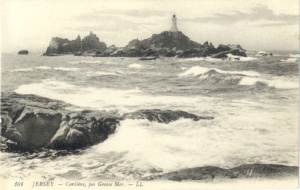 LL postcard
 -
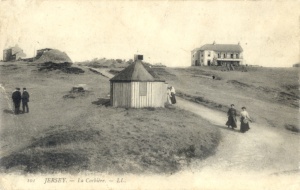 LL postcard
 -
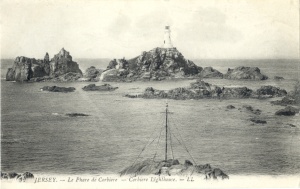 LL postcard
 -
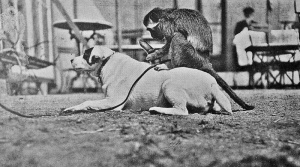 A mystery picture of unusual companions taken at a cafe at Corbiere, but the exact location is unknown. The picture sent to us was captioned 'Corbiere pets'
 -
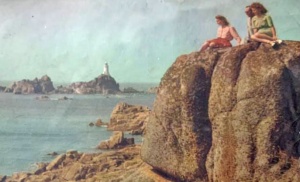 From a 1949 calendar
 -
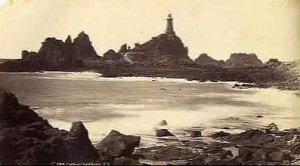
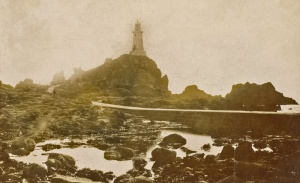 A 19th century silver print of La Corbiere
 -
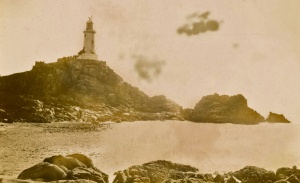 Another silver print
 -
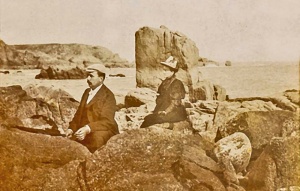 A couple on the rocks in the 19th century
 -
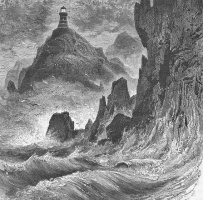 An 1880 etching
 -
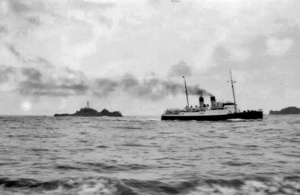 A ferry passes Corbiere in 1960
 -
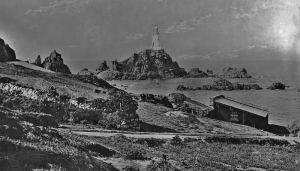
-
-
-
-
-
-


-
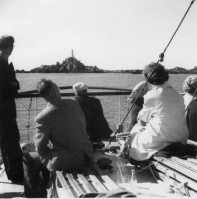 The view from the ferry in 1960
 -
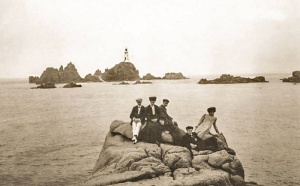 1904
1904 -
 1874 print
 -
 On the rocks at Corbiere in 1906
 -
 1930s
1930s -
-
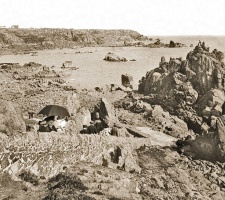
-
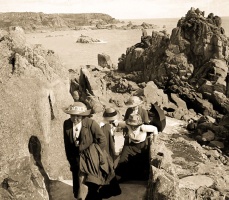
-
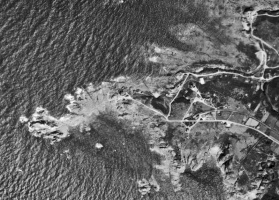 An aerial view of Corbiere in 1942, before the construction of major German defensive installations started
 -
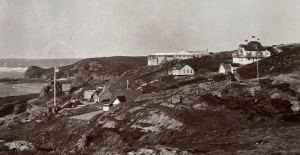 Hotels on the headland
 -
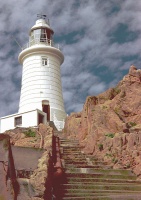 1959
1959 -
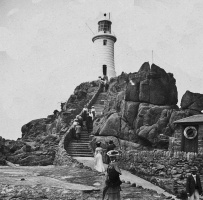 1890
1890 -
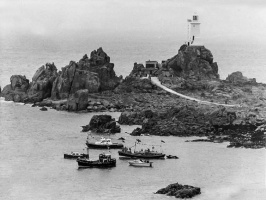 A gathering of small boats. The date and occasion are unknown, but the vessels include the Jersey lifeboat; States launch Duchess of Normandy; and a pilot boat. The photograph must have been taken between 1967 and 1975
 -
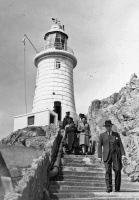 1954 visit by the then Lieut-Governor
 -
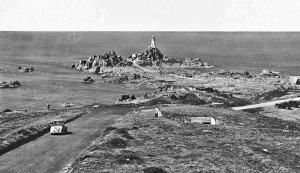 1948
1948 -
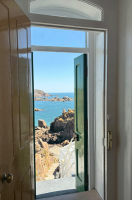
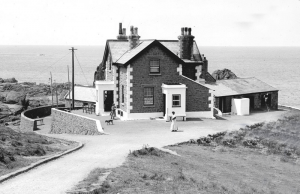 Lighthouse keepers' house


Occupation photographs


150th anniversary
To celebrate the lighthouse's 150th anniversary in 2024 it was given a fresh coat of paint inside and out, and floodlit by golden lights in April and May


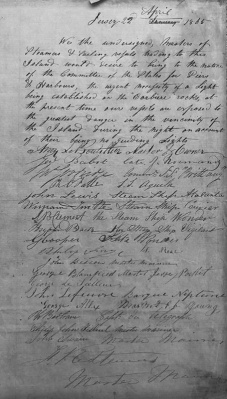
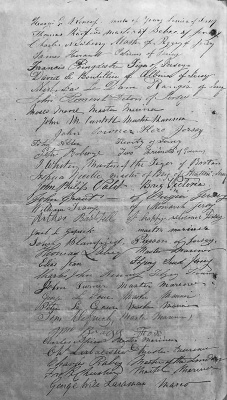
1865 petition and States decision
A petition to the States in 1865 calling on them to build a lighthouse at La Corbiere
-
-
-
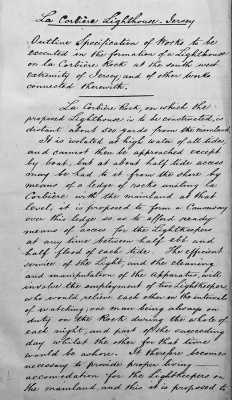 The specification of the structure


-
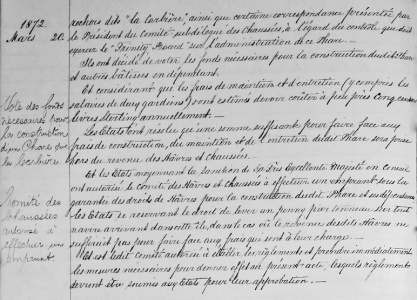 Minutes of the States meeting which approved the lighthouse
 -
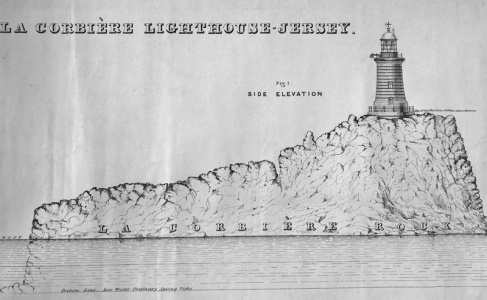 A design drawing