Miscellaneous farming pictures

Life on the farm


Maurice Richardson pictures
Four photographs from a collection taken by Maurice Richardson in the photographic archive of La Société Jersiaise


-
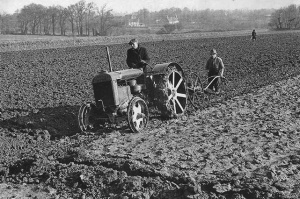 Tractor in action in 1939
 -
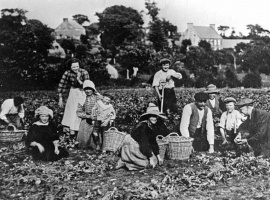 French farmworkers in 1914
 -
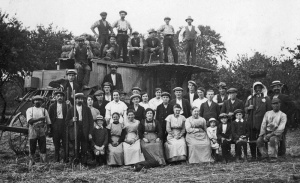
-
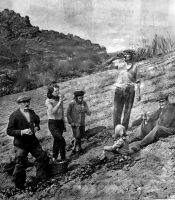 Farm workers relax


-
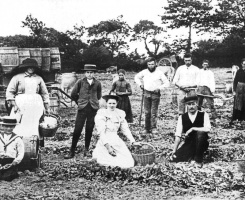 Lunch break
 -
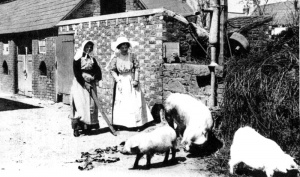 Farm ladies in the 19th century
 -
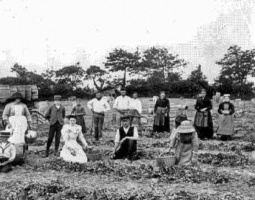
-
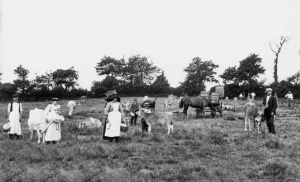
-
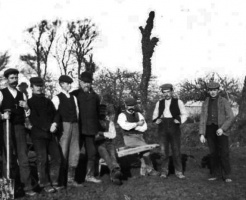 Farm workers photographed by Philip Morel-Laurens
 -
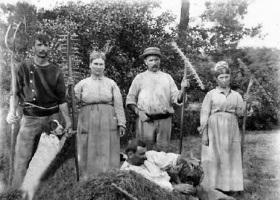
-
 A farming family in the field
 -
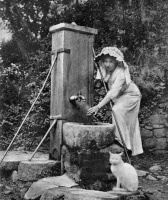 At the pump with the family cat
 -
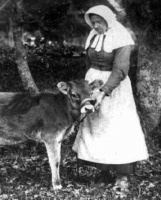
-
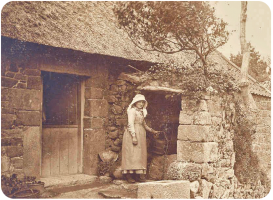 Miss Stark at the well, Les Hougues Farm, now called L`Abri, Route des Côtes du Nord, Trinity
 -
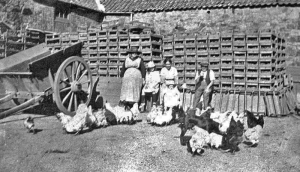 Poultry in the farmyard in 1910
 -
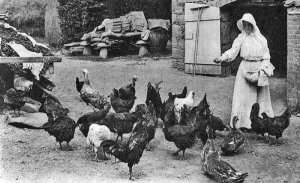 Feeding the chickens in 1910
 -
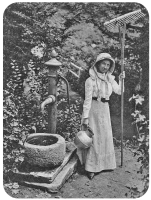 Roadside well in 1900
 -
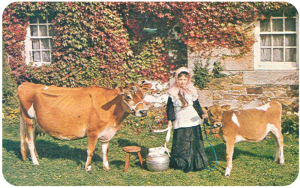 1970
1970 -
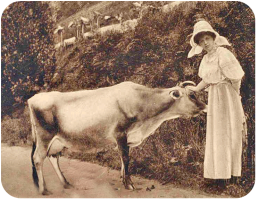 Milkmaid with her cow in a country lane
 -
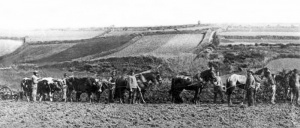 Work in a field in 1900
 -
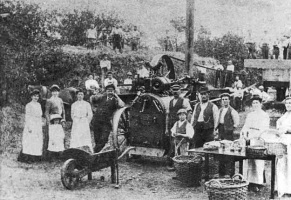 The Ozouf family in Grouville in 1910-12
 -
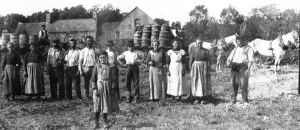 L'Auberge du Nord, when it was the Richard family's farm. Today it is a public house
 -
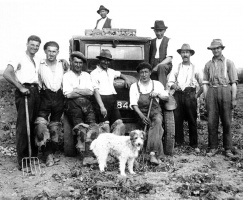 John de la Haye's farm at West Lynn, St Ouen, in the 1930s
 -
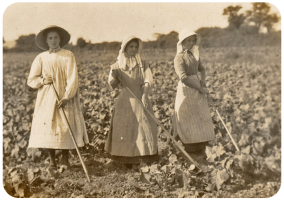 Hoeing
 -
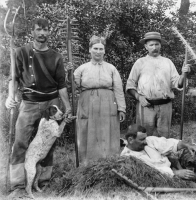
-
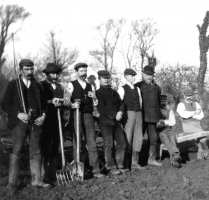 Photograph by Philip Morel Laurens
 -
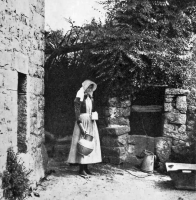 A milkmaid at an unidentified farm well


-
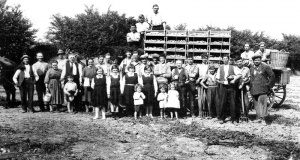 Highstead, St Saviour, in 1934
 -
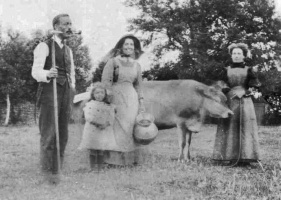 L'Abri Farm, 1913
 -
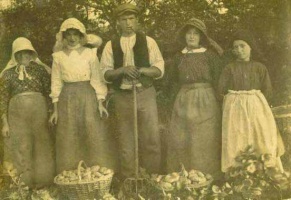 The Huchet family at St Peter in the 1910s
 -
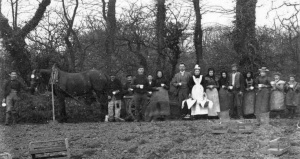 Farm workers pause for refreshments in 1890
 -
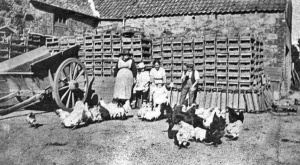 The Dutot farmyard in 1910
 -
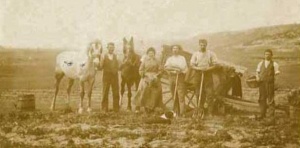 Farm workers
 -
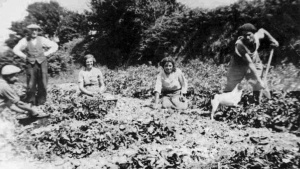 The Renouf family in their field in 1950
 -
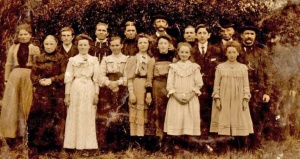 St Lawrence farming families about 1900
 -
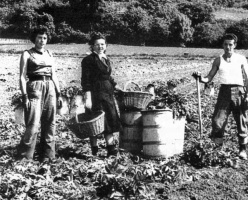 French farmworkers in the 1950s
 -
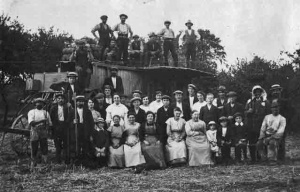 A Jersey farming scene
 -
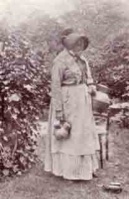 The farmer's wife
 -
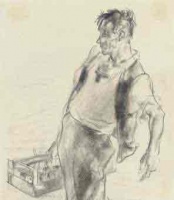 A farmhand by Blampied
 -
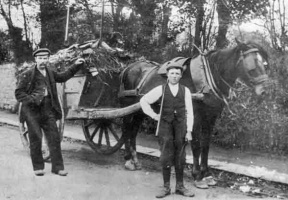 A farmer and his son
 -
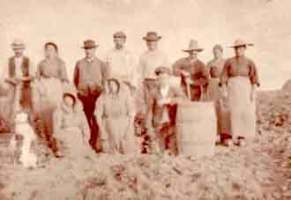 Workers at La Retraite Farm
 -
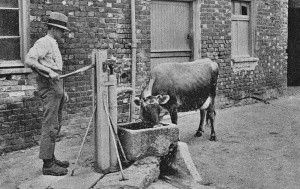 A farmyard in the 1930s
 -
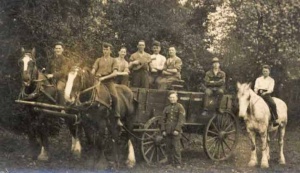 A large farm wagon
 -
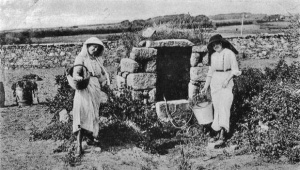 Girls at a well in 1914
 -
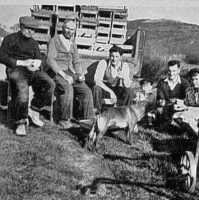 Farmworkers at St Brelade in the 1950s
 -
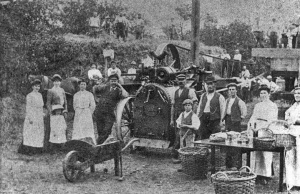 Farrel Farm at Grantez in 1910
 -
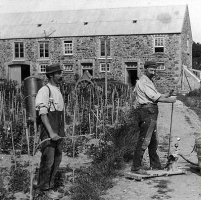 Tomato spraying


-
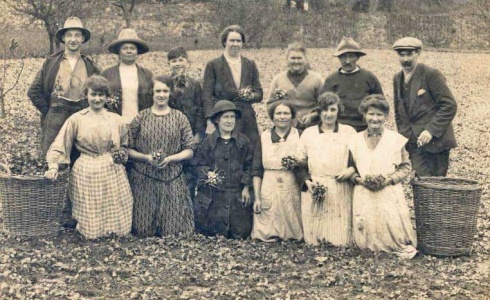 Radish pickers at La Moye in 1906
 -
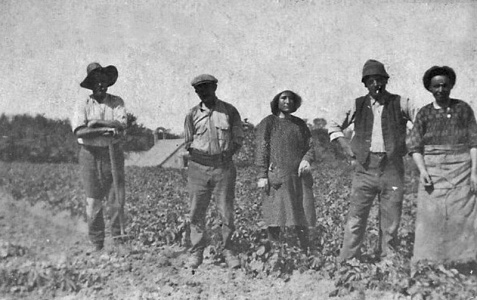 Farm workers at St Brelade in 1928


Hay making

-
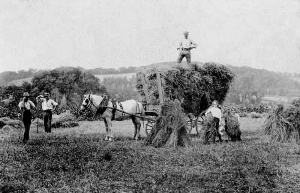 Haymaking in Grouville
 -
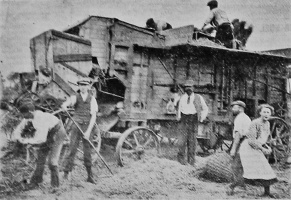 1912 harvest
 -
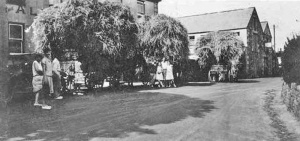 Hay carts in St Peter's Village
 -
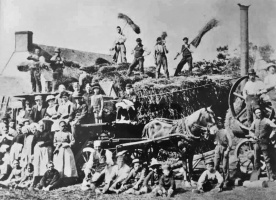 Threshing 1890
 -
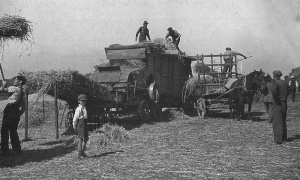 Threshing, 1936
 -
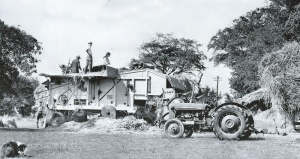 Threshing on the Pipon farm in 1970
 -
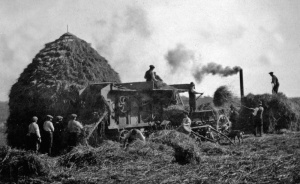 Threshing at St Peter
 -
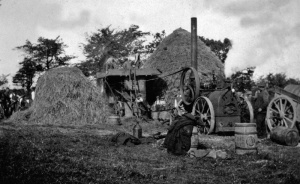 St Peter
 -
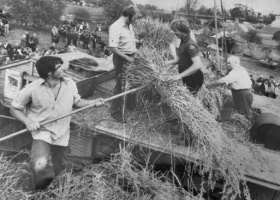 Grouville, 1975
 -
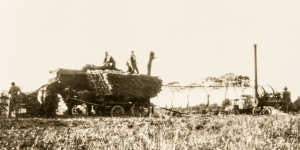 Threshing at a Mont Cochon farm
 -
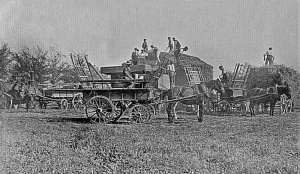 Threshing in 1905 at an unknown farm
 -
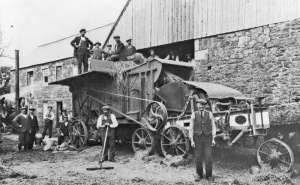 Another picture of threshing in St John in 1930
 -
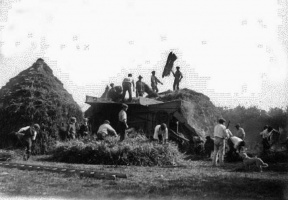 Threshing in the 19th century
 -
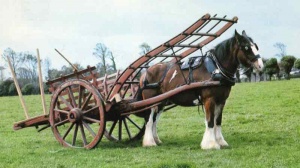 Hay cart
 -
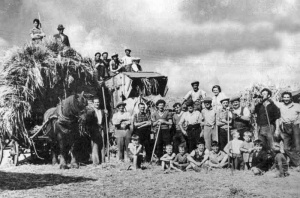 The Cabot family threshing at Bouley Bay Common in 1954
 -
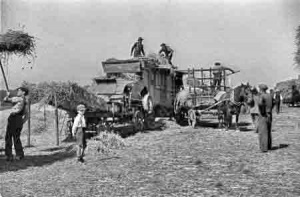 Threshing in 1936


-
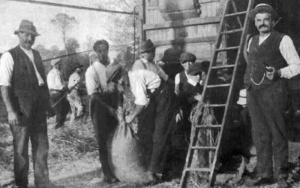 Threshing on a Grouville farm in 1910
 -
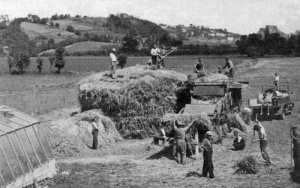 Hay making at Home Farm, Grouville in 1947
 -
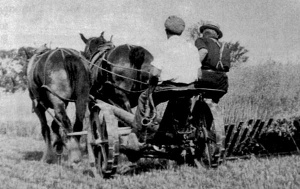 Reaping at Home Farm, Grouville in 1950
 -
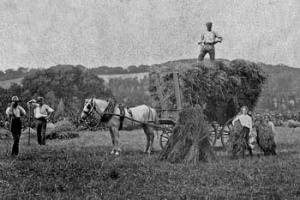 Hay making
 -
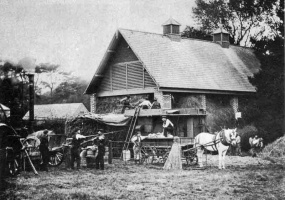 Threshing
 -
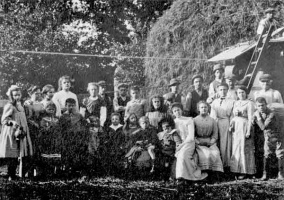 Threshing was a major community event in 1925
 -
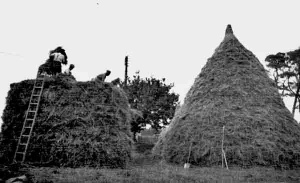 Building haystacks at St Martin in 1948
 -
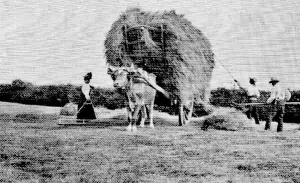 Oxen pull in the hay crop - they were once considered more economical than horses
 -
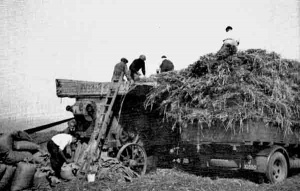 Threshing at Les Platons in 1948
 -
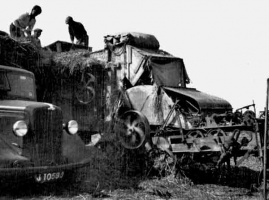 Another picture of threshing at Les Platons
 -
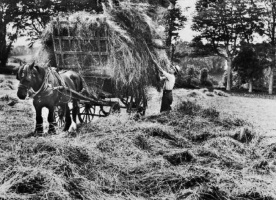 Hay making in St Lawrence, 1935
 -
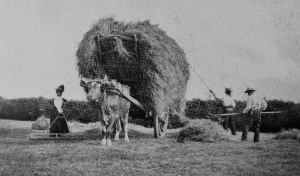 A hay cart in 1905
 -
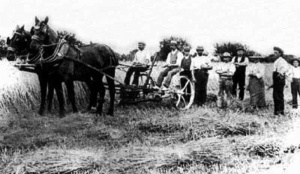 Horse-drawn mower
 -
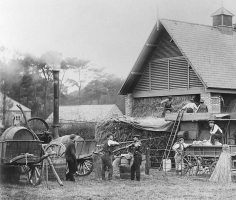 Threshing
 -
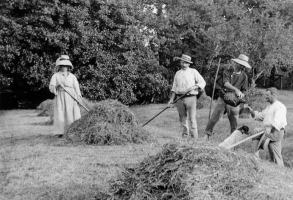 Hay making
 -
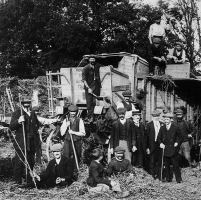 Le Cappelain threshing machine at Clairval in 1912


.jpg)


-
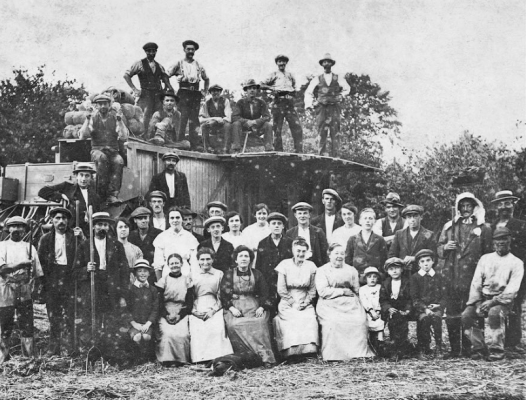 Croix au Maitre in 1920
 -
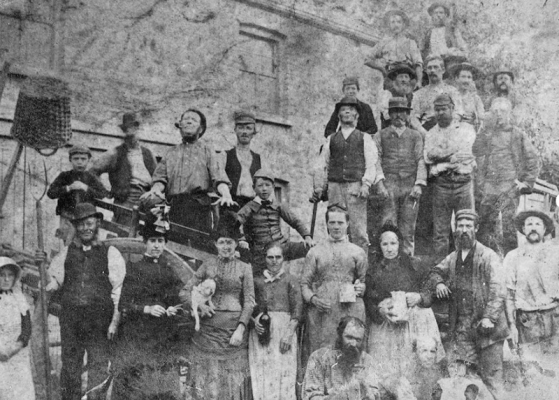 Le Petits Canons, Trinity, in 1880
 -
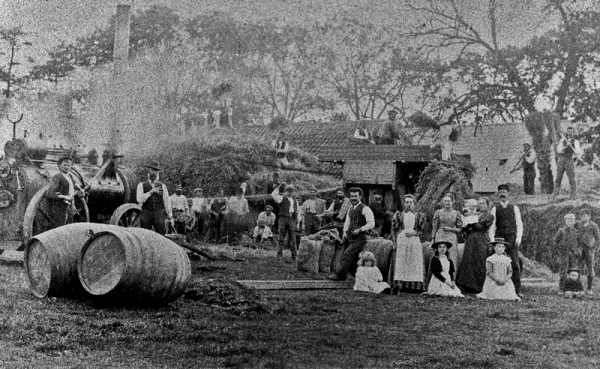 1910
1910 -
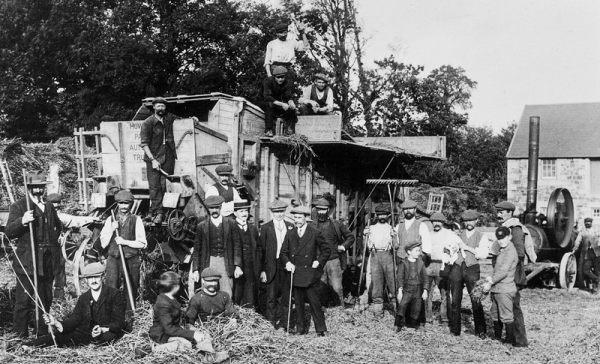 Le Cappelain and Sons machine in 1912


Jersey cabbages

-
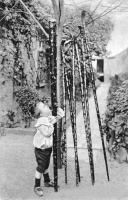 A giant variety of cabbages was traditionally grown on Jersey farms to make walking sticks and tall canes for various purposes
 -
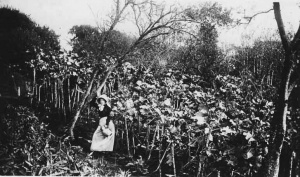 Jersey cabbages
 -
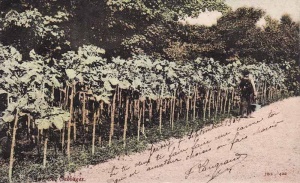 Jersey cabbages in 1904
 -
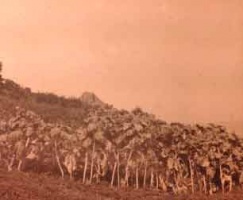 Jersey cabbages – a Victorian lantern slide
 -
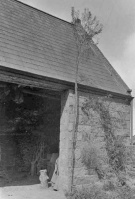 An 18-foot cabbage plant in 1934
 -
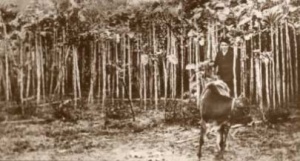 1910
1910 -
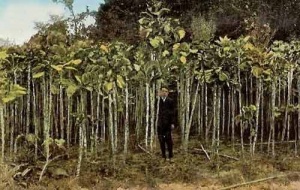 Giant Jersey cabbages
 -
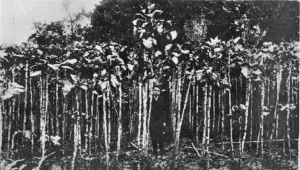 Jersey cabbages
 -
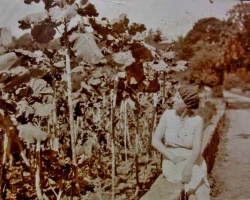 Jersey cabbages, 1933
 -
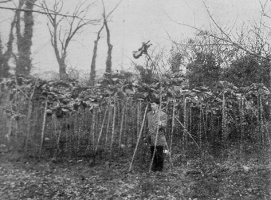 Tall-jack cabbages photographed by Albert Smith
 -
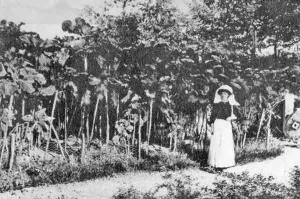 Jersey giant cabbages
 -
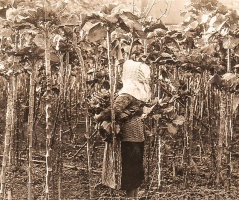
-
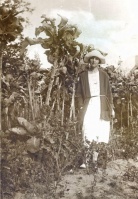


Tomatoes
-
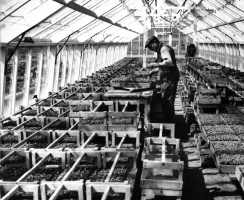 Tomato seedlings
 -
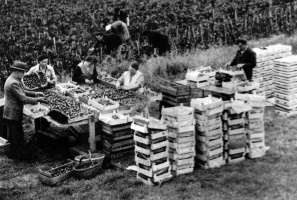 The Simon family at Val de la Mare, packing tomatoes in the field in 1953
 -
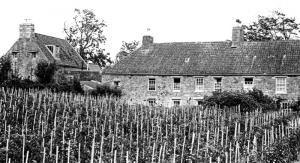 Outdoor tomatoes were once a very valuable crop
 -
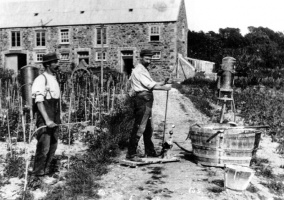 Spraying tomatoes in the 19th century
 -
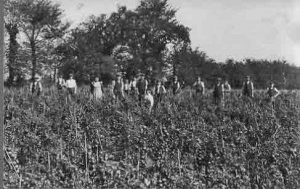 A field of tomatoes
 -
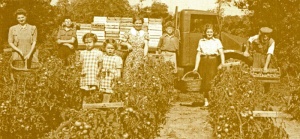 Picking tomatoes
 -
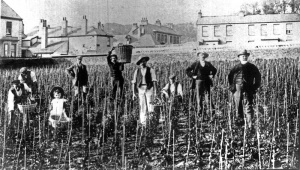 Tomatoes growing at Pied du Cotil near First Tower
 -
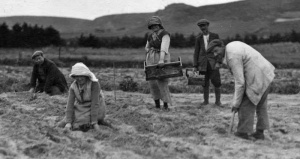 Tomato planting
 -
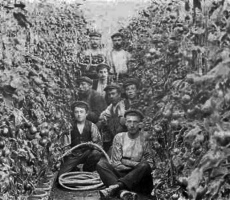 Tomato picking, 1910
 -
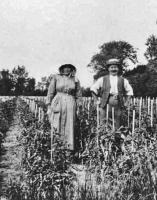 Tomato growers
 -
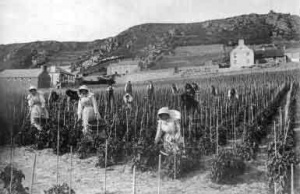 Picking tomatoes at L'Etacq
 -
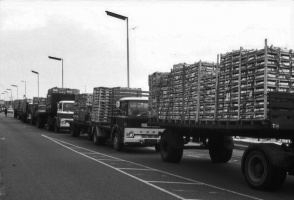 Tomatoes for export on their way to the Harbour
 -
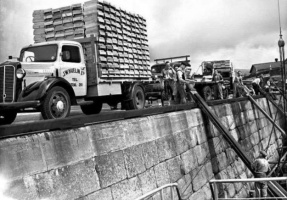 Tomatoes on the quayside for export in 1948 - Picture Evening Post
 -
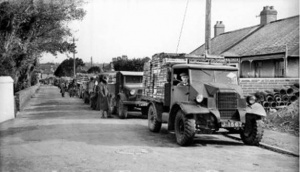 Lorries carrying tomatoes queue on the approach to the canning factory in 1948
 -
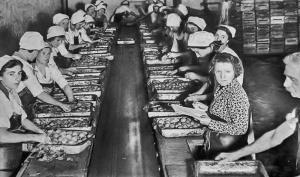 At work inside the canning factory
 -
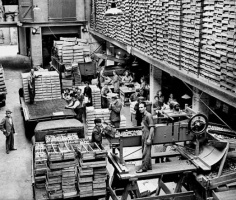 Tomato packing in 1956
 -
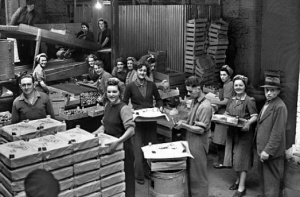 Tomato packing in 1956
 -
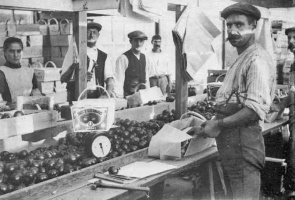 Packing tomatoes in 1913, picture by Percival Dunham
 -
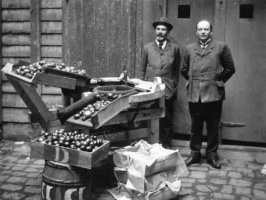 A tomato cleaning machine in 1913, picture by Percival Dunham
 -
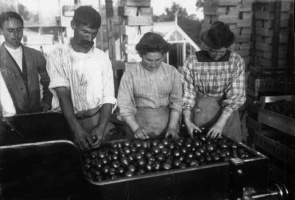 Tomato grading machine, picture by Percival Dunham
 -
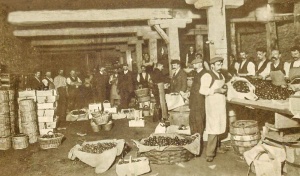 Tomato packing
 -
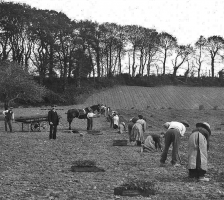 Planting
 -
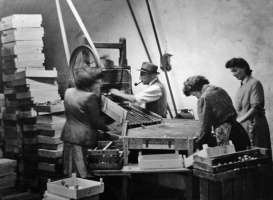 Tomato grading
 -
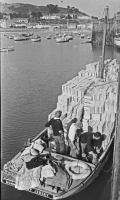 A shipment of tomato trays from France being unloaded at Gorey - 1959 Jersey Evening Post photograph
 -
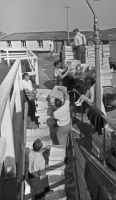 1959
1959


Breton farmworkers

-
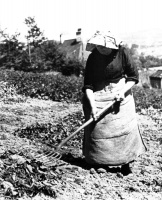 A Breton lady farmworker
 -
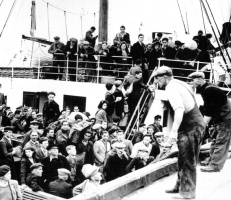 Breton workers arrive
 -
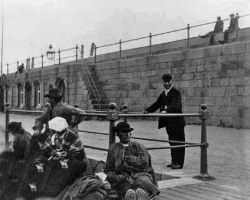 Breton workers awaiting transport at St Helier Harbour
 -
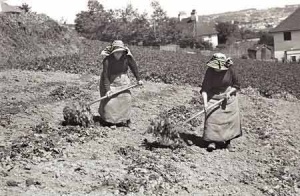 Breton workers in 1937
 -
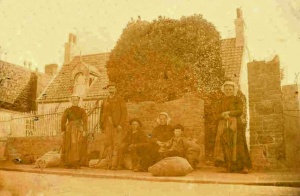
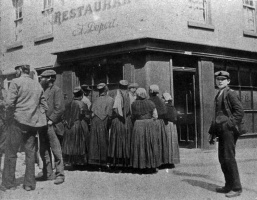 Breton workers in 1900
 -
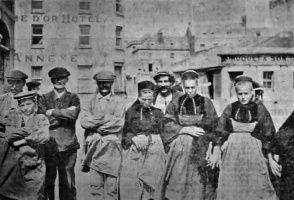
 Breton workers in 1906
 -
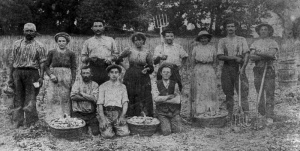
 Breton workers in 1912
 -
 Breton farmworkers
 -
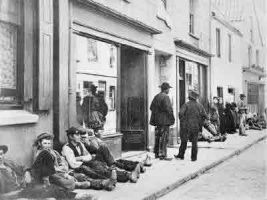 Breton farmworkers in Hilgrove Street
 -
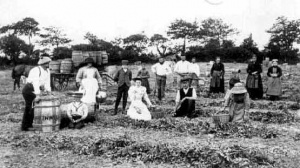 Breton farm workers were the mainstay of Jersey's farming industry for many decades
 -
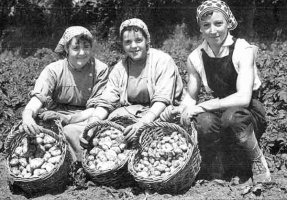 Breton girls lifting potatoes in 1935
 -
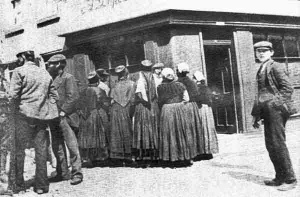 Breton farmworkers gather in French Lane
 -
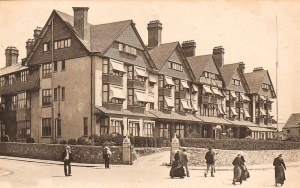 Breton workers pass the Grand Hotel on their way to a day out in town
 -
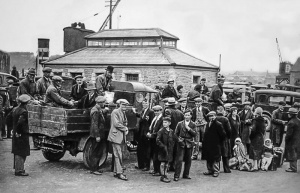 Breton workers arriving at the Harbour in the 1930s
 -
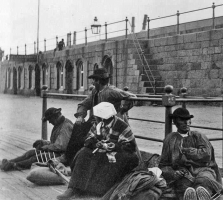
-
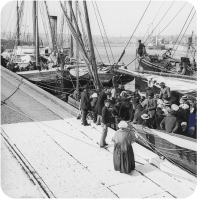


Ploughing

-
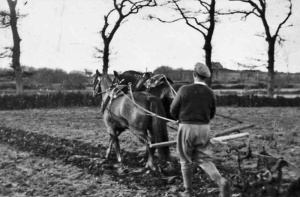 The traditional way of ploughing
 -
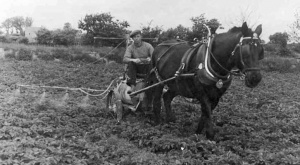
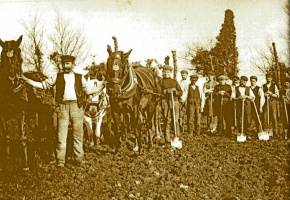 Ready for ploughing and digging
 -
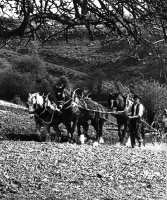 Three horse-power
 -
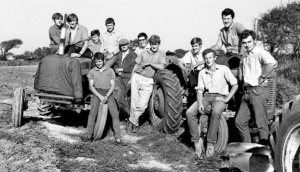 Young farmers who took part in a breezing (shallow ploughing) competition in 1963 ...
 -
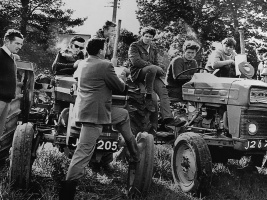 ... and another group in 1970
 -
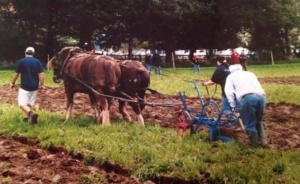 Breezing at Samares Manor
 -
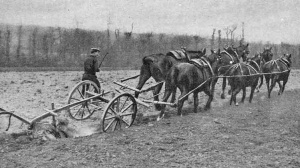 6 horsepower makes light work of ploughing in 1920
 -
-
-
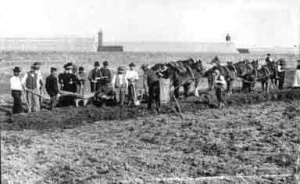 A plough drawn by six horses
 -
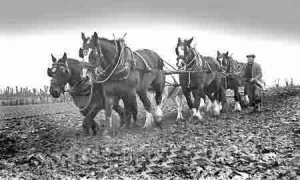 Traditional ploughing
 -
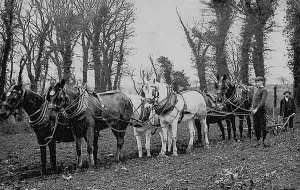 A team of horses pull a plough
 -
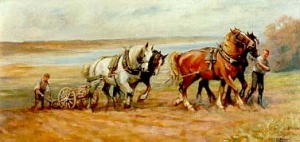 Horses ploughing by J F Alderson
 -
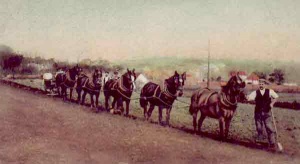
-
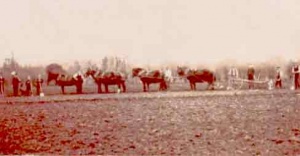 A heavy plough drawn by a team of horses
 -
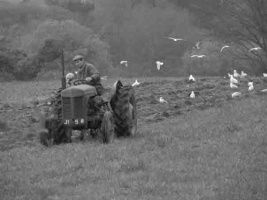 The tractor takes over
 -
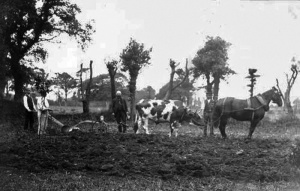 A bull helping a horse pull a plough
 -
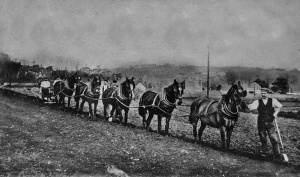 Ploughing on the Le Brun farm at St Lawrence in 1904
 -
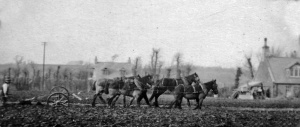
-
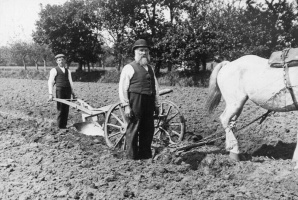 1890
1890 -
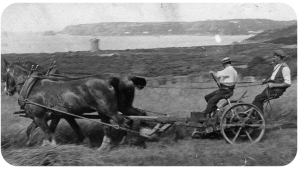 Two-horsepower plough at Les Ruisseaux Farm, above St Ouen's Bay in 1930


-
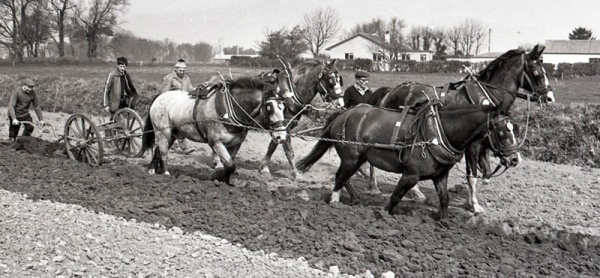 Ploughing Temps Passe ...
 -
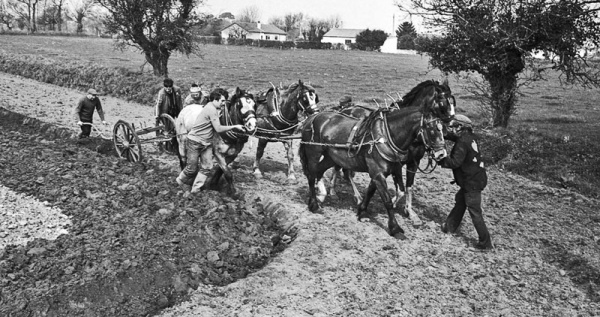 ...a 1982 demonstration of how things used to be


Sheep
-
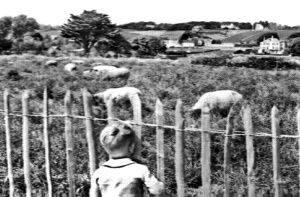 Sheep in a Jersey field in the 1950s. They died out, but were reintroduced towards the end of the century
 -
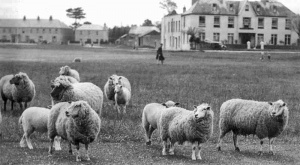 Sheep grazing on Grouville Common
 -
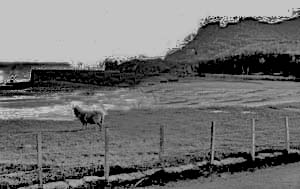 Sheep grazing in St Brelade's Bay
 -
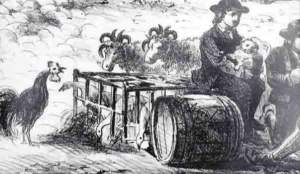
-
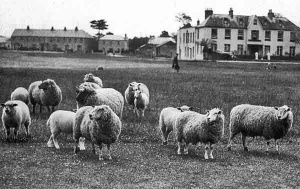 Sheep at Grouville in 1950
 -
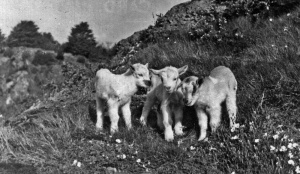 Lambs at Rozel
 -
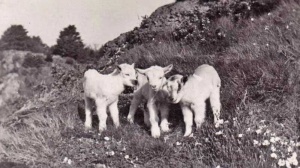 Triplets at Rozel in 1930


Miscellaneous farming pictures
-
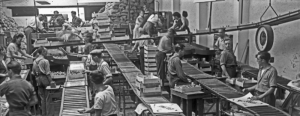 Tomato packing at Dennis and Son's Esplanade premises in 1949 - Evening Post photograph
 -
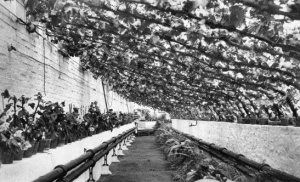 St Peter's Vineries
 -
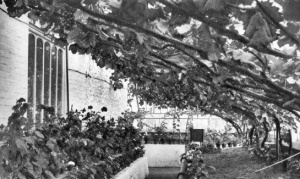 St Peter's Vineries
 -
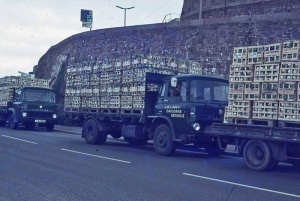 Cauliflower ready for loading on the Victoria Pier
 -
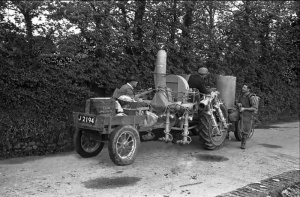
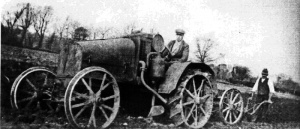 An early tractor
 -
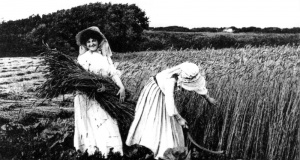 Cutting oats
 -
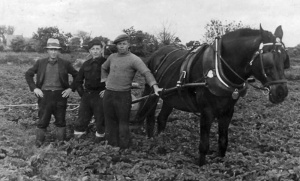 Clarry Le Breton of St Mary
 -
 Clarry Le Breton in 1964
 -
 Clarry Le Breton, of St Mary, in 1948
 -
 Clarry Le Breton in 1948
 -
 Flora Farm photographed by Albert Smith in 1911
 -
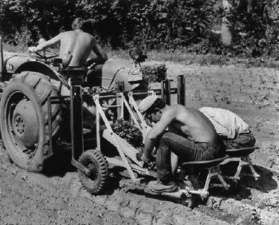 Cauliflower planting in 1991
 -
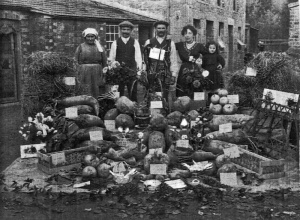 A fine display of mangolds and other farm produce
 -
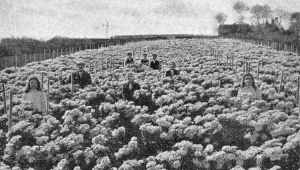 Chrysanthemums were an important crop in the 1960s and 70s
 -
-
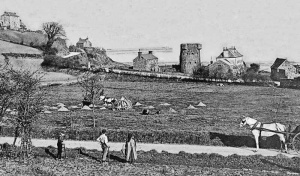 Working in the fields at St Catherine
 -
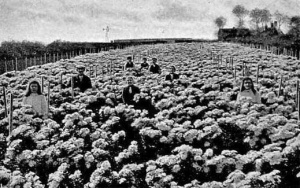 Picking chrysanthemums in the 1920s
 -
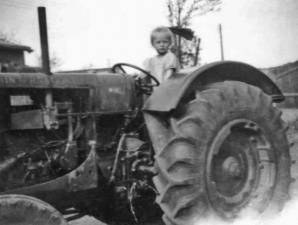 A tractor at St John in 1946
 -
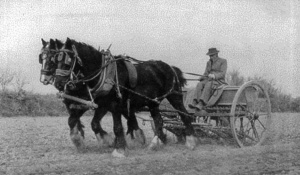 A scarifier drawn by two horses
 -
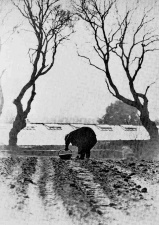 Planting bulbs at La Moye
 -
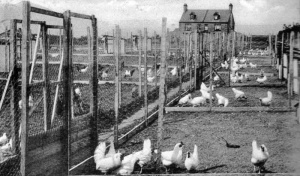 There was a poultry farm at St Brelade where Park Estate was built
 -
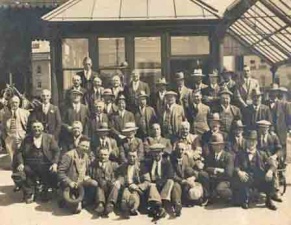 Merchants and farmers at the weighbridge
 -
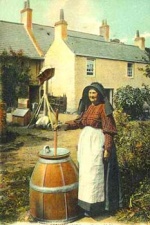 A traditional scene - butter making
 -
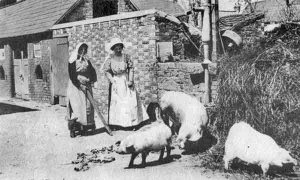 Pigs in a farmyard
 -
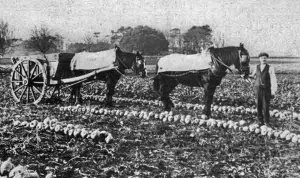 Swedes, grown to feed cattle
 -
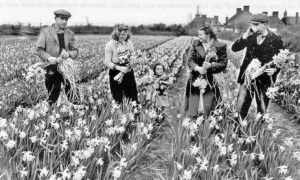 Daffodil picking in 1947
 -
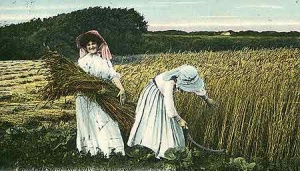 Cutting wheat
 -
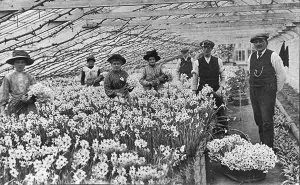
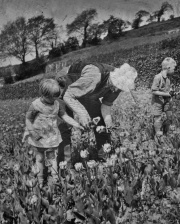 Tulips at Millbrook
 -
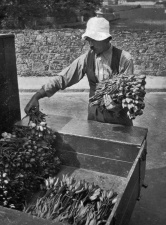 Tulips at Millbrook
 -
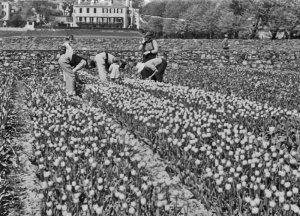 Picking tulips at Millbrook
 -
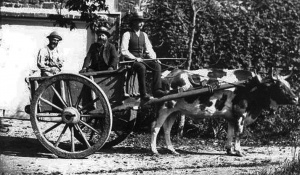 A bull pulling a farm cart around 1900-1910
 -
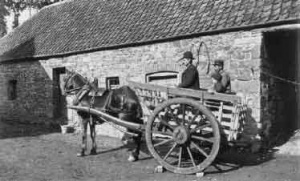 A typical farm cart
 -
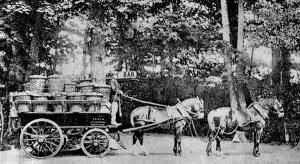 A Jersey van
 -
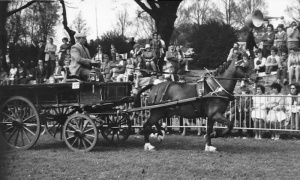
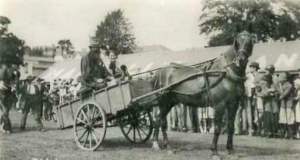 A horse and cart at a country fair
 -
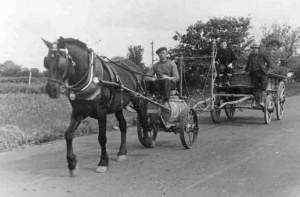
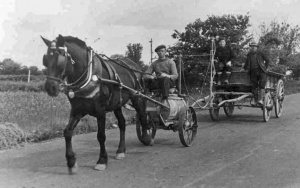 Farm carts in 1948
 -
-
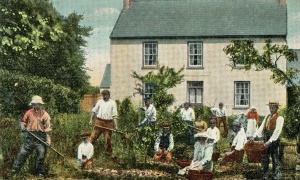 Potato diggers
 -
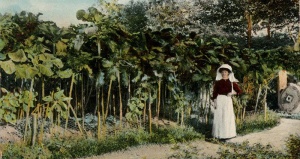 Jersey cabbages
 -
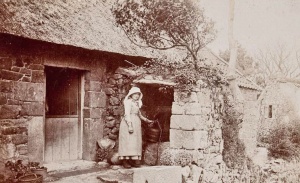 A Jersey well
 -
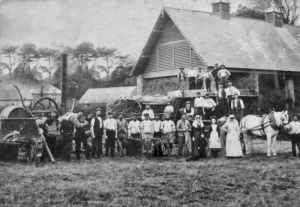 A family group photograph at La Hougue Farm, St Peter
 -
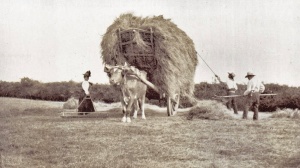 Collecting hay
 -
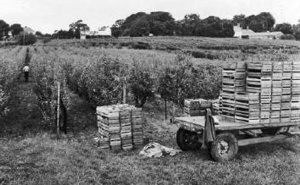 Stonewall apple orchard
 -
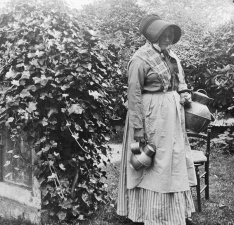 An 1880 milkmaid
 -
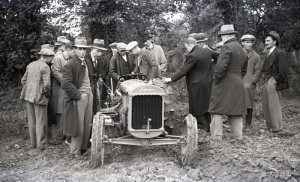 A tractor demonstration in 1936
 -
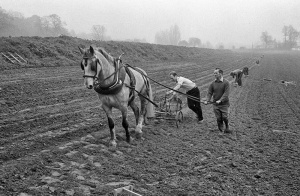 Planting the traditional way in Grouville in 1977
 -
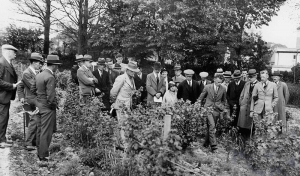 Fruit growing methods inspected at the States Farm in 1934
 -
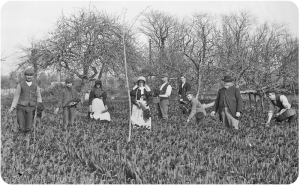 Daffodil picking
 -
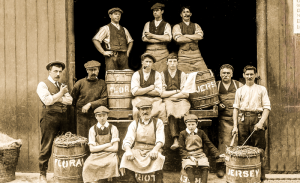 Store workers


-
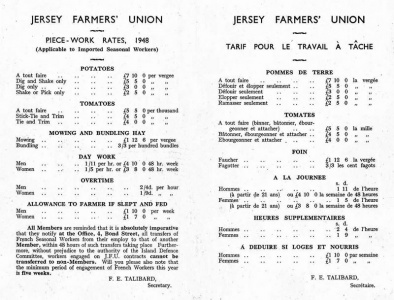 Farm wages in 1948 ...
 -
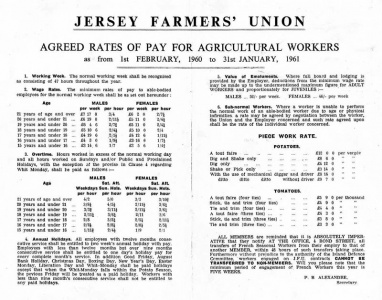 ... and in 1960-61
 -
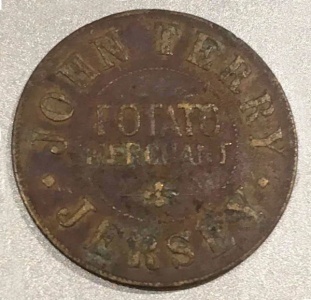 A token issued to farmers by potato merchants John Terry ...
 -
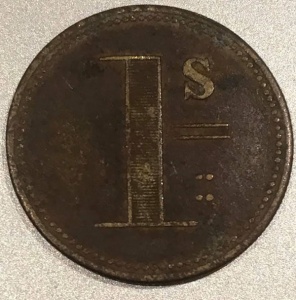 ... the token could be used to buy supplies from the merchants


Fertiliser adverts
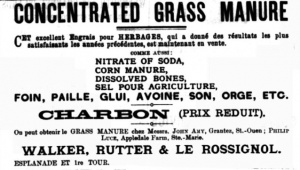
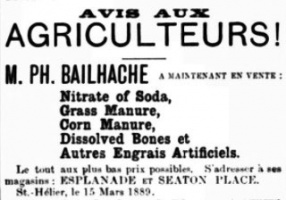
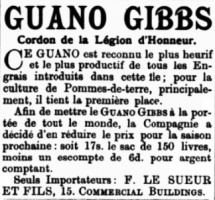
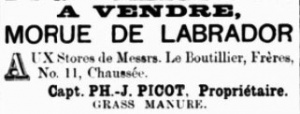
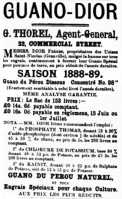
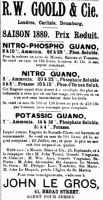
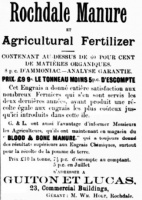
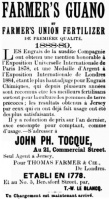
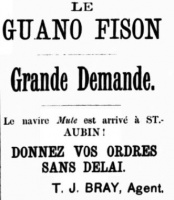
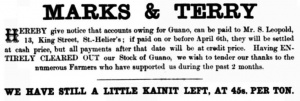
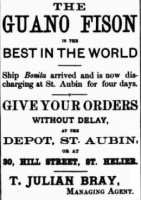
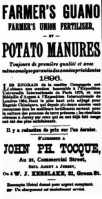
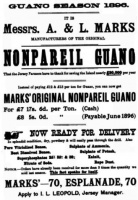
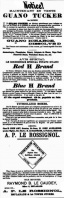
Guano, the accumulated droppings of seabirds and bats, was a fertiliser much in demand in 19th century Jersey. It was appointed by a large number of merchants, as these advertisements from local almanacs indicate.
As a manure, guano was highly effective due to its exceptionally high content of nitrogen, phosphate, and potassium: key nutrients essential for plant growth. The 19th-century guano trade played a pivotal role in the development of modern input-intensive farming, but its demand began to decline after the discovery of the Haber–Bosch process of nitrogen fixing led to the production of synthetic fertilisers. The demand for guano spurred the human colonization of remote bird islands in many parts of the world, resulting in some of the first examples of US colonialism and the expansion of the British Empire.

-
-
-
-
-
-
-
-
-
-
-
-
-
-
-
-
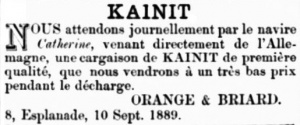 Kainit, or kainite, was a mineral mined as an alternative to guano as a fertiliser


Colorado beetles
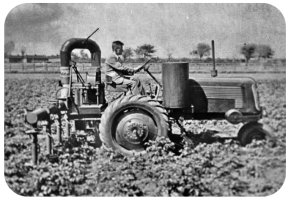
No sooner had Jersey farmers celebrated the departure of the Germans who occupied the island from 1940 to 1945 than they faced a major treat to their attempts to revive the potato export industry in 1946. Colorado Beetles, which could decimate the crop, were discovered in fields in the east of the island and a major initiative was put in place to find the beetles, kill them and prevent their spread. These pictures were taken on a visit to the island by celebrated war photographer Pierre Roughol [1]


1946 photographs
-
-
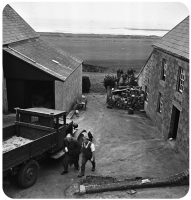 Vautier farm
 -
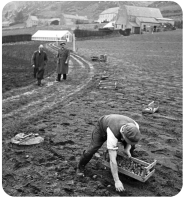 Vautier farm
 -
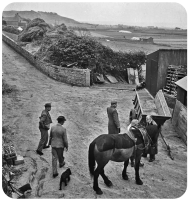 L'Etacq farmyard


- Farming picture gallery, links to other galleries of farming pictures
Notes and references
- ↑ Pierre Roughol was an accomplished French war photographer during the Second World War, documenting the Liberation of Paris in August 1944, life in prison camps and other wartime subjects. His collection has now been digitised by his great-niece, Isabelle Roughol