Removal of German weapons and ammunition
From Jerripedia
Jump to navigationJump to search

Removal of German
weapons and ammunition

Major Frank Sargent
135 Field Ordnance Depot of the Royal Army Ordnance Corps was tasked with removing all German weapons and mountains of ammunition after the Liberation. This work was carried out over ten months and documented in a photo diary kept by their commander, Major Frank Sargent, and now at Jersey Archive. Although much of the work was also documented by Evening Post photographers, whose pictures appear in our other Liberation and post-Liberation galleries, many of Major Sargent's images are unique, taken in areas which were not accessible by the civilian population at the time, some in tunnel complexes which were sealed after ammunition had been removed

An RAF aerial photograph of the town of St Helier in 1945. 135 Field Ordnance Depot was based in the Town Arsenal, now the island's fire station, circled in the top centre of the image. Triangle Park, now renamed Victoria Park, can be seen in the bottom right of the picture. Across the road to its left, People's Park, where Liberation celebrations would be held in later years, is covered in German buildings, including the Organisation Todt headquarters. Although there has been much development throughout the town in the past 80 years, it is interesting that the open land across the lower centre of the picture remains unbuilt
-
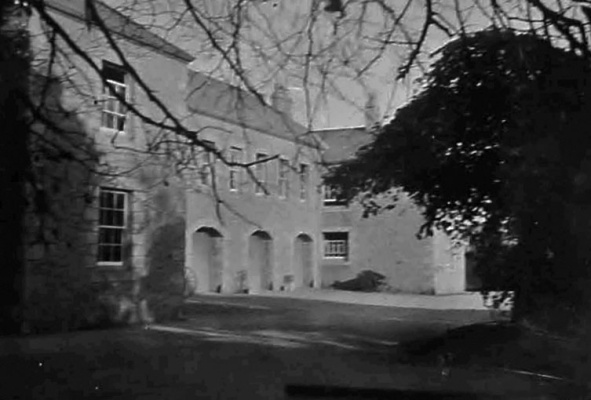 The Town Arsenal, which Major Sargent described as 'a large granite building which was ideally suitable as an ordnance depot'. 'We started off by housing the boys there but as we soon received reinforcements in men we had to look round for alternative accommodation. I got two adjacent houses requisitioned and ...
 -
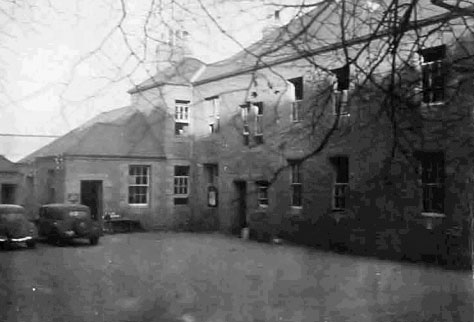 ... fitted them up very comfortably with furniture taken from German billets. Each man had a spring bed, sheets, a dressing table, wardrobe, easy chair and a bedside lamp. I think they were the most comfortable fitted up troops in the British Army
 -
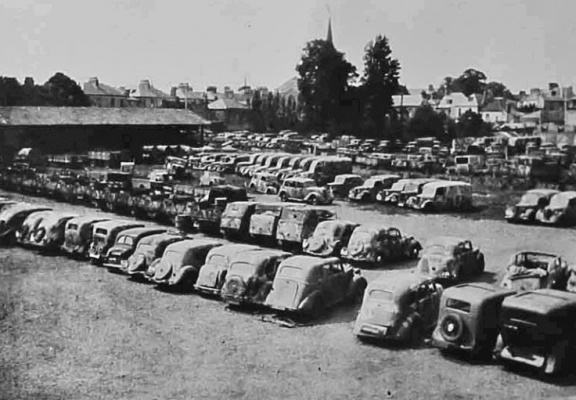 Our first consideration was transport. We had sailed with only a quarter of our transport requirements, and relied on captured vehicles to fill the gap. We took over all the German vehicles - approximately 500-600 of them - and issued out cars, lorries and motor cycles to the Force. A vehicle reception depot was established at Springfield Stadium. Here are a few of the vehicles, many civilian cars requisitioned by the Germans.
 -
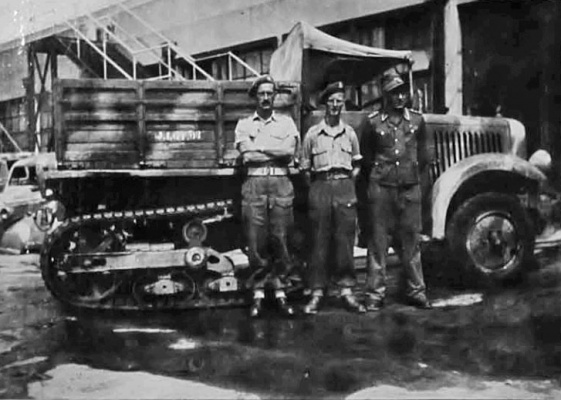 I opened a workshop, manned by German mechanics. They did the job very well indeed and maintained all the captured vehicles for us. One must give them credit for industry and thoroughness and they were very quiet and well behaved. Here is the senior German mechanic, Oberfeldwebel Georg Schulz, with myself and Corporal Arthur Teasdale
 -
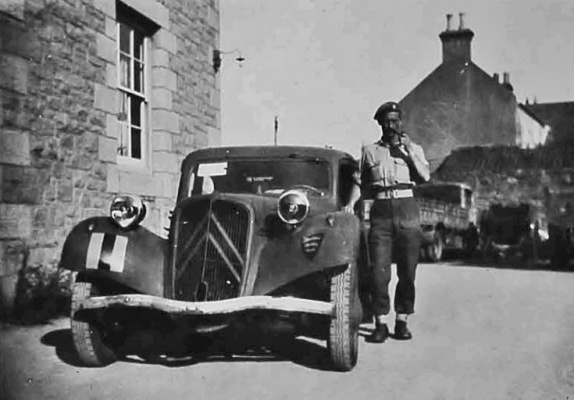 I had a Citroen for my own use. Here it is standing in front of an 88mm anti-aircraft gun. This car was most intriguing. It was front-wheel drive, 15hp, very low slung, would seat six people in comfort and had an impressive performance. It did 24 mpg of petrol, had terrific acceleration and a genuine top speed of 75 mph.
 -
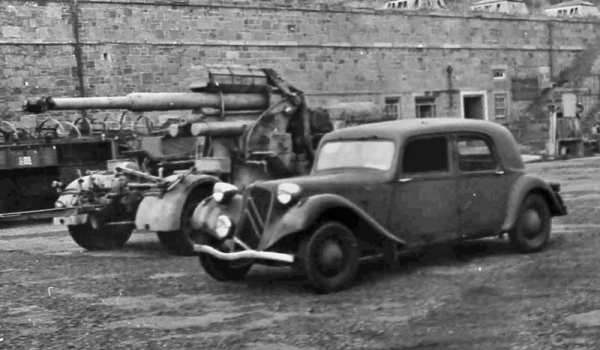 I used this car the whole time. I was very sorry indeed to have to leave it behind me when I left the island
 -
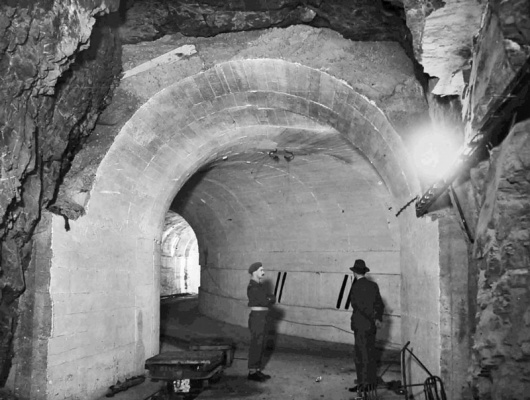 The Germans accumulated nearly 30,000 tons of ammunition, ranging from 7.65mm pistol bullets to 22cm shells, for their largest coast guns. The bulk of this was stored in three underground tunnels cut into hillsides at valley level. The remainder was in gun bunkers and billets.
 -
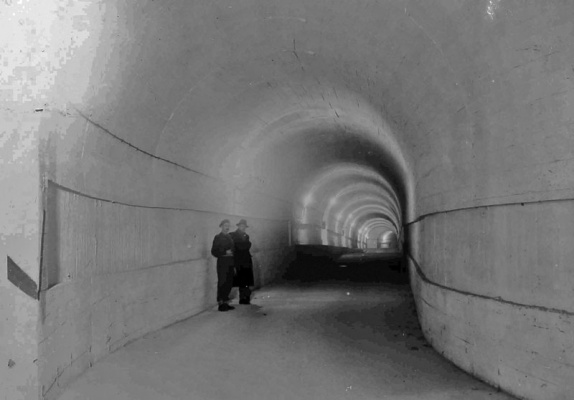 The principal tunnel was in St Peter's Valley. It contained 6,000 tons and would eventually have held 20,000 tons. The tunnel followed a curved course. From it ran four more concentric semi-circular tunnels, all fitted with railway track, electric lighting and air conditioning.
 -
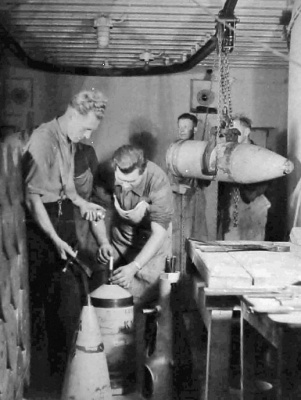 Here are a few specimens of the bigger stuff being dealt with to make them safe for dumping
 -
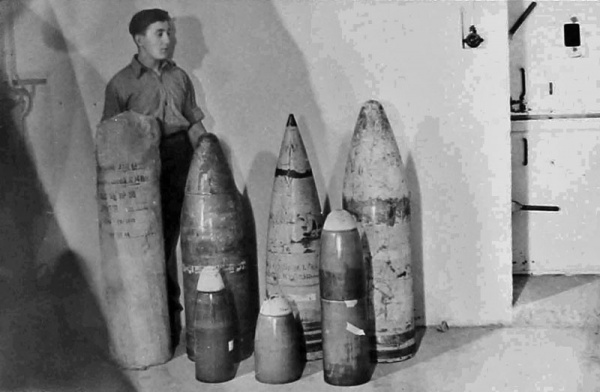 The policy for disposing of this ammunition was threefold. All safe stuff was to be dumped at sea; all pyrotechnics and loose cordite to be burned; all demolition explosives and doubtful ammunition to be blown up
 -
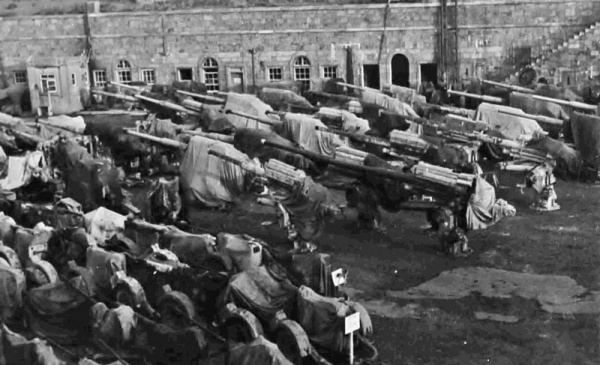 All easily removable guns were stored at Fort Regent until they could be disposed of ...
 -
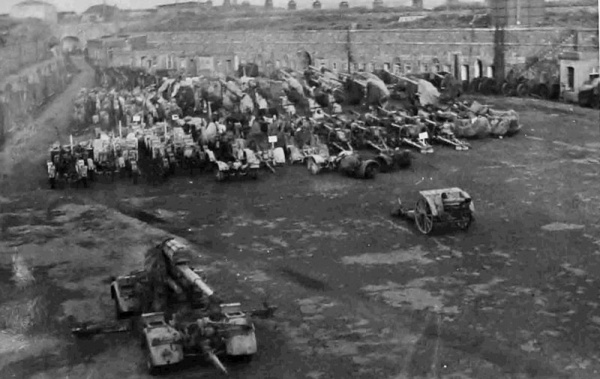 ... Some were captured French and Polish weapons, others were German 88mm anti-aircraft guns
 -
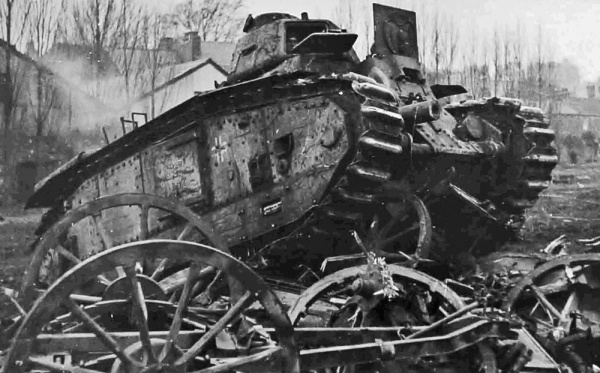 It was decided to dump a large assortment of car chassis and bodies at sea, but first they had to be compressed. In the Arsenal yard was an old steamroller which was got moving by a German prisoner ...
 -
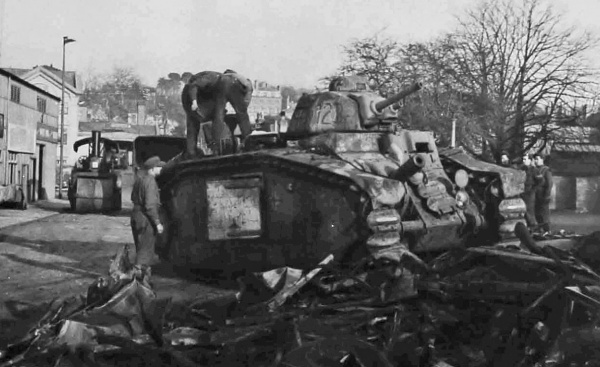 ... But it would not crush everything, so a tank was pressed into action. The 32-ton monster did its job superbly
 -
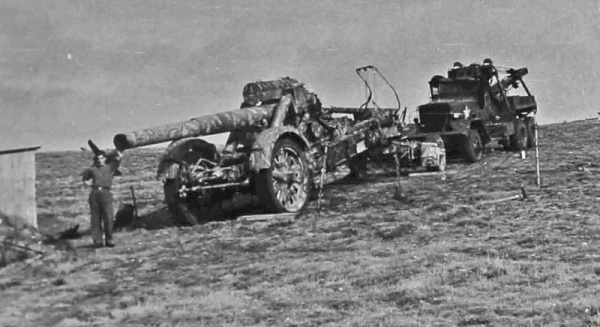 45 large field guns were disposed of by manoeuvring them ...
 -
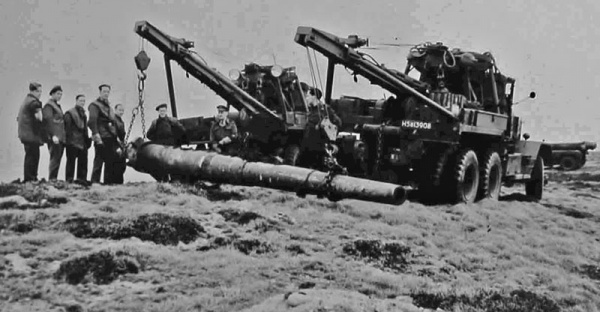 ... over the cliff at Les Landes, most of them ending up in deep water
 -
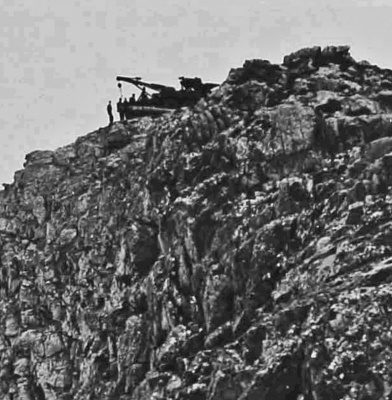 REME soldiers were brought in to help with the dismantling of the guns and their disposal over the cliff
 -
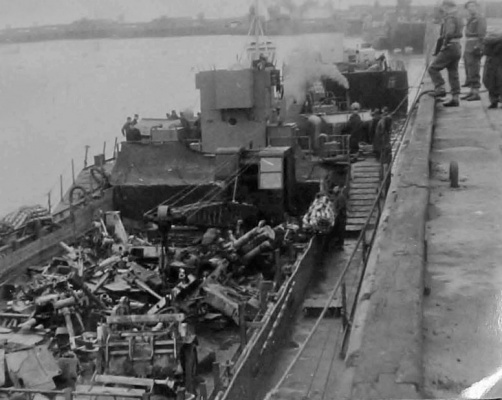 Loading a ship with weapons and ammunition ...
 -
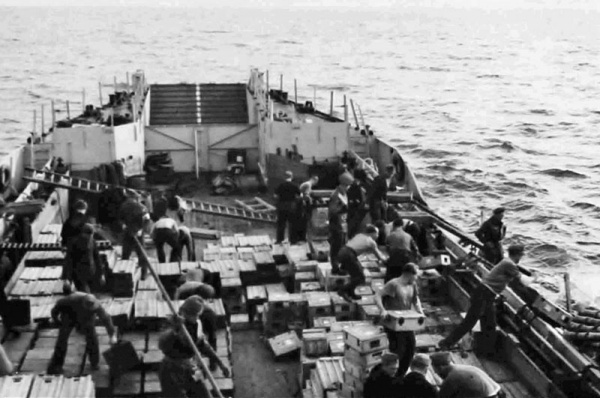 ... which was then taken to the Hurd Deep, off Alderney ...
 -
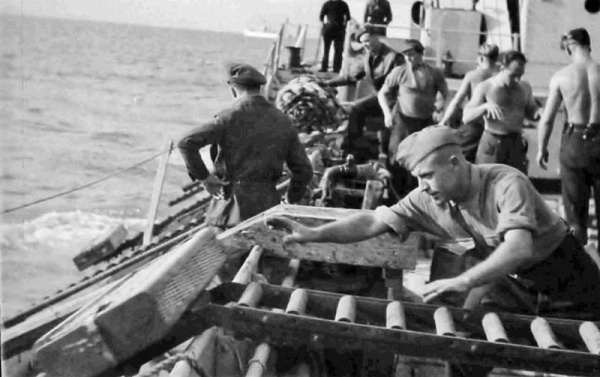 ... and dumped into water 90 fathoms deep
 -
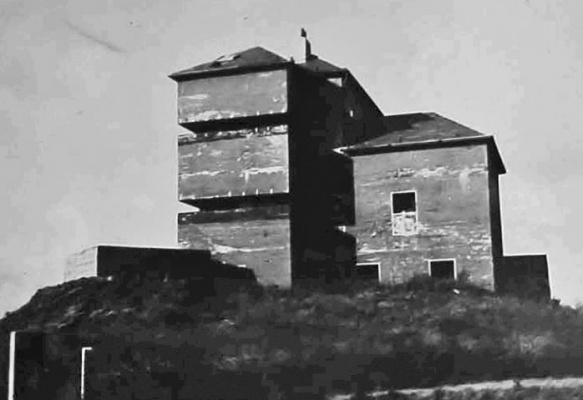 A large German bunker disguised as a housew ...
 -
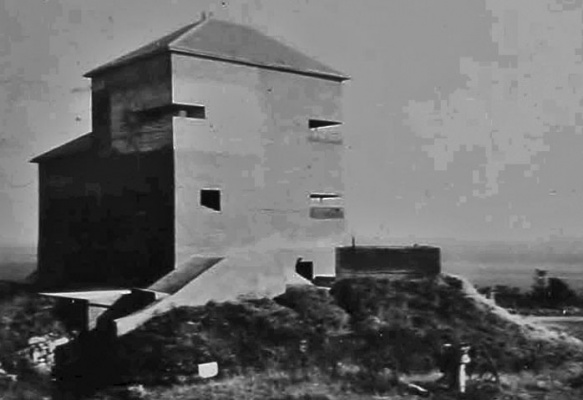 ... to deceive any possible RAF bombing raid
 -
-
-
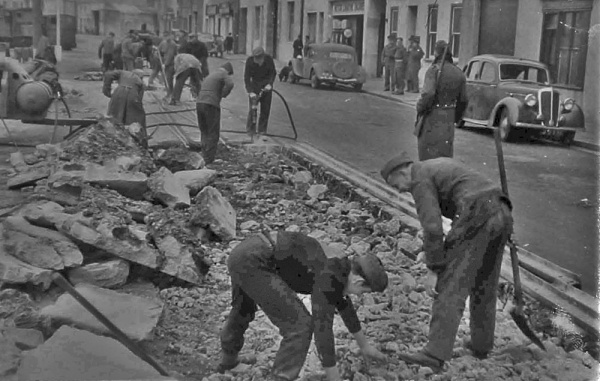 German prisoners were brought in to clear their army's railway tracks ...
 -
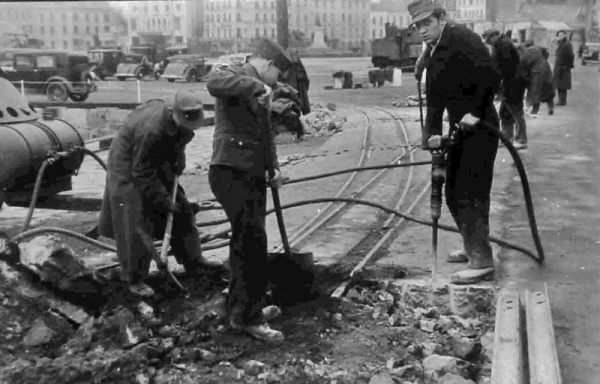 ... the island had closed down its own railways before the war
 -
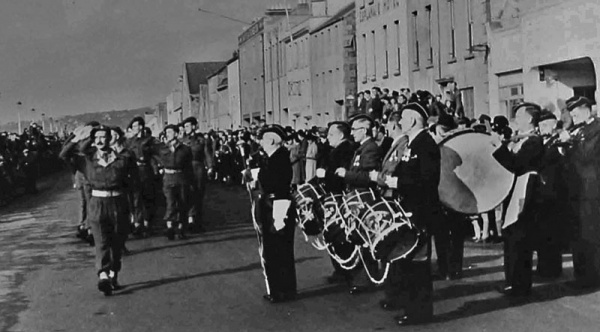 Major Sargent lead his men in a victory parade ...
 -
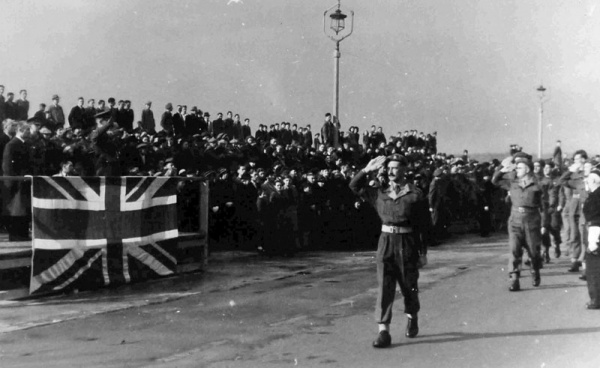 ... on the Esplanade
 -
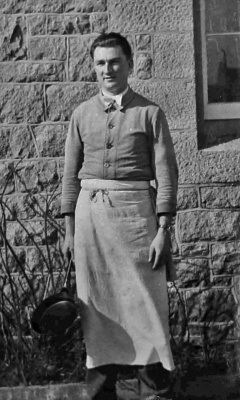 The German cook employed by the Ordnance Depot
 -
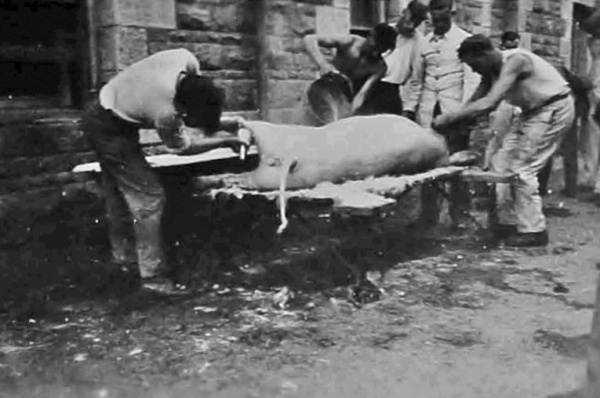 Butchering one of the pigs raised at the depot
 -
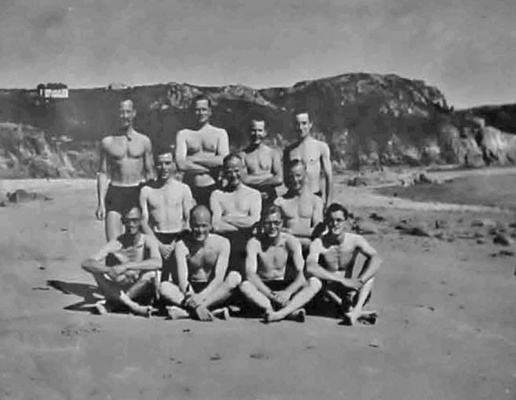 The 'Tommies' were taken to Portelet beach for relaxation
 -
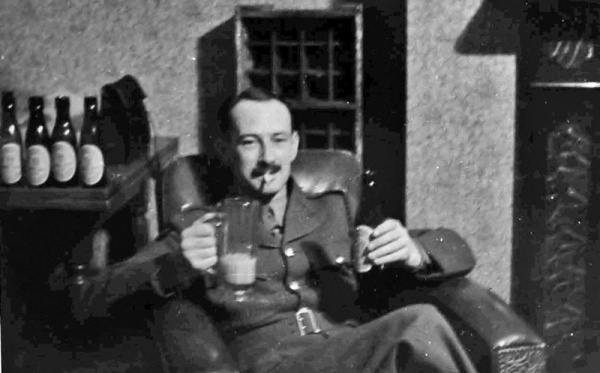 Major Sargent, a whisky drinker, was given beer by his men to celebrate his birthday
 -
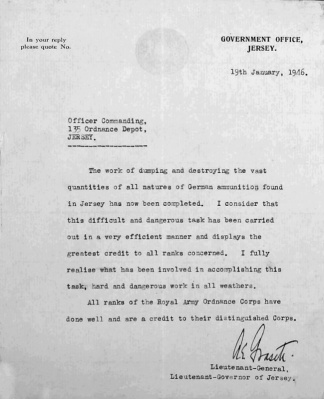 The Lieut-Governor's letter written after the clearance work had been completed
 -
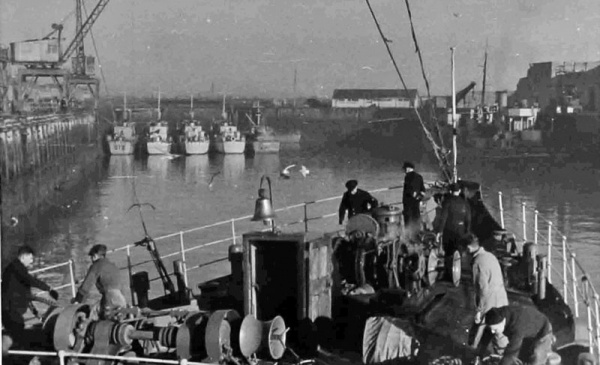 The Empire Rest which the men boarded reluctantly to return to the UK in March 1946
 -
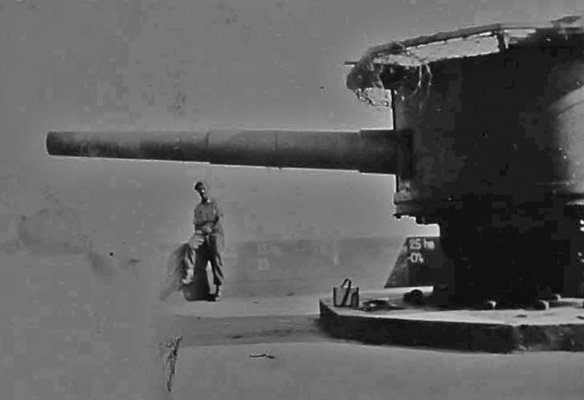
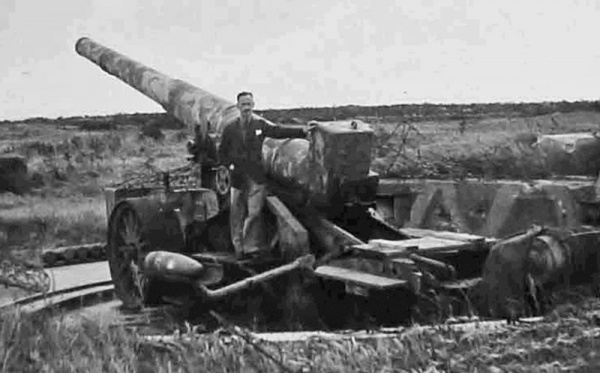 Major Sargent at a gun installation in 1945 ...
 -
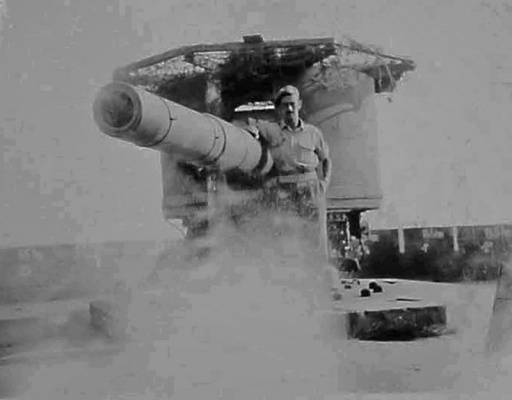
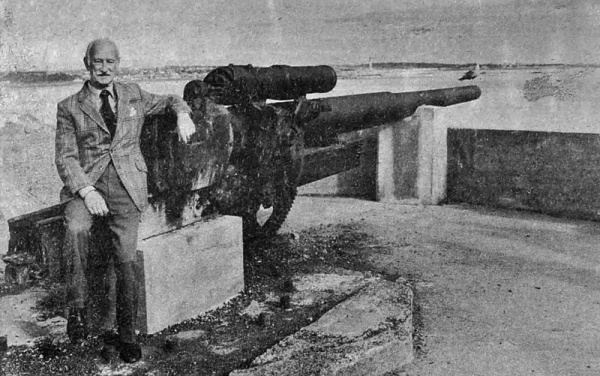 ... and during a return visit to Jersey in 1975