Trinity Manor

Trinity Manor

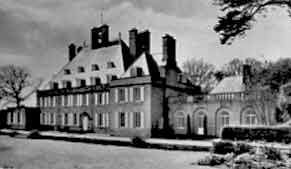
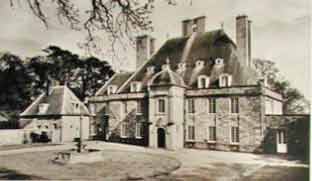
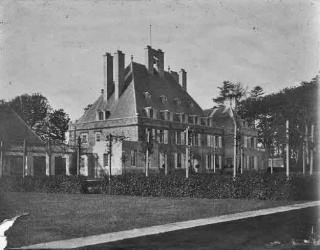
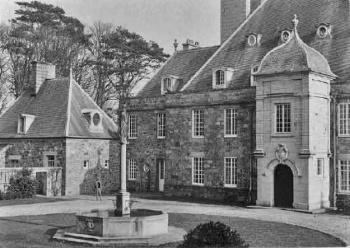
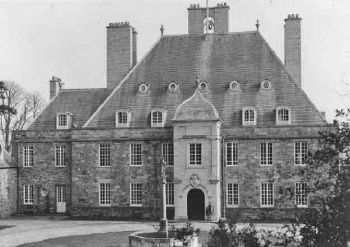
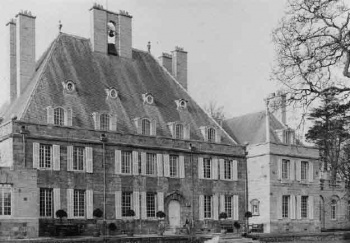
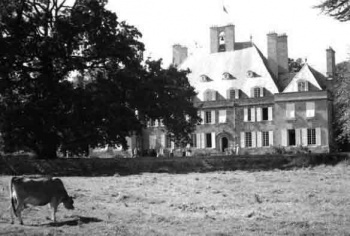
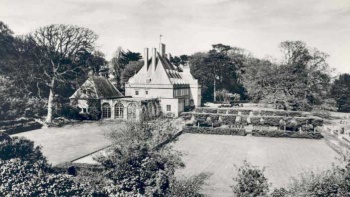
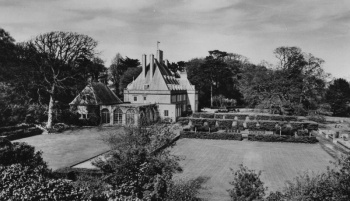
The manor after being rebuilt in the early 20th century
Trinity Manor is not only one of Jersey's most important buildings - and with sections dating back to the mid 16th century, one of the oldest still standing - but it is also one whose history has been best documented

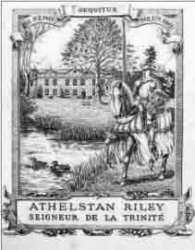
Athelstan Riley
That Trinity Manor is still in existence today, albeit in considerably different form from the original structure, is thanks to its acquisition in the early 20th century by Athelston Riley. He was the first of three generations of his family to own and develop the manor, but it was his carefully planned and considered transformation in 1909-1911 which turned it from a derelict pseudo-Gothic structure into something resembling a French chateau.
Athelston Riley catalogued his work in an article published in the 1922 Annual Bulletin of La Société Jersiaise. It is not for Jerripedia to put forward an opinion on whether the work was a sympathetic transformation of an historic structure, but if only all attempts to convert ancient buildings into something suitable for subsequent generations had been as well chronicled as the work undertaken by Mr Riley, our understanding of major buildings started many centuries ago would be much enhanced.
After purchasing the property in 1909 Athelstan Riley undoubtedly gave the manor a character which had been lacking for many generations. He visited France with his architect Reginald Blomfield, drawing on inspiration in St Malo and Normandy towns to redesign the property. Although his article in the Annual Bulletin is strangely silent on this aspect of his work, he purchased another old property, l'Anciennete in St Brelade, which he demolished to provide material for the refurbishment and reconstruction of Trinity Manor.
Perhaps some would see this as a major act of vandalism, but there is significant precedent in Jersey for the process of using material from one historical building to reconstruct a larger structure.
Charles II
By 21st century standards, the dramatic reconstruction of Trinity Manor in only two years could be seen as extremely fast work. What remains largely unaltered a century later can be seen as testimony to the adventurous but nevertheless sympathetic work undertaken by the new Seigneur on a building which had previously been home to Bailiffs, Lieut-Governors, Militia officers and other island officials, as well as being visited by Charles II during his stay in the island before the monarchy was restored in 1660.
The history of the manor is in many ways synonymous with the history of Jersey itself.
There seems little doubt that Charles II visited the house, but the deeper rumour that he had an affair with Marguerite de Carteret, the sister of the then Seigneur, resulting in the birth of a son, has now been disproved after a missing page in the parish birth register was discovered.
Seigneurs
The de St Martin was among the first to own the manor. Thomas de St Martin was forced to sell it to the de la Court family to pay his and his son's ransoms after being caputred by the French in the Hundred Years War, but after a lengthy court case de St Martin descendants were allowed to repurchase the manor and they held it until 1515 when the male line died out and it passed to the de Carteret family. It was in their hands until sold to a Colonel Swan in 1872.
By then it was in a sorry state of disrepair after being used for a period as a barracks and Col Swan's son decided not to live there after his father's death and sold the manor to Athelstan Riley.

Gardener
The 1901 census shows that August John Alexander Boullier was employed as a gardener and lived with his family in part of the manor house. He was born in St Peter in 1850 and was married to Ann Mary De Ste Croix in St Helier in 1887. They had three sons and three daughters.
Other articles
As can be seen from these links, the history of Trinity Manor is well documented, and we include a number of articles on the manor and the Riley family
- The Rileys of Trinity Manor
- Riley family tree
- Trinity Manor's rebuilding
- History of Trinity Manor
- Trinity Manor from Old Jersey Houses
- Trinity Manor Farm
- Trinity Manor's oak tree
- L'Anciennette, the building demolished to provide material for the manor's rebuilding
- The front door
- Interview with John Riley


.png)
-
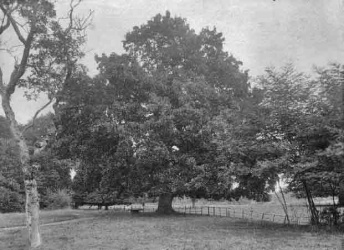
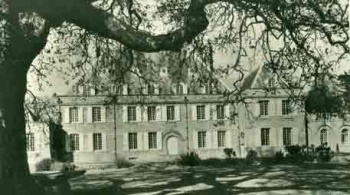 The manor's Luscombe Oak
 -
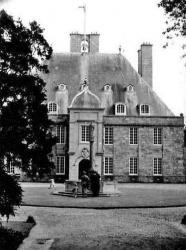
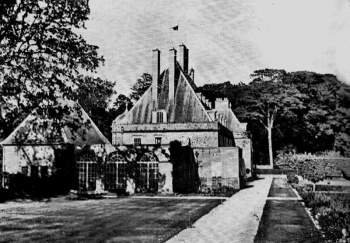
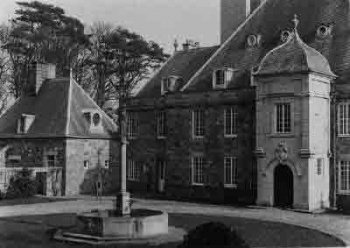 The courtyard side of the manor
 -
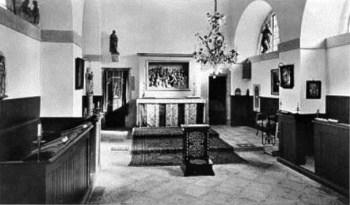
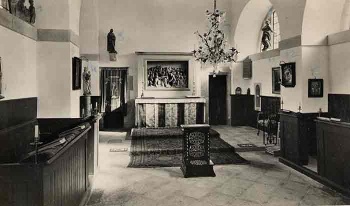 The Manor chapel
 -
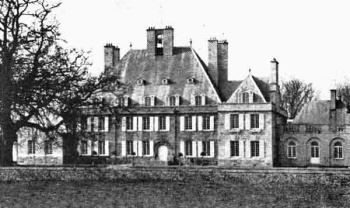 The Manor rebuilt. Although the door is in the centre of the extended frontage, it still looks out of place in relation to the tall roof
 -
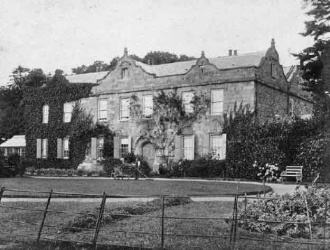
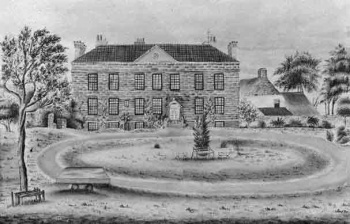
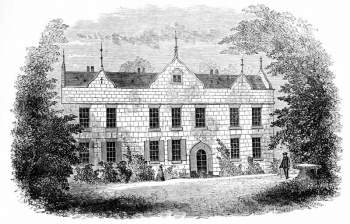
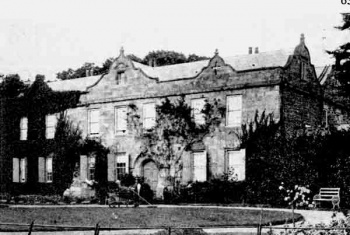 The old manor. The picture above shows that the original facade, with the door offset from the centre, has been retained, with an extra wing added to provide balance, and an entirely new roofline
 -
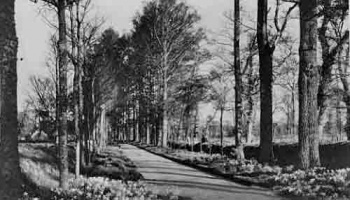 Trinity Manor lane
 -
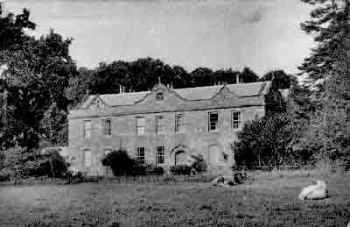 The manor before it was restored and extended. This picture shows cleary how unbalanced the facade appears with the door offset from the centre
 -
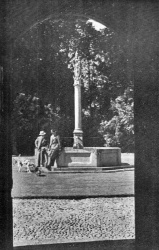
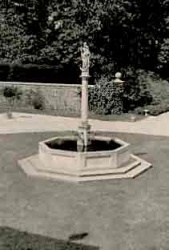 The Manor fountain
 -
-
-
The fountain in the courtyard
-
-
-
-
-
-
-
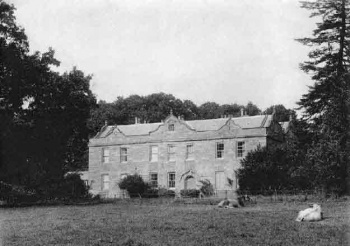
-
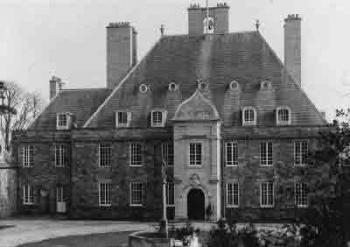 1922
1922 -
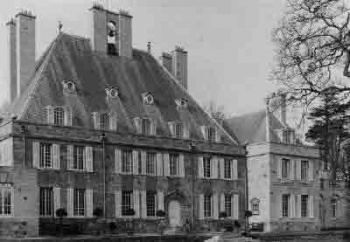 1922
1922 -
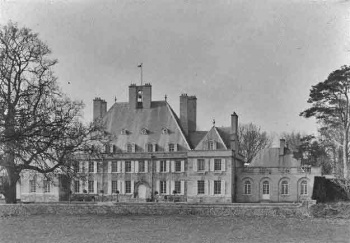 1922
1922 -
 1922
1922 -
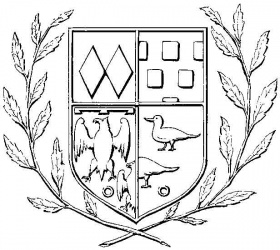 The coat of arms found at the manor
 -
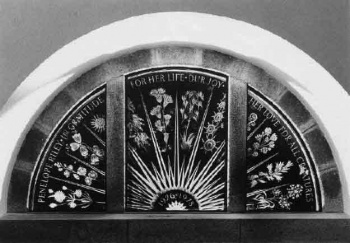 A memorial window to Penelope Riley
 -
-
-
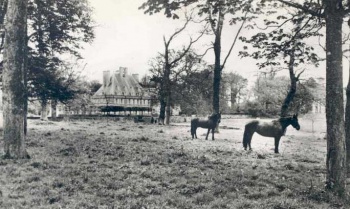
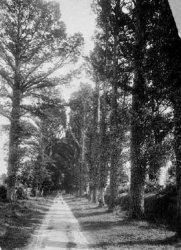 The manor's avenue in the 1900s
 -
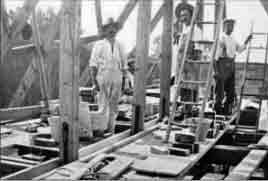 Builders at work in 1910
 -
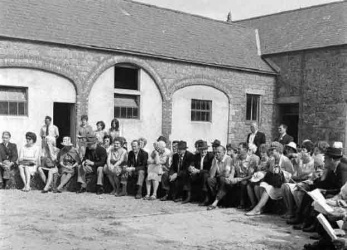 A visit to the manor farm in the 1960s
 -
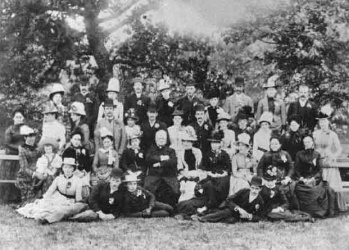 A fete at the manor in 1883
 -
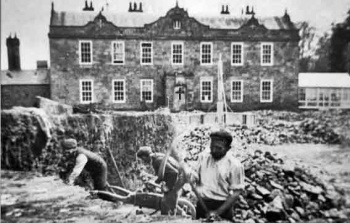 Work on constructing the gardens in 1910
 -
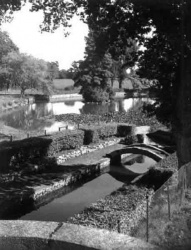 The gardens in 1954
 -
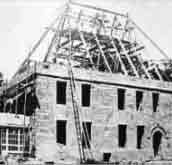 The new roof is constructed
 -
-
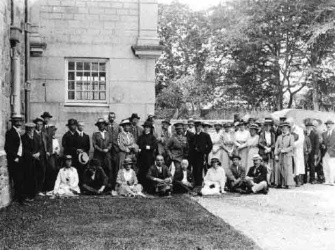 A visit by the Societe Guernesaise in 1916
 -
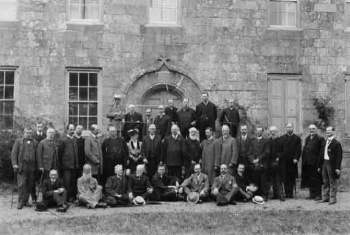 A visit by La Societe Jersiaise in 1906
 -
-
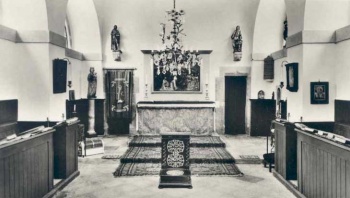 The chapel
 -
-
-
-
-
-
-
-
-
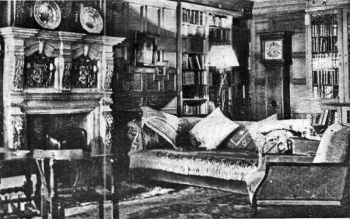
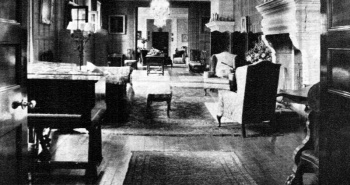 The grande salle in the manor house
 -
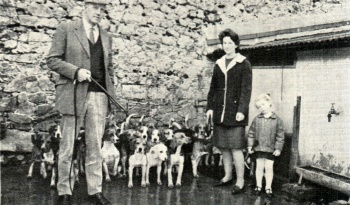 Major and Mrs Riley and Anna
 -
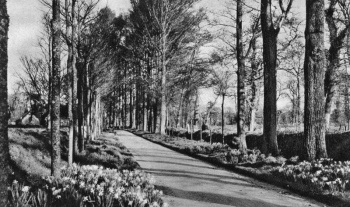 The avenue leading to the manor
 -
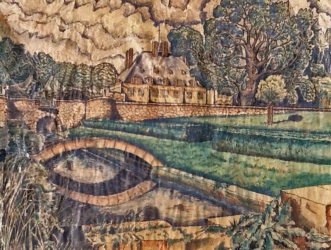 A painting of the manor by a German soldier during the Occupation
 -
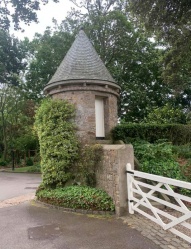 A tourelle in the manor grounds
 -
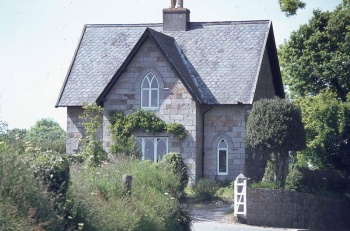 The gatehouse
 -
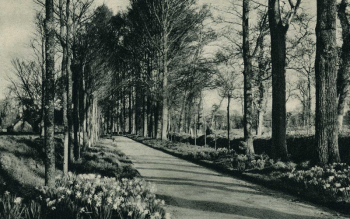 Manor lane
 -
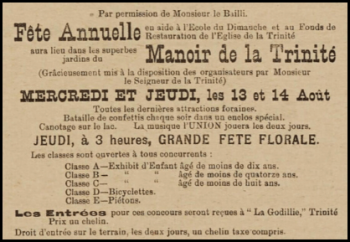 Advert for the parish fete in the manor grouns in 1924
 -
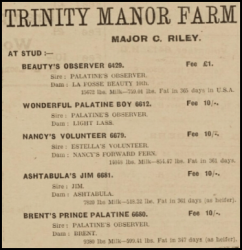 The manor farm's bulls were advertised in 1930 in Chronique de Jersey