Caves and other features
On the coast
|
 Caves
 Plemont Caves are to be found in the cliffs all along Jersey's north coast, and also near La Corbiere in the south-west. Some are easily accessible whereas others are difficult to locate and reach
|

Most islanders know about the caves at Plémont, because they are large and easily accessible from the sandy beach. Many might mention the cave at Devil's Hole, or the somewhat lesser known Wolf Caves.
One thing all of these have in common is that there is a major climb down the cliffside to reach them. Plemont has bridges and steps to cross from one rocky outcrop to another, and when Devil's Hole and Wolf Caves were in their heyday as visitor attractions access involved negotiating less-than-ideal flights of steps cut into the cliffside and crossing backwards and forwards to lessen the steepness not only of the descent but the climb back to the cliff top at the end of the visit.
There are many other caves, some of them very substantial hollows in the granite rock of Jersey's north coast, but few islanders will ever visit them because they either involve scrambling over slippery rocks at low tide, or in some cases can only be accessed by boat at any state of the tide.
Geologist John Renouf, an expert on caves in Jersey, has identified details of erosion, faults, dykes and general geography and geology; and provided descriptions of caves including: the Pinnacle, Grosnez, La Pont de la Moie, La Cotte à La Chèvre, Plémont and Grève au Lançon, Creux Gros and Creux Gabourel, the area around Grève de Lecq, Le Rouge Nez, L'Ane, Crabbé and L'Ile Agois, Le Mourier, Wolf Caves, Belle Hougue Point, Vicard Point, Rozel, L'Ile Percée, La Cotte de St Brelade, Fiquet bay, and Smugglers' Caves at La Rosiere (also known as Pirate's Cave); he has also described sea stacks, including the Witches' Rock at Le Hocq.
Information on Jersey's caves and other sites of geological interest can be found in the Jersey Geology Trail website
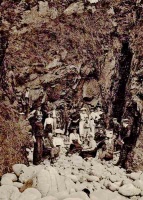
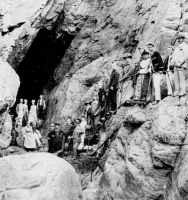
There is a particularly fine cave at Greve de Lecq, which is actually a passage underneath the cliff, and many years ago was a major tourist attraction, with walkways and ladders to gain access.
Some of the most interesting rock formations, and also the most difficult to get to, are on the north coast in the Vingtaine of Vinchelez, St Ouen. Here are to be found Grand Becquet and Petit Becquet, the natural rock arch at Petit Becquet, and Cave es Fraudeurs.
Our picture gallery shows a number of the most popular caves and also the scarcely accessible ones which were the favourites of photographer Albert Smith in the late 19th and early 20th centuries.
Gallery

Click on any image to see a larger version
-
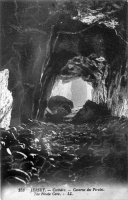 An LL postcard of Pirates' Cave, Corbiere
 -
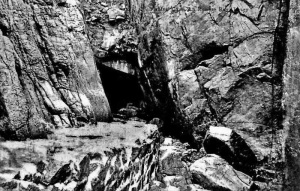 Pirates' Cave, Corbiere
 -
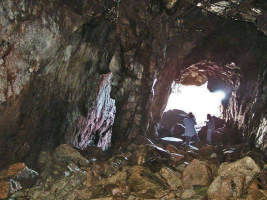 Also known as Smugglers Cave
 -
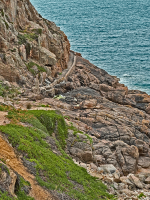 A path was constructed round to the cave in Victorian times
 -
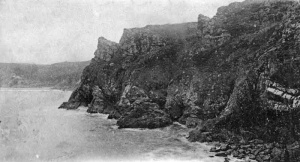 View of La Chene from Cotte a la Chevre in 1904
 -
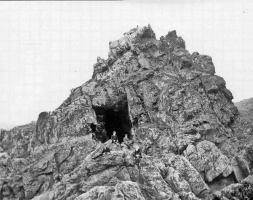 Cotte a La Chevre, a cave on the north coast well above current sea level
 -
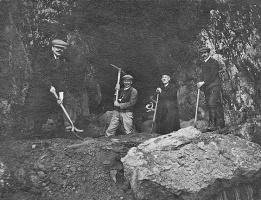 Cotte a La Chevre, an important archaeological site
 -
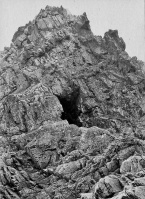 Cotte a La Chevre
 -
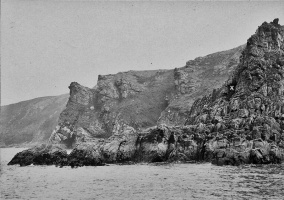 Cotte a La Chevre
 -
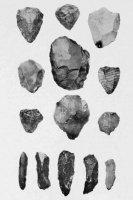 Flints found at Cotte a La Chevre
 -
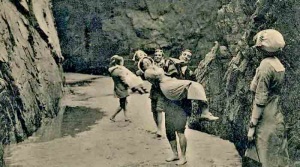 Carrying ladies through deep pools to reach Plémont's cave
 -
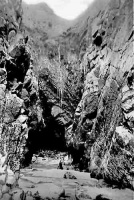 Plémont
 -
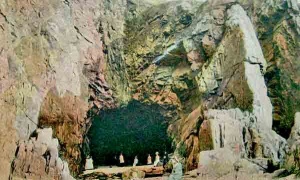 Plémont
 -
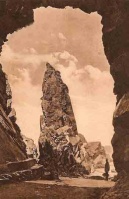 Needle Rock at Plémont
 -
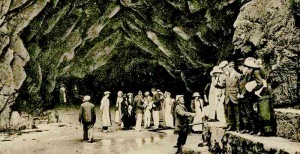 Plémont
 -
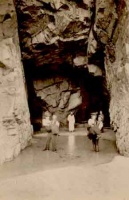 Plémont
 -
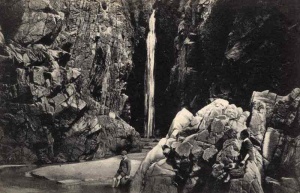 Boys inside the main cave at Plémont
 -
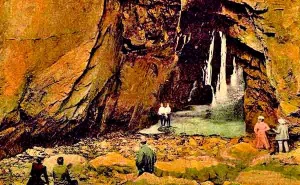 Inside Devil's Hole in 1902
 -
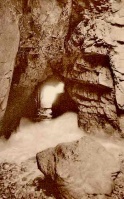 The tide breaks through the cave opening at Devil's Hole
 -
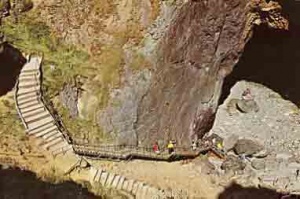 Precarious steps down to Devil's Hole, or Creux de Vis
 -
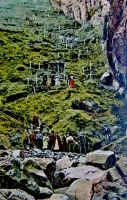 The descent to Wolf Cave
 -
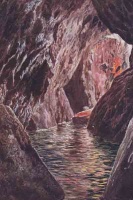 Inside Wolf Cave
 -
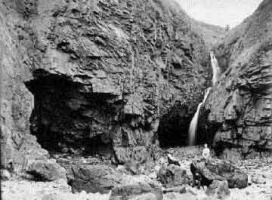 Cave des Reuses, near Devil's Hole
 -
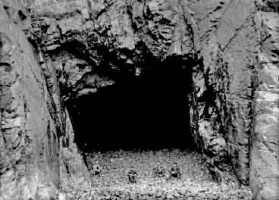 An unknown cave photographed by Albert Smith
 -
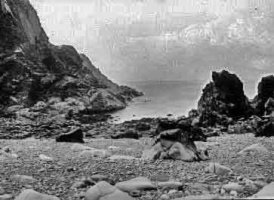 An Albert Smith photograph at the rocky beach at Crabbé in 1895
 -
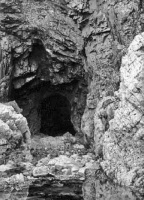 One of the Crabbé caves
 -
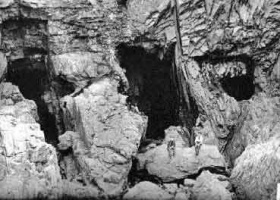 Three caves side by side at Crabbé
 -
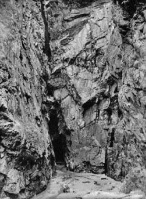 Creux Gabourel, East of Plémont
 -
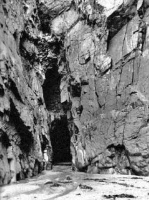 Creux Gabourel
 -
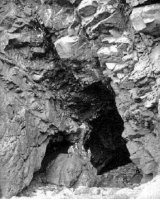 Creux Gros, between Plémont and Creux Gabourel
 -
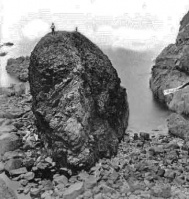 The Dolphin Rock at Douet de la Mer, between Greve de Lecq and Creux Gabourel
 -
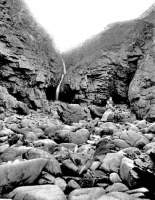 Douet de la Mer
 -
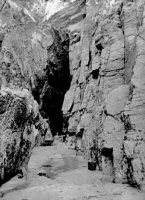 Douet de la Mer
 -
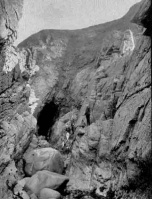 The cave at Greve de Lecq, only accessible by clambering over wet rocks at low tide
 -
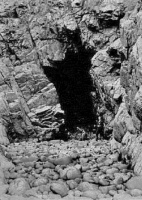 Grotte de la Prise Foule
 -
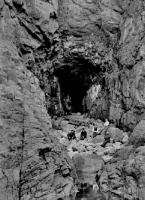 Grotte es Fraudeurs
 -
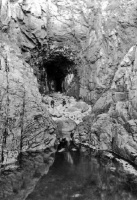 Grotte es Fraudeurs
 -
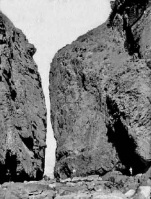 Ile Agois, just an island off the north coast
 -
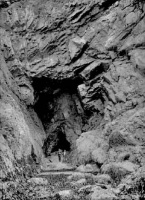 The cave at Ile Agois
 -
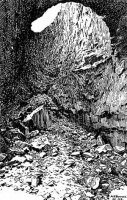 The interior of the cave at La Cotte de St Brelade where prehistoric remains have been discovered
 -
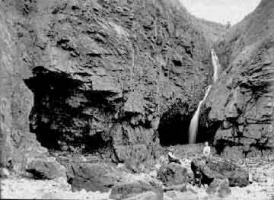 Les Reuses
 -
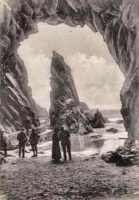 Needle rock at Plemont
 -
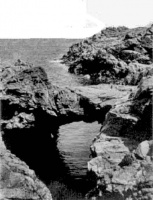 The natural rock arch at Petit Becquet in St Ouen
 -
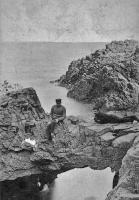 Petit Becquet Bridge
 -
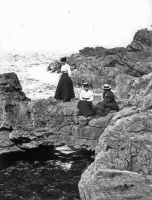 The bridge used to be a popular place to visit but today scarcely anybody would know how to find it - picture by Percival Dunham
 -
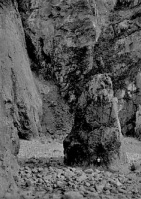 Pinnacle rock at Les Reuses
 -
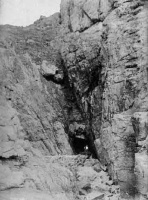 Pirates' Cave at La Corbiere
 -
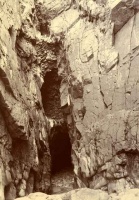 Creux Gabourel
 -
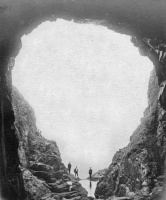 Le Grand Becquet
 -
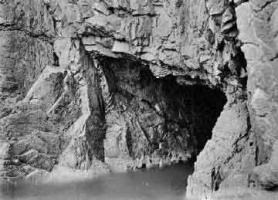 Le Mourier
 -
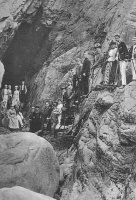 Greve de Lecq Cave
 -
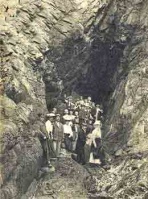
-
-
-
-
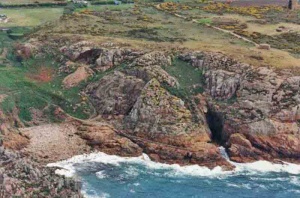 La Cave es Frauders (Smugglers Cave), La Rosiere
 -
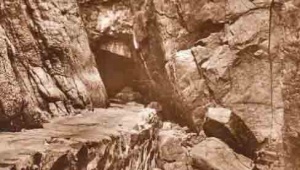 Pirate's Cave at La Rosiere
 -
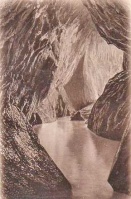 The 'Venus bath' at Wolf Cave
 -
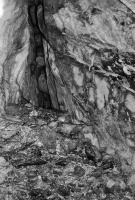 Belle Hougue II
 -
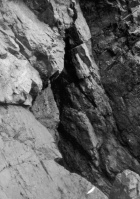 Belle Hougue II
 -
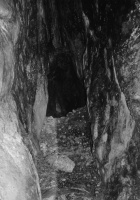 Belle Hougue II
 -
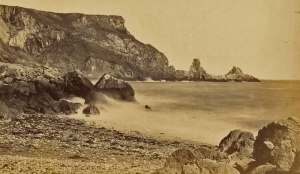 Amsty's Cove - we are not sure of the location of this cove, but think it may be close to La Corbière
 -
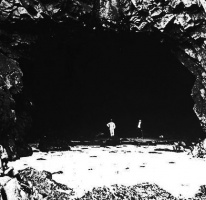 An early photographic plate of an unidentified cave in Jersey
 -
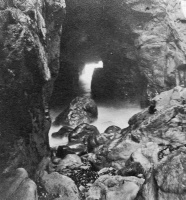 Creux Terrible pictured in 1868 by Henry Mullins
 -
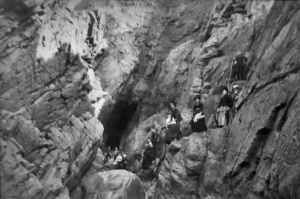 Visiting a cave in 1900
 -
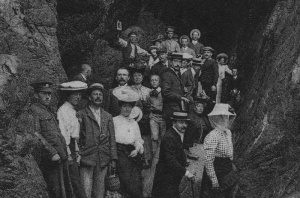 Edwardian visitors to the caves at Greve de Lecq
 -
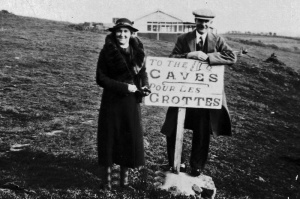 'To the caves': But which caves? We think this sign may have been either at Plemont or La Corbiere
 -
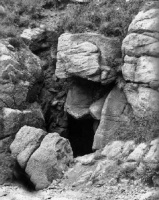 Smuggler's Cave, La Rosiere: 1880s photograph by Philip Godfray
 -
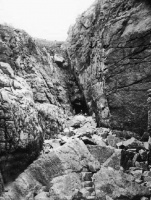 Pirate's Cave at La Rosiere: 1880s photograph by Philip Godfray
 -
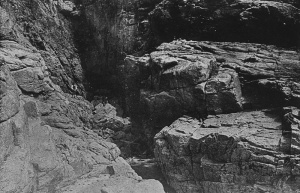 La Rosiere - a picture in the Amsterdam Rijksmuseum collection
 -
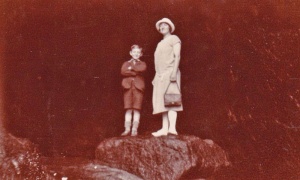 Smuggler's Cave 1925
 -
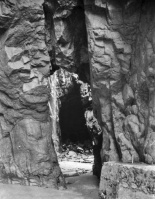 Plemont
 -
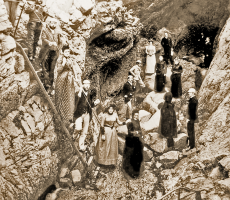 It was a long climb down to the cave at Greve de Lecq for ladies in long skirts


-
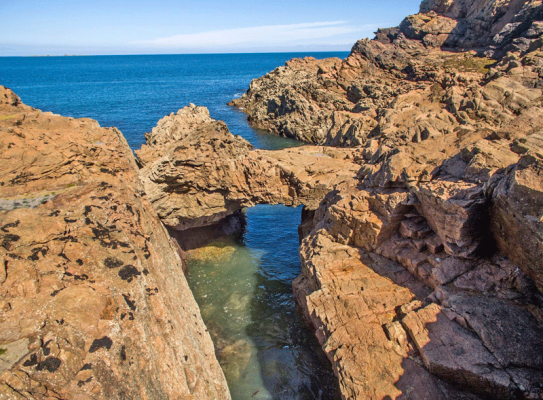 Two views of Petit Becquet ...
 -
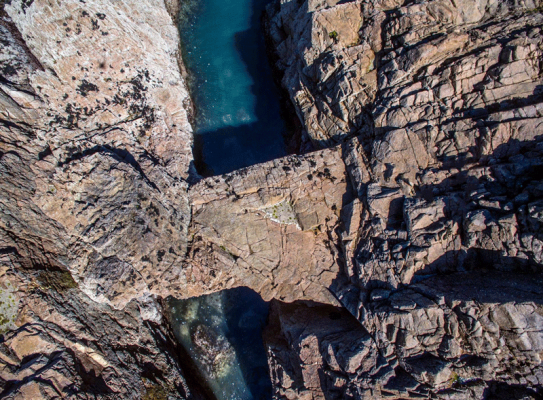 ... from Chris Brookes' drone