Grève de Lecq
On the coast
|
 Greve de Lecq
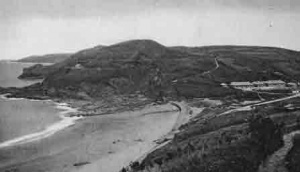
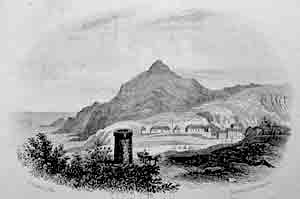
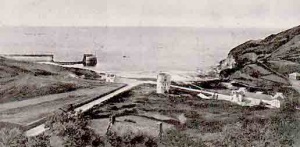
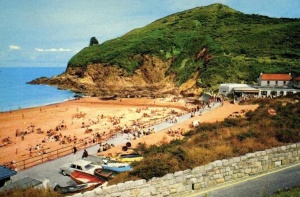
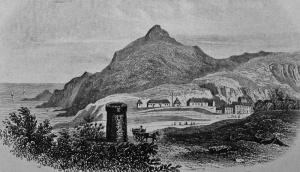
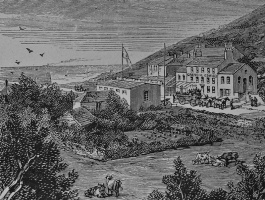
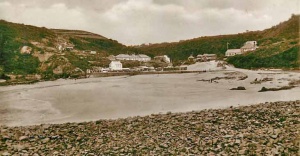
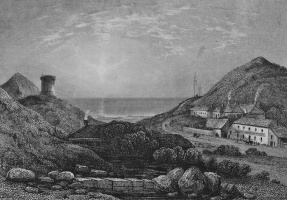
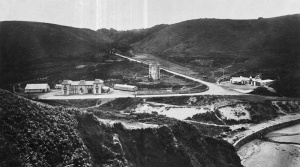
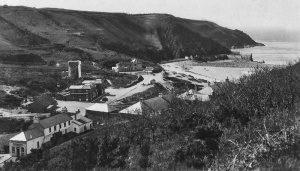
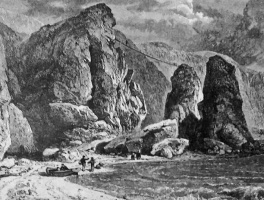
 Grève de Lecq is a bay on the north coast of Jersey. This drawing by P J Ouless was made in 1847  to view the location in Google Street View
|

The bay with the sandy shore
Grève is French for beach. In 1215 the bay was known as La Wik, which has led to suggestions that it is derived from the Old Norse vic for a bay, making it "the bay with a sandy shore", but the name covers a much wider area, including the Chapelle de Lecq, which was a mile inland. The Paternoster rocks four miles out to sea are also known as Les Pierres de Lecq, so there are doubts that a small bay could have given its name to such an extensive area in the north of the island.
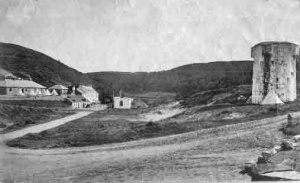
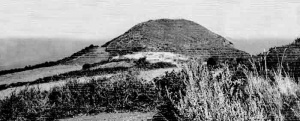
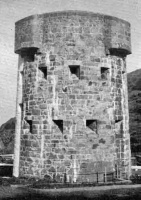
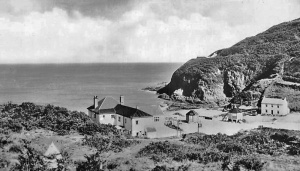
On the eastern side of the bay, which straddles the border of Saint Mary and Saint Ouen, is Castel de Lecq, a large mound with entrenchments which may date from the Late Iron Age. Nearby Câtel Fort is an 18th century guardhouse, built when a French invasion was feared at Grève de Lecq.
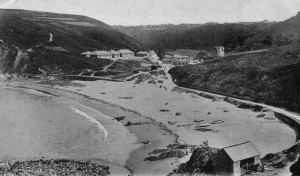
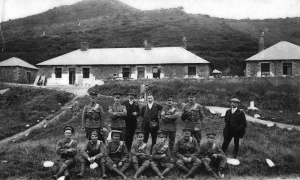
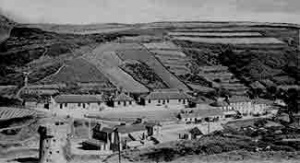
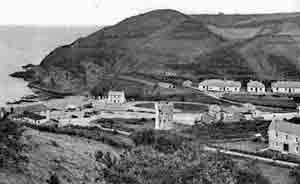
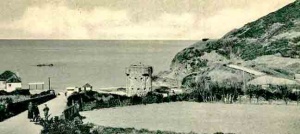
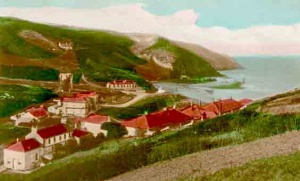
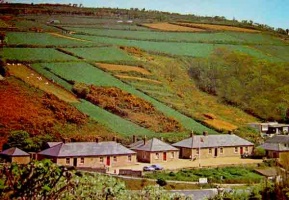
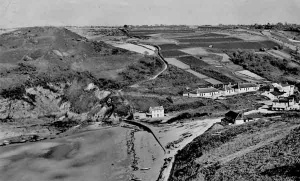
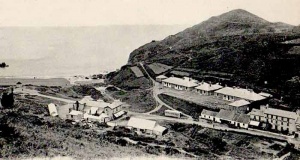
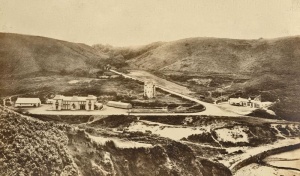
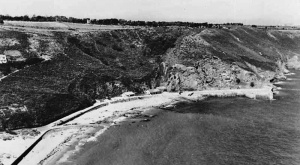
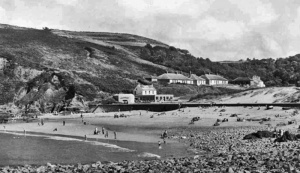
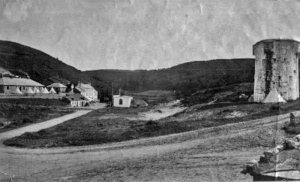
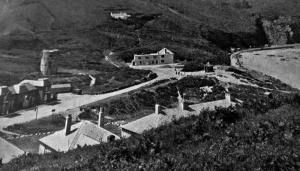
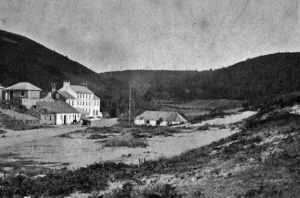
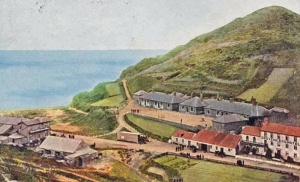
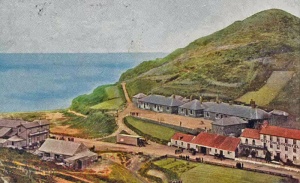
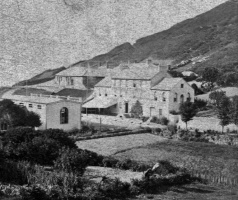
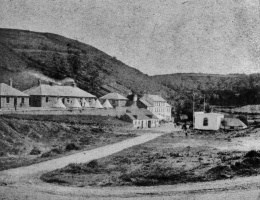
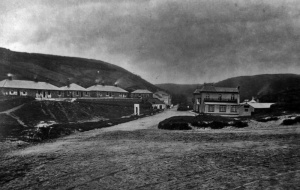
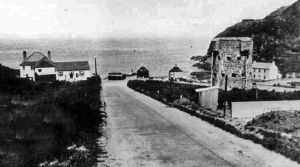
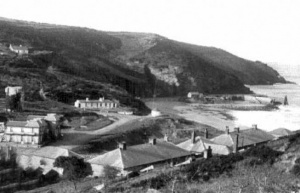
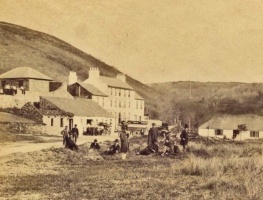
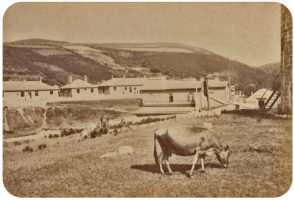
Down in the bay are Grève de Lecq Barracks, construction of which began in 1810 when another invasion was feared during the Napoleonic wars. They are the only surviving barracks in the island, having been in use until the 1920s, housing 250 garrison troops.
Balleine
From The Bailiwick of Jersey by George Balleine
- "Greve de Lecq, A small bay on the north coast partly in St Ouen's and partly in St Mary's parish, the mill stream of the Moulin de Lecq dividing the parishes. Greve is the French word for a sandy shore. In Jersey we have Greve au Lancon and Greve d'Azette, in Sark La Grande Greve and La Greve de la Ville, in Guernsey La Belle Greve. The meaning of Lecq is uncertain. In 1215 it was spelt La Wik, which makes it tempting to derive it from Old Norse Vic, a bay; but the name seems to have extended over a wider area than the bay. The district known as Lecq is some way to the west. The Chapelle de Lecq was a mile inland. The older name for the Paternoster Rocks, four miles out to sea, is Les Pierres de Lecq. It seems doubtful whether so small a bay could have spread its name so far.
- "On the east of the bay is the Castel de Lecq, a mound 270 feet high, artificially contrived upon native granite, which bears obvious traces of ancient entrenchments. Until proper excavations have been made, it is impossible to date these; but they probably belong to the Late Iron Age, when many similar promontory forts were made in Cornwall and Brittany, and along our north coast.
- "Some experts think this one is later, even perhaps mediaeval. They may, however, have remained in use as late as the 15th century, for Diaz da Gomez, who accompanied Pero Nino in his raid of 1406, says that there were then "five fortified castles" in the island. Three of of these would be Mont Orgueil, Grosnez, and Chastel Sedement. It is difficult to guess what the others could have been, unless they were the Castel de Lecq and the similar Castel at Rozel.

Remarkable cave
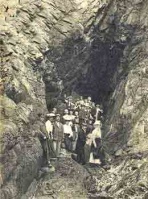
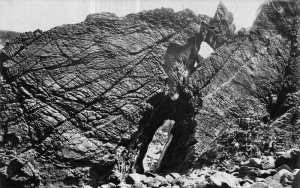
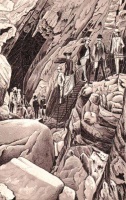
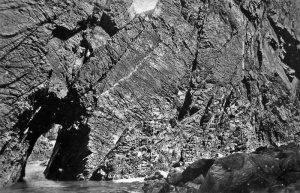
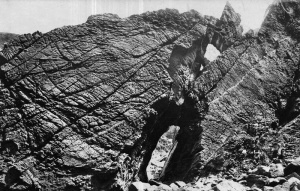
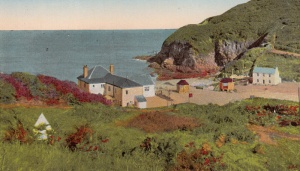
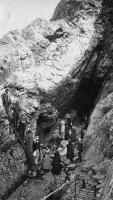
- "A remarkable cave runs right through the eastern headland. It is a tunnel 60 feet long, 15 feet wide, and 20 feet high, and emerges into the little creek on the other side of the hill, named Le Val Rouget.
- "The Assize of 1309 mentions a shipwreck "at the Port of Laic", when a Jean Patier was accused of removing wreckage belonging to the king; but usually this was a quiet little cove, where nothing exciting happened, merely used by small boats sailing to Guernsey and Sark. When Dumouriez in 1779 drew up his detailed plans for the capture of Jersey, he arranged that half the expeditionary force should land at Greve de Lecq.
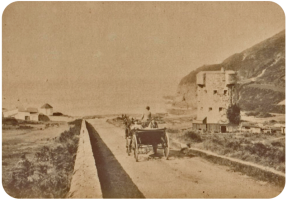
- "The bay had to be defended. That year a guard-house was built. Then a martello tower in 1780. By 1783 a redoubt had been placed on the eastern hill. A report in 1804 mentioned 'two twelve-pounders on the west flank and three twelve-pounders on the east, 600 yards apart and about 100 feet above high-water mark; a battery of three-pounders, the foot of which is washed by spring tides; about 150 yards in rear of this is a Tower.'
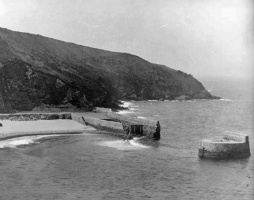
- "The barracks were a later addition, and in 1817 Plees writes, 'of late years some very neat barracks, for the accommodation of 250 men, have been erected'. The pier was not built till 1872, and thirteen years later it was partially destroyed by a storm.
- "How old the water-mill may be is unknown. In a map of 1783 it is marked "Fuller's Mill", but there is no doubt that it is centuries older than that.

Chapel of St Mary
- "Meanwhile, in the Rue de la Capelle at the top of the hill, was another building that figures often in mediaeval records. In 1168 Robert de Torigni, the most famous of the abbots of the great monastery of Mont St Michel in Normandy, visited his kinsman Philippe de Carteret at St Ouen's Manor, and Philippe presented to the abbey 'the Chapel of St Mary, beside which I have prepared a suitable house'. When 50 years later his grandson transferred '29 perches of land to the west of this house to the monks who there serve God', he described the chapel as the Chapel of St Mary de la Wik.
- "It was only a small priory; towards the end of its life it seems to have had only two resident monks, who collected the dues owed to the parent abbey, but the prior was a person of some importance in the Island. The chapel had its own perquage leading down to the bay, being apparently the only chapel in the Island to enjoy this privilege, which elsewhere was reserved for the parish churches. But when Henry V in 1413 suppressed all alien priories, the prior and his monks had to depart for Normandy, and henceforth its endowments were collected for the Crown. In an Extente as late as 1749 the item appears: 'Wheats due for the Chappell de Laicq'.
- "Leland's map in 1540 mentions 'Ruined Chapel of Ste Marie de Lee'; and in that year it appears for the last time in history. On Shrove Tuesday a surreptitious wedding took place among the ruins.
Richest man's death
- "Edward de Carteret, the 22-year-old Vicomte, was married by a priest to the widow of old Michel Sarre, the richest man in the Island, who had died only a fortnight before. Soon after this de Carteret was arrested for the murder of Sarre. It was alleged that he had broken into Sarre's bedroom, where he and his wife were in bed, savagely beaten him, and thrown him into an empty room and fastened the door with a cord, where he left him to die of his injuries, while he spent the rest of the night with the wife. The case dragged on from Court to Court, and eventually came before the Star Chamber; but the verdict is not recorded."
- The construction and destruction of Greve de Lecq pier
- Greve de Lecq Barracks
- Coast: Greve de Lecq, one of the stops on our coastal tour of Jersey NEW
- A history of Greve de Lecq
- A terrible drowning tragedy at Greve de Lecq
- Grève de Lecq round tower see inside one of Jersey's coastal towers
- Ancient earthworks
- Greve de Lecq 360-degree panoramic view
- Another Greve de Lecq 360-degree panoramic view


-
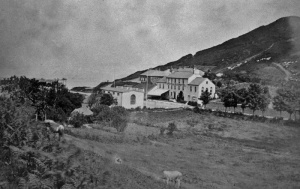
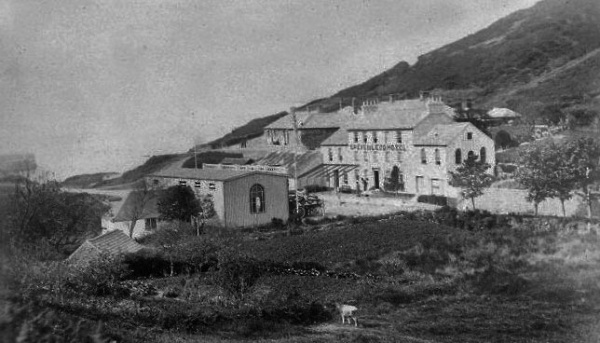 A photograph by J Lacolley, who was in business in Bath Street from 1877 to 1879 showing Greve de Lecq Hotel
 -
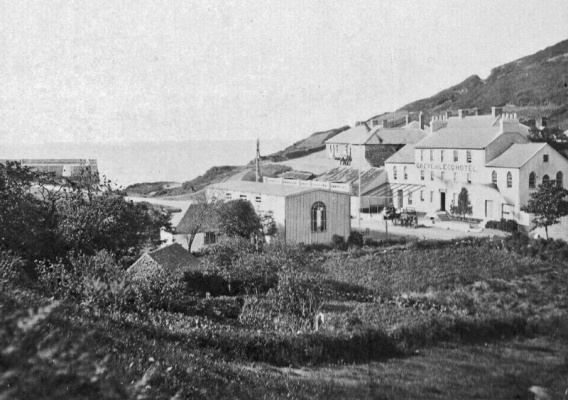 A sharper image from a similar angle, again showing the end of the pier intact


-
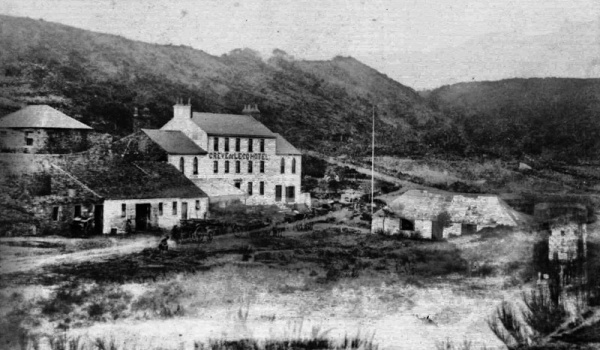 An earlier photograph of the hotel viewed from the opposite direction
 -
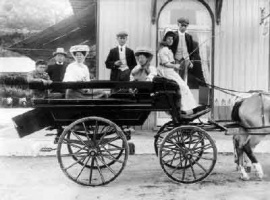
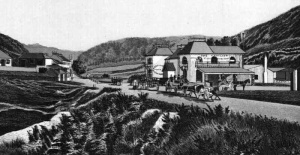
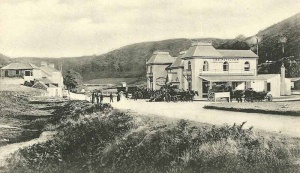
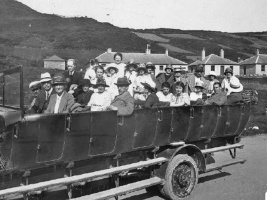
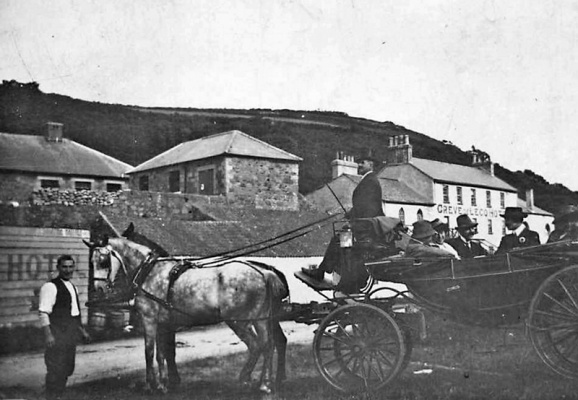 A carriage arrives with a party for lunch. This picture was sent to us dated 1912, but the absence of buildings in this area in front of the hotel leads us to believe that it was taken much earlier, probably in the mid-1870s, but possibly even earlier


-
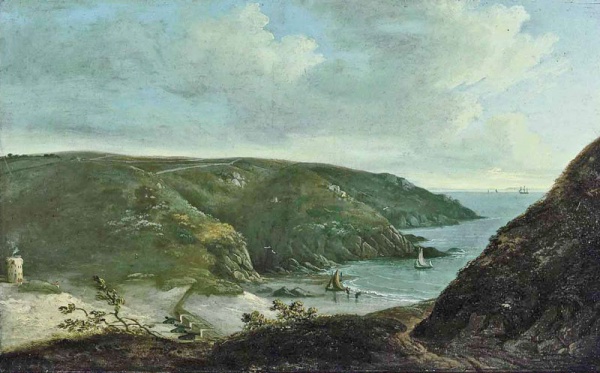 An oil painting of Greve de Lecq by English landscape artist John Tobias Young. This is one of several works undertaken during a visit to the island in 1815. The dark foreground was very much in Young's style, although more sombre and featureless than usual. Look down into the valley, however, and the detail is fascinating and of historic importance. A battery of
 -
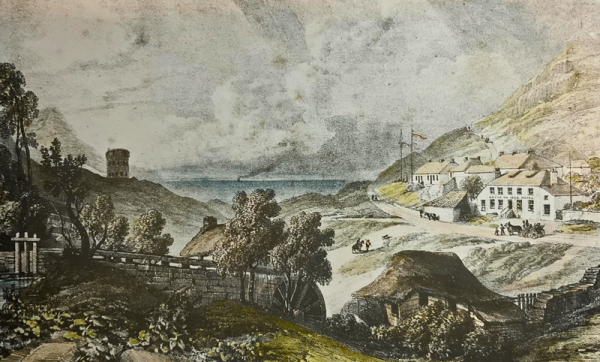 A 19th century watercolour
 -
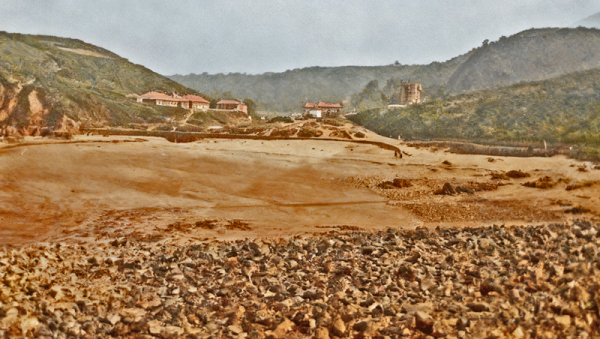 Photograph by Olivier Borbeau
 -
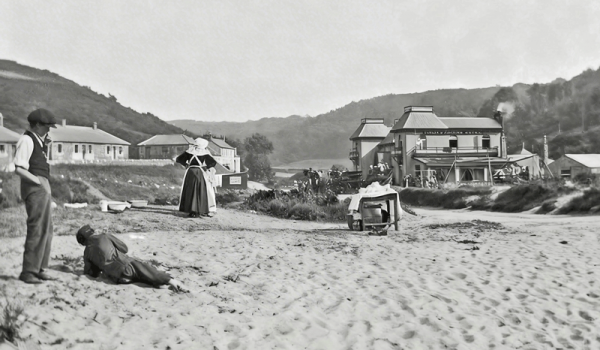 Photograph by Olivier Borbeau


.png)
2.png)
Three pictures of Greve de Lecq in 1967


-
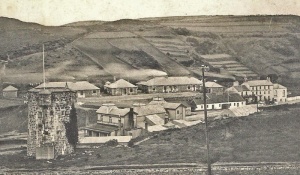
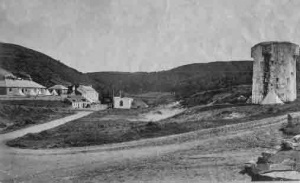
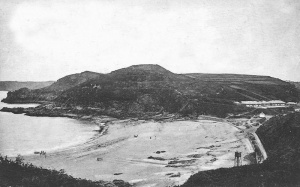 A mystery tower in the right foreground of this picture from the early 1900s (Click on the image to view full size)
 -
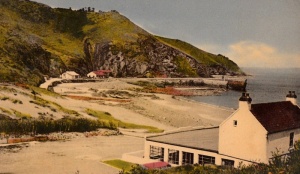 1954
1954 -
-
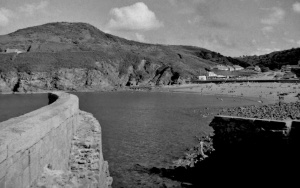 1930s
1930s -
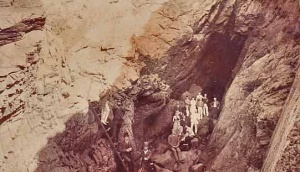 Inside the cave
 -
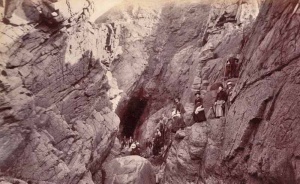 Steps to the cave
 -
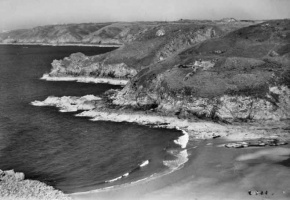 1950s
1950s -
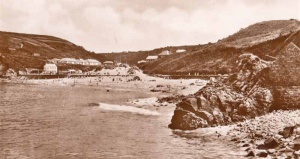
-
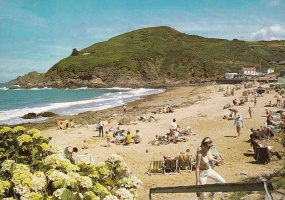 1970s
1970s -
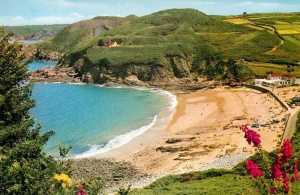
-
-
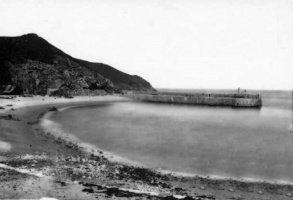 Greve de Lecq pier intact in the 1870s, photographed by Ernest Baudoux


-
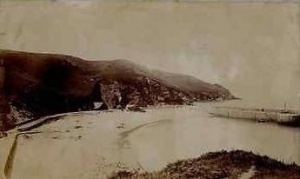 Another early photograph showing the pier intact
 -
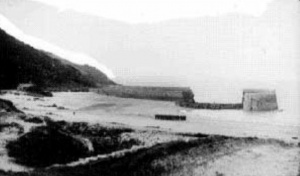 Ernest Baudoux picture after the storm which washed away the middle section of the pier
 -
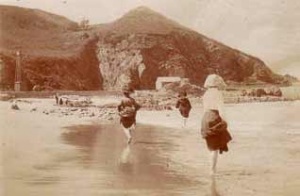
-
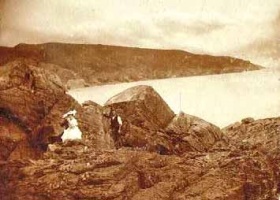 A picture taken on the rocks at Greve de Lecq in 1910
 -
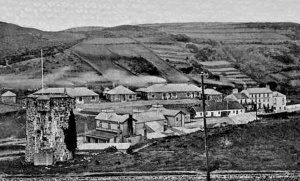 The tower, barracks and hotels
 -
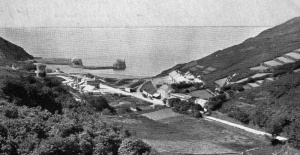 The damaged pier viewed from up the valley before the end was washed away
 -
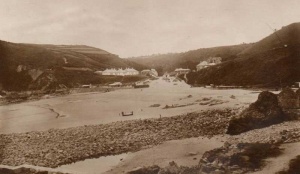 1930
1930 -
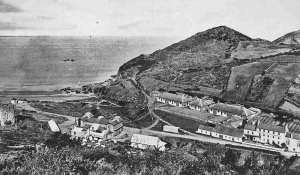
-
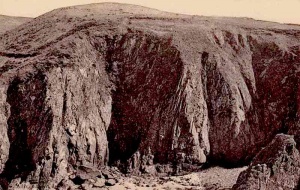 Greve de Lecq caves
 -
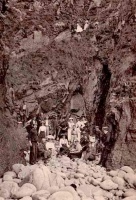 Visitors to the caves
 -
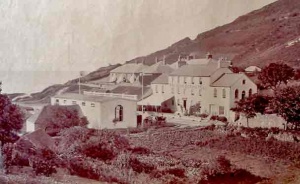 Greve de Lecq Hotel
 -
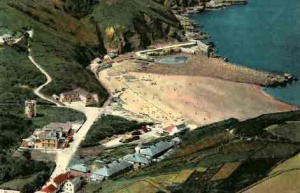 Aerial view


-
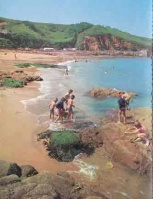 Fishing at Greve de Lecq
 -
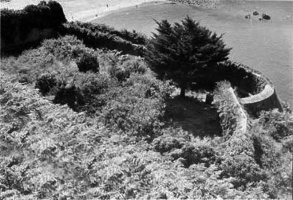 Greve de Lecq battery
 -
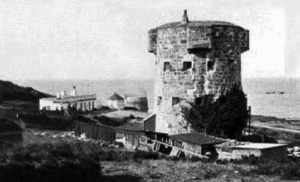 The coastal tower
 -
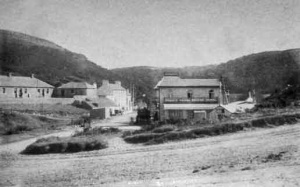 1880
1880 -
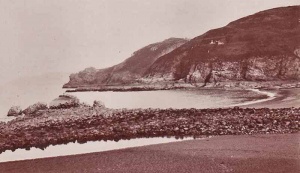 1905
1905 -
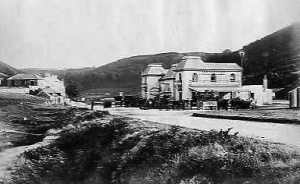
-
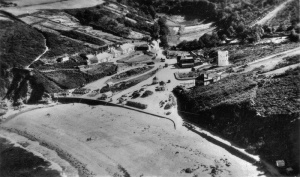
-
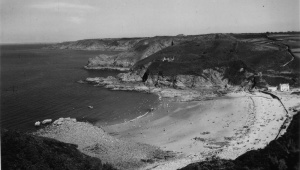
-
 1908
1908 -
-
-


-
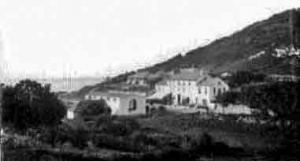 1875
1875 -
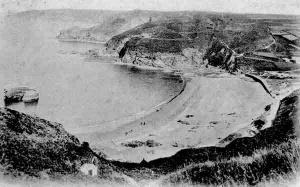
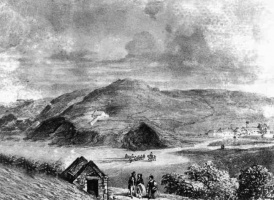 An early print of the bay
 -
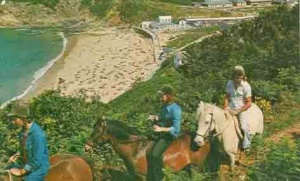 Horses on the footpath above Greve de Lecq
 -
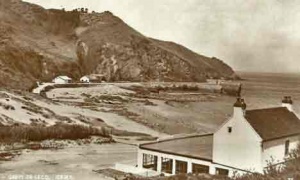 1950
1950 -
-
-
-
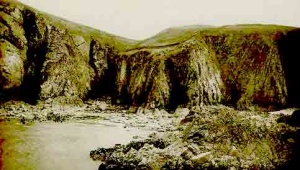 The caves
 -
-
 Greve de Lecq in 1924
 -
 A painting by Ouless
 -
-
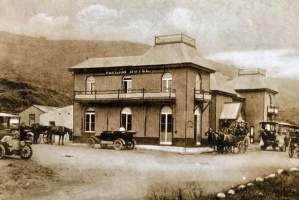
-
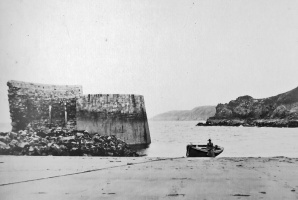 1890
1890 -
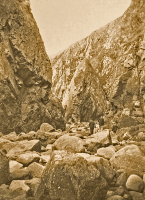 Val Rouget
 -
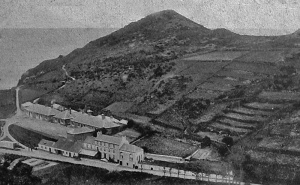
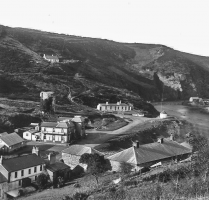 Looking down on hotels and barracks


-
-
-
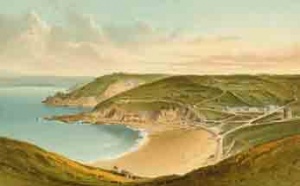 Greve de Lecq painted in 1890
 -
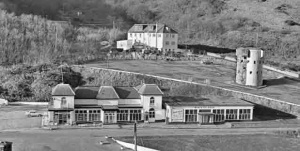 Greve de Lecq Pavilion in 1972
 -
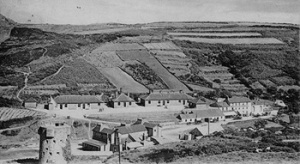 A 1924 photograph of Greve de Lecq Barracks
 -
-
-
-
-
-
-


-
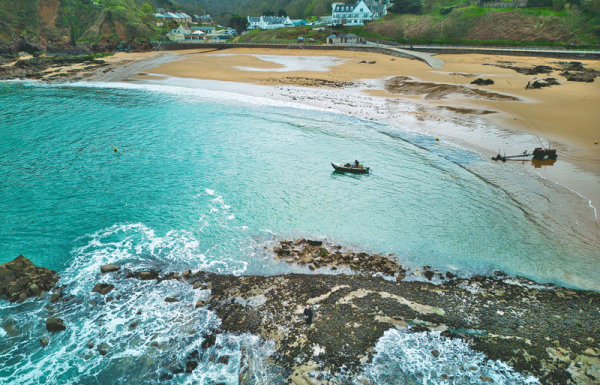 Picture by drone photographer Paul Lakeman ...
 -
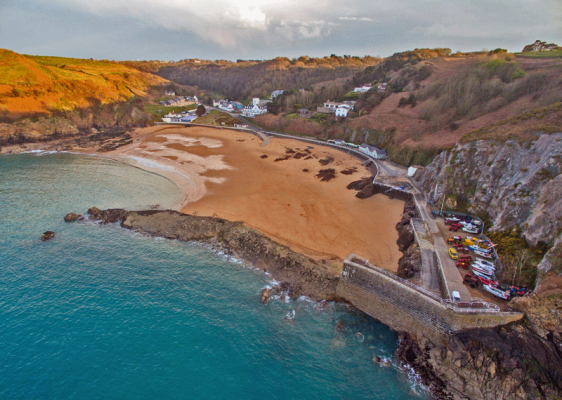 ... and another by Chris Brookes


-
-
-
-
-
-
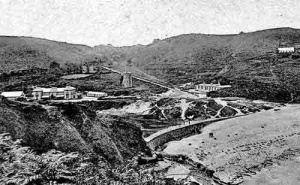 Photograph by H G Allix
 -
-
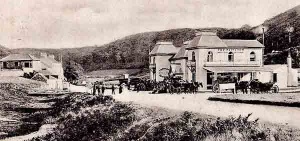 The Pavilion in 1910
 -
-
-
-


-
 August 1955
 -
 Castel de Lecq
 -
 Greve de Lecq tower
 -
-
-
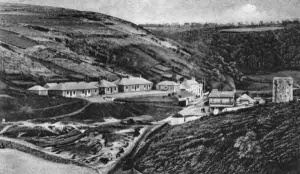 Greve de Lecq in 1910
 -
-
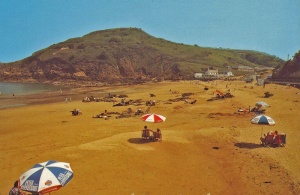
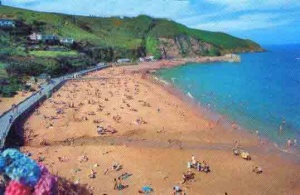
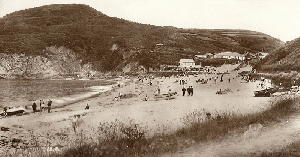
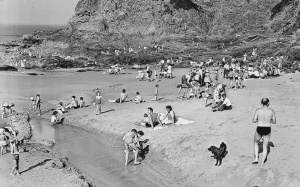
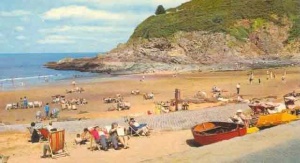
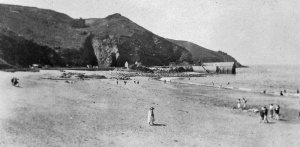
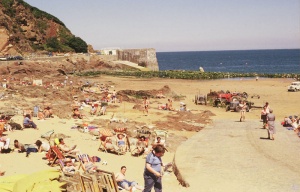
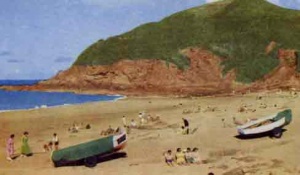 The bay's fine beach has always been one of the island's most popular
 -
-
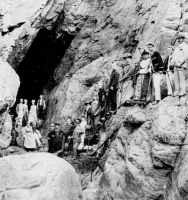 The caves at Greve de Lecq
 -
-
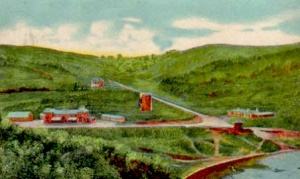
-
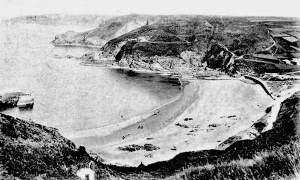 Greve de Lecq in 1902
 -
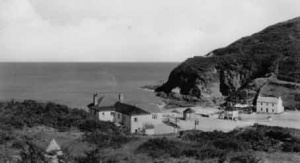 In the 1930s
 -
-


-
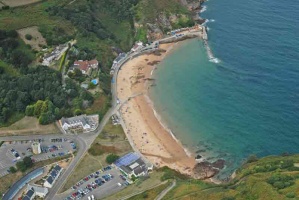 The bay from the air in 2006
 -
-
 Greve de Lecq Pavilion
 -
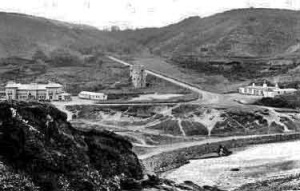 Greve de Lecq in 1895
 -
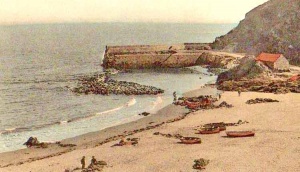 This picture has been printed in reverse
 -
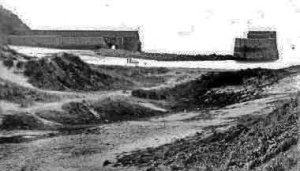 Before the end of the damaged pier was completely washed away
 -
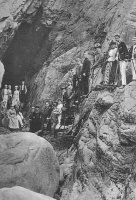 Entering the caves down an iron ladder
 -
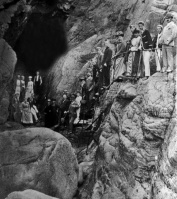 Steps to the caves
 -
-
 1868, before the Pavilion Hotel was built
 -
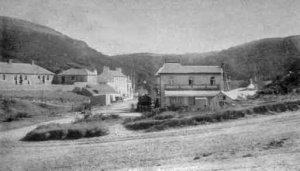 1880
1880 -
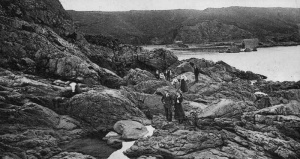 Crossing the rocks to the caves


.jpg)


-
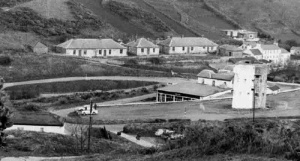 1967
1967 -
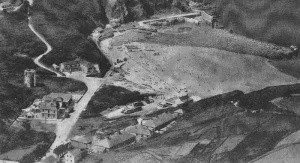 1930 aerial
 -
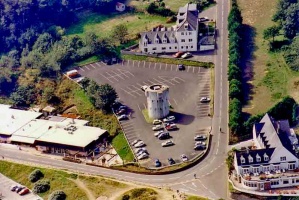 1996 aerial
 -
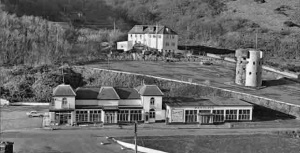 1973
1973 -
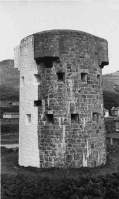 1939
1939 -
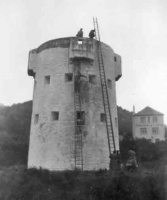 1960
1960 -
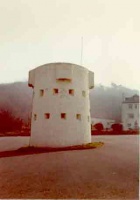 1972
1972 -
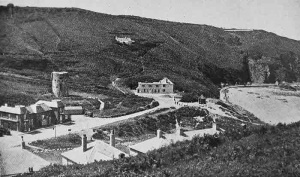 1920
1920 -
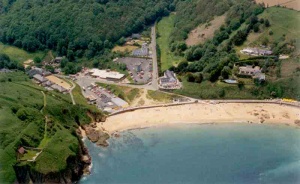 2004 aerial
 -
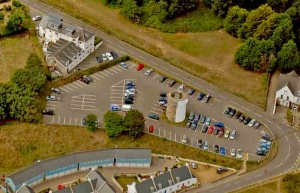 2006 aerial
 -
-
 1882
1882


-
 Albumen print
 -
 Albumen print
 -
 1948
1948 -
-
-
-
 1860s
1860s -
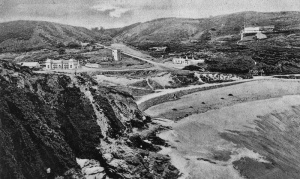
-
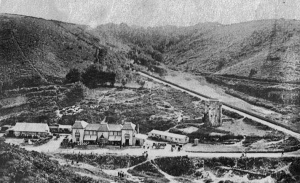 1890s
1890s -
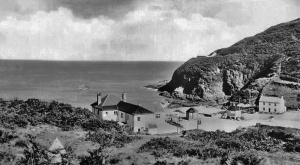 1946
1946 -
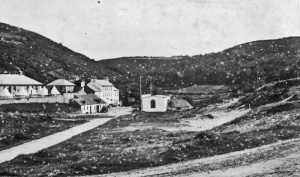 1870s photograph by W Slater
 -
Greve de Lecq in 1890


-
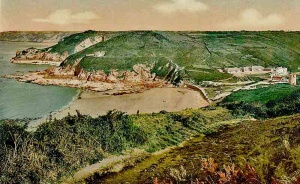 1905
1905 -
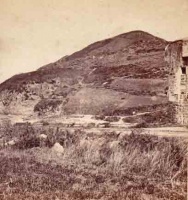 1860s stereoview
 -
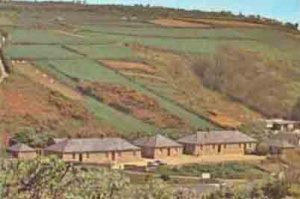 The barracks
 -
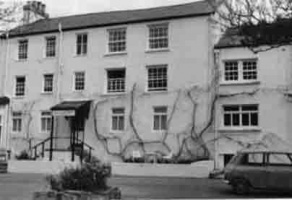 Greve de Lecq Hotel
 -
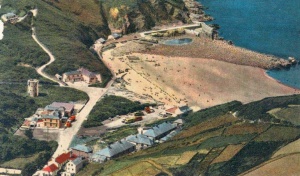 1960
1960 -
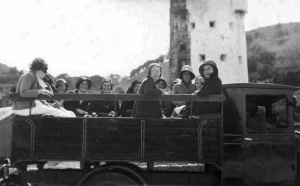 A Sunday school outing at Greve de Lecq in 1930
 -
-
-
-
-
-
-
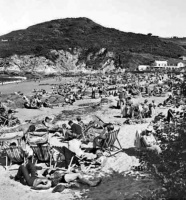 A crowded beach in 1973 - Picture Jersey Evening Post
 -
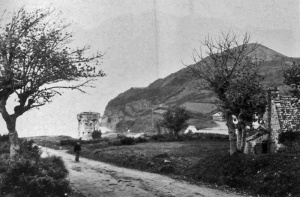
-
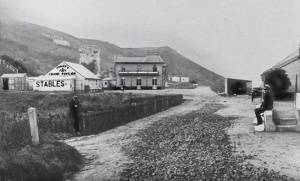 A very old photograph, before the Prince of Wales Hotel was built
 -
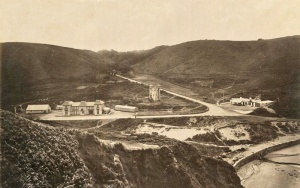 An early albumen print
 -
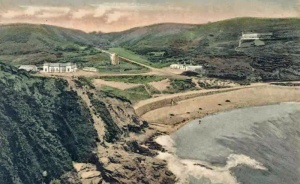
-
-
-
-
 1921
1921 -
 1920s
1920s -
 1840 drawing by Robert Mudie
 -


-
-
-
-
-
-
-
-
-
-
-
-
-
-
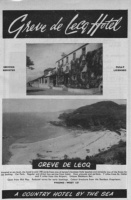
-
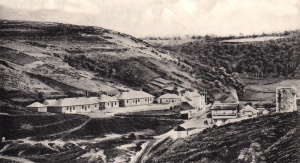 The Barracks
 -
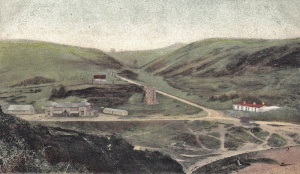 Pooley's Hotel
 -
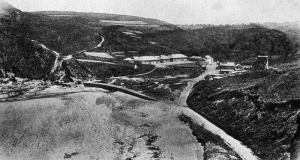 1903
1903 -
-
 1923
1923 -


-
 1930s
1930s -
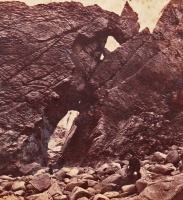 Rocks at Greve de Lecq photographed in 1868 by Hutton
 -
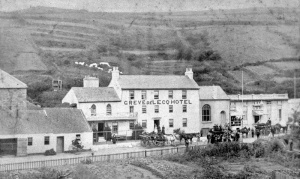 Greve de Lecq Hotel
 -
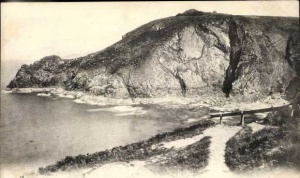 1905
1905 -
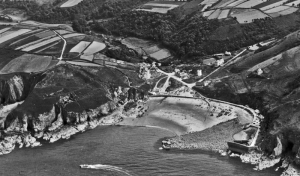 1951 aerial photograph by Aerofilms
 -
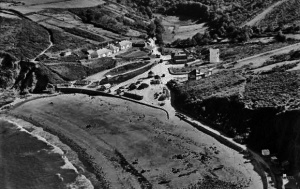 1933 aerial photograph by Aerofilms
 -
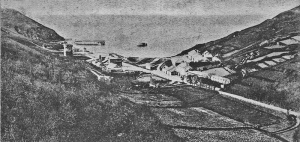
-
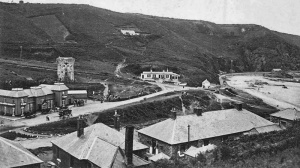 A view of Pooley's Hotel over the barracks
 -
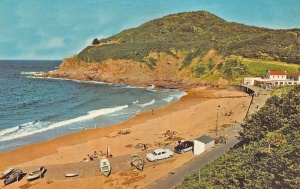
-
-
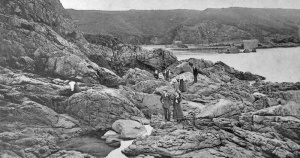 On the rocks outside the caves
 -
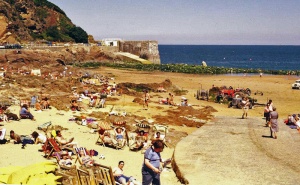
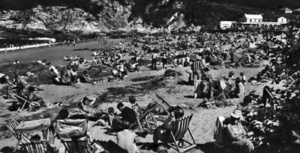 A crowded beach at Greve de Lecq in the 1970s
 -
-
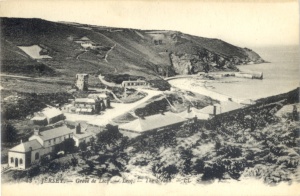
-
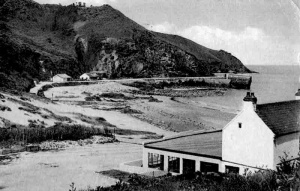
-
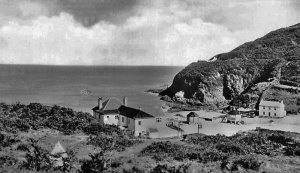 1946
1946 -
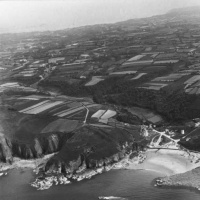 1951
1951 -
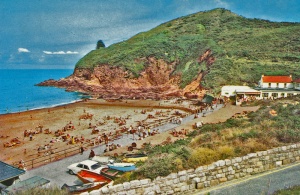 1960s
1960s -
-
-
-
-
 Stroud image
 -
-
-
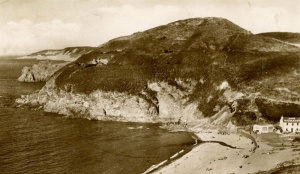 Le Catel de Lecq
 -
-
-
-
-
-
-
 1865
1865 -
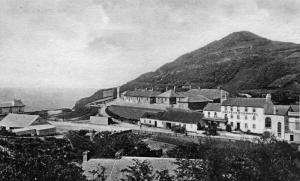 Francis Frith postcard
 -
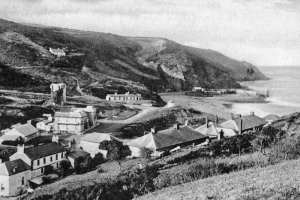 Albert Smith postcard
 -
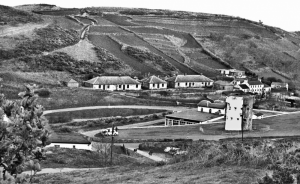 1967
1967


.png)
.png)


-
-
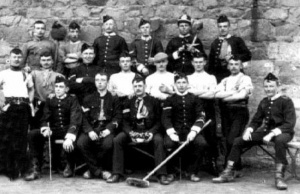 Militiamen at the barracks
 -
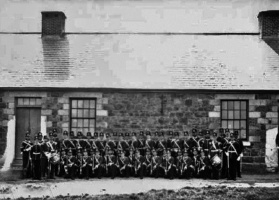 Lancashire Regiment soldiers at Greve de Lecq Barracks in 1875
 -
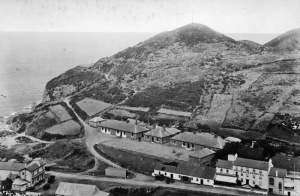 The barracks
 -
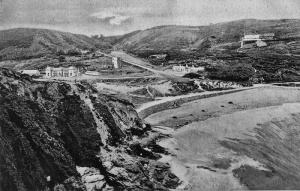
-
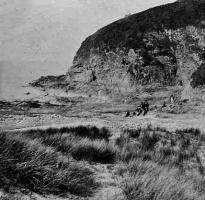 1870s
1870s -
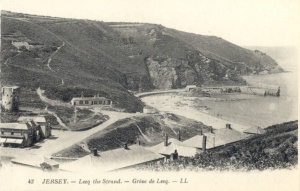
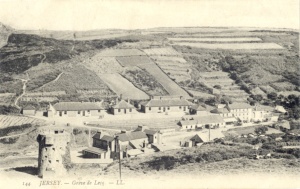 LL postcard
 -
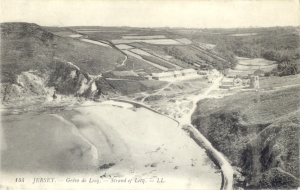 LL postcard
 -
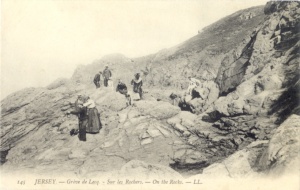 LL postcard
 -
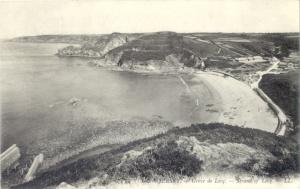 LL postcard
 -
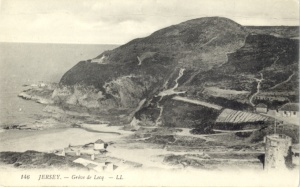 LL postcard
 -
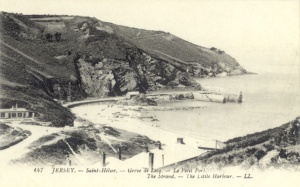 LL postcard
 -
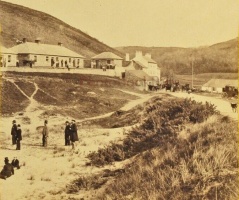
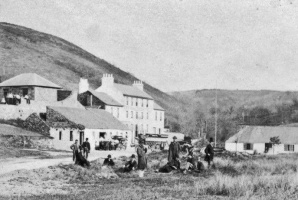 A Victorian stereo view photograph
 -
 Another stereo view
 -
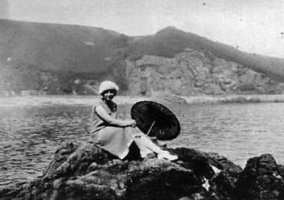 A snapshot on the rocks in 1926
 -
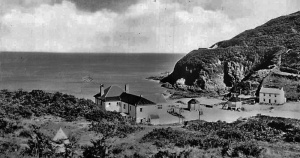 1946
1946 -
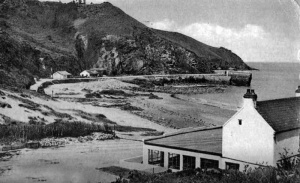 1950
1950 -
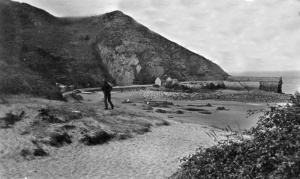 1927
1927 -
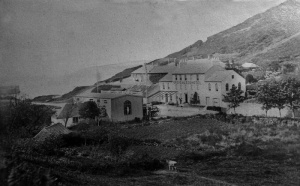 A photograph taken between 1877 and 1879 by J Lacolley
 -
-
-
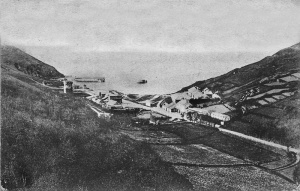 1906
1906 -
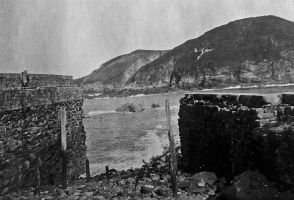 1920s
1920s -
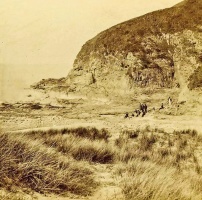 An early Victorian photograph


-
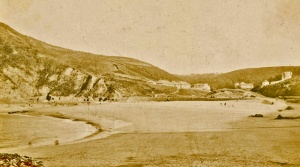 A 19th century silver print
 -
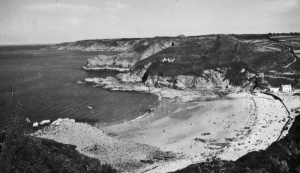
-
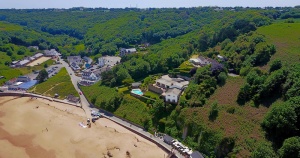 A drone photograph
 -
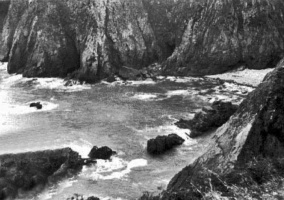 Early 20th century photograph
 -
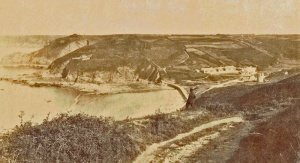 1880s
1880s -
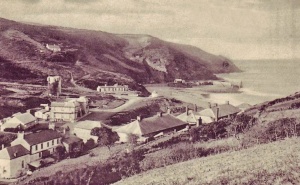 1940s
1940s -
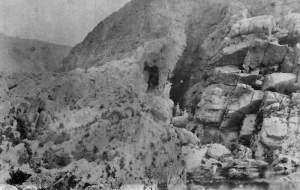 A group at the cave entrance
 -
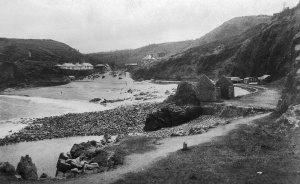 1890s
1890s -
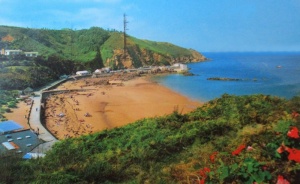 1987
1987 -
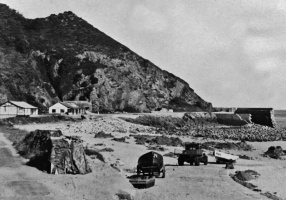
-
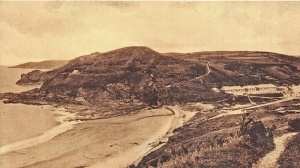 1903
1903 -
-
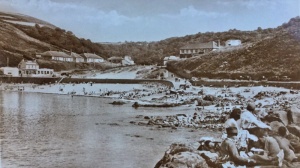
-
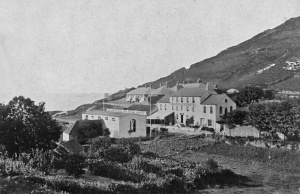 Picture by Baudoux
 -
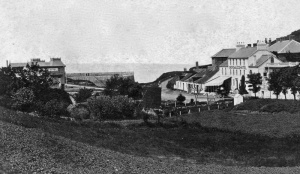 A rare picture of the hotels with an intact pier in between - taken in 1876-78, or after storm damage in 1878 had been repaired
 -
-
-
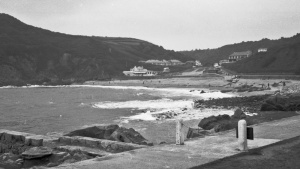 1950s
1950s -
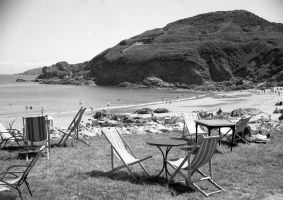 1950s
1950s -
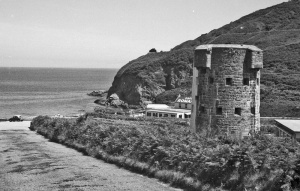 1950s
1950s


-
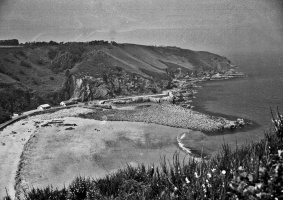 1950s
1950s -
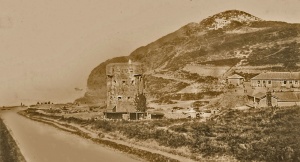 c1900
c1900 -
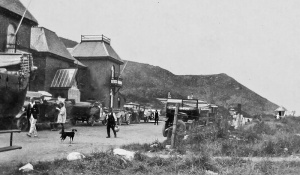 A busy day at Pooley's in 1923
 -
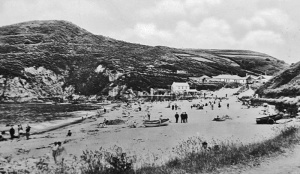 A busy day on the beach
 -
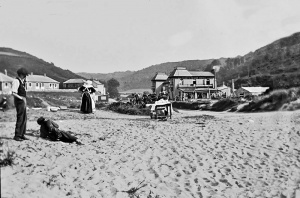 19th century
 -
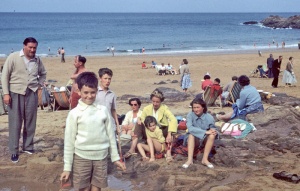 1958
1958 -
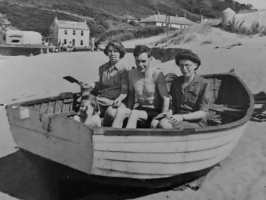 Jolly boating weather for this family of landlubbers in 1946
 -
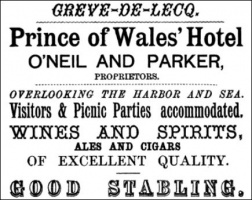 1881 advert
 -
-
-
-
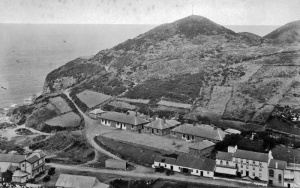 The barracks
 -
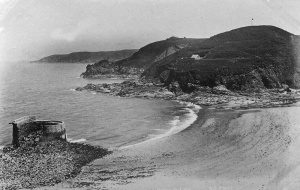 Looking down on the remnants of the destroyed jetty, long since washed away
 -
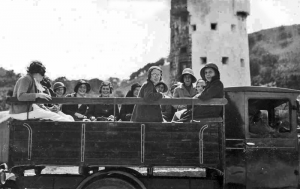 A sunday school outing at Greve de Lecq in 1930
 -
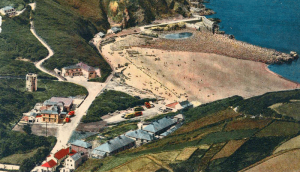 1960
1960 -
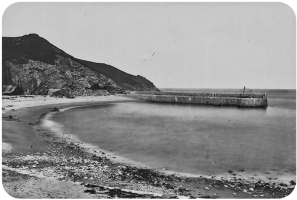 1878
1878 -
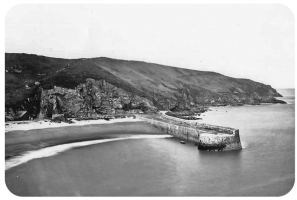 1880
1880 -
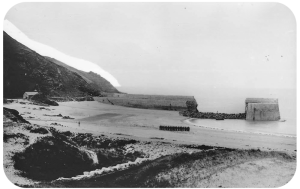 1886
1886 -
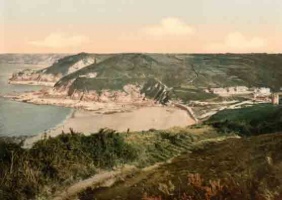 Greve de Lecq in 1892
 -
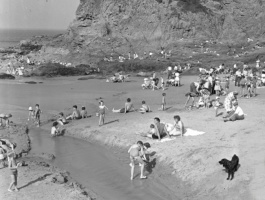 1955 - Evening Post picture
 -
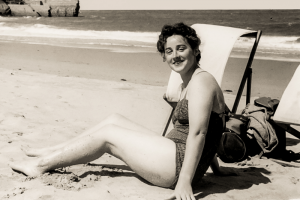 A holiday snap
 -
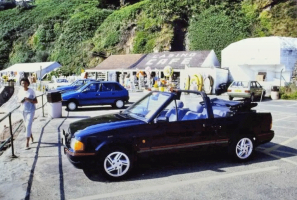 Pierside cafes in 1989