Halkett Place

Halkett Place

This article is based on a 2010 Jersey Archive Street Story presentation

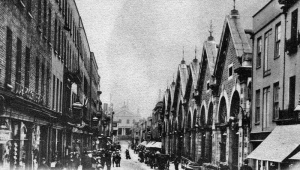
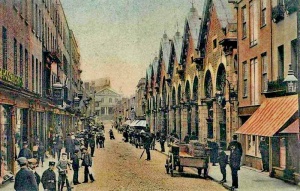
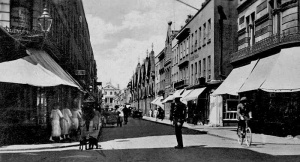
Named after Sir Colin Halkett, who was Lieut-Governor from 1821 to 1830, Halkett Place was the first main street to be constructed leading north off King Street. It was officially opened on 6 August 1825.
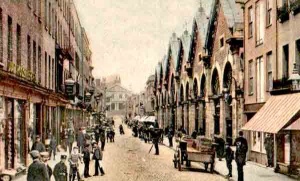
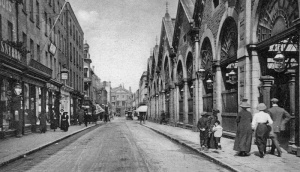
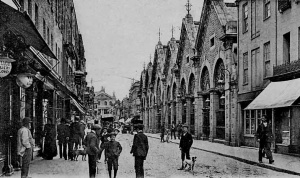
The name now covers the stretch of street from the former Wesley Grove Church, beyond Burrard Street, formerly called Grove Place, to Hill Street, and it is a wide thoroughfare along its entire length. Previously, however, the short section from King Street to Hill Street, which was much earlier, was very narrow and known as Morier Lane.
Rural area
It is an indication of how slow St Helier was to develop as a town that Halkett Place did not make an appearance until the third decade of the 19th century. In the late 18th century the area around what would become Halkett Place was still rural. The Richmond map of 1795 shows that the edge of St Helier had not quite extended as far as the current street. The map shows properties facing King Street but no buildings between New Street and Bath Street. In contrast the Le Gros Map of 1834 shows buildings along both sides of the length of what was then called Halkett Place, from King Street to Burrard Street, and also in Grove Place the other side of Burrard Streeet.
Jersey Archive holds the 1800 plan for the original Governor’s residence, which shows the house, stables and gardens, together with a meadow. The property made the corner of Halkett Place and King Street, where Burton’s and the former Woolworths were built.
The Governors’ letter books show that Halkett complained that his official residence was unhealthy and that the gardens flooded in the winter. Finally he was allowed to move to Belmont on St Saviours Hill, a higher, healthier and much drier position.

Market
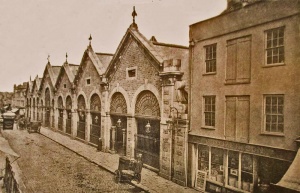
Halkett Place started life as a private road under the name La Rue de Nouveau Marche', or Market Street, as it is shown on a survey in 1800. It was in that year that the States decided that noise and congestion on market days in the Royal Square meant that the time had come to build a new market, and it opened its present site in 1803. The structure was roofed on three sides for goods such as vegetables and dairy produce, with covered butcher’s stalls in the middle. The larger covered market that we now know was not opened until 1882.
Wesley Grove
Another landmark of the area is Wesley Grove Methodist Church, now called St Helier Methodist Centre, which encloses one end of Halkett Place and effectively defines the end of the street. It was built in 1847 and designed by Philippe Bree. The church’s sheer size is a testament to the power of Methodism in Jersey as it was originally built to hold over 1,000 people and could accommodate up to 30 preachers at one time.

Traders at No 9
Jersey Archive records can trace the occupation of 9 Halkett Place from the 1820s to the present day. The property was sold by Louis Poignand to Marie Falle in 1823 but evidence of occupiers shows that Marie probably leased the property to traders.
A dispute over a bill for millinery, between Madame de Carteret of St Ouen and draper Jean Nicolle of 9 Halkett Place, is early evidence of the use of the property. The original bill dating from 1828 is for £3 7s 11½ d and includes an account for ribbons bows and silks, as well as other trimmings.
The property changed tenants many times after Jean Nicolle moved in. In 1841 it was the home and business of an auctioneer named Henry Moser Millard. Fire insurance registers show that he was paying premiums from 1835.
In 1851 the premises was occupied by William Ward, a grocer. From 1861 to 1881 it was in the possession of Thomas Le Breton a paper-hanger who, by 1891, had passed the business to his son, also called Thomas.
The name Morier Lane was no longer used after 1900 and what was 9 Halkett Place became number 19. During the 20th century number 19 was owned by the British and Argentine Meat Company and eventually became Savills Estate Agents.

Trading street
By the 1840s Halkett Place was establishing itself as a prominent street for trade.
The 1841 census shows that among the services available were two chemists, four hairdressers, an optician, a dancing teacher, two artists, several bonnet and dressmakers, a printer, a coach maker and a currier.
By 1861 the choice of services available had increased still further with tallow chandlers, tea merchants, music sellers and coin dealers.
Several women were earning an independent living from the retail trade. Rachel Pallot who lived at number 36 was recorded as a retired shoe manufacturer in the 1861 census. By this date her son, Samuel, had taken over the expanding business and it employed 22 men and two boys.
In the same year Nancy Le Touzel ran a confectioners at number 27 and Fanny Huet at number 7 was recorded as a retired perfumier.

States printer
One resident of Halkett Place who prospered was Chadwick Le Lievre, of number 13. In 1861 Chadwick was a printer and bookseller employing eight men, two boys and one female, Emma Stickland. He was also the proprietor of the Constitutionnel Newspaper. By 1871 he was employing ten men, five boys and Emma.
Chadwick became a Centenier of St Helier in 1870 as well a printer for the States of Jersey. Many of the official volumes now held at the Jersey Archive have his label attached to the back cover.
He died unmarried in 1897. In his will he left Emma £500 for being his faithful assistant for more than 30 years. This was a considerable sum of money and she was able to retire to Rouge Bouillon as a lady of independent means.

Fishermen riot
Halkett Place’s proximity to the Royal Square and States Chamber has also influenced events in the street. In 1837 there was a riot in Halkett Place when disappointed oyster fishermen stormed the street after their petition protesting at the re-election of Lieutenant Spark as Inspector of Oyster Fisheries was rejected in the States by 1 vote.
The rioters attacked a member from St Martin who had voted against them. Reports indicate that officers managed to lock one of the protesters into the French Café in Halkett Place, but he smashed every pane of glass in an effort to escape. The ringleader Elias Aubin was arrested. Prudent shopkeepers boarded up their premises against damage and a white flag of truce was hung from what is now the Cock and Bottle. Elias Aubin and George Messervy were bailed on the charge of riotous behaviour.
Histories of individual properties
| No 19 | No 28 | No 32 | No 37 | No 39 | No 41 | No 43 | No 45 | No 47 | No 49 |
| No 55 | No 58 | No 60 | No 63 | No 65 | No 69 | No 71 |
- Another history of Halkett Place
- A Jersey Archive history of Halkett Place
- Halkett House
- The devastating fire at a Halkett Place drapery
- Halkett Place businesses in 1833 and 1834
- 70 years of Halkett Place - Part 1
- 70 years of Halkett Place – Part 2
- 70 years of Halkett Place - Part 3
- 70 years of Halkett Place - Part 4
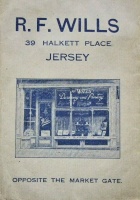
- Halkett Place traders' advertisements


-
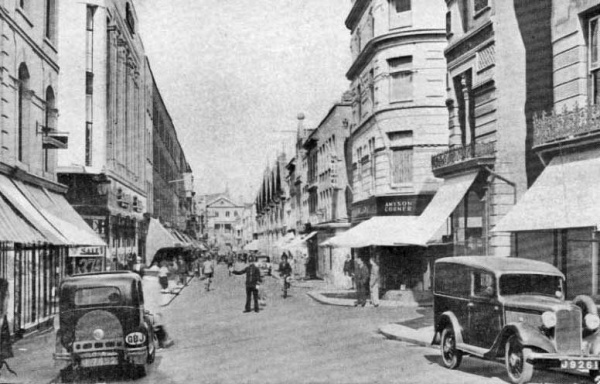 Halkett Place in 1950 ...
 -
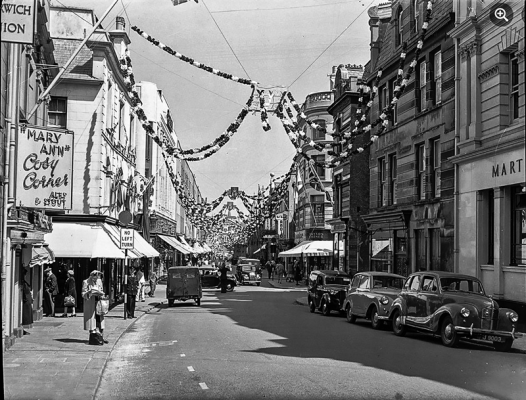 ... and in 1953


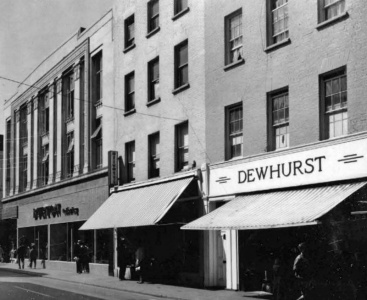
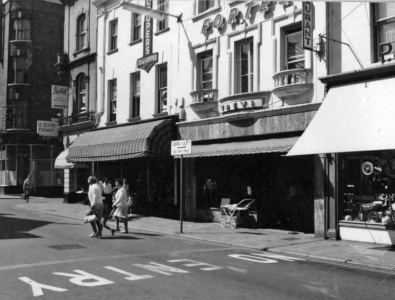
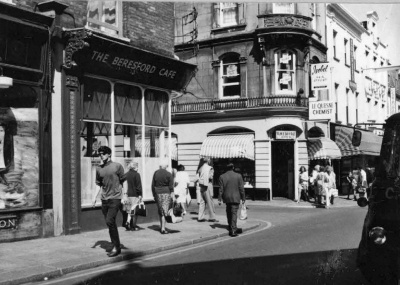
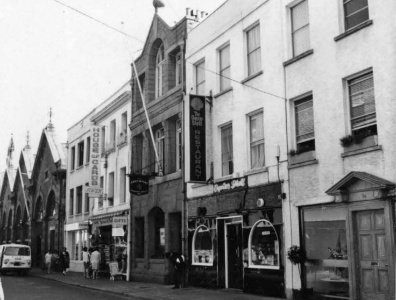
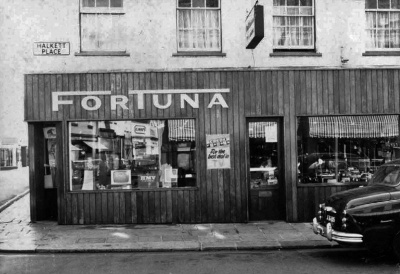
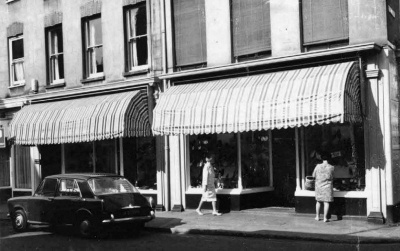
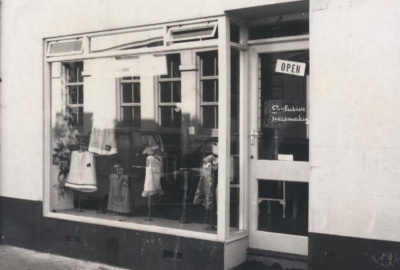
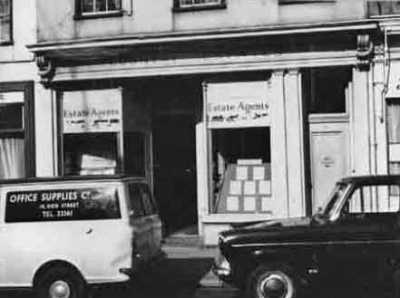
Planning officers' photographs
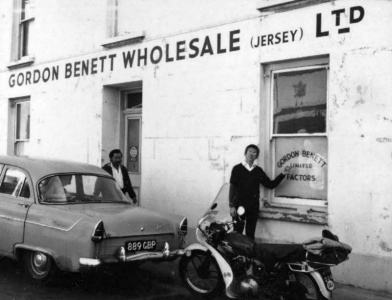
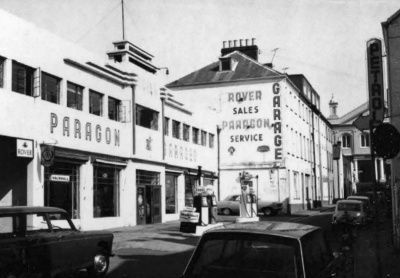
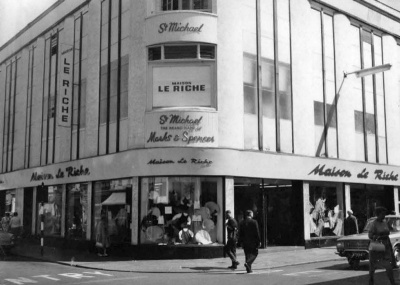
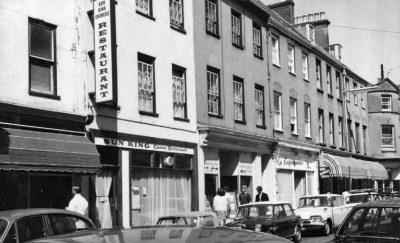
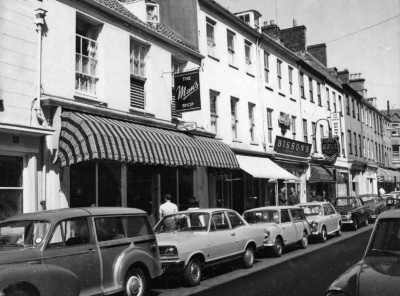
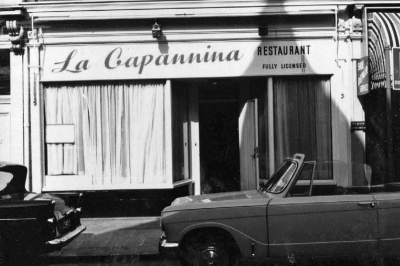
The first batch of pictures were taken by planning officers in 1968 as part of a project to record the town centre's streets
Click on image to see larger picture
-
-
-
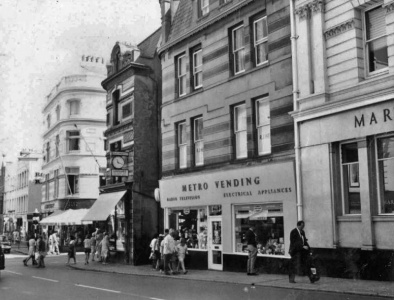
-
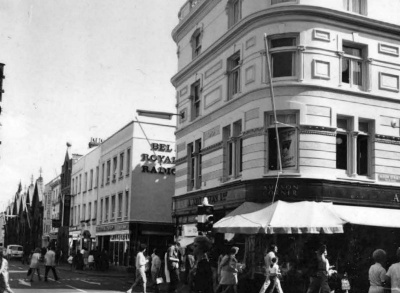
-
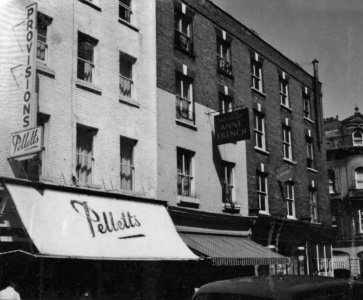
-
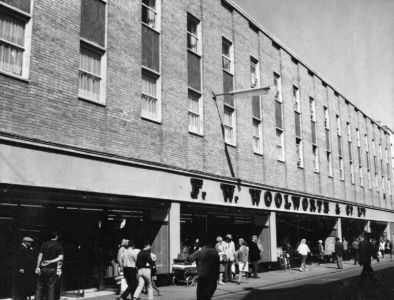
-
-
-
-
-
-
-
-
-
-
-
-
 1968
1968 -
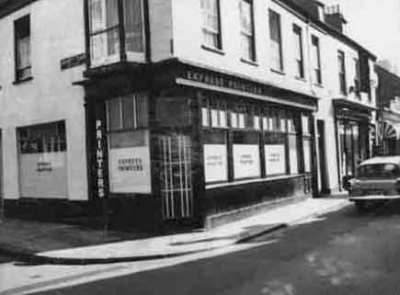 1968
1968 -
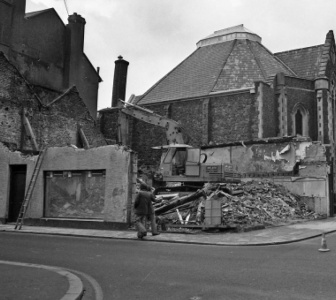 Demolition of No 68 in 1979 - Picture Jersey Evening Post


-
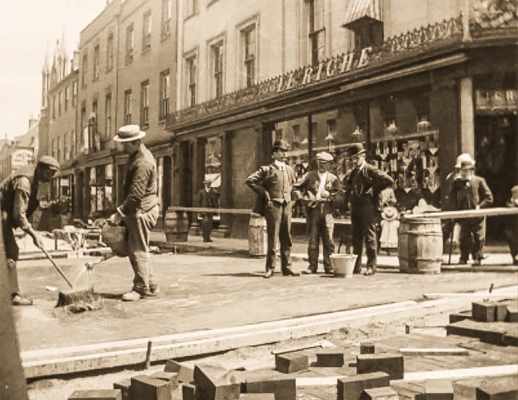 Resurfacing with wooden cobs ...
 -
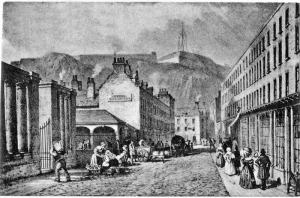
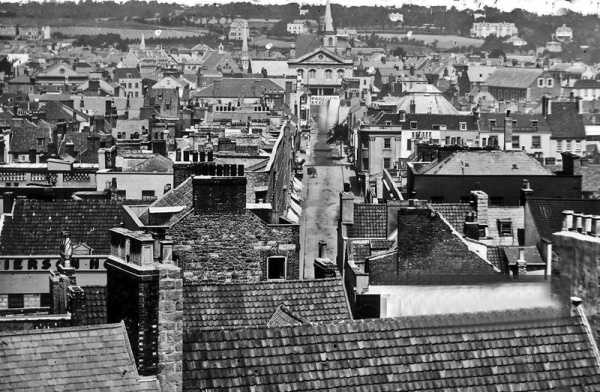 ... this picture, taken by Ernest Baudoux in 1875 from Fort Regent, appears to show the street before resurfacing


-
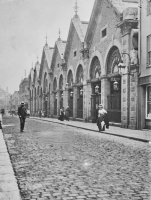 Not cobblestones, as identified in social media groups when this image appeared in 2024, but granite setts
 -
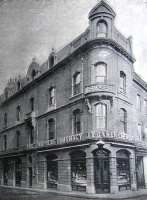 Waterloo Pharmacy in the 1900s
 -
-
-
-
-
-
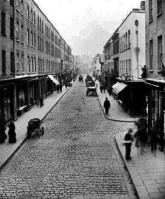 A photograph by Philip Morel Laurens
 -
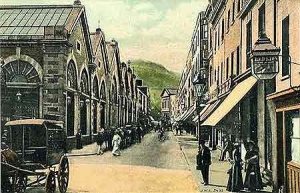
-
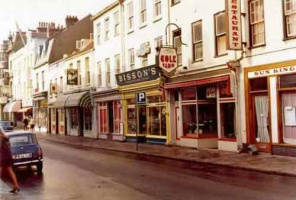 1969
1969 -
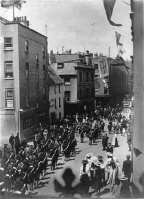 1900
1900 -
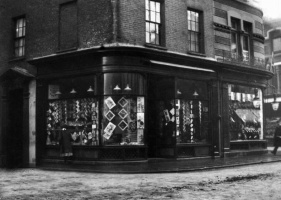 The Queen Street junction
 -
-
-
-
-
-
-
-
-
-
-
-
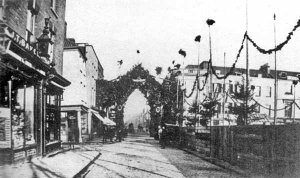 Halkett Place in 1881. The old market has been demolished and the new building would appear soon in the area on the right of the photograph
 -
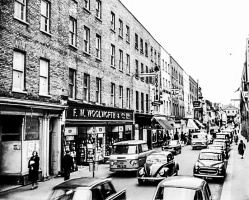 1970s
1970s -
-
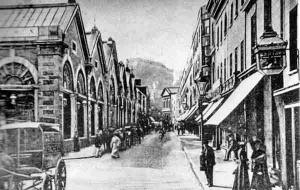 The street in 1909
 -
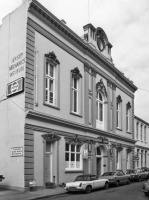 Mechanics Institute in 1982 - Picture Jersey Evening Post
 -
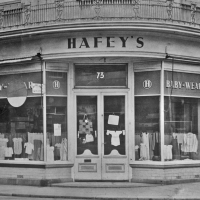 Hafey's at No 73, on the corner with Burrard Street


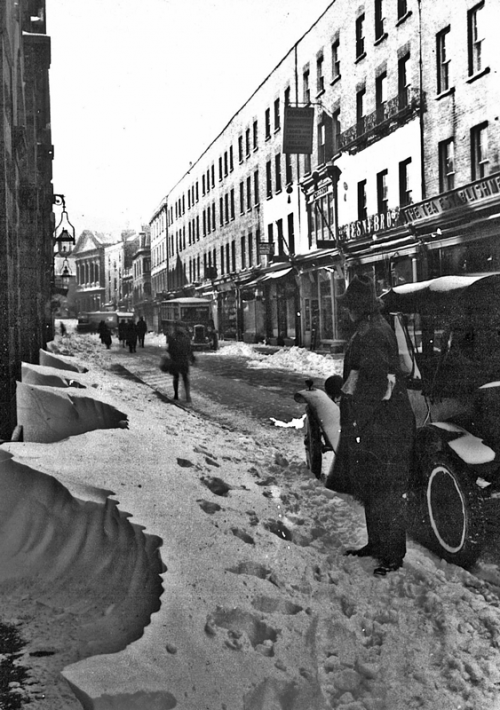 Heavy snowfall in February 1929

-
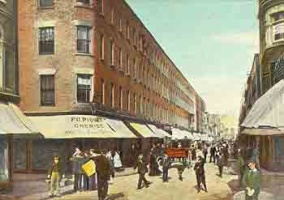 An early postcard of Halkett Place
 -
 Halkett Place in 1951
 -
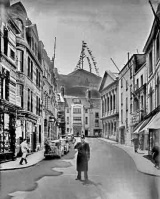 Halkett Place in 1951
 -
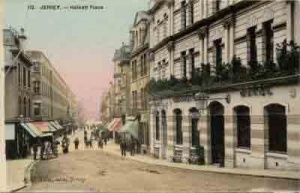 Halkett Place
 -
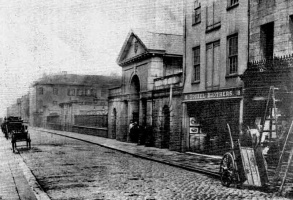 1880
1880 -
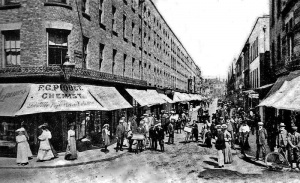 Halkett Place - the King Street junction
 -
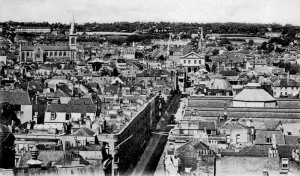 Looking down on Halkett Place from Fort Regent
 -
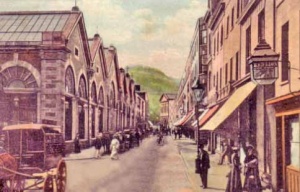 Halkett Place, showing the Market on the left
 -
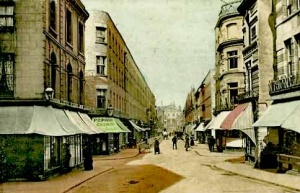 Halket Place photographed by George Allix
 -
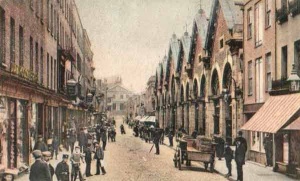
-
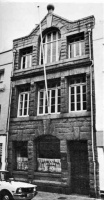 28 Halkett Place, 1912
 -
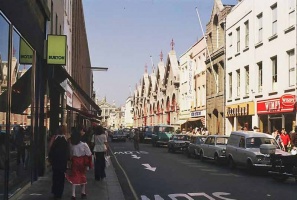 Halkett Place in the 1970s
 -
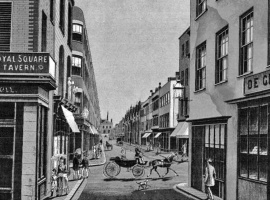 A 19th century drawing of Halkett Place
 -
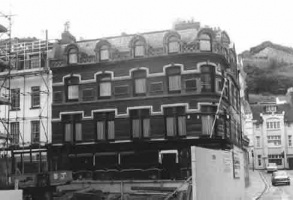 Amy's gentleman's outfitters on the corner with Queen Street being demolished prior to rebuilding
 -
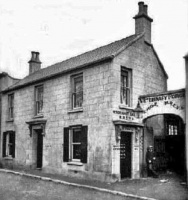
-
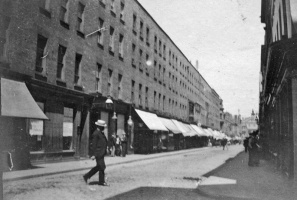 A leisurely stroll across the road
 -
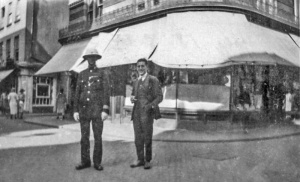 The junction of Queen Street and Halkett Place in 1925
 -
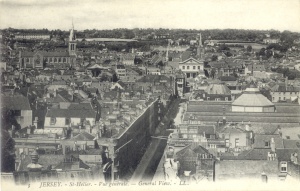
-
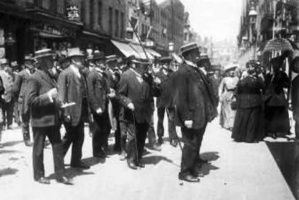 Visite Royale in Halkett Place in 1914
 -
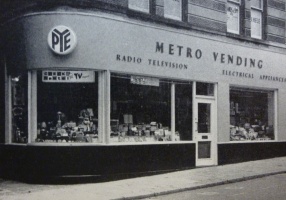 Metro Vending, Halkett Place
 -
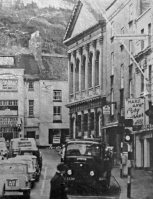 The southern end of the street in the 1970s
 -
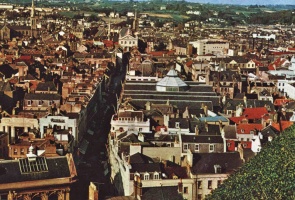 A view from Fort Regent in 1961 from a tourism brochure
 -
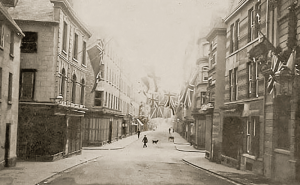


-
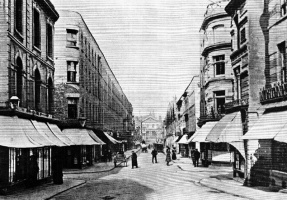
-
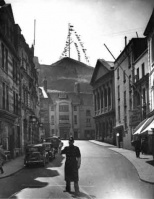 A policeman on point duty at the junction with King Street and Queen Street
 -
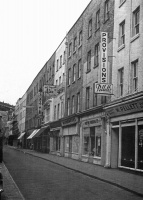 1950s
1950s -
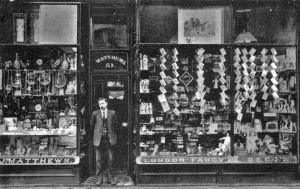 Matthews fancy goods at No 51
 -
-
-
-
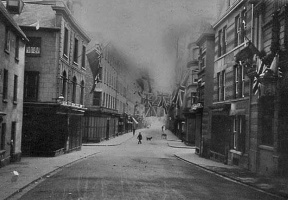 1902
1902 -
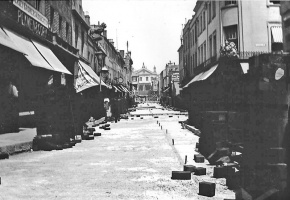 Resurfacing with wooden blocks to replace cobbles
 -
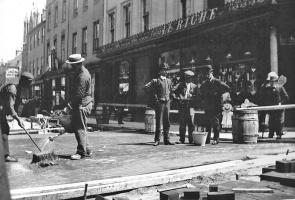 Resurfacing
 -
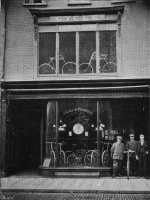 Thomson's cycle shop at 17 Halkett Place in 1898
 -
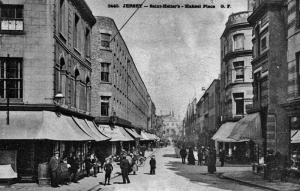 We normally edit the text off the face of postcards reproduced here, but we are making an exception for this image of Halkett Place, described as 'Hakeel Place'. It just goes to show that you cannot believe anything you read anywhere
 -
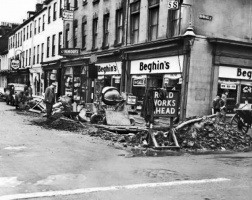 Beghin's, the family business of Napoleon Beghin, who lived at No 33 Halkett Place in the mid-19th century, had a shop on the corner with Burrard Street, then numbered 71, about 100 years later
 -
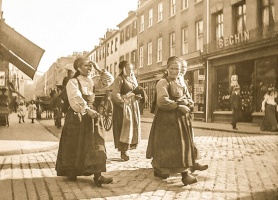 Breton workers cross the cobbled street in the late 19th century
 -
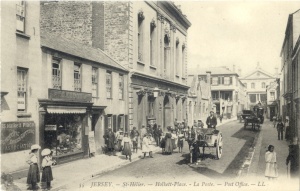 LL postcard
 -
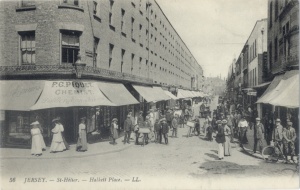 LL postcard


-
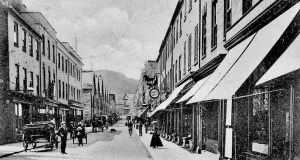 The street viewed from the Burrard Street junction
 -
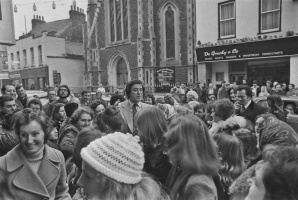 Radio and television personality Terry Wogan drew a large crowd to the opening of a Halkett Place business
 -
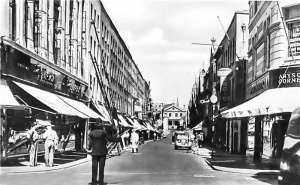 A policeman directs traffic at the junction with King Street and Queen Street
 -
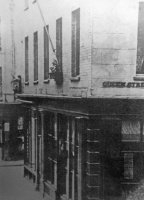 The junction of Halkett Place and Queen Street
 -
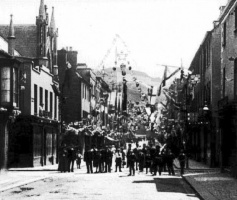 1897: A gathering at the time of Queen Victoria's Diamond Jubilee
 -
-
-
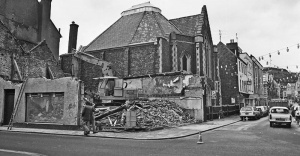 Demolition work on the corner with Burrard Street in 1979
 -
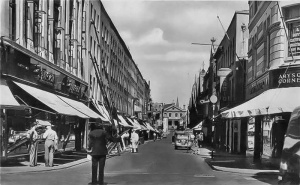 Looking north in the 1950s
 -
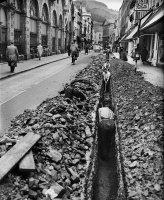 Laying telephone cables in 1958
 -
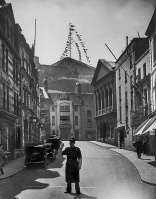 Policeman on point duty
 -
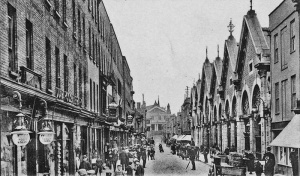


-
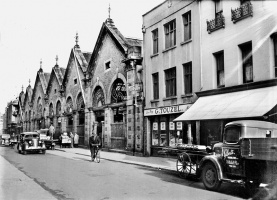 1948
1948 -
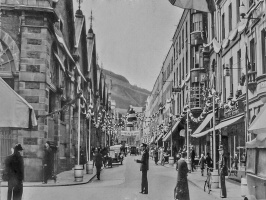 1935
1935 -
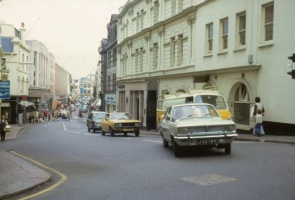 The Hill Street end of Halkett Place in the 1970s
 -
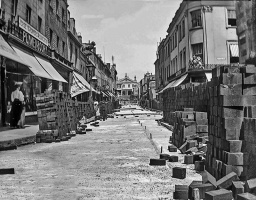 Laying wooden setts to replace old paving stones
 -
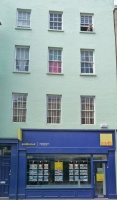 No 19 in the 21st century
 -
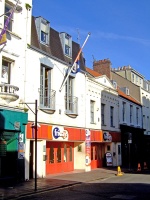 Originally the Red Lion Hotel
 -
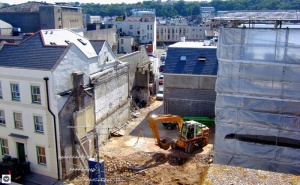 Rebuilding in 2010
 -
-
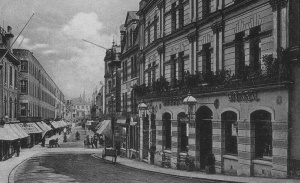 Halkett Hotel, which later became ...
 -
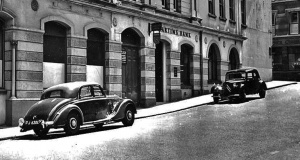 ... Martin's Bank
 -
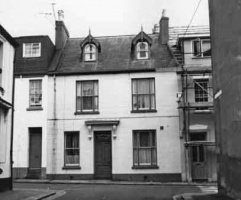 1968
1968 -
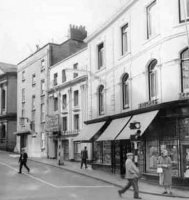 1968
1968 -
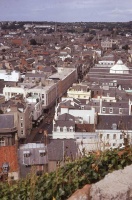 Looking down on the street in 1968
 -
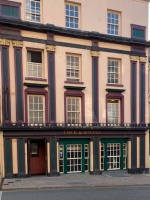 The Halkett Place entrance of the Cock and Bottle public house, formerly the Cosy Corner. Before that it was the Central Hotel. Other pictures on this page show a much plainer facade of what was a very inconspicuous building, compared with the colourful and ornate 21st century facade, which was originally created in the 19th century
 -
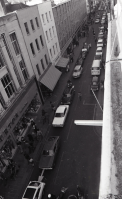 1977 - Jersey Evening Post photograph
 -
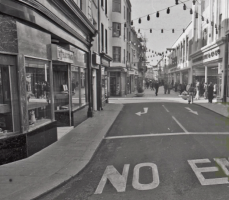 1977 - Jersey Evening Post photograph
 -
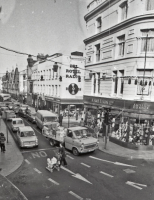 1977 - Jersey Evening Post photograph
 -
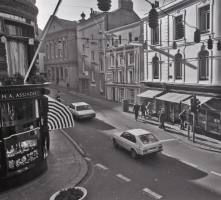 1978 - Jersey Evening Post photograph
 -
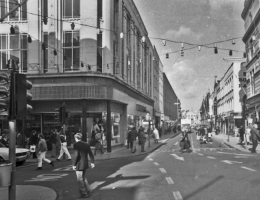 1977 - Jersey Evening Post photograph
 -
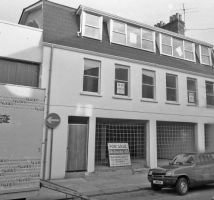 Nos 90 and 92 in 1981, when they were earmarked for a restaurant - Jersey Evening Post photograph
 -
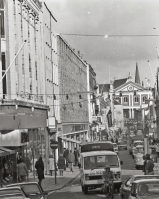 1980 - Jersey Evening Post photograph
 -
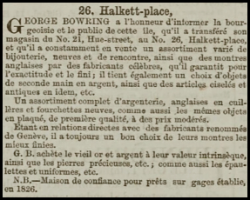 In early 1870 George Bowring announced that he had moved his jewellery business from Hue Street to Halkett Place ...
 -
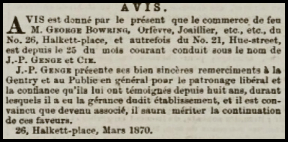 ... but he died shortly after and the business was taken over by J P Genge


.jpg)


.jpg)