John Le Capelain

John Le Capelain

John Le Capelain (1812 - 1848) was a distinguished Jersey artist, although extensive research by Jerripedia editor Mike Bisson has shown that he was not born in the island, as usually stated. This is a self portrait

The pictures in our slide show are part of the Royal collection. They can be viewed individually in the gallery below
Family
John Le Capelain, who came to be known as Jean, was born on 5 October 1812, in London, the son of Jerseyman, Samuel Le Capelain (1785-1850), and Elizabeth Anne Pinckney (1782-1851), from England. Samuel and Elizabeth, who already had a daughter Ann, born in England in about 1808, and a son Pierre, born a year later but died in infancy, were married at St George, Bloomsbury, London on 29 October 1812 and John was baptised three days later at St Pancras Old Church, London.
By the following year the family was back in Jersey and John's sister Elizabeth Anne was baptised in St Helier on 29 December 1813, followed by another sister, Mary Jane, in March 1817.
The 1841 census shows Samuel living in St Helier, with his elder sister Esther, step-mother Elizabeth, and daughters Ann and Elizabeth. It is believed that Mary Jane died in 1824 and Samuel's wife had apparently also died by 1841.
John, who was known as Jean in Jersey, never married and lived with his parents at 1 Hill Street, St Helier, a three-storey town house, for much of his life. His studio was above the adjoining Grand Hotel du Calvados on the corner of the Royal Square and Church Street.
His father was a printer and lithographer and the young Jean followed his trade to begin with, although he was later to abandon it in favour of working full time as an artist and photographer.
Family tree

Descendants of Jean Le Capelain
Early work
Jean Le Capelain quickly showed a considerable talent as an artist and despite receiving no formal tuition, at the age of 17 his watercolour of Mont Orgueil was published in Moss's Views of the Channel Islands of 1829.
He exhibited in London alongside leading water colour artists including J M W Turner, John Constable, William Callow and Anthony Vandyck. His style was fashionable and he is often labelled the 'Jersey Turner' although the styles of the two artists were not particularly alike.
Although Le Capelain was welcomed into Jersey society, they were not patrons of the arts and, in need of sufficient patronage, frustrated by the lack of stimulating company and wanting recognition outside the island, Le Capelain was compelled to travel.
He painted in England and France, and some of his best work was created in Scotland and particularly on the Isle of Skye. There is a question mark over views of Rio de Janeiro which he is said to have painted. If they were his works they were not a result of travelling even further afield, but were based on sketches by Edward Nicolle.
Eventually Jersey families began to appreciate the quality of his work and it was said that at his death his water colours could be found 'in almost every gentlemen's house in Jersey'.

Royal commission
Le Capelain is probably best remembered for a series of watercolours of Jersey which were presented by the States of Jersey to Queen Victoria in commemoration of her visit to the island in September 1846. Bound in red morocco they were presented to the Queen by four States members the following year. The volume contained 16 etchings of Jersey scenes and six of the visit itself.
They were subsequently turned into lithographs and published by Philip Falle in a book The Queen's Visit to Jersey. Queen Victoria chose three of the originals to be included in her personal souvenir album which recorded her travels in pictures. The three scenes chosen depict various aspects of St Aubin's Bay which she found so inspiring.
Her own sketches of the Jersey coast made from the Royal Yacht are preserved, with Le Capelain's watercolours, in the Royal Library at Windsor Castle.
.jpg)
Description of island
Le Capelain wrote eloquently about his native island to accompany the presentation album to Queen Victoria:
- "The effect of scenery is so much influenced by the atmosphere, that a short description of its effects on that Island ought not to be omitted in theis work.
- "Surrounded by the sea, Jersey is almost every night shrouded in a mist which the rising sun in dissolving tinges with prismatic colours.
- "From the eastern coast is best seen the splendour of the sunrise - the cold, white light dawn silently creeping up the dark and starry sky, extinguishing their pale fires amid its rosy and increasing light - blinds of golden brightness fret the clouds; the sun is near - is up; a stream of light dances over the pale blue sea and sparkles on the wet and pebbly beach: as the mists disappear each object becomes more defined, and everything shines in dewy freshness.
- "As the day advances, the sea - the true mirror of the sky - reflects its deeper blue; left bare by the receeding tide, large tracts of sand and rocks of varied hue have quite changed the aspect of the scene; from the sun's warm rays the green, cool valleys offer delightful retreats, - narrow winding and well wooded, they abound in scenes of perfect sylvan beauty. Branching in every direction, shady lanes, lined by graceful elms, lead to every part of the island.
- "Along the western coast the glowing colours of the setting sun are reflected from each rocky headland and sandy bay, blending their rich hues with the pearly tints of the rising moon. During the equinoctial gales, the storm-swept sea shivers its wild waves into glittering fragments along the rocky coast, whilst dark grey clouds cast their driving shadows over sea and land. In the Drawings these various effects of sunrise, noon, sunset, twilight, moonlight, and storm, are given."

Untimely death
Victoria was so impressed with Le Capelain’s work that she commissioned him to paint a series of views of the Isle of Wight. While working on these Le Capelain developed tuberculosis and died at home on 17 October 1848 a few days after his 36th birthday. He was buried in Green Street Cemetery, although no stone marks his grave.
The Jersey Times obituary of 20 October 1848 described Le Capelain as “a man of varied and extensive reading, master of the languages and the literature of both England and France, and with the works of the greatest poets, historians and scientific men of either country he was critically and appreciatingly familiar”.
An attempt to raise money by public subscription to honour Le Capelain with the establishment of a National Gallery in Jersey failed, despite the patronage of Queen Victoria and Prince Albert, at a time of high prices and unemployment, but some Le Capelain paintings were purchased and hung in the Town Hall.
Le Capelain room
Following the refurbishment of the States Building in the Royal Square during 2001 / 2003, two rooms were provided for the newly constituted scrutiny side of the States. One is named the "Le Capelain Room" after the artist. A number of his paintings are displayed in this room.
Further article
Family records
-
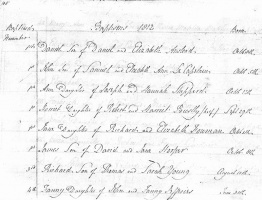 The artist's baptism listing
 -
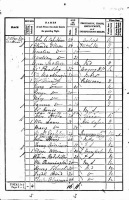 A London census listing
 -
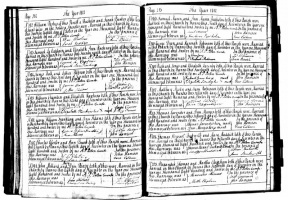 The marriage of the artist's parents
 -
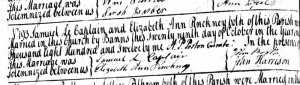 Enlarged marriage entry


Gallery


Royal Collection
A number of works by Le Capelain, including many recognised as among his best, are included in the Royal Collection, and are reproduced here. They were found online and the colour of the images were far from natural. It has since been discovered that several of the images have been published as postcards, with colour much closer to the originals, and we have replaced those. We are still attempting to find versions of the other pictures with better colours.
-
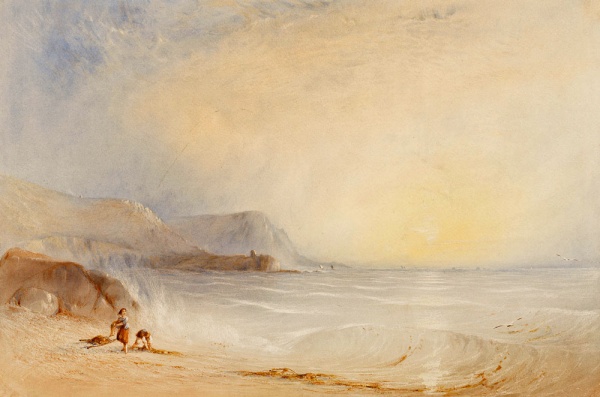 Bonne Nuit
 -
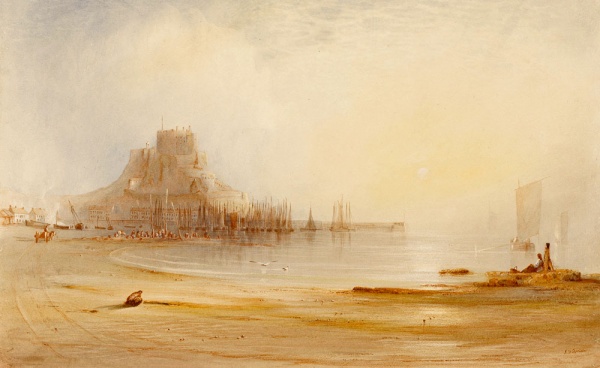 The oyster fleet in Gorey Harbour
 -
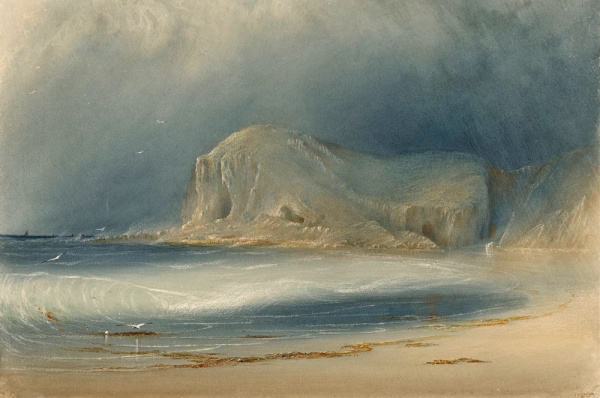 Plemont
 -
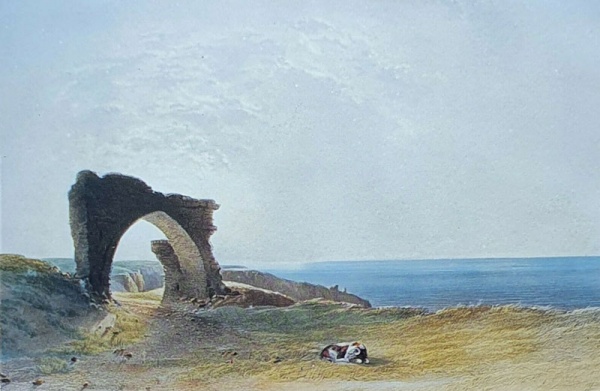 Grosnez
 -
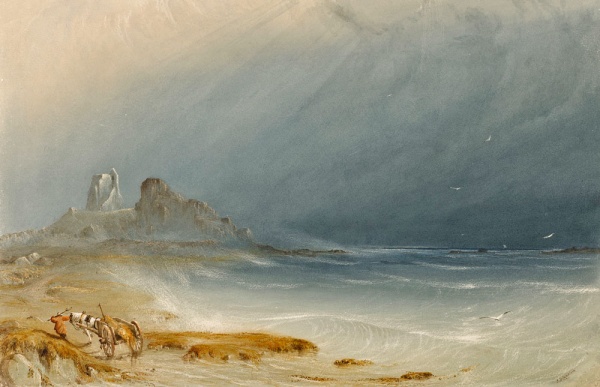 L'Hermitage in a storm
 -
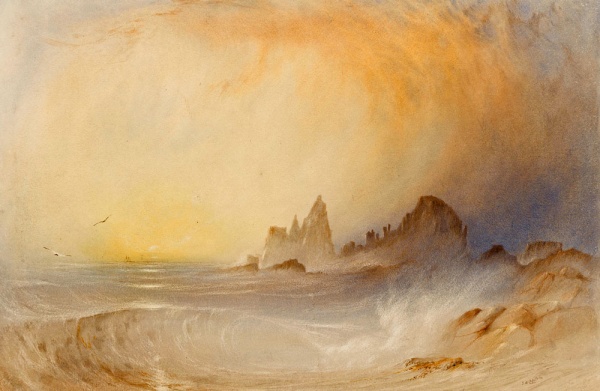 L'Hermitage
 -
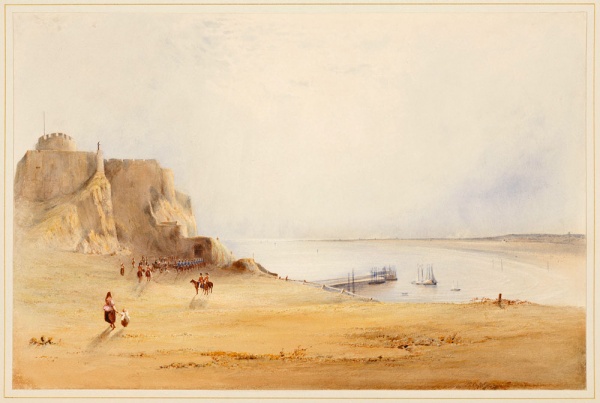
-
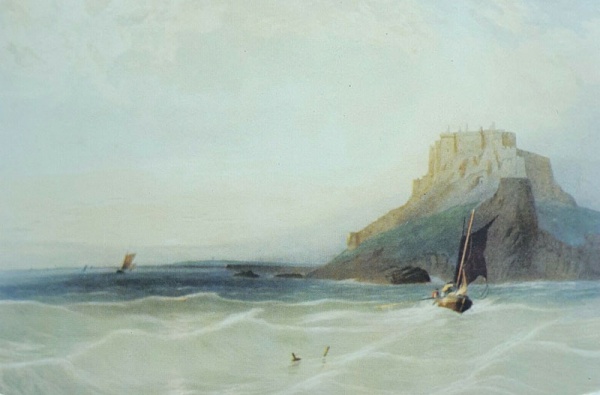 Mont Orgueil
 -
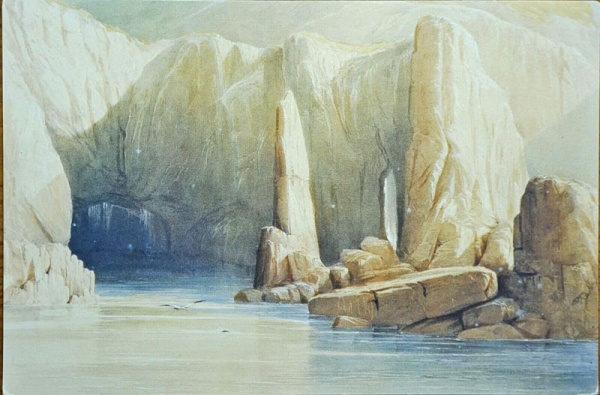 Needle Rock, Plemont
 -
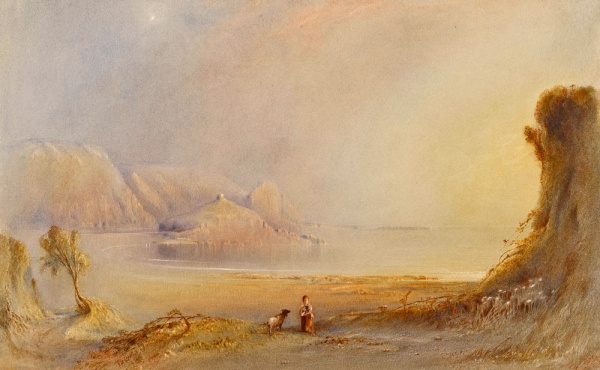 Portelet Bay
 -
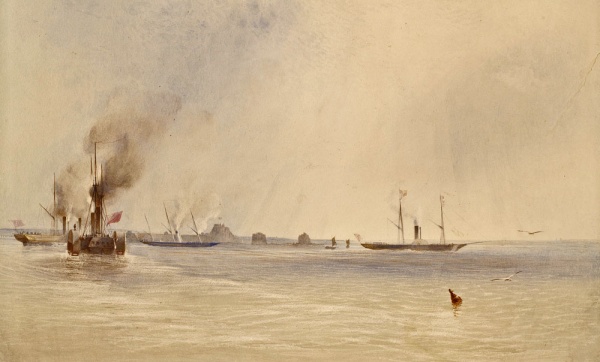 The Royal Fleet in St Aubin's Bay in 1846
 -
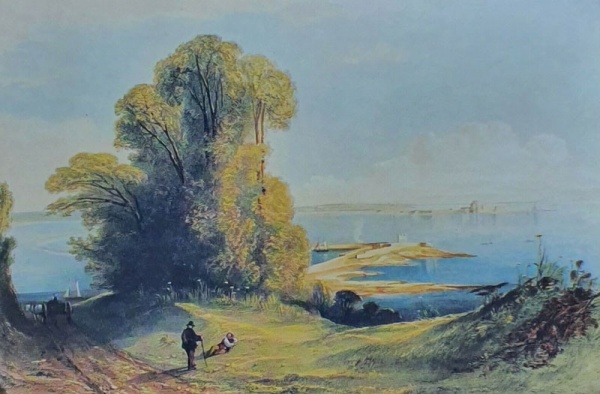 A lane above St Aubin
 -
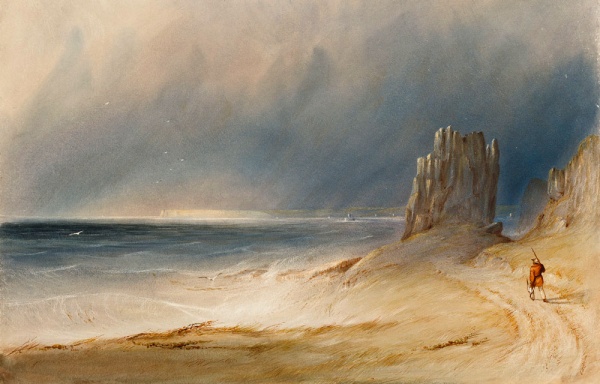 St Ouen's Bay
 -
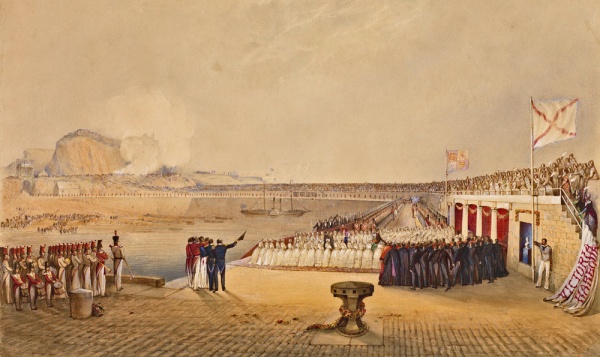 Victoria's arrival in 1846
 -
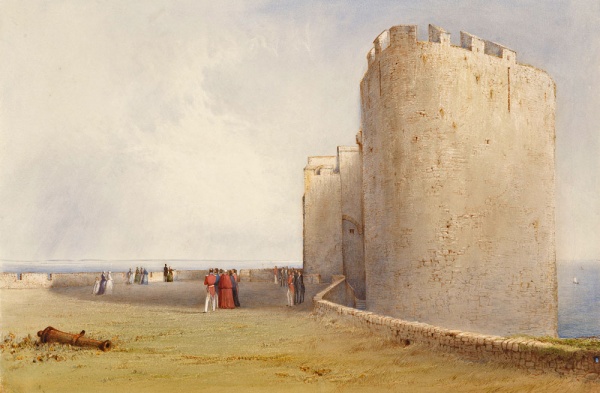 Victoria at Mont Orgueil
 -
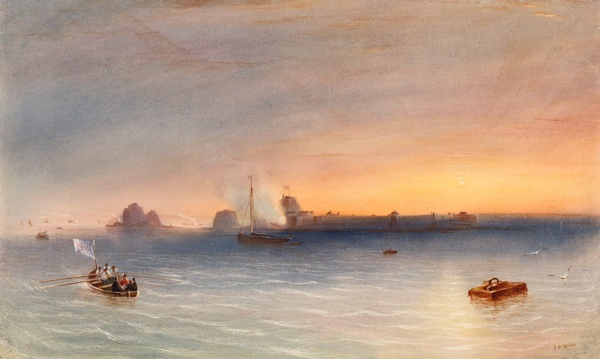 Elizabeth Castle
 -
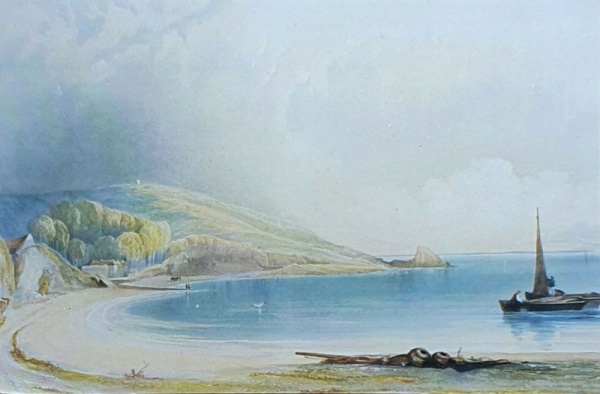 Anne Port
 -
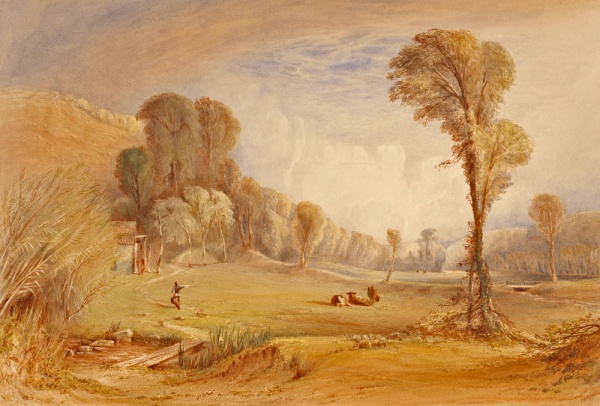 Queen's Valley
 -
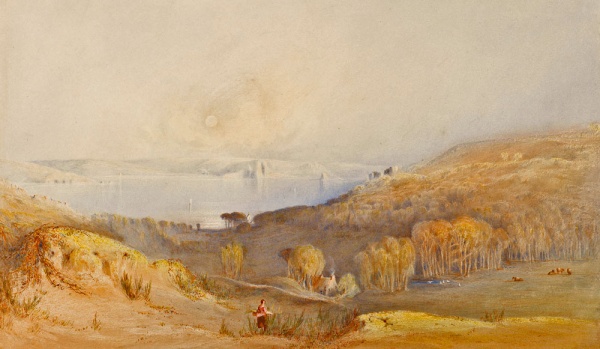 St Brelade's Bay
 -
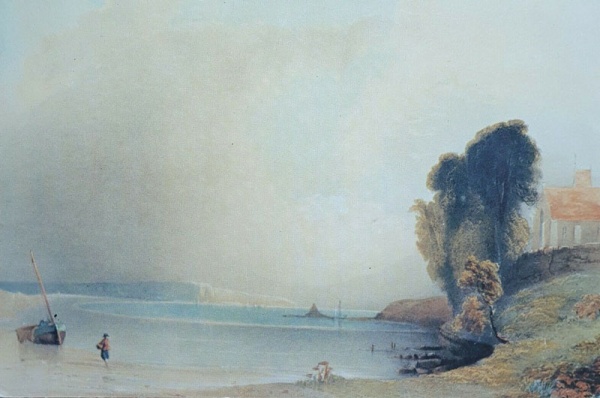 St Brelade's Church
 -
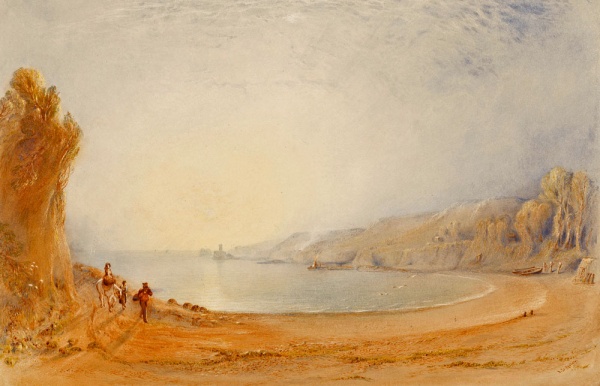 St Catherine's Bay
 -
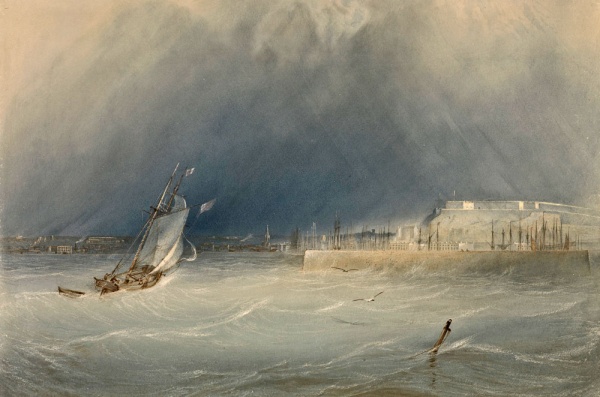 Approaching St Helier Harbour
 -
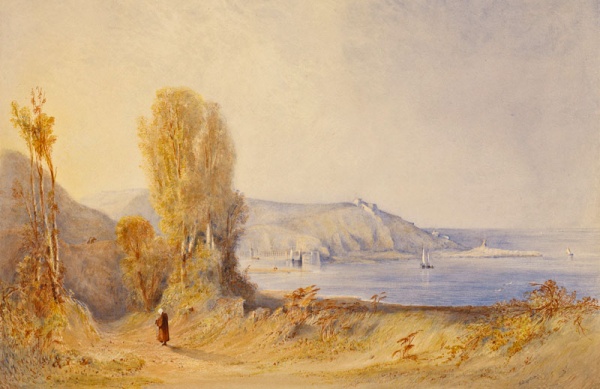 Rozel
Rozel -
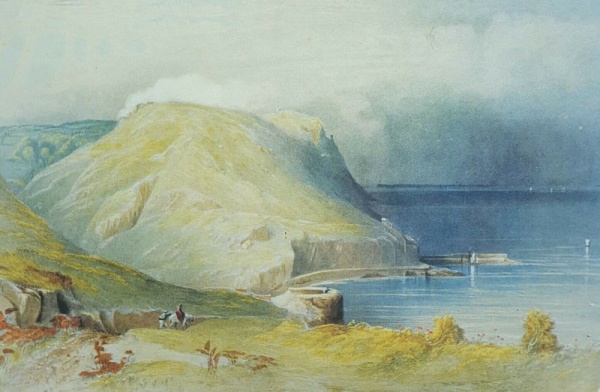 Bouley Bay
 -
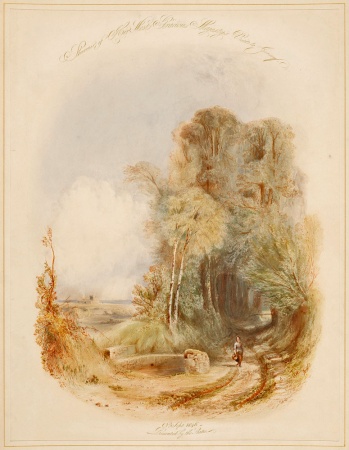 A Grouville lane, a gift from the States to Queen Victoria


Jersey Heritage study
Pictures from the Jersey Heritage collection which accompanied an analysis of the artist's work on their website
-
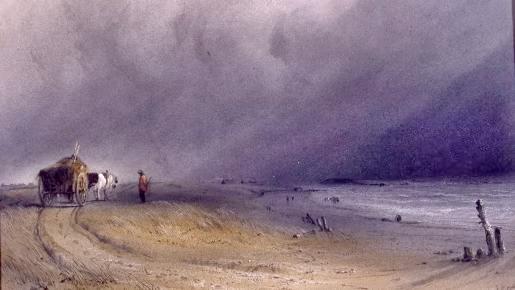
 Jean Le Capelain (1812-1848) was often compared to the artist J M W Turner, and was sometimes referred to as ‘the Jersey Turner’, reflecting their shared spirit of emotional connection with nature. Like Turner, Le Capelain did not make a direct copy of the landscape, but rather tried to convey how the landscape made him feel. Churning seas and ominous skies, storm clouds, breaking sunshine and the vigorous painting of waves, all created a landscape that was moving and changing, but could also be calm and still.
 -
![Jean Le Capelain is said by Jersey Heritage, and others, to have been born in Hill Street, St Helier in October 1812.[1] His father, Samuel, was a printmaker, and it may indeed have been Samuel who encouraged and helped his son develop as an artist. He received no formal art training, but at the age of 17 painted a watercolour which was then transformed into a lithograph and printed in Moss’s Views of the Channel Islands. He received some attention locally and enjoyed an influential circle of wealthy, middle-class friends. He exhibited in two London exhibitions, firstly in 1833 at the New Society of Painters in Watercolours in Bond Street, London and later in 1842 at the Royal Society of British Artists in Suffolk Street.](/w/images/c/c5/H25LeCapelain5.png) Jean Le Capelain is said by Jersey Heritage, and others, to have been born in Hill Street, St Helier in October 1812.[1] His father, Samuel, was a printmaker, and it may indeed have been Samuel who encouraged and helped his son develop as an artist. He received no formal art training, but at the age of 17 painted a watercolour which was then transformed into a lithograph and printed in Moss’s Views of the Channel Islands. He received some attention locally and enjoyed an influential circle of wealthy, middle-class friends. He exhibited in two London exhibitions, firstly in 1833 at the New Society of Painters in Watercolours in Bond Street, London and later in 1842 at the Royal Society of British Artists in Suffolk Street.
Jean Le Capelain is said by Jersey Heritage, and others, to have been born in Hill Street, St Helier in October 1812.[1] His father, Samuel, was a printmaker, and it may indeed have been Samuel who encouraged and helped his son develop as an artist. He received no formal art training, but at the age of 17 painted a watercolour which was then transformed into a lithograph and printed in Moss’s Views of the Channel Islands. He received some attention locally and enjoyed an influential circle of wealthy, middle-class friends. He exhibited in two London exhibitions, firstly in 1833 at the New Society of Painters in Watercolours in Bond Street, London and later in 1842 at the Royal Society of British Artists in Suffolk Street. -
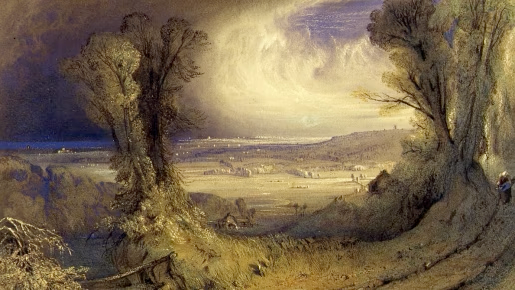
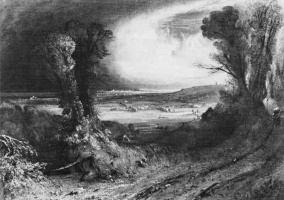
 The untameable force and beauty of nature are combined in this landscape. A stormy maelstrom of swirling cloud is broken by the curve of blue sky as the sun breaks through, lighting the edge of the clouds. The central landscape is framed by two clumps of trees and lit by the emerging sun. The swirling vortex of cloud above and sunlight breaking through windswept trees, create a feeling of a landscape battered by the elements.
 -
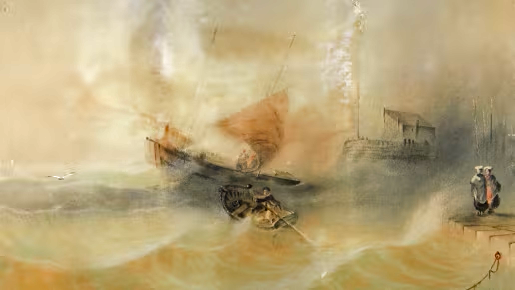 Despite the rough seas, two women standing on the harbour look relatively unaffected and seem safe on the harbour wall. In contrast, the ship at the harbour mouth, and the rowing boat tending it, pitch violently in the heavy swell.
 -
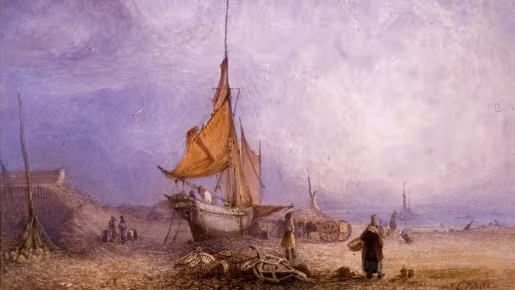 Oyster fishing off Gorey has a long tradition in Jersey. In the early nineteenth century, English fishing companies dredged the beds, bringing the oysters ashore to be sorted. This huge industry employed thousands of people and led to the building of fishermen’s cottages in Gorey Village and Gouray Church. Gorey Pier was built to shelter the fleet. The beds were rapidly depleted and oyster dredging died out by the 1860s.
 -
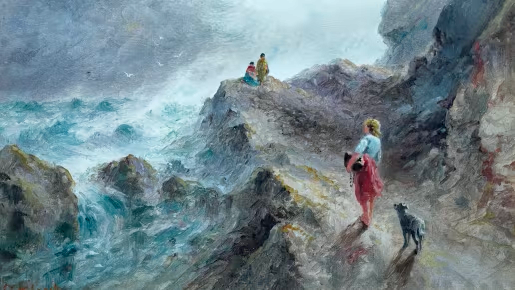 In need of a wider audience, and seeking more inspiration, Le Capelain travelled throughout France and Great Britain. In 1838 he was known to have been sketching in Southampton and Granville.
 -
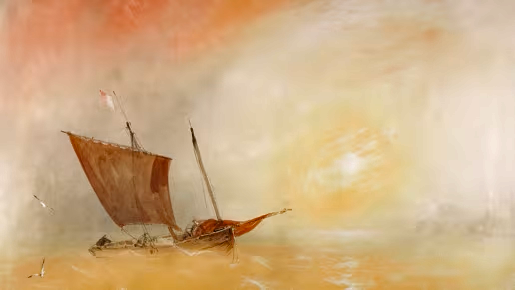 In 1841 and 1843 he painted in Scotland. Queen Victoria and Prince Albert visited Jersey in September 1846 and Le Capelain was commissioned to paint a series of 26 watercolours which were later presented to Her Majesty. The portfolio consisted of a frontispiece, six representations of the Royal visits and 19 watercolours of local scenes. They so impressed the Queen that she commissioned Le Capelain to paint a series of views of the Isle of Wight. Whilst there he caught tuberculosis and died at the young age of 36
 -
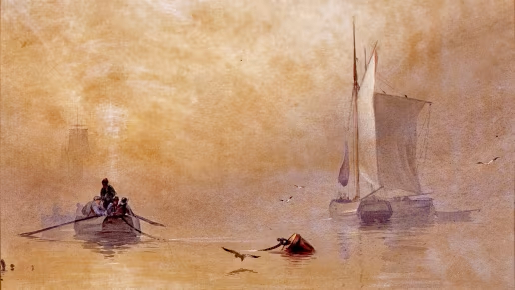 After his death it was decided to raise money to establish a National Gallery for the Island. A number of his paintings were purchased, which now hang in the Committee Room of the Town Hall in St Helier. Unfortunately, the economic depression of the time meant that insufficient funds were raised. Despite his short life, Le Capelain produced a large number of watercolours. He also painted in oil, but much less frequently. His sketches offer a glimpse of some of the places and people that caught Le Capelain’s attention on his travels. His watercolour landscapes and seascapes captured the spirit and feeling of the island with a delicate sensitivity.

![Jean Le Capelain is said by Jersey Heritage, and others, to have been born in Hill Street, St Helier in October 1812.[1] His father, Samuel, was a printmaker, and it may indeed have been Samuel who encouraged and helped his son develop as an artist. He received no formal art training, but at the age of 17 painted a watercolour which was then transformed into a lithograph and printed in Moss’s Views of the Channel Islands. He received some attention locally and enjoyed an influential circle of wealthy, middle-class friends. He exhibited in two London exhibitions, firstly in 1833 at the New Society of Painters in Watercolours in Bond Street, London and later in 1842 at the Royal Society of British Artists in Suffolk Street.](/wiki/File:H25LeCapelain5.png)


Miscellaneous works
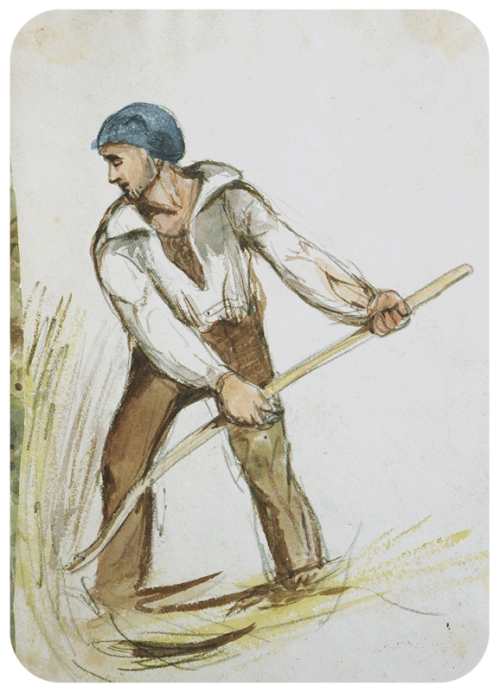 Hay making, from the collection of La Société Jersiaise

-
-
-
-
-
-
-
-
-
-
-
-
-
-
-
-
-
-
-
-
-
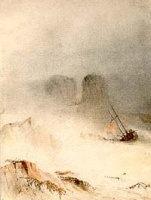 Shipwreck
 -
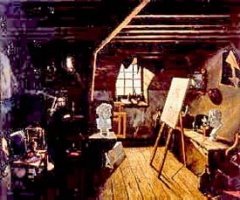 Le Capelain's studio in Hill Street
 -
-
-
-
-
-
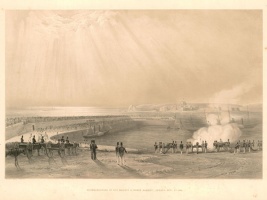 Queen Victoria's departure
 -
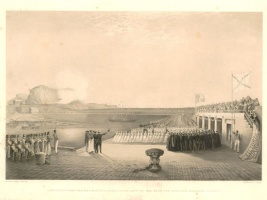 Queen Victoria's arrival
 -
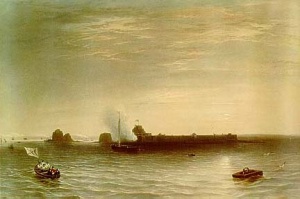 Queen Victoria approaches the harbour
 -
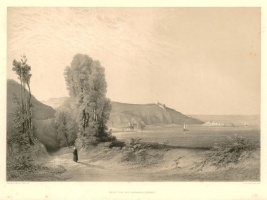 Rozel
Rozel -
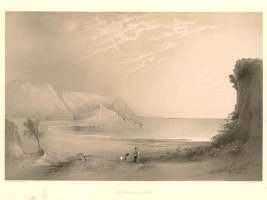 Portelet
 -
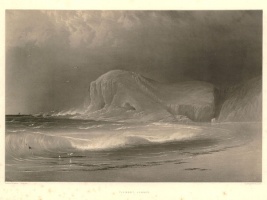 Plemont
 -
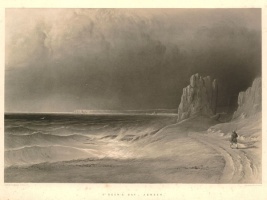 St Ouen's Bay
 -
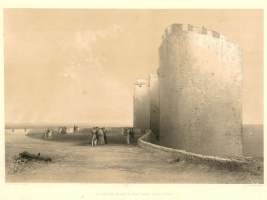 Mont Orgueil
 -
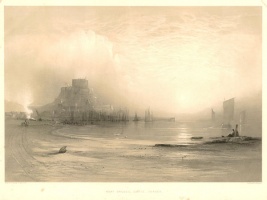 Mont Orgueil
 -
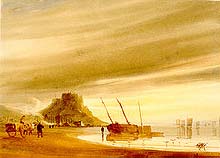 Mont Orgueil
 -
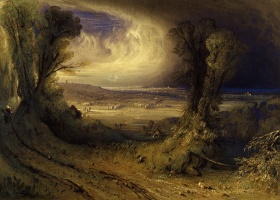 Les Marais
 -
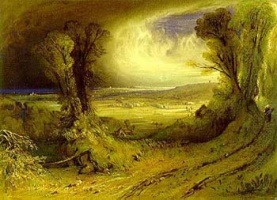 Les Marais
 -
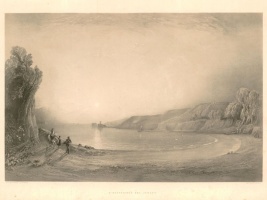 St Catherine
 -
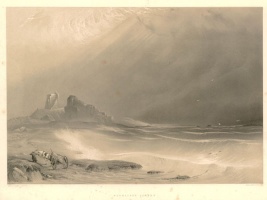 l'Hermitage
 -
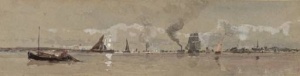 St Helier Harbour
 -
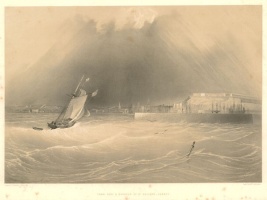 St Helier Harbour
 -
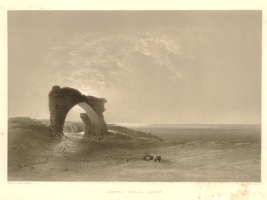 Grosnez Castle
 -
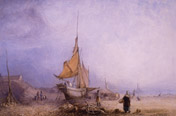 Oyster fishing boats at Gorey
 -
-
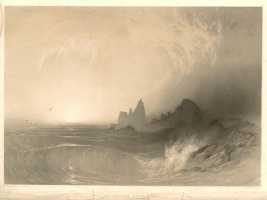 La Corbière
 -
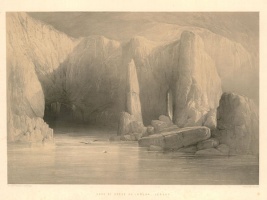 Cave at Grève aux Lançons
 -
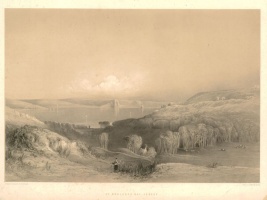 St Brelade's Bay
 -
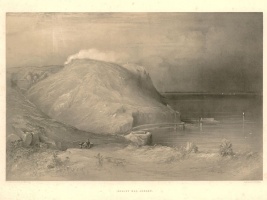 Bouley Bay
 -
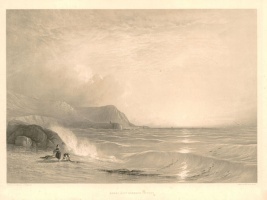 Bonne Nuit Bay
 -
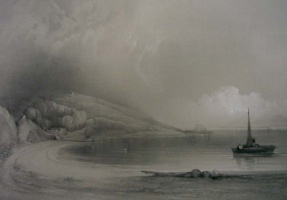 Anne Port
 -
-
-
-
-
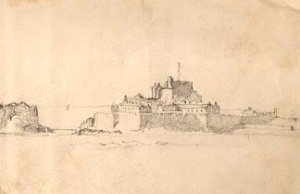 Elizabeth Castle
 -
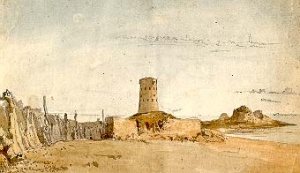 Pontac
 -
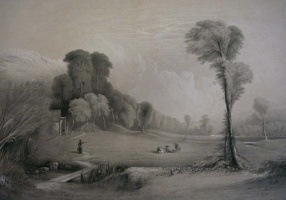 Queen's Valley
 -
-
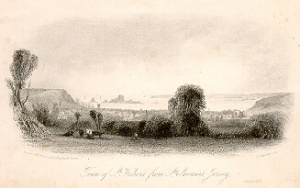 St Helier
 -
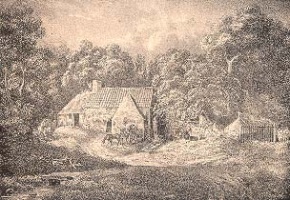 Trinity view
 -
-
-
-
-
-
-
-
-
-
-
-
-
-
-
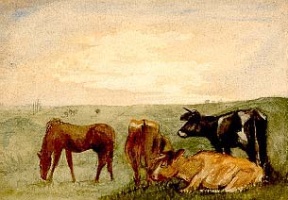
-
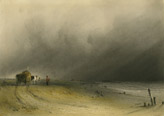 Collecting vraic
 -
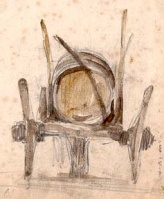
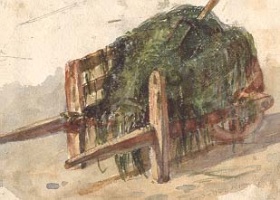 Vraic barrow
 -
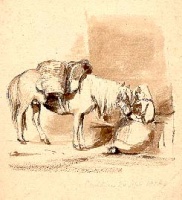
-
-
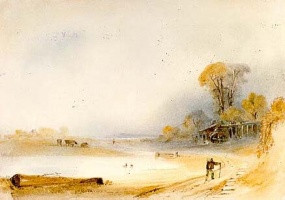 River
River -
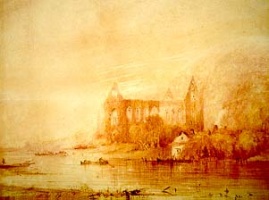 Tintern Abbey
 -
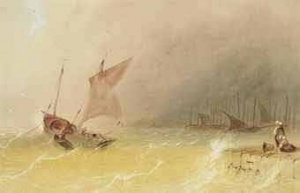 Returning with the catch
 -
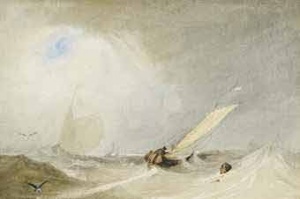 Fishing boats
 -
-
-
-
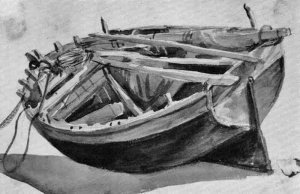
-
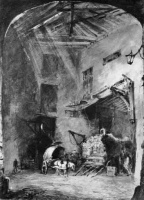
-
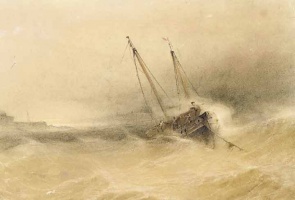
-
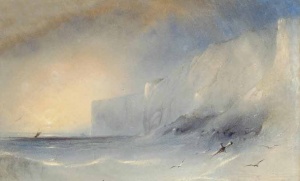 Sunrise off the Jersey coast
 -
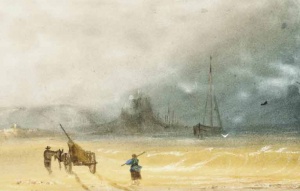 Vraic gathering
 -
-
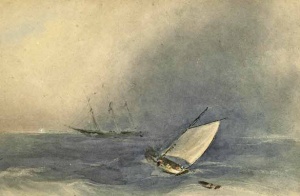 Merchantman and fishing boat
 -
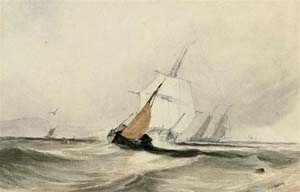
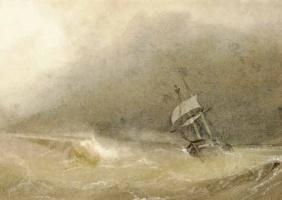 A brig in heavy seas
 -
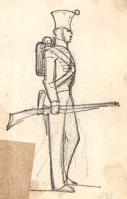
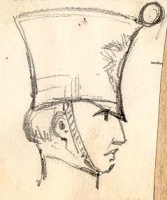 A sketch of a soldier
 -
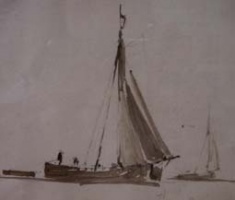
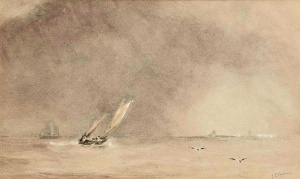 Ketch off Jersey coast
 -
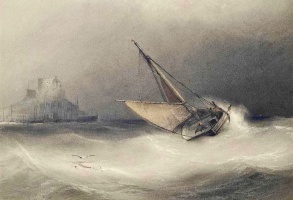 Fishing boat at Gorey


Notes and references
- ↑ It has long been widely assumed that Jean Le Capelain was born in Jersey, but that is not so. Births were not registered in 1812, but the absence of a baptism record led to suspicions that he was born elsewhere. Research by Jerripedia editor Mike Bisson established that he was baptised in London on 1 November 1812, three days after his parents were married there. (See certificates on this page). Although this does not conclusively prove that he was not born, as has long been suggested, in Jersey on 5 October, it seems highly unlikely that his parents, who are known to have been living in London some years earlier, would have taken a new-born child across the Channel to be baptised there after their marriage two days earlier