Royal Square
Royal Square

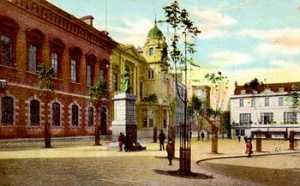
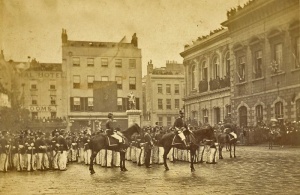
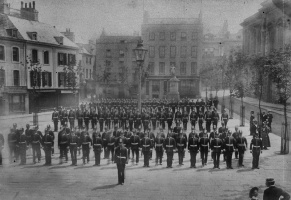
The Royal Square has been the centre of Jersey life for centuries. Indeed, there are no records of anywhere else having the same level of importance


Some claim that Saint Aubin was Jersey’s capital before the town of St Helier, but this is scarcely credible considering that St Aubin did not have a church until the 18th century, the Royal Court and the States have met in Saint Helier since the earliest times, and St Helier had a market centuries before St Aubin.
Shopping centre
St Helier has effectively always been the island’s main shopping centre, with the Royal Square market giving way to adjacent Broad Street in the early 19th century and then even closer King Street from then onwards.
But a very small proportion of Jersey’s country dwellers, who made up by far the bulk of the population until the 19th century, would have felt the need to go to St Helier, and even in the 20th century there were those who would proudly boast that “my gran has never been to town in her life”.

Court sittings
Those who did make the journey backwards and forwards were the seigneurs of the important fiefs in St Ouen, Trinity, St John, St Clement and the other parishes, who were invariably appointed or elected as the Jurats who made up the Royal Court with the Bailiff, Crown Officers and other important office holders, and ultimately held important positions in the States of Jersey when the island’s judicial and legislative roles began to divide.
They would attend the regular meetings of the Court in a building which, until the middle of the 17th century, resembled a barn – one storey thatched with straw. Bailiff Sir George Carteret had the structure pulled down in 1747 and a new Court building was opened a year later. This building lasted until 1764, when a new building was started. It took five years to build but was never popular, and was in turn replaced a century later by a building which underwent several modifications in the 30 years after its initial completion in 1866.
The States of Jersey did not get their own chamber until 1887, meeting until then in the Courthouse. It was not until 1934 that the States Building as it is known today, was extended past the public library on the other side of the Courthouse, to take up the entire southern side of the square and provide more office accommodation.

Other buildings
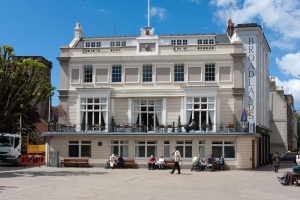
Other buildings around the square are privately owned. The former Corn Market, for some years a bank, now houses the island's Public Registry and a gentlemen's club on the first floor. At the eastern end of the square are two public houses and a house that served as headquarters of the Jersey Chamber of Commerce, the oldest chamber in Britain, and was once home to diarist Jean Chevalier.
Le Vier Marchi
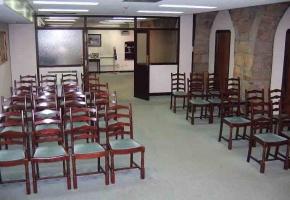
Later the library moved out to larger accommodation in Halkett Place, releasing its old accommodation to provide a much-needed reception area for visiting dignitaries.
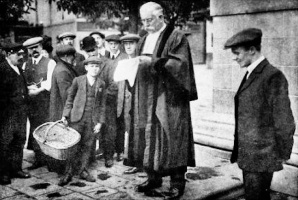
The square was known as Le Vier Marchi, the Old Market Place, until the market moved in 1806 to a purpose-built property in what became Halkett Place. Until the Reformation there was a Market Cross where public proclamations were made and new laws promulgated. It was surrounded on market day by stalls selling foodstuffs and hardware, and fish laid out on the flagstones. In later years some of the stalls were turned into permanent outlets.

Dramatic events
The square was the scene of some of the most dramatic events in the island's history. In 1643 shoppers at the market ran for cover as the square was bombarded by cannon fire from Elizabeth Castle as the Royalists who had taken shelter there after the island was taken by Parliamentary troops put on a defiant show of aggression.
The 17th century diarist Jean Chevalier wrote of this day:
- "Twenty cannon fired a volley at two in the afternoon, when the Market was at its height, and all the 12 parishes were gathered together with their relations and friends, innocent ladies who had never taken any part in politics and children too young to discern their right hand from their left. Cannon balls fell like thunderbolts all about the Market. Everyone lay flat on the ground or rushed to take refuge in a house, overthrowing the stalls of the haberdashers and cobblers, and scattering their wares. Those who had money in their hands dropped it, and much clothing was lost, for everyone knew that cannon balls are no respecters of persons".
Battle of Jersey
The most famous event of all that took take place in the square was The Battle of Jersey in 1781. Invading French troops led by Baron de Rullecourt were beaten and put to flight by the Island's Militia, led by Major Francis Peirson.

Justice
In early years the island's only prison was at Mont Orgueil Castle. Prisoners due to appear before the Royal Court were marched to town and held in a large iron cage at the east end of the marketplace. Sentences were often carried out in the square. Hangings often took place at Gallows Hill at West Mount, but executions were also carried out in the square, which also had a pillory and stocks.
A witch was strangled and burned in the square in 1648 and Chevalier recorded:"Such crowds came to watch her execution that the Town was full. No one had seen so many people since the Prince came to Jersey. A multitude of men and women, young lads and girls, swarmed on the walls of the churchyard and the slope of the Town Hill".
When a prison was built in St Helier the cage was no longer needed and eventually a statue was erected in 1751 in honour of the then monarch, George II, and the square was renamed Royal Square in his honour.
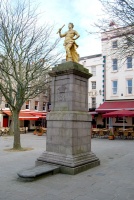
Statue of George II
The year 1751 saw a change in the Market Place. On 9 July the statue of George II was unveiled. It stands in all probability on the very spot where once stood the Market Cross, which was the place where all public proclamations were made and where the Laws of the States and Ordinances of the Court were promulgated. The Market Place was paved with stones in 1668. It is possible the Market Cross may have been pulled down at this date while the work was being done.
Building sequence
There has been a Court House on the site from as early as 1329.
The States Chamber was first opened to the public in 1887 and features fine Plaster of Paris carvings and mouldings. The Royal Court is dominated by two majestic Tudor chairs and a number of distinguished portraits of past Bailiffs. It was built in three stages in 1866, 1879, 1885/6. Extensively renovated in 2003.
Some of the land at the eastern end of the site, now the States Chamber, was acquired at various dates from 1843 to 1859. At the western end of the site former houses, shops (H Hutching`s) and hotels. Hotel de l'Union and Hotel du Calvados, which burnt down, were acquired in 1881 and 1897.


Acquisitions
- 28 October 1843 the Public acquired a former house, directly to the east of the Royal Court, from Francois Godfray.
- 24 July 1846 the Public acquired a former house, to the east of the Royal Court, from Pierre Le Brun.
- 28 November 1846 the Public acquired a former house, to the east of the Royal Court, from Nathaneal Westaway.
- 29 April 1859 a former house to the east of the Royal Court was acquired from Jane De La Taste, daughter of Edouard De La Taste.
- 7 May 1859 two former houses to the east of Miss De La Taste's were acquired from Jeanne and Henriette Martin. This land is now part of Halkett Place (formerly Morier Lane).
- 23 April 1881 the Public acquired the former Union Hotel, to the east of the Royal Court, from James Swain Gurney.
- 10 September 1881 the Public acquired a former house to the west of the Royal Court from Francois Jean Le Maistre.
- 19 September 1881 the Public acquired a former house to the west of the Royal Court from Philip Jean Ouless.
- 19 September 1881 the Public acquired a former house to the west of the Royal Court from Walter Bertram Godfray.
- 24 April 1897 the Public acquired, to the West of the Royal Court, the following three properties -
- 4 Royal Square from a Philippe Le Neveu
- 5 Royal Square from a Philip John Brée
- Grand Hotel du Calvados from Charles De Gruchy.
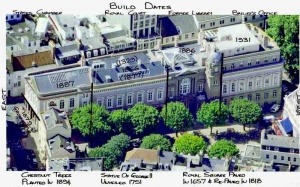
The central section containing the Royal Court was completed in 1866, to designs by Thomas Gallichan, the States Architect, and was remodelled by Philip Le Sueur and Philip Brée in 1877.
The ground floor of the eastern section, of stone, was added in 1879 to accommodate the Public Registry and Judicial Greffe. It was decided in the same year that the States should be provided with an Assembly Room on top, and this was ultimately built, as part of the same contract as the Library to designs by Messrs Ancell and Orange, and was completed in 1887. The western section originally housed the States Greffe and Library and was completed in 1886. The corners of the whole mass are rounded at each end, the western facade facing the Town Church, of 1931 design by Roy Blampied and Arthur Grayson.
The property has been added to and renovated several times, although many original features have been kept. The States decided to build offices to the West of the former Public Library on 8 April 1930. These were built by Charles Le Quesne Ltd.
- Controversy over tree planting in the Royal Square
- A guided walk around the Royal Square area
- The commercial life of the Royal Square

Individual property histories
| No 1 | No 2 | No 4 | No 5 | No 6 | No 7 | No 8 | No 9 | No 10 |
| No 11 | No 12 | No 13 | No 14 | No 15 | No 16 | No 17 | No 18 | No 19 |
Picture gallery


-
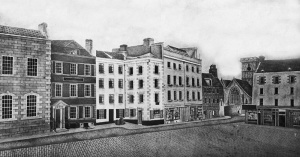
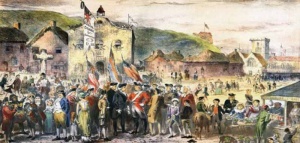 The old market square in 1733
 -
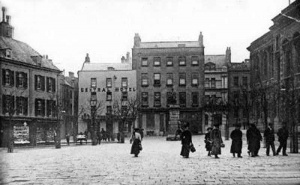 A group of ladies cross the square
 -
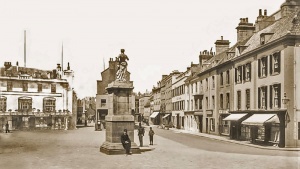 A Victorian lantern slide
 -
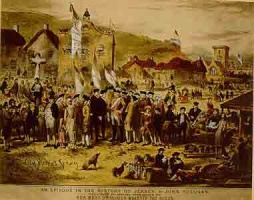 The old market, or Vier Marchi
 -
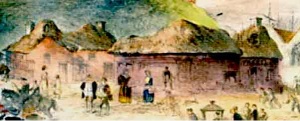 Thatched cottages in the 18th century
 -
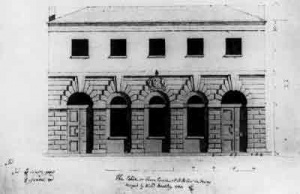 A 1775 design for the Royal Court which was not adopted
 -
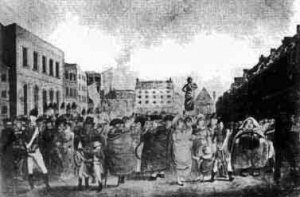 A 1798 cartoon by Mathias Finucane of local dignitaries in the square
 -
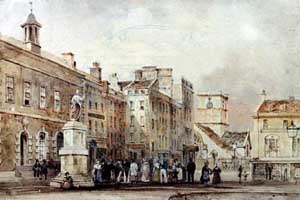 The Royal Square in the early-19th Century, with the Courthouse on the left, the statue of George II, the Corn Market on the right, and the Town Church in the background. The buildings in the centre adjoining the Courthouse had yet to be demolished to make way for the library building
 -
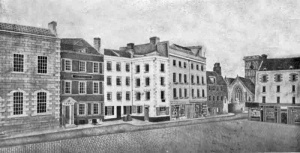 The south-west corner in about 1822
 -
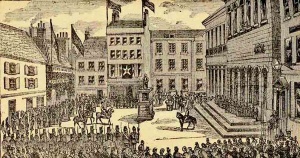 1825
1825 -
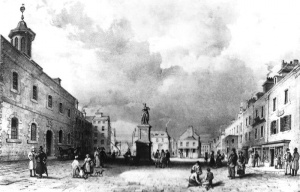 A 19th century lithograph
 -
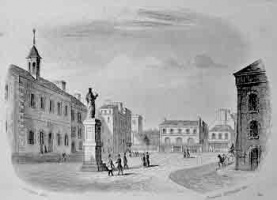 1850 by P J Ouless
 -
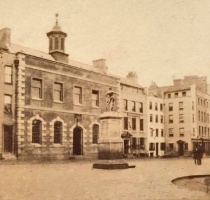 A photograph taken in the 1860s by Thomas C Cutch, of Southampton
 -
Previously dated as 1860s, but now known to be at least as early as 1853, when a print was made from this work
-
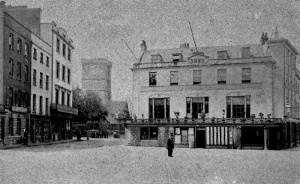 A post-1859 picture by Philip Godfray showing the Corn Market building, which was rebuilt in 1823
 -
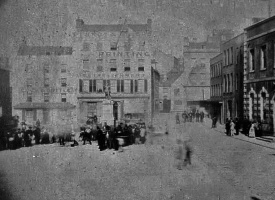 This poor-quality image was taken in 1861 when a small crowd gathered outside the States Building to celebrate the overturning of a UK Government decision that Jersey should be represented in Parliament
 -
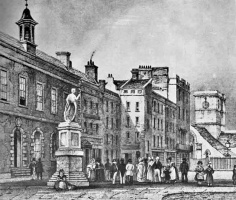 Detail from the Shepherd painting of the 19th century square
 -
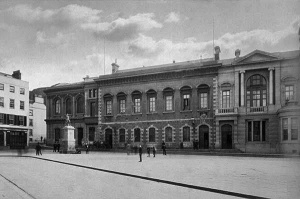
-
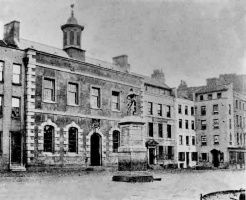 1870
1870 -
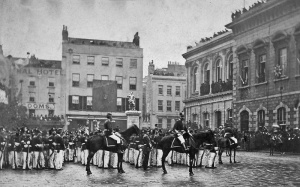
-
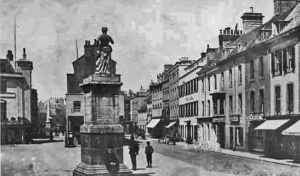 1872
1872 -
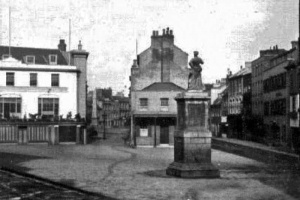 1870s picture by Ernest Baudoux
 -
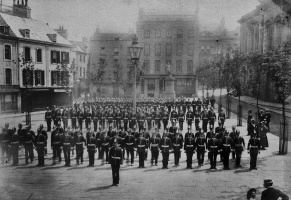


-
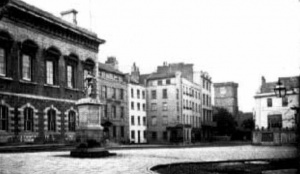 1876 picture by Ernest Baudoux
 -
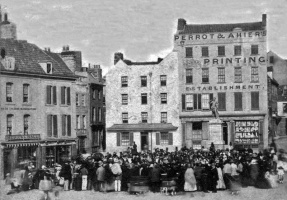
-
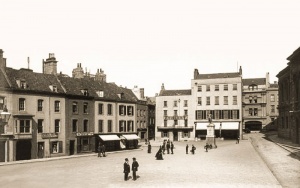 1880s photograph by Philip Godfray
 -
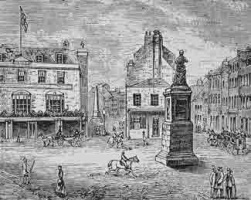 1882 from a Ward Lock guide
 -
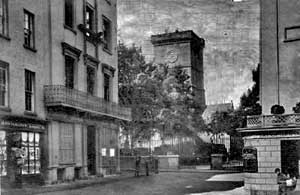 1886
1886 -
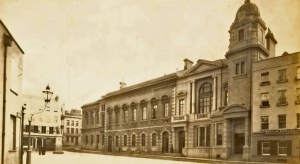 1886
1886 -
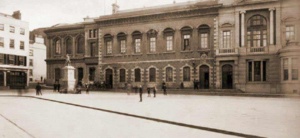 Before the trees were planted
 -
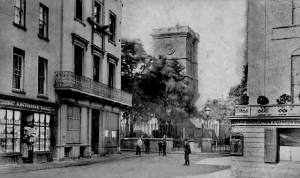 1887
1887 -
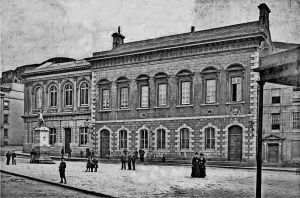 1888 - note that the Royal Court House, extended in 1877, now has seven bays, including two entrances
 -
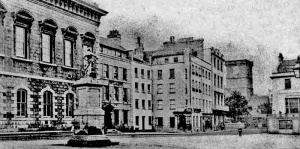 1888
1888 -
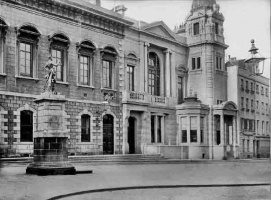 The new library opened in 1886
 -
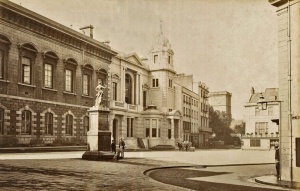 New Library finished


-
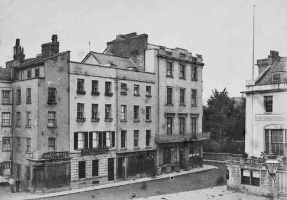 1880 before the Grand Hotel du Calvados fire in 1885
 -
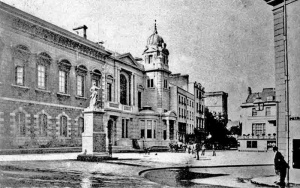 1886
1886 -
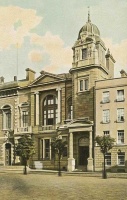 The Public Library
 -
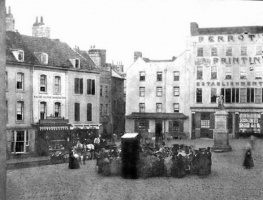 A Punch and Judy show in the square
 -
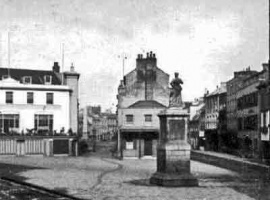 The square and Vine Street
 -
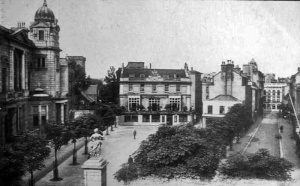 The square and Vine Street
 -
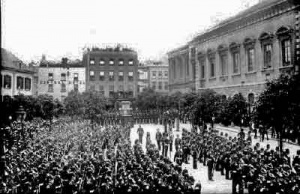 A parade in the square. Note that the statue of George II is not on its plinth, having been removed for regilding
 -
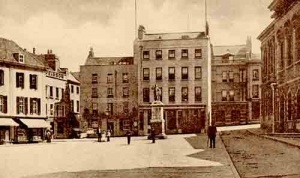 Prior to the chestnut trees being planted in 1894
 -
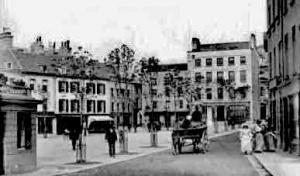 1894
1894 -
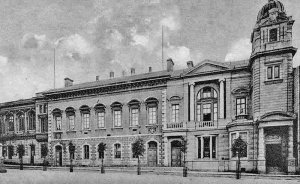 1894
1894 -
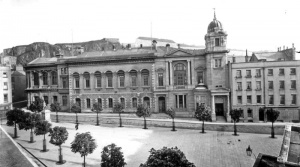 1895
1895 -
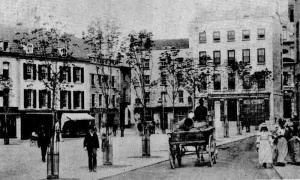 A potato van makes its way back home through the Royal Square in 1894 in the days before traffic was banned
 -
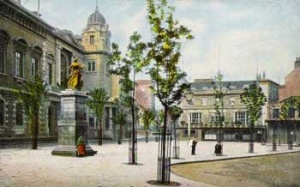 1894
1894 -
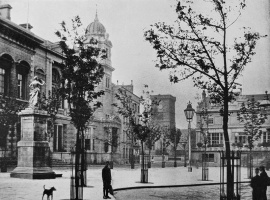
-
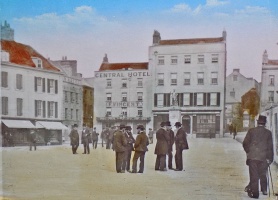 A tinted Victorian slide
 -
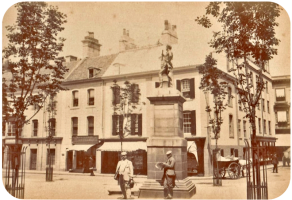


-
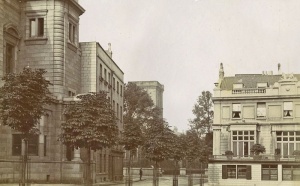
-
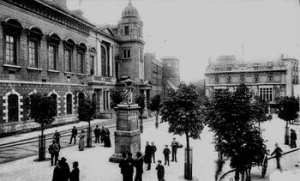 1895
1895 -
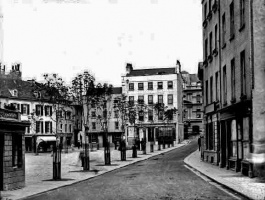 1895
1895 -
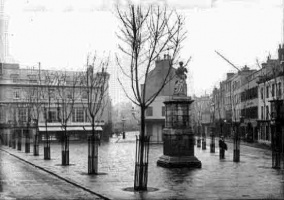 1896
1896 -
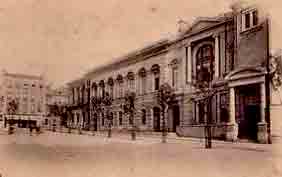 This picture has been dated 1896 and 1901. We think the former, two years after the trees were planted, is more likely
 -
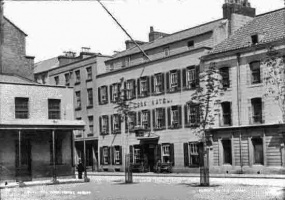 1897
1897 -
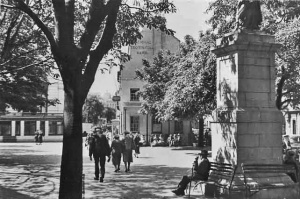
-
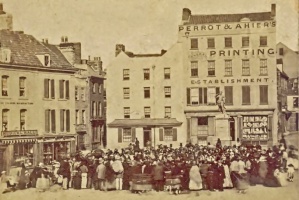 We do not know the reason for this gathering in the square
 -
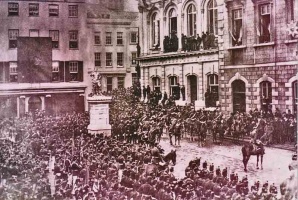 1881 Centenary celebrations of the Battle of Jersey
 -
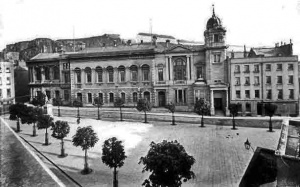 1900
1900 -
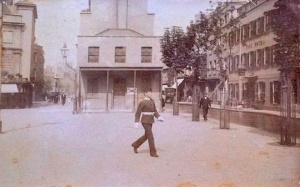 1900 - a soldier crosses in front of the Piquet House
 -
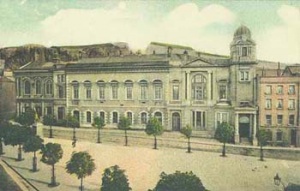 The States Building in 1900 before the house on the right of the library door was demolished to make way for States offices
 -
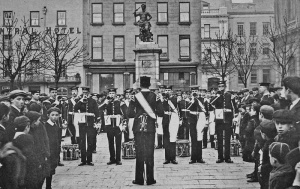 A militia band in the square in about 1900
 -
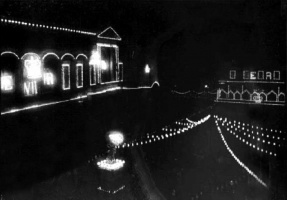 Lit up in 1902 for the Coronation of King Edward VII
 -
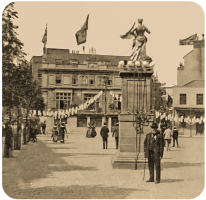 1901 coronation
 -
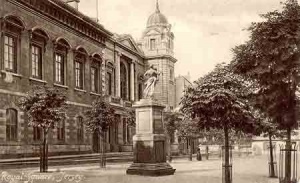 1903
1903 -
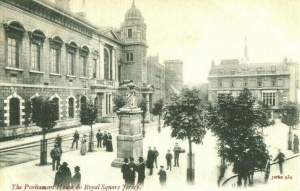 1903
1903 -
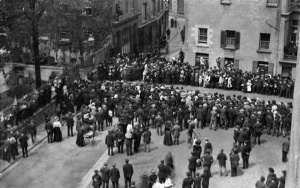
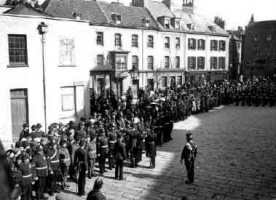 A crowd watches a military parade in 1903
 -
-
 1905
1905


-
 1905
1905 -
 1906
1906 -
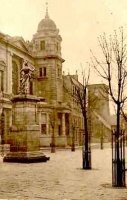
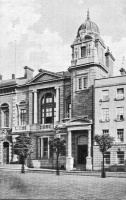 The entrance to the Public Library in 1906
 -
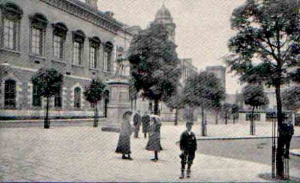 1900s
1900s -
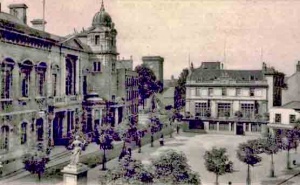 1910
1910 -
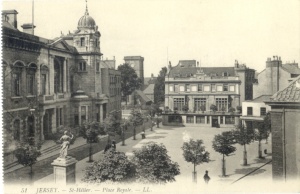
-
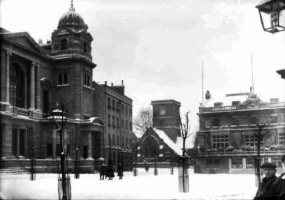 Snow carpets the square in 1910
 -
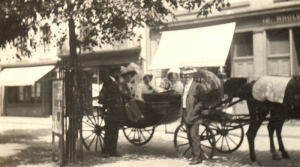 A carriage parked in the square in 1910
 -
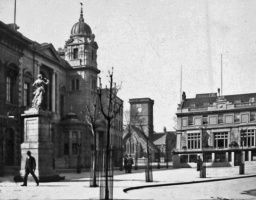 1910 photograph from amateur photographer G W McDougal's album held by Jersey Heritage
 -
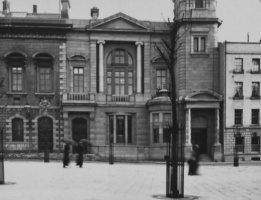 Another photograph from the McDougal album
 -
 1912
1912 -
-
-
 New laws being promulgated by the Sheriff on market day
 -
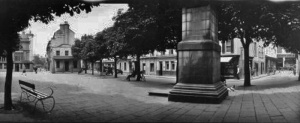 A panoramic view of the square
 -
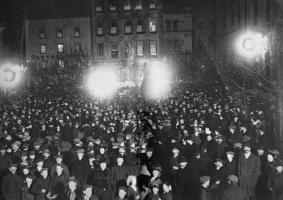 New Year celebration in the square in 1912
 -
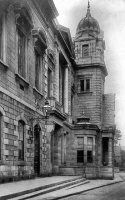 Royal Court and library1920s
 -
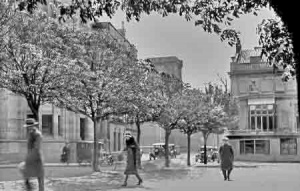 A 1930s picture
 -
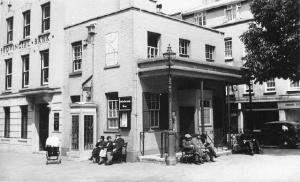 Picket House 1939
 -


.png)

-
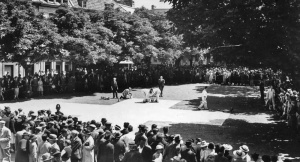 Painting the white cross of surrender on the eve of the German Occupation
 -
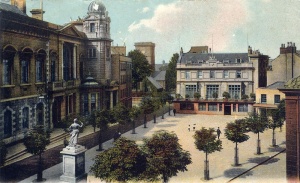 A tinted copy of an LL postcard
 -
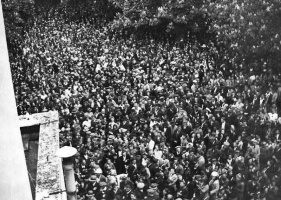 1945
1945 -
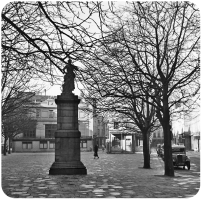 1946
1946 -
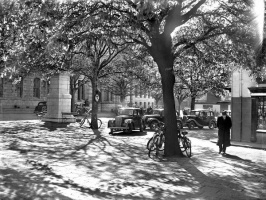 1948
1948 -
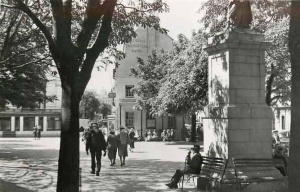 1930s
1930s -
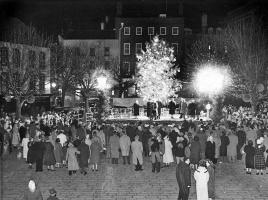 Christmas 1957
 -
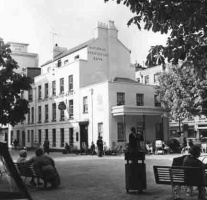 Picket House 1969
 -
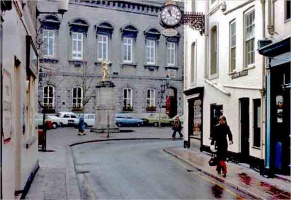 1976 view through Peirson Place to the Square
 -
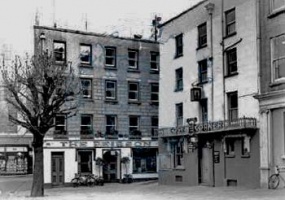 A picture by Richard Whinnerah
 -
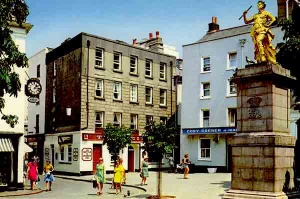 The Peirson and The Cosy Corner in the 1970s
 -
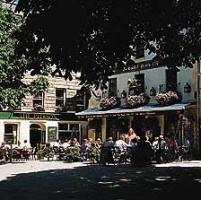 1990s
1990s -
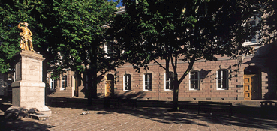 1990s
1990s -
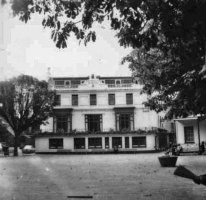 The site of the old corn market
 -
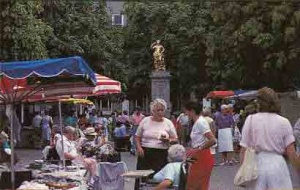 A recent re-enactment of the Vier Marchi
 -
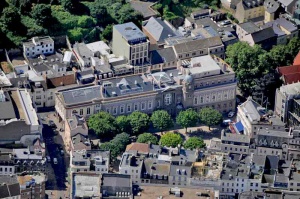 A recent aerial view of the Square
 -
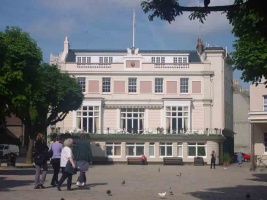 Public Registry
 -
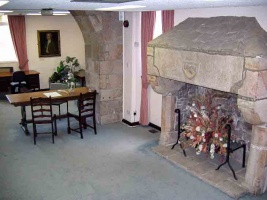 Registry Office interior
 -
 Registry Office interior
 -
 Royal Arms
 -
 The States Building showing dates of construction
 -
-
-
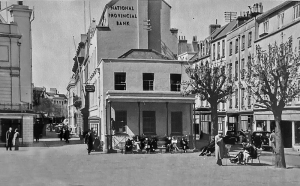
-
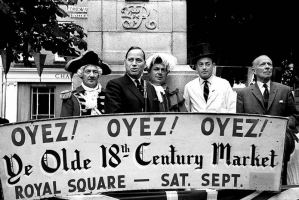 Bailiff Sir Robert Le Masurier declares the 1962 Vier Marchi open - Picture Jersey Evening Post
 -
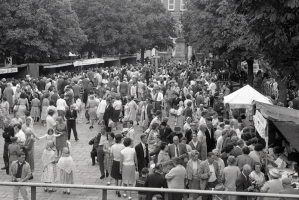 Vier Marchi 1962 - Picture Jersey Evening Post
 -
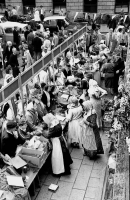 Vier Marchi 1962 - Picture Jersey Evening Post
 -
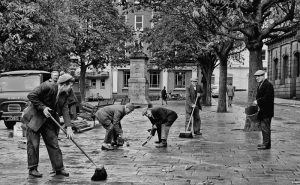 In 1962 white lines were painted on the square to mark parking spaces for States Members. There was such a strong public backlash that the decision was rescinded and the lines removed


-
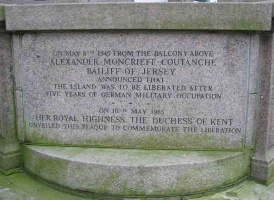 Stone commemorating the Liberation
 -
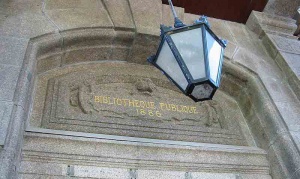 Library datestone
 -
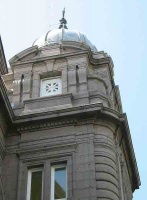 Library turret
 -
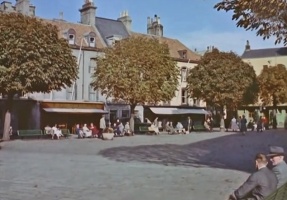 1958
1958 -
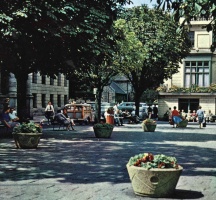 From a 1961 tourism brochure
 -
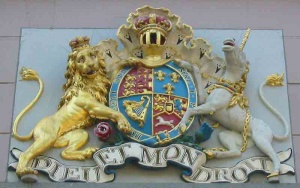 Hanoverian arms
 -
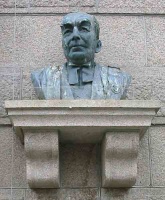 Bust of Lord Coutanche
 -
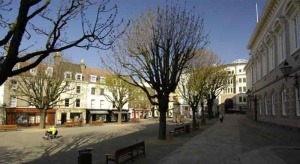 2005
2005 -
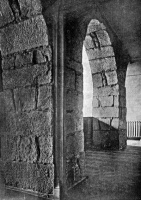 The pillars of the Corn Market
 -
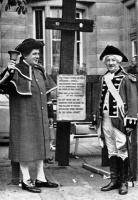 A town crier in the square during a Vier Marchi
 -
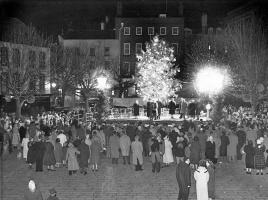 Christmas 1957
 -
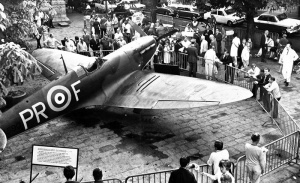 A Spitfire in the square for Royal Air Force Association fund-raising
 -
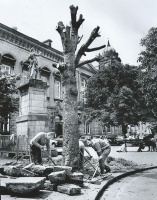 Removing a dead tree in 1978
 -
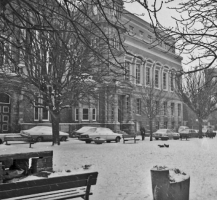 Snow in 1979 - Jersey Evening Post photograph
 -
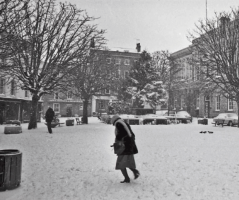 1979 - Jersey Evening Post photograph
 -
-
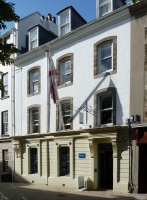 No 13
No 13 -
-
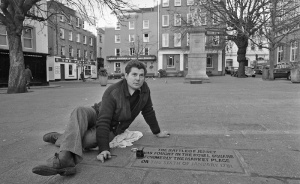 Repainting the Battle of Jersey memorial for the bicentenary in 1981
 -
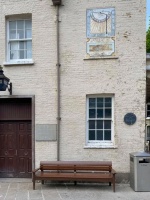 Piquet House
 -
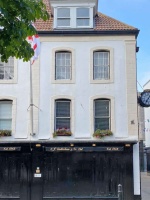 Gallichan, Jersey's oldest jeweller
 -
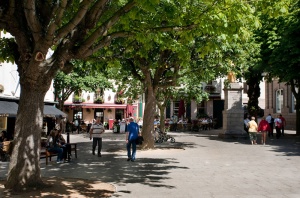
-
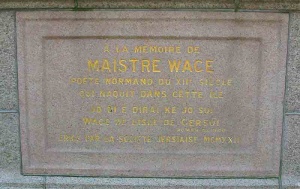 Memorial to Wace


Businesses
<gallery widths="300px" heights="200px" perrow="4" align=center style= "color: darkgreen;font-family:garamond;font-size:12pt;font-weight: normal;text-align:center;font-style: italic;letter-spacing: 1px; cellspacing= 30px;padding: 20px 20px 30px 20px;"> File:Sc18Ad1837PaynLibrary.jpg|An 1837 advert for Philip Payn's Library in the Royal Square File:Sc18Ad1840BowdenWines.jpg|Mr Bowden was a wine merchant in the Royal Square in 1840 File:Sc18Ad1840LeBer.jpg|John Le Ber, 1840, at 19 Royal Square File:Sc18Ad1840LondonBoot&Shoes.jpg|P Knight, boot and shoe shop, at No 9 in 1840 File:Sc18Ad1850Manuel.jpg|1850 File:Sc18Ad1850RoyalSquarePhotography.jpg|1850 File:Al15FredBrooks.jpg|Fred Brooks dealt in paper and manufactured accounts books File:Al15AdPerrotPrinter.jpg|Printer G F Perrot File:E16LeMasurierInsurance.jpg|Le Masurier insurance File:AlAdNorwichUnion.jpg|Norwich Union insurance File:E16Chronique1895.jpg|Advert for the Chronique's printing business in 1895 File:JC16AdNorwichUnionRenouf1905.jpg|1905 File:JC16AdMullinsPortraits1852.jpg|One of Jersey's first portrait photographers, Henry Mullins, was in business in the Royal Square in 1852 File:JC16AdLeBer1852.jpg|1852 File:GM21Advert1853-35.jpg|1853 File:JC16AdColourPortraits1852.jpg| File:B16AdYorkHotel1922.jpg|1922 File:W16AdGallichan1936.jpg|1936 File:W17AdFennerGodfray1857.jpg|1857 File:W17AlAd1940LeMasurier.jpg|P Le Masurier Ltd, Royal Square, 1940 File:Sc18Ad1837DaviesLibrary.jpg|Davies' New Musical Circulating Library in business in the Royal Square in 1837 File:Sc18AdEP1935LeMasurier.jpg|1935 File:GM1881Advert147.jpg|1881 advert File:GM1881Advert87.jpg|1881 advert File:GM1881Advert70.jpg|The square had its own resident hairdresser in 1881 File:GM21Ad1863UnionHotel.jpg|1863 advert File:GM21Ad1873BritishPressAlmanac82.jpg|1873 File:GM21Ad1887Almanach92.jpg|1887 advert from L'Almanach de la Gazette de Jersey File:GM21Ad1889NouvelleChronique6.jpg|1889 Nouvelle Chronique advert File:GM21Ad1898JerseyIllustrated12.jpg|1898 File:GM21Ad1855Masters.jpg|1855 File:GM22Ad1868FrenchGuide8.jpg|1868 advert from French language guidebook ... File:GM22Ad1868FrenchGuide7.jpg|... and another File:S24JerseyPunch1873TobacconistRoyalSquare.png|Although we have found no official records of No 3, this tobacconist's advert in Jersey Punch in 1873 confirms its existence then File:S24Chronique1824OulessAuctioneer.png|Philippe Jean's Ouless was an auctioneer based in the Royal Square File:S24Chronique1850NavigationWarehouse.png|Perrot and Huelin's navigatio warehouse was in the Royal Square in 1850 File:S24Chronique1840GrandDiorama.png|A grand diorama of 12 images was held in the Salon Royal, as advertised in Chronique de Jersey in 1840 File:S24Chronique1840CafeDeL'Harmonie.png|There are suggestions that the numbering of properties in the square was altered in the 19th century, but we are at a loss to understand how a property opposite the Royal Court could have had No 24. Was the Cafe de l'Harmonie actually at No 14? File:S24Chronique1860CafeDeFrance.png|The Cafe de France was at 8 Vine Street in 1860, but presumably the Royal Square listing sounded better File:S24Times1933CirculatingLibrary.png|The Jersey Circulating Library was a 3 Royal Square in 1833 File:S24Times1832PaperWarehouse.png|The British Paper Warehouse specialised in stationery (wrongly spelt) at 3 Royal Square, in 1832 File:S24Times1832GeneralAgency.png|The general agency office for houses and lodgings moved from 23 to 21 Royal Square in 1832 File:S24LoyalistBuns1826.png|J Bolton advertised 'cross buns' at his Royal Square premises on Good Friday 1826 File:S24LoyalistPastryCook1826.png|J Bolton, pastry cook and confectioner, advertised a wide range of goods at his Royal Square shop in The Loyalist in 1826 File:S24Loyalist1829MourantRoyalSquare.png|Stationer M Mourant was in business in the Royal Square in 1829