Havre des Pas
On the coast
|
 Havre des Pas
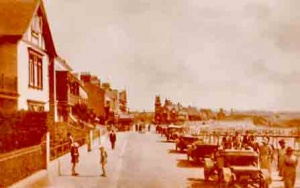
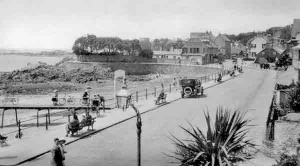
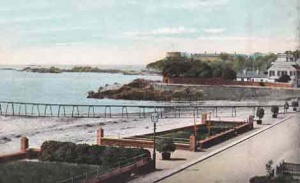
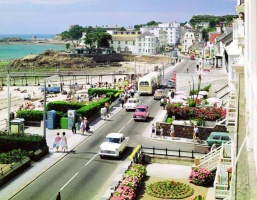
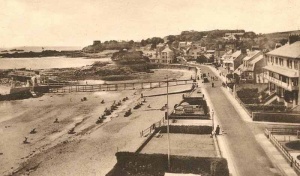
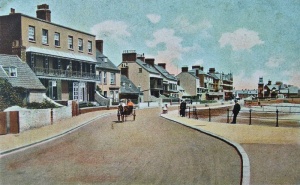
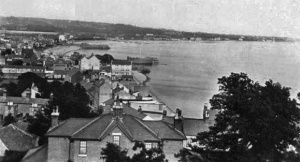
 Havre des Pas in 1921 When the town of St Helier began to spread outwards in the second half of the 18th century, a natural choice for new housing was along the parish's southern coast at Havre des Pas, separated from the town centre then by sand dunes and open fields  to view the location in Google Street View
|

Derivation of name
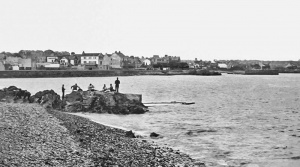
The area had long been a natural harbour for small vessels, giving the first part of its name. Des Pas refers to marks on a rock further inland which appear like footprints and were declared to be made by the Virgin Mary when a chapel was built over them in the 12th Century. Or that's the usual explanation, but in an article for the 1968 Annual Bulletin of La Société Jersiaise, Philip Ahier has a different explanation.
He wrote that the area was named after the Chapelle des Pas, a medieval chapel, the full name of which was Notre dame de Pace - Our Lady of the Peace, and that 'pas' was a contraction of 'pace'. However, this seems to be a strange mixture of French and Latin, and the common French title for churches named after the Blessed Virgin Mary is Notre Dame de la Paix. It is still, of course, possible that 'pas' was derived from this name. The chapel was demolished in 1814.
Earliest mention
The first documentary reference to Havre des Pas in in an Act of the States of 14 May 1585, when it became the responsibility of Servais le Vavasseur de Bois, who was a collector of import duties on wines and spirits.
In November 1643 the Parliamentarian Governor left the island in a hurry from Havre des Pas after Sir George Carteret landed at the other end of the island to reclaim it for the Crown. He is said to have left with his wife, father-in-law and mother-in-law leaving their supper untouched on the table. Three years later Royalist Sir Henry Killigrew died of a fever in St Malo having been wounded in the head in the defence of Pendennis Castle in Cornwall. He had expressed a desire to be buried in Jersey and his embalmed body was transported to arrive at Havre des Pas.
In Col Legge's Accompt of Jersey, 1679 there is a reference to a peare approximately 100 metres long at Havre du Pas. This seemingly substantial structure must have been washed away before Havre des Pas was under consideration as a new harbour for St Helier towards the end of the 17th century. It was ruled out because it was on the wrong side of Mont de la Ville from the town and the approach through rocks was deemed to be far too dangerous for any but the smallest of vessels.
Shipyards
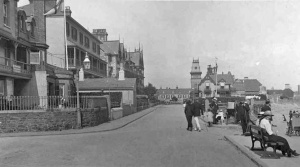
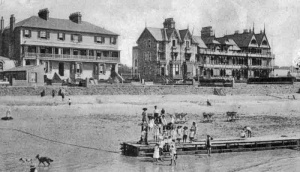
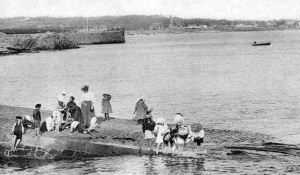
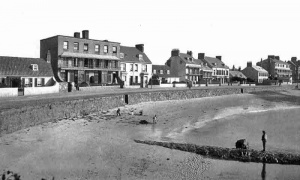
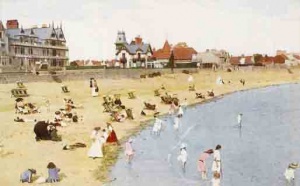
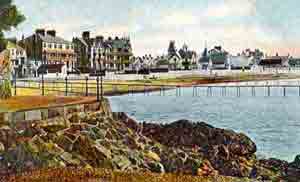
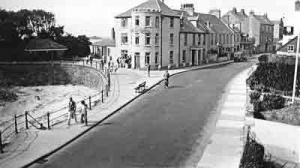
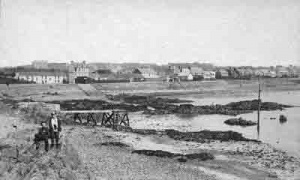
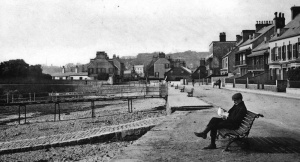
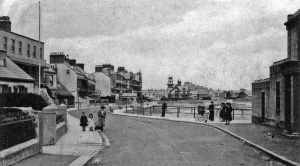
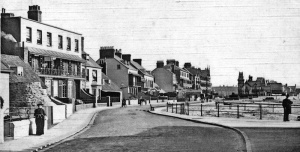
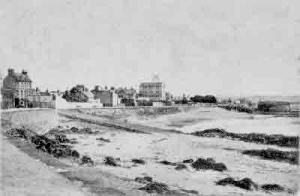
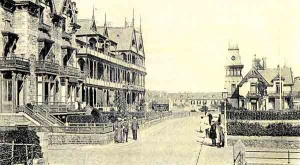
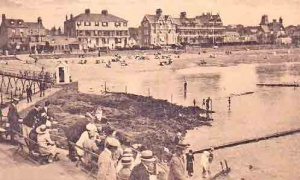
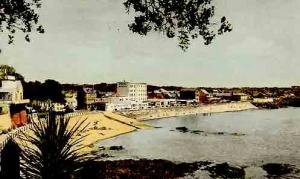
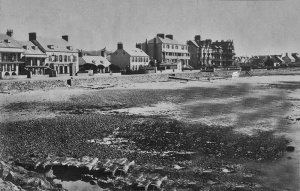
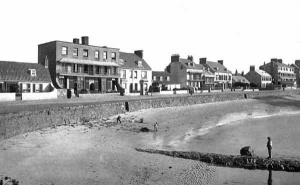
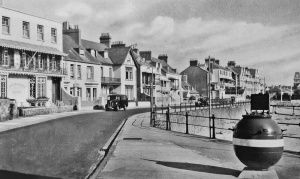
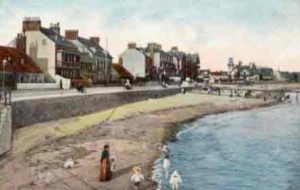
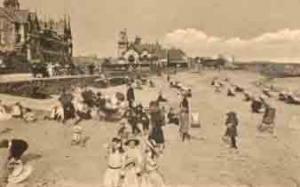
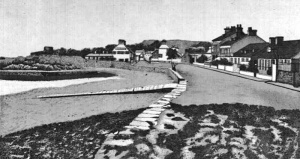
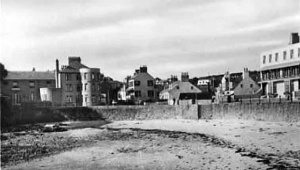
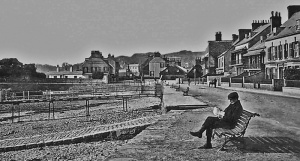
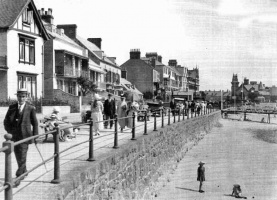
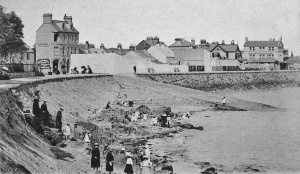
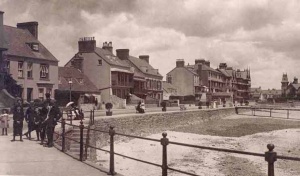
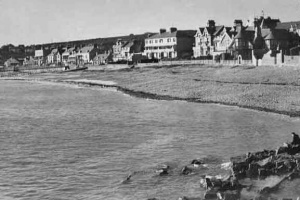
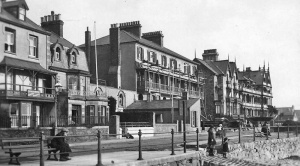
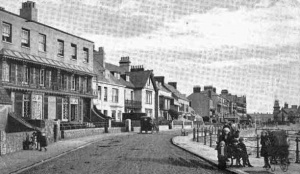
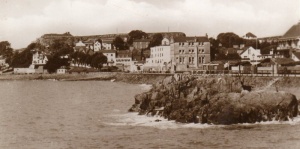
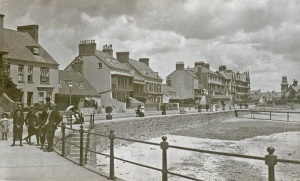
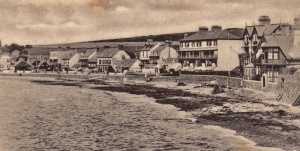
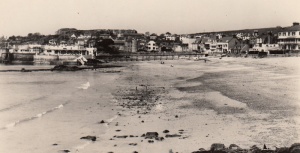
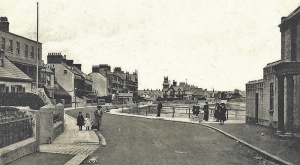
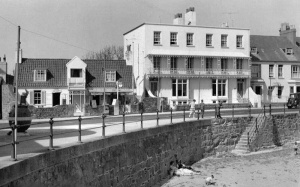
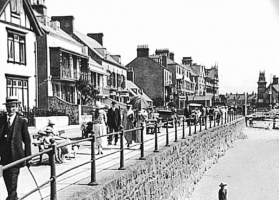
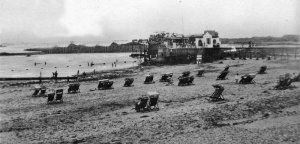
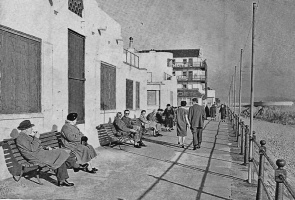
Before the land along the coast began to be developed, a number of shipyards were sited there, that last surviving into the 20th century. Many of the early buildings were small cottages occupied by workers in the shipyards, but gradually some grander houses began to be built and then, towards the end of the 19th century the area became a fashionable seaside suburb with hotels and boarding houses. Although some properties have been demolished or had extensions built over the decades, many fine examples of traditional Victorian seaside architecture remain and are now protected.

Pool
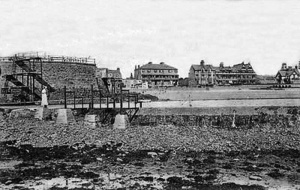
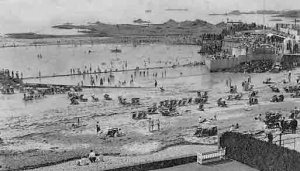
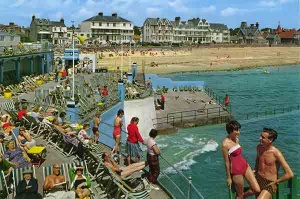
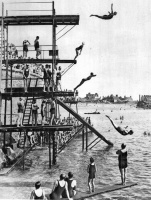
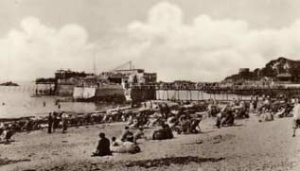
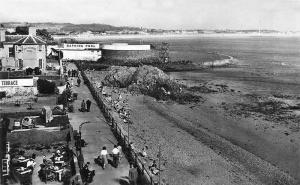
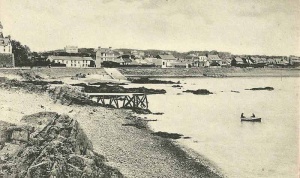
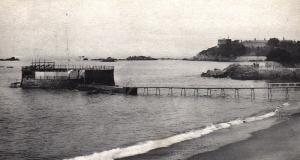
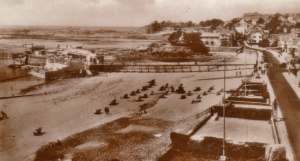
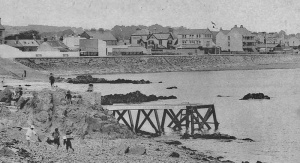
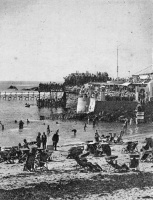
A major attraction was created by the building of the bathing pool, which opened on 12 March 1895. It was built by the Jersey Swimming Club at a cost of £3,106 12s 9d. Initially there was a circular granite wall to hold water between high and low tides in a pool for the exclusive use of ladies. Men were restricted to bathing off the rocks and diving stages to the west of the pool, but there were plans to build a separate pool for them. Progressively the ladies pool was developed with changing rooms and a promenade and men were allowed to use the facilities on their own at certain times. In 1904 mixed bathing was permitted between the hours of 9 o'clock and 10.30 in the morning.
The pool grew in popularity and was further developed in the 1920s. In its heyday it was a centre of island social life, as well as a base for the island's top swimmers and divers. It was modernised in 1925 with the addition of the Blue Terrace, and a pavilion was added two years later to host dances and other social events. Although it remains in use after major restoration work at the end of the 20th century, it could not retain its popularity when the Jersey Swimming Club, which originally built and ran the pool, transferred to the heated pool at Fort Regent.
- History of Havre des Pas Pool
- Reminiscences of Havre des Pas: A 1972 letter

Archive presentation
Havre des Pas featured in the Jersey Archive What's your story? series on Jersey streets and districts in 2010. The presentation charted the development of the area into a fashionable Victorian suburb of St Helier and a magnet for early holidaymakers. These are extracts from the full presentation:
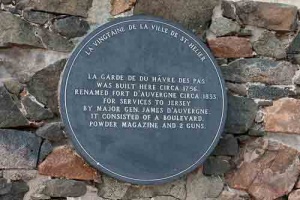
- "The Richmond map of 1795 shows that few properties existed – mainly clustered around the Dicq area and towards Green Street. The land now occupied by Marrett Road, Roseville Street and Cleveland Road, and the land at Grève d’Azette, consisted of fields and sand dunes. The map does show a building in the location of the Fort D’Auvergne Hotel on the promenade at Havre des Pas. This building, La Garde du Havre des Pas, was constructed in about 1756 and formed part of the increased fortification of the Island’s coastline. It was renamed Fort d'Auvergne about 1833 in honour of Major-General James d'Auvergne. It consisted of a boulevard, powder magazine and two guns.
- "The importance of the Island’s military position and threat of invasion after the Battle of Jersey were factors in the decision to construct additional fortifications at the Mont de la Ville in the early 1800s. These fortifications were to become what we now know as Fort Regent and their construction and subsequent garrisoning influenced the development of the western part of Havre des Pas. Green Street was the original site of the married quarters for soldiers from the garrison.

Government cottages
- "The 1861 census describes these quarters as Government Cottages and lists the names of a Master Gunner, Bombardier in the Royal Artillery and Captain in the Army. One of those mentioned is Samuel Thompson a 34-year-old Corporal in the Royal Artillery from Ireland who lived with his wife Mary and their two sons, Samuel and John. The family had two additional children in the early 1860s, William Herbert and Agnes Mary. Sadly tragedy struck the family when Samuel died. Mary presumably struggled to look after four young children and in 1869 two of the boys, Samuel and William were admitted to the Jersey Home for Boys.
Shipbuilding
- "The shipbuilding community at Havre des Pas flourished with many yards being established at this time including those of Francis Allix, 1847–1877, Thomas Bisson, 1856–1873, Edward Nicolle, 1824–1835, Matthew Philip Valpy, 1837–1868 and Le Vesconte and Vautier, 1854–1858.
- "The ships built at Havre des Pas sailed around the globe and included the Asia, a 97-ton schooner, built at the yard of Francis Allix, registered in 1850 and lost off Madagascar in 1865. Allix ships were also lost in seas as far afield as New Zealand and Florida. The site of the Allix shipyard can still be seen on the promenade at Havre des Pas, where a public open space celebrates the shipbuilding heritage of the area.
- "Francis Allix was born in 1815, the son of Jean and Elizabeth Godel. In May 1847 he married Betsy Mary Ann Landhatherland, daughter of Richard Landhatherland – the owner of Holyrood House located near the Allix shipyard. It was also in 1847 that the first ship to be built under Francis’ name was registered.


- "By 1851 Francis and Betsy are recorded as living at Mont Aubin Cottage at Havre des Pas with their two sons. By looking at the West of England Insurance registers from the 1850s we can see that Francis has insured his property. He pays to insure his own house, 2 Mont Aubin Cottage, and also insures the models and utensils of his trade. Francis is also paying insurance on 2 Pigeon’s Public House at Havre des Pas. It is thought that Pigeon’s Public House was originally owned by the Landhatherland family. The building, next to Holyrood House is still run as a bar.
- "In the 1881 census Francis is listed as living in the Landhatherland home – Holyrood House. Later that year he died leaving a large amount of property at Havre des Pas to his two sons, Francis Richard Land Allix and Richard Francis Land Allix. Between them the brothers inherited the workshops and shipyard, Holyrood House, Derby House, 1, 2 and 3 Sidon Place, Eden Villa, Stanley Lodge, Stanley House and land in the Havre des Pas area. The brothers' property holdings increased in 1899 when they inherited Fort d’Auvergne, Fort d’Auvergne Cottage and Mont Aubin from their great aunt Marianne Landhatherland.
Fort d'Auvergne
- "As the shipping industry declined the growth in visitors led to the development of hotels and guesthouses where there were once shipbuilding yards. Many of the Allix family properties were listed as lodging houses in the 1881 census.
- "Lodgers at Fort d’Auvergne House included Alexander McDonall, a journalist from England who was travelling with his mother Juliana, born in the East Indies; aunt, Anne Lindsay and two lady’s maids.
- "Fort d’Auvergne House was brought from the Allix Family by George Thomas Day in 1925. When Day sold the property in 1930 to Alfred Cabeldu it was described as a Hotel and was run by the Cabeldu family as a thriving business before and after the Occupation. During the Occupation the Hotel was requisitioned by the Germans and used by German officers.

Further articles
- Le Havre des Pas
- Fort d'Auvergne Hotel
- Havre des Pas Aquarium
- A comparison of the beach between 1956 and 2016
- Coast: Havre des Pas, one of the stops on our coastal tour of Jersey
- An album of 1927-1929 Havre des Pas Pool photographs
- Another gallery of 1920s and '30s Havre des Pas Pool photographs
- Ladies' poolside fashions in the 1920s and '30s


-
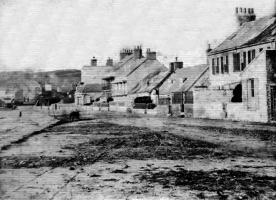 Vraic on the promenade in 1880, the pool has yet to be built
 -
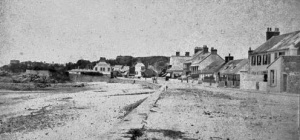 Picture by P Godfray before the pool was built in the 1890s
 -
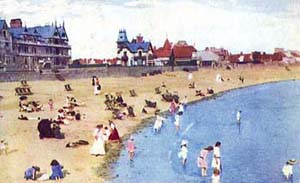
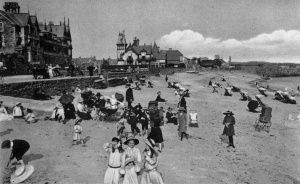 The beach in Victorian times
 -
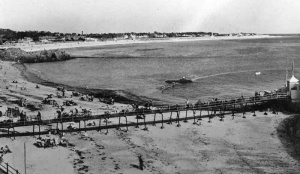 Bridge to the pool
 -
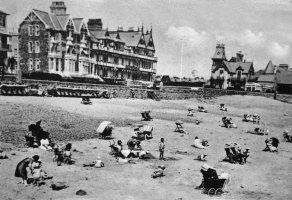 On the beach
 -
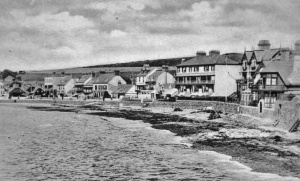 High tide
 -
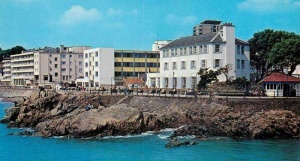 Hotels on the seafront
 -
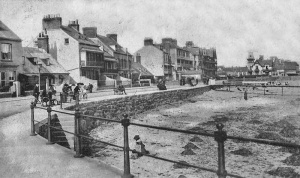
-
-
-
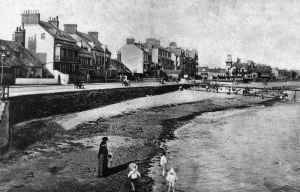 A family on the beach in the 19th century
 -
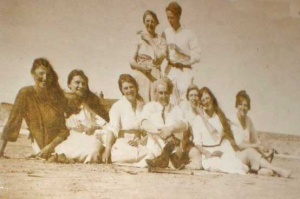 On the beach in the 1920s
 -
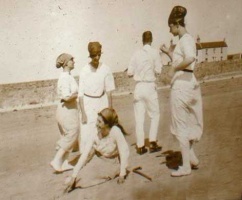 On the beach in the 1920s
 -
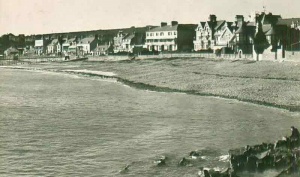 Quiet seafront
 -
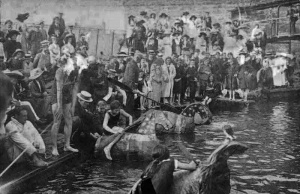 A water carnival
 -
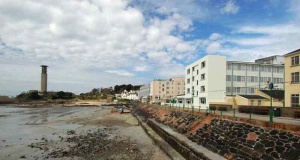
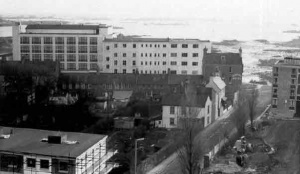 Looking towards the seafront from La Collette Flats
 -
-
-
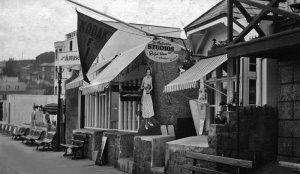 Palette Studios on the promenade
 -
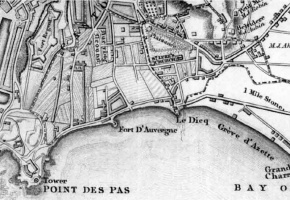 An 1849 map of the area before it became a Victorian beach resort
 -
-
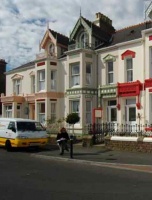 Typical Havre des Pas Victorian houses in Roseville Street, leading to the seafront
 -
-
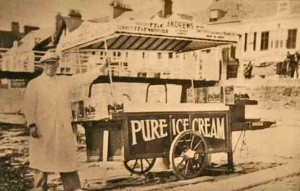 Ice cream seller Edgar Andrews was at Havre des Pas until the 1950s


-
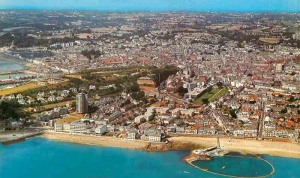
-
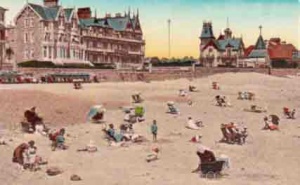 Havre des Pas in 1934
 -
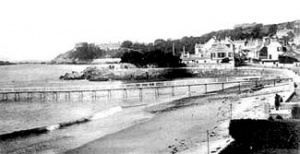 Havre des Pas in 1904
 -
 The engineers barracks in 1909
 -
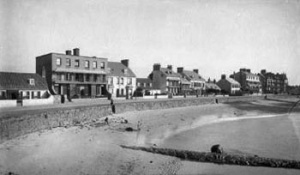 A picture by Albert Smith
 -
-
-
-
-
-
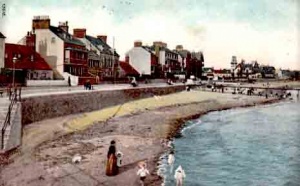 Havre des Pas 1905
 -
-
-
-
-
-
-
-
-
-
-
-
-
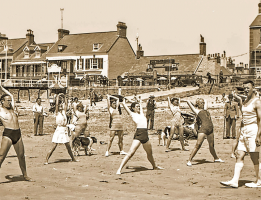 Gymnastics on the beach


Ladies only!

-
-
-
-
-
-
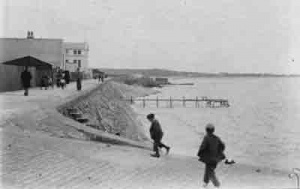 A diving stage pictured in 1890 before the pool was built
 -
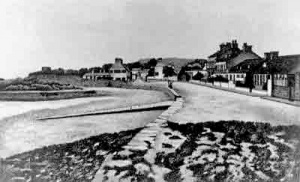 An early 1890s photograph before the pool was built
 -
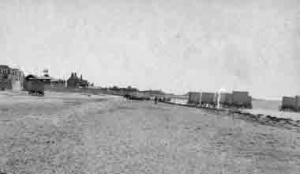 Bathing machines
 -
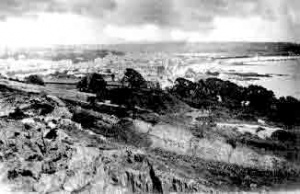 A picture by Ernest Baudoux taken from Mount Bingham
 -
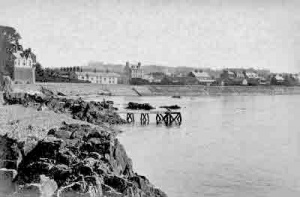 The diving stage used by the men of the Jersey Swimming Club after the pool was opened for women
 -
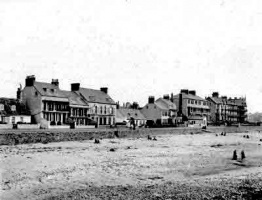 Hotels and houses on the seafront
 -
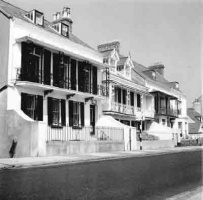 The area has some fine Victorian houses
 -
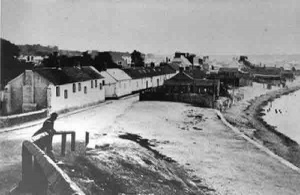 The shipyards
 -
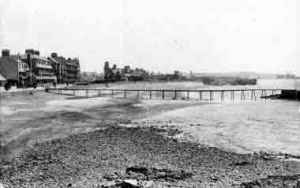 A picture by Albert Smith
 -
-
-
-
-
-
-
-
-
-
-
-
-


-
-
-
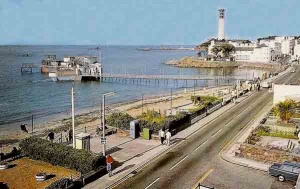
-
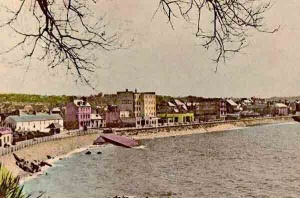
-
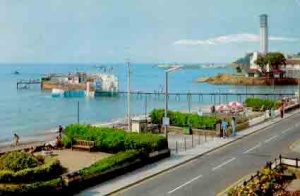
-
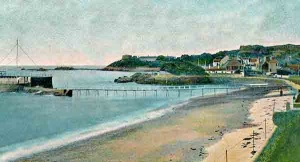 c 1905
 -
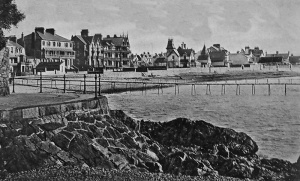 c 1905
 -
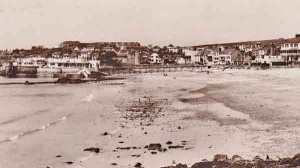 1948
1948 -
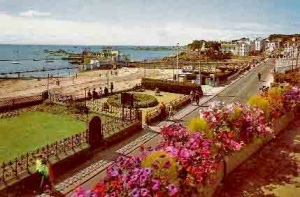 The area in 1970
 -
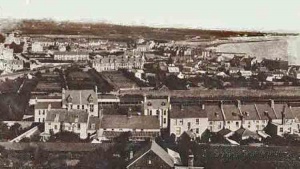 The area which gradually became built-up behind Havre des Pas is known as St Luke's
 -
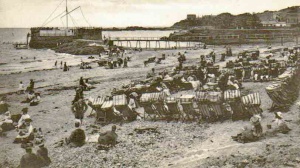
-
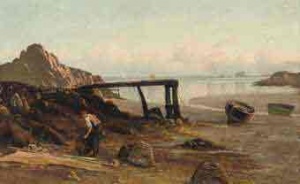 By Draper
 -
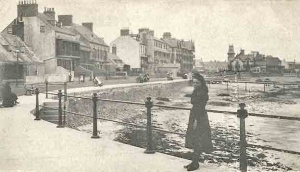 Havre des Pas in 1903
 -
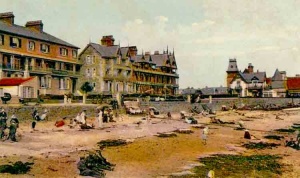 1919
1919 -
-
-
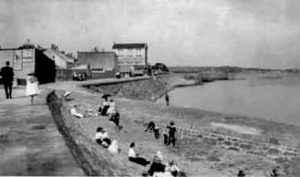 Green Street slipway in the 1900s
 -
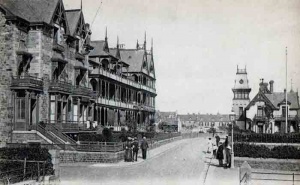 Looking east - the Ommaroo Hotel is on the left
 -
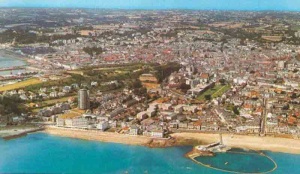 A more recent view from the air
 -
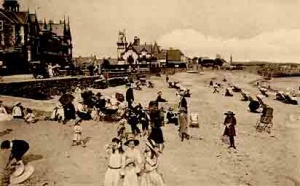 The beach in Victorian times
 -
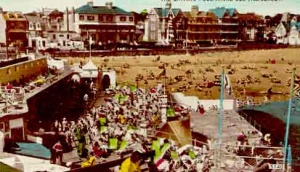 A crowded pool and beach in the 1950s
 -
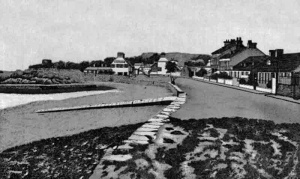
-


-
 The diving boards in use
 -
 By P Godfray
 -
 The red mine was used to collect coins for charity
 -
-
 Havre des Pas in 1905
 -
-
 In the 1940s
 -
-
-
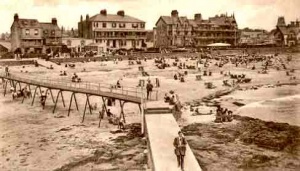 Havre des Pas seafront viewed from the pool
 -
 Havre des Pas
 -
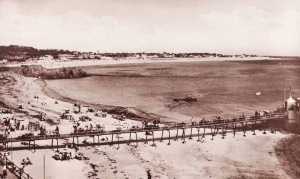 Havre des Pas in 1950
 -
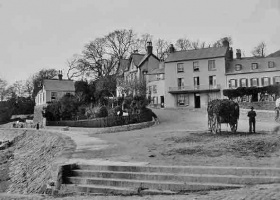 A view in the 1880s
 -
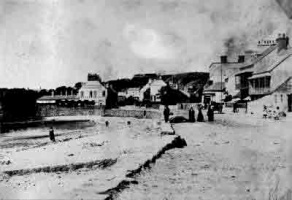 The promenade
 -
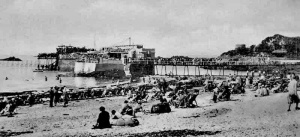 Deckchairs on the beach replace bathing huts in the early 20th century
 -
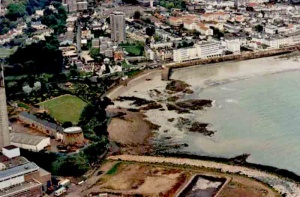 La Collette and Havre des Pas from the air
 -
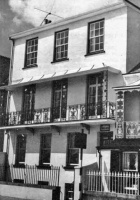 Havelock, 27 Havre des Pas
 -
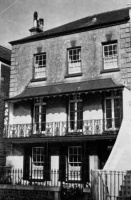 Holyrood House
 -
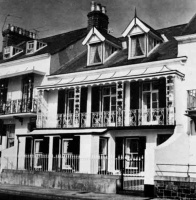 Villa Capri
 -
-
-
-
-
 1907
1907


-
-
-
 1930s
1930s -
-
-
 1920
1920 -
 1920
1920 -
 Diving stage
 -
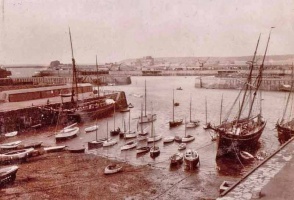 1912
1912 -
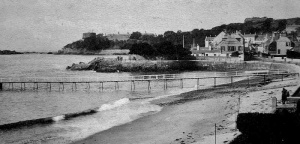
-
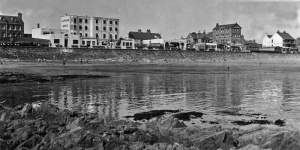
-
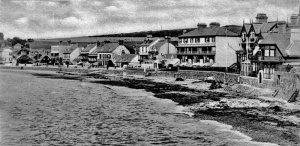


-
-
-
-
-
-
-
 Havre des Pas by Allix
 -
-
-
-
 Havre des Pas beach
 -
 1880
1880 -
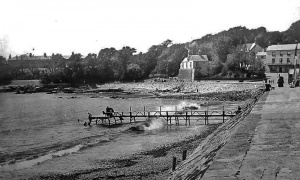 Before the pool was built
 -
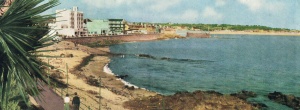 A panoramic view of the bay
 -
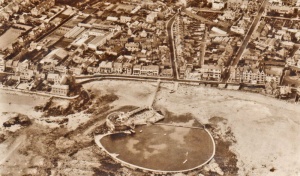 An aerial photograph taken in the 1950s


-
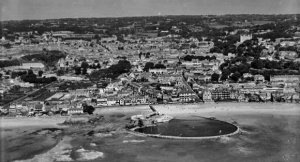 1933 aerial photograph by Aerofilms
 -
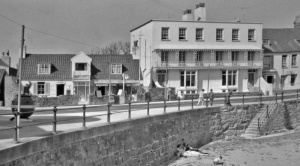 1960
1960 -
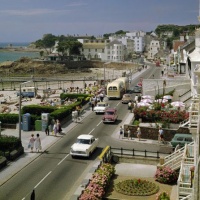 1960s
1960s -
-
-
-
-
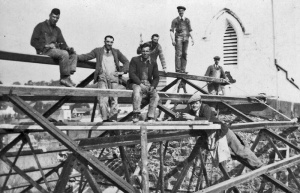 Roofers working on a property at Havre des Pas
 -
-
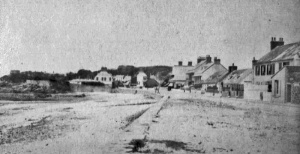 1870, by Philip Godfray
 -
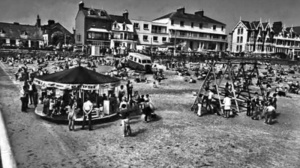 A fair on the beach in the 'sixties
 -
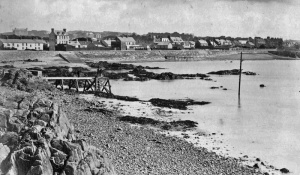 Two diving stages: for men in the foreground and ladies in the background


-
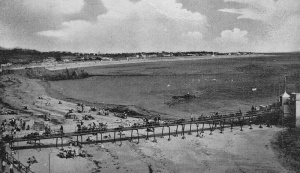 The bridge in 1930
 -
1907
-
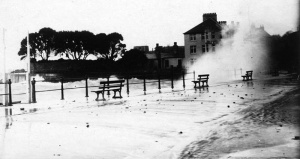 A stormy seafront in 1927
 -
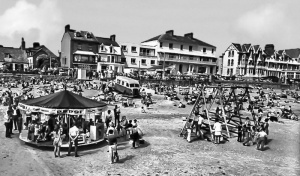 A Jersey Swimming Club fete on the beach at Havre des Pas. This is believed to be the only location where a beach could be used for such an event
 -
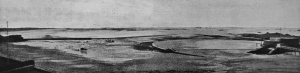 An early 20th century panoramic view of the bay
 -
-
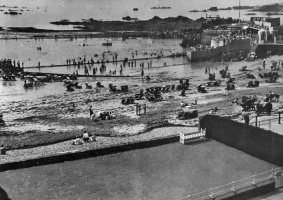 1935
1935 -
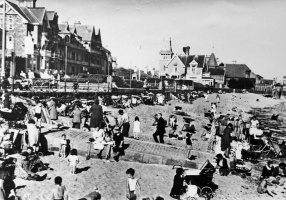
-
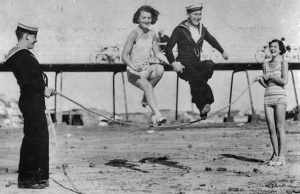 Visiting sailors and local girls have fun on the beach in 1935
 -
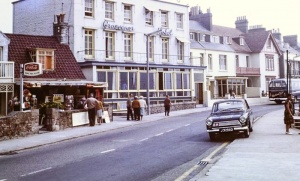 Grosvenor Hotel
 -
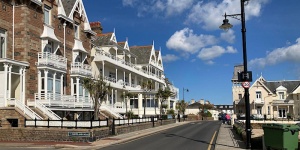 Ommaroo Hotel


-
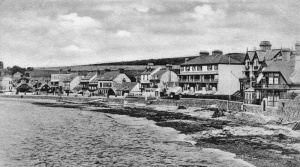 1905
1905 -
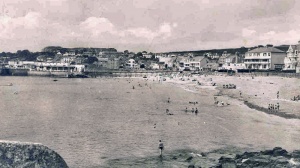 From east
 -
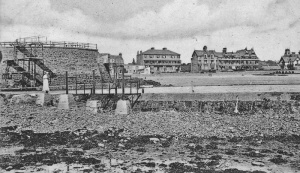 1912
1912 -
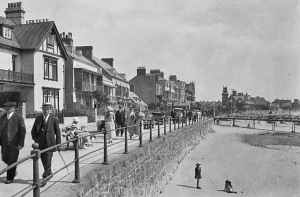 1918
1918 -
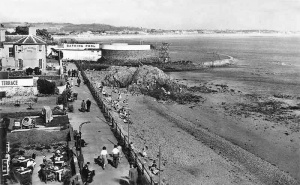 The promenade in the 1930s
 -
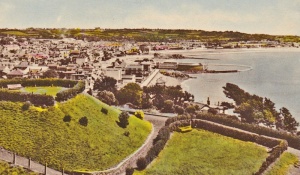 Mount Bingham and Havre des Pas
 -
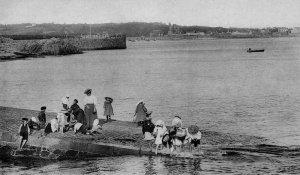 The slipway at the bottom of Green Street is the dividing line between the La Collette and Havre des Pas districts
 -
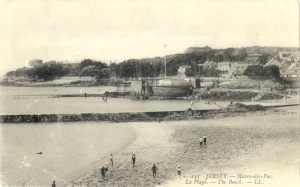 LL postcard
 -
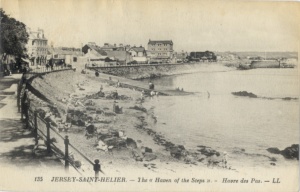 LL postcard
 -
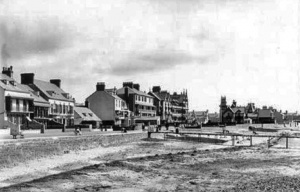 1880s photograph by Philip Godfray
 -
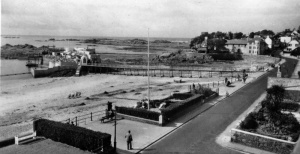 1930s
1930s -
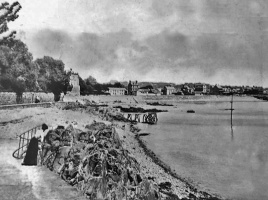 Havre des Pas viewed from La Collette
 -
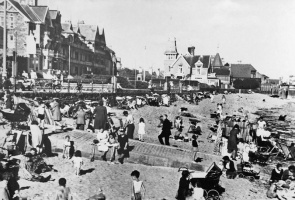 A busy day on the beach
 -
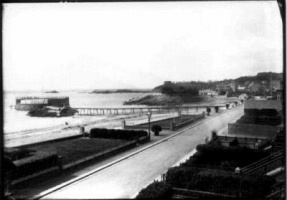
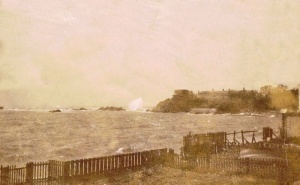 An early photograph looking across to La Collette at high tide
 -
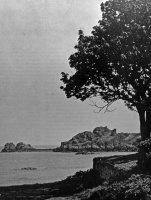 1968
1968 -
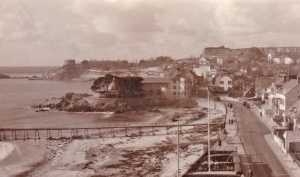 1933
1933


-
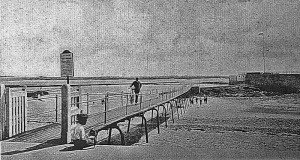 The bridge to the pool - a Wrench postcard
 -
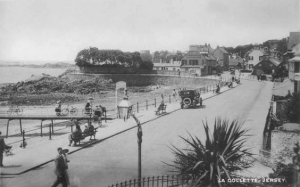
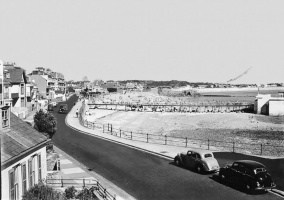
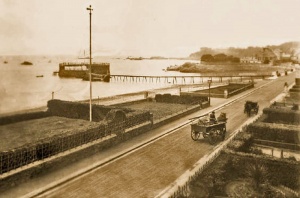 A solitary car passes along a quiet road
 -
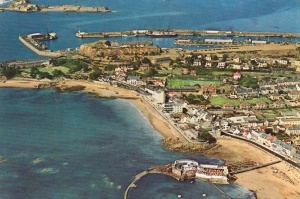 An aerial view in the 1960s
 -
-
-
-
-
-
-
 The promenade in 1959
 -
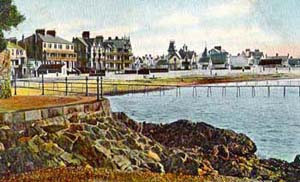
 The view from La Collette in the late 19th century
 -
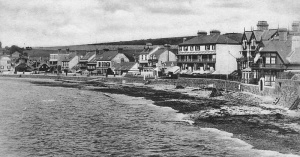 1907
1907 -
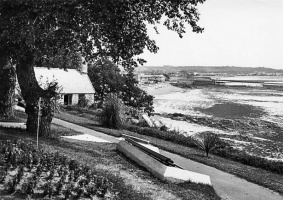 The view from South Hill in 1934
 -
-
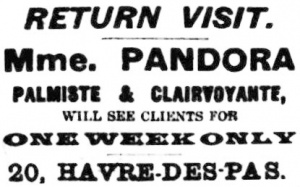 An unusual business advert from 1902
 -
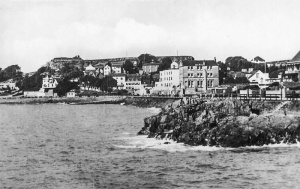 Marina Hotel
 -
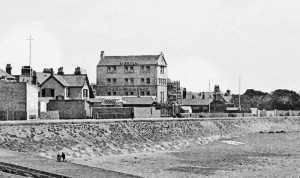 Marina Hotel
 -
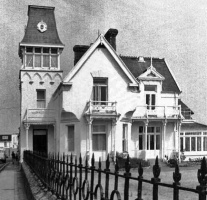 Petit Chatelet de la Mer
 -
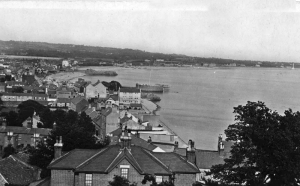 Havre des Pas viewed from La Collette
 -
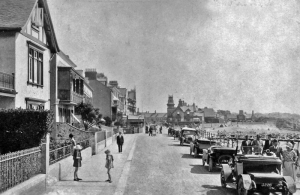 When parking on the approach to the pool was allowed
 -
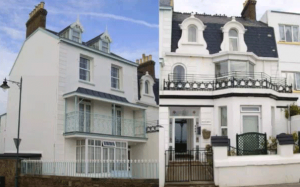 31 and 32 Havre des Pas
 -
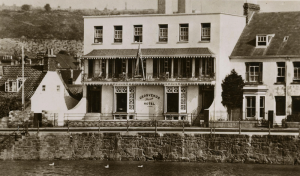 Grosvenor Hotel
 -
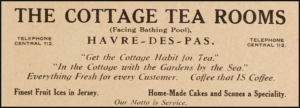 1935 advert in the Jersey Leader


-
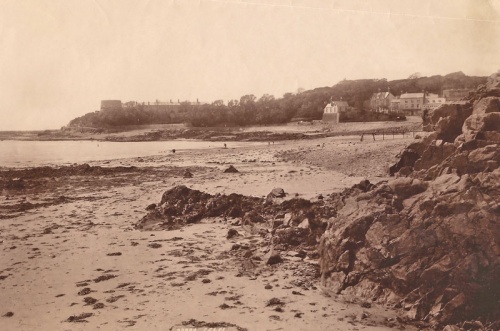 A view across the bay in the 1890s showing the diving stage used by women before the pool opened ...
 -
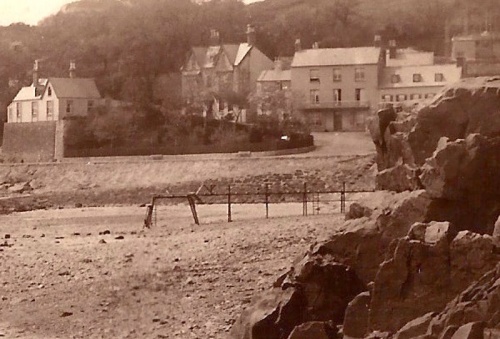 ... and a close-up view of the diving stage


.png)
Drone photographs
These photographs were taken by drone photography specialist Paul Lakeman.


-
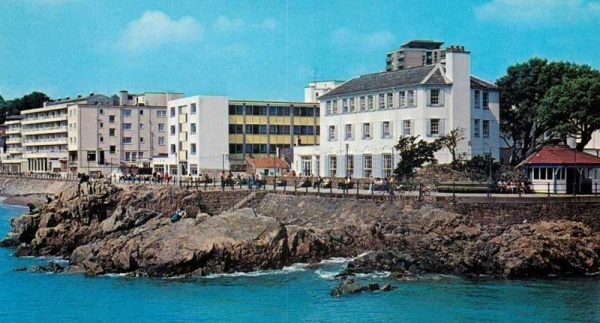 The seafront in the late 20th century, with the Fort d'Auvergne Hotel in the foreground ...
 -
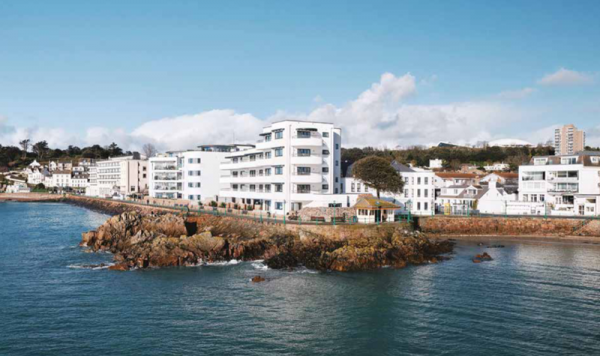 ... and the same view in 2025 with the hotel site redeveloped as apartments