Charing Cross
Charing Cross

La Croix de la Reine was erected at Charing Cross to commemorate the Queen's Silver Jubilee in 1977. It takes the form of an abstracted four-armed cross carved, almost encrusted, with views and symbols of St Helier. The granite stones for the new cross were lifted into place by crane on 3 March 1978 and the cross was unveiled on the 19th.
Cyril Warren, former Public Works engineer, was in charged of research and the design of the cross and Louis Chataignère, a French stone-engraver, was given the task of carving it. Having completed his task he retired. It took him at least 240 hours to carve just one of its panels.

Charing Cross is the western gateway to the centre of St Helier, and until the early 19th century it was literally a gateway, with a narrow tunnel passing under the prison, which then straddled the wide road. But it had to go, partly because it was in an appalling condition, and partly because of the Lieut-Governor, General Don's road-building programme. He wanted to be sure to be able to move troops and equipment quickly around the island in times of emergency, and his guns would not pass through the tunnel under the prison.
The location of the prison gave Charing Cross its original name La Rue de la Prison. It was also known as La Pompe du Bas, because one of two town pumps, providing residents with fresh water, was located there.


To the west of Charing Cross was undeveloped sandy land, stretching down to the sea. The old town wall ran from here to the south of Broad Street, which was known as La Grande Rue, because it was the main thoroughfare to the Royal Square. The other street leading into the town from Charing Cross, King Street, barely existed in the early days of the development of St Helier. Today it is the island's main shopping street; then it was a back street, appropriately known as Rue de Derrière.
Prison
The prison was built Between 1688 and 1697. Before then all prisoners had to be held at Mont Orgueil Castle, and brought from there to town for trials at the Royal Court. It is believed that the design of the prison may have been because it was intended to represent a city gate, but it may also have been a copy of old Temple Bar in London. It was demolished in 1811.
Street layout
Charing Cross has a very unusual layout and numbering system. No 1 is the first property in Charing Cross on the southern side, following on from Broad Street.
The numbers continue in numerical sequence to No 10 at the junction with Castle Street, and then back on the opposite side of the road as far as No 15, the corner property facing east. Numbers continue around this corner in a separate section of street as far as York Street, and then back along the north side of the street as far as King Street.
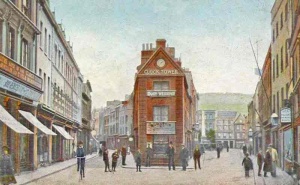
Where Charing Cross ends and King Street starts has been a matter for considerable confusion over many years. Rutland House, the property on the corner with Pitt Street, appears in almanac listings as 29 Charing Cross, and in others as 78 King Street, where it is shown in the 21st century. There are numerous advertisements for businesses trading at the property giving their location as Charing Cross. The 'clock tower' building across the street, which makes the corner with Broad Street, has also been described in adverts as Charing Cross, without a number, but it has always been officially listed as 79 King Street.
Histories of individual properties
| No 1 | No 2 | No 3 | No 4 | No 5 | No 6 | No 7 | No 8 | No 9 | No 10 |
| No 11 | No 12, 12a | No 13 | No 14-15 | No 16 | No 17 | No 18 | No 19 | No 20 | No 21 |
| No 22 | No 23 | No 24 | No 25 | No 26 | No 27 | No 28 |
Picture gallery

Click on image to see larger picture
-
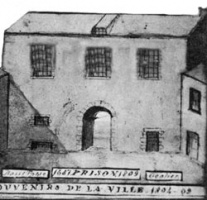 The old prison
 -
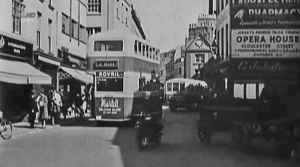 1942
1942 -
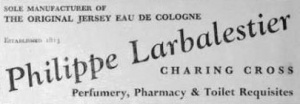
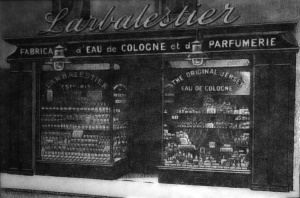 Larbalestier perfumery
 -
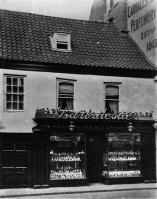 Larbalestier's
 -
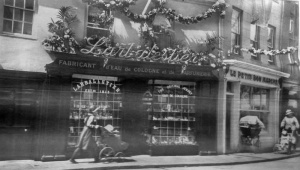
-
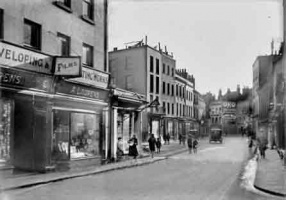 Charing Cross in the 1930s
 -
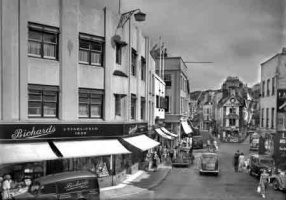 Charing Cross in the 1930s
 -
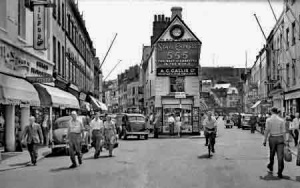 Charing Cross in 1955 - Picture Evening Post


-
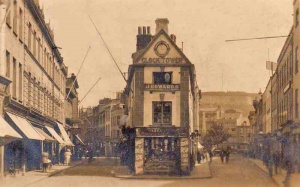 Charing Cross in the early 20th century, with King Street to the left and Broad Street to the right
 -
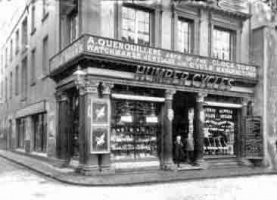 Picture from about 1920 by Albert Smith showing A Quenouillere's shop on the corner with Pitt Street offering a strange combination of jewellery and bicycles
 -
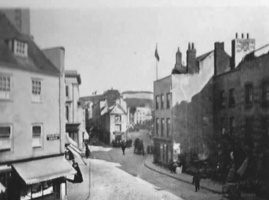 1907
1907 -
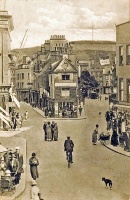
-
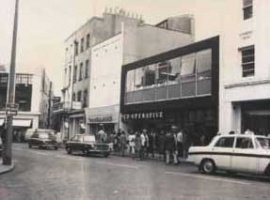 1968
1968 -
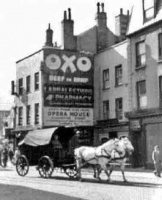 Possibly taken during the German Occupation
 -
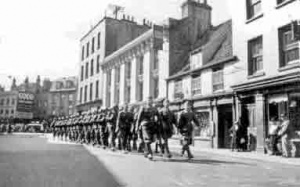 German Victory Parade on 9 August 1940
 -
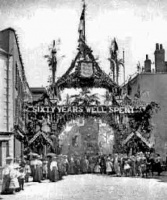 The arch erected for Queen Victoria's Diamond Jubilee in 1897
 -
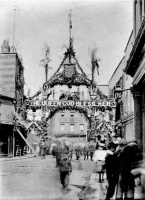 The jubilee arch from the other side
 -
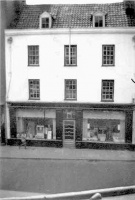 Huelin's, 2 Charing Cross
 -
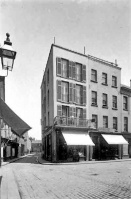 The corner of Charing Cross and Dumaresq Street
 -
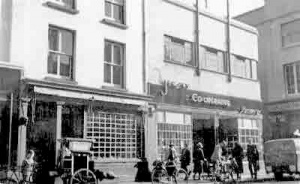 The Co-operative on the corner with Pitt Street in 1940
 -
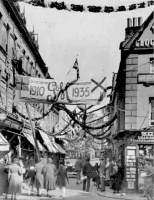 King George V's silver jubilee in 1935
 -
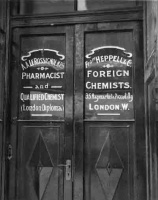 The doorway to A Le Rossignol pharmacist
 -
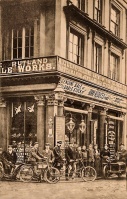 Rutland House cycle shop
 -
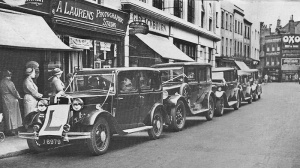 1936
1936


-
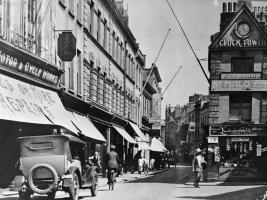 In the 1930s
 -
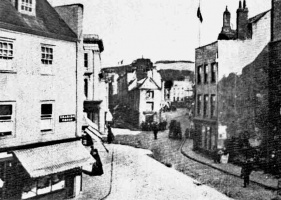 The early 1900s
 -
-
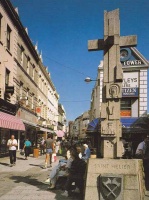 The modern granite cross at Charing Cross
 -
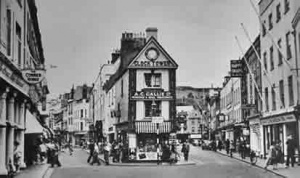 1950s
1950s -
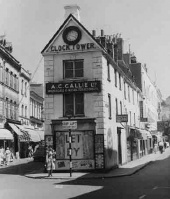 1960
1960 -
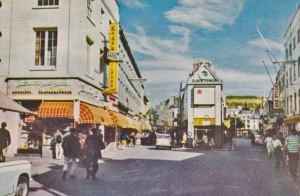 1960s
1960s -
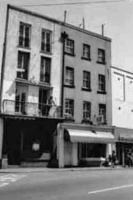 19 and 20 Charing Cross
 -
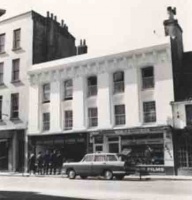 16 Charing Cross
 -
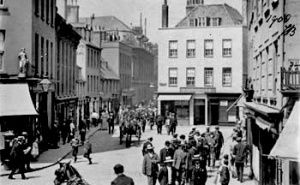 A Visite Royale passes through Charing Cross in 1908
 -
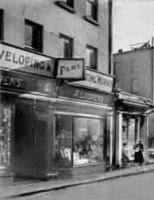
-
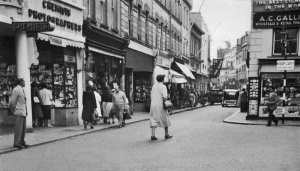 1930s
1930s -
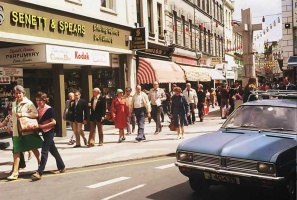 1970s
1970s -
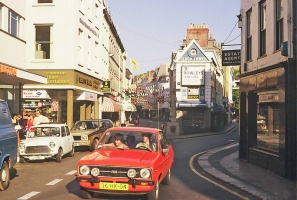 1970s
1970s -
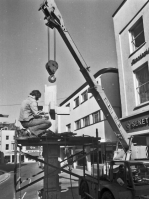 March 1978 - Jersey Evening Post photograph
 -
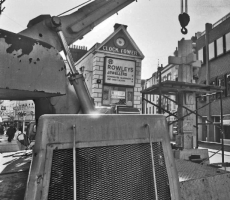 March 1978 - Jersey Evening Post photograph


-
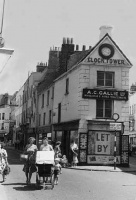 1950s
1950s -
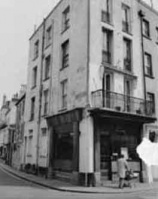 19 Charing Cross
 -
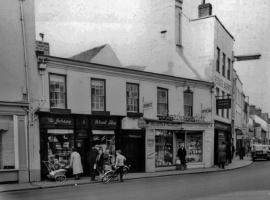
-
-
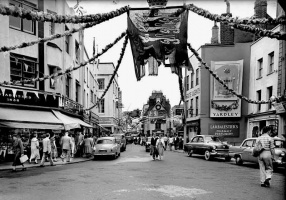 Decorated for the Coronation in 1953
 -
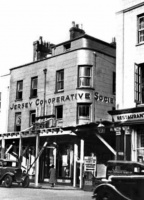
-
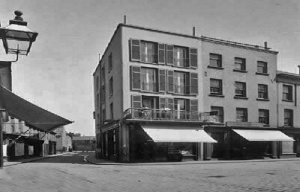 Dumaresq Street junction
 -
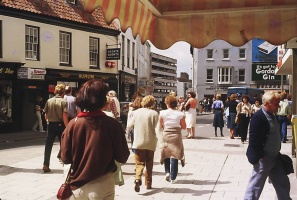
-
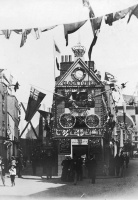 1897
1897 -
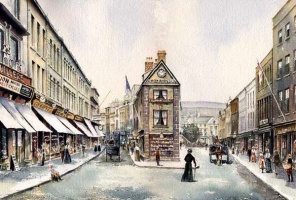 1900s
1900s -
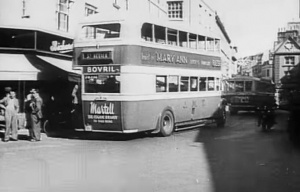 1942
1942 -
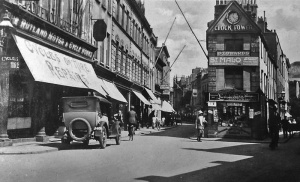 1929
1929 -
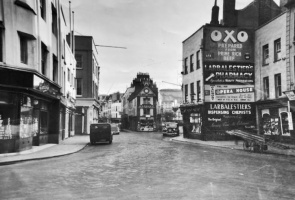 1940s
1940s -
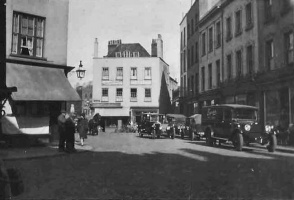 1928
1928 -
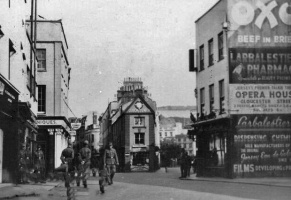 During the Occupation
 -
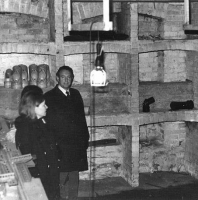 A wine cellar discovered under a Charing Cross house in 1972
 -
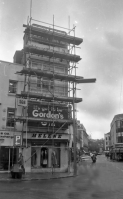 View through to York Street in 1977 - Jersey Evening Post photograph
 -
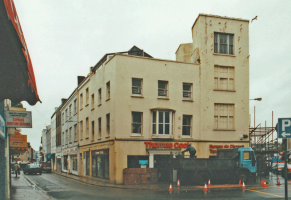 Demolition of the Thomas Cook building in 1993 before rebuilding - Facebook picture by Andre Ferrari
 -
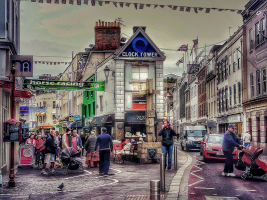 May 2012


.png)


Businesses
-
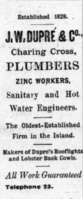
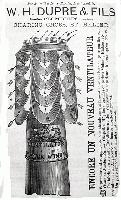 Dupre and Sons, plumbers
 -
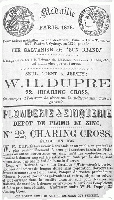 Dupre and Sons
 -
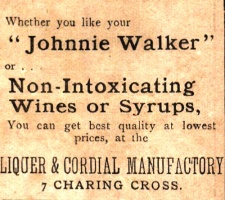 Johnnie Walker whisky, or alcohol-free cordials manufactured at 7 Charing Cross
 -
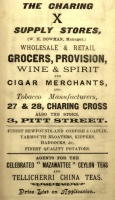 Charing Cross supply stores
 -
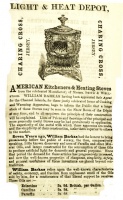 The Light and Heat Depot, dealers in paraffin stoves and lights
 -
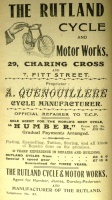 Rutland Cycle Works
 -
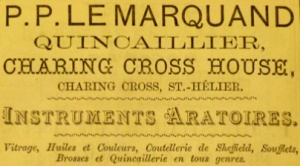 P P Le Marquand, ironmonger
 -
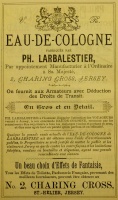 Larbalestier eau-de-cologne
 -
-
-
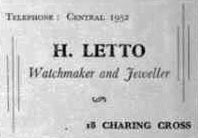 Letto
Letto -
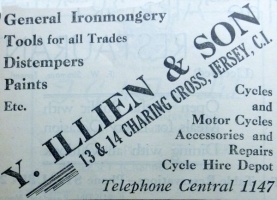 1950
1950 -
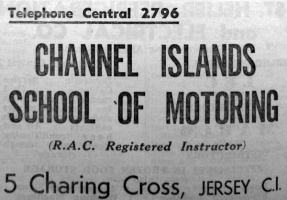 1950
1950 -
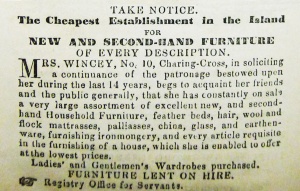 1852
1852 -
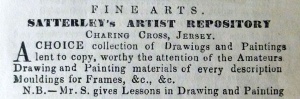 1852
1852 -
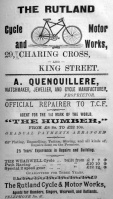 1905
1905 -
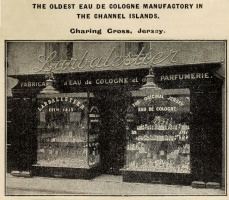 1920s
1920s -
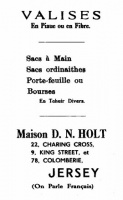
-
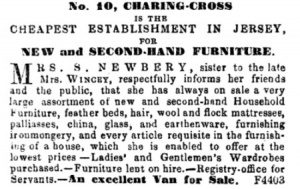 1853 advert
 -
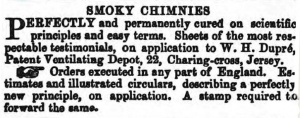 1859
1859 -
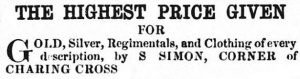 1855
1855 -
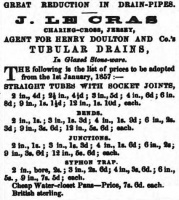 1857
1857 -
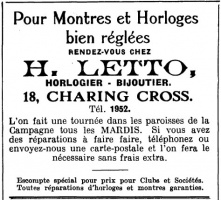 Letto, 1940
 -
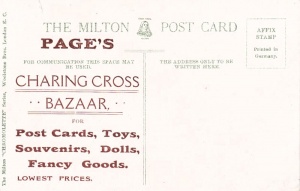
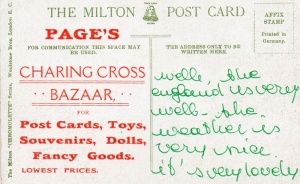 Page's Charing Cross Bazaar was the business of Mr F R Page, at No 6, according to an almanac entry in 1910
 -
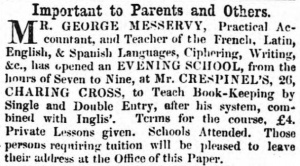 1855
1855 -
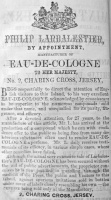 1862 advert
 -
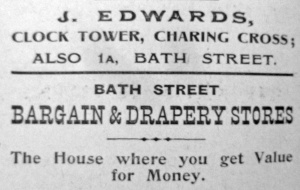 1925
1925 -
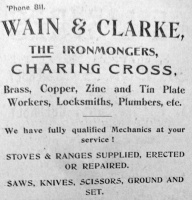 1925
1925 -
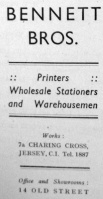 1948
1948 -
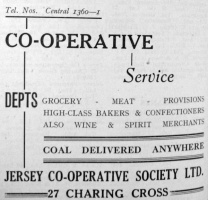 1948
1948 -
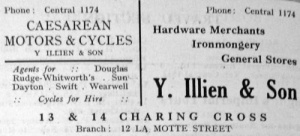 1948
1948 -
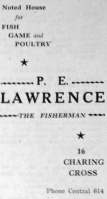 1948
1948 -
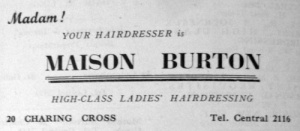 1948
1948 -
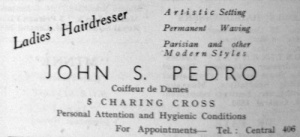 1948
1948 -
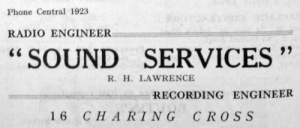 1948
1948 -
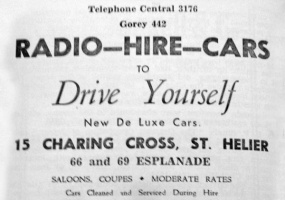 1955
1955 -
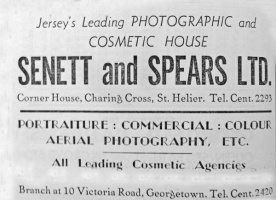 1955
1955 -
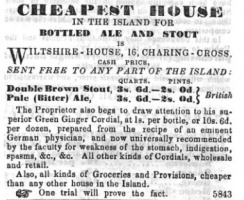 1853
1853 -
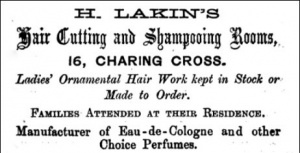 1881 advert
 -
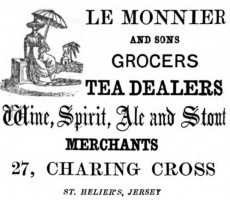 1873 advert
 -
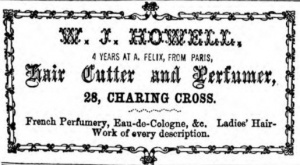 1873 advert. W J Howell seems to have learnt his trade with French hairdresser Felix Audoin, who was in business at this time in Queen Street
 -
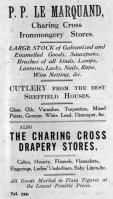 1927 advert
 -
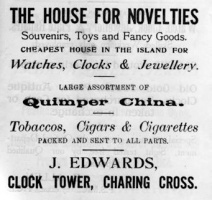 1927
1927 -
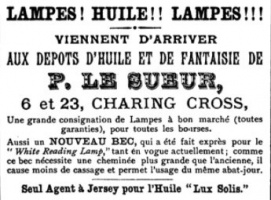 1887 advert from L'Almanach de la Gazette de Jersey
 -
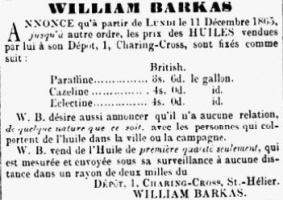 1866 Nouvelle Chronique advert showing prices of Barkas fuels
 -
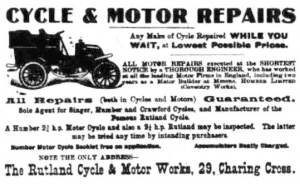 1903
1903 -
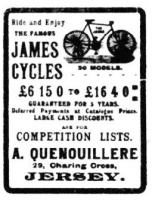 1908
1908 -
 1900
1900 -
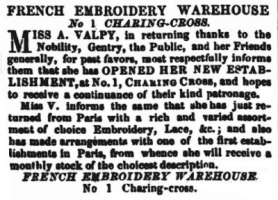 1857
1857 -
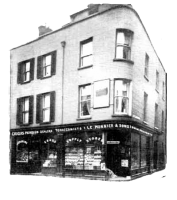 Le Monnier grocer, tobacconist, wines and spirits
 -
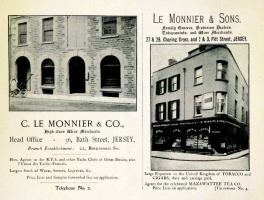 A 1899 advert for the business
 -
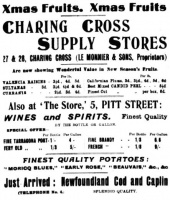 1903
1903 -
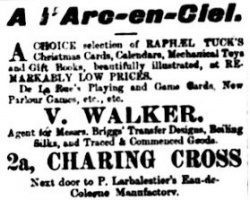 1897
1897 -
-
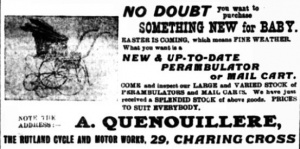 1905
1905 -
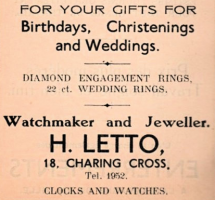 1953
1953 -
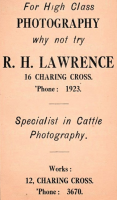 1953
1953 -
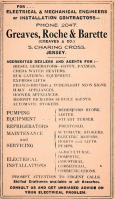 1953
1953 -
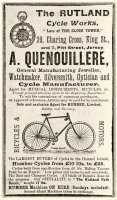
-
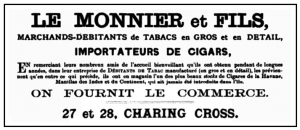 1889
1889 -
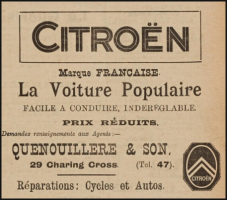 Best known as cycle dealers, Quenouilliere were early Citroen agents in 1924
 -
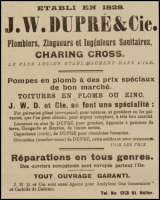 1924
1924 -
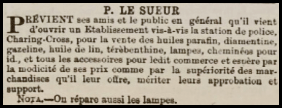 P Le Sueur advertised in Chronique de Jersey in 1870 that he had opened a business 'opposite the Police Station' selling paraffin and other oil products
 -
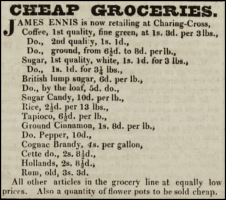 James Ennis advertised cheap groceries at his Charing Cross shop in 1830